REVIEW · ARUSHA
Arusha: 3-Day Safari to Ngorongoro Crater and Serengeti
Book on GetYourGuide →Operated by KILINGE -ADVENTURES · Bookable on GetYourGuide
Three days. Two major parks. One big wildlife rush. This Arusha-to-Serengeti safari links Ngorongoro Crater with Serengeti National Park, with tented camping nights and guided game drives. I especially like the crater approach: you descend into the caldera for a focused wildlife day where multiple habitats can show up close together. I also like how the Serengeti schedule leans into action time, with an early morning drive designed to catch predators when they’re most active.
One consideration: the trip can feel long before the first big sightings, and timing can slip. I’d plan your expectations around possible gate waits and long drives, and I’d confirm what time you’ll actually start each day—because that’s when safari luck really starts to matter.
In This Review
- Key things that define this 3-day shared safari
- Day 1: Arusha to Ngorongoro Crater and the long road to first sightings
- Ngorongoro game drive: why the crater gives you Big Five chances
- Day 2: Ngorongoro to Serengeti National Park and the Maasai-country drive
- Serengeti sunrise drive: the predator time slot that pays off
- Camping, meals, and the reality of tented nights
- Price and the park-fee reality in Tanzania
- Vehicle space and shared-safari logistics: what to verify
- What to bring (based on what the trip asks for)
- Who should choose this Arusha–Ngorongoro–Serengeti safari
- Should you book this 3-day shared safari?
- FAQ
- Is the national park fee included?
- Do you get tent camping at night?
- What meals are included?
- Are alcoholic beverages included?
- Is travel insurance included?
- Where does the pick-up start?
Key things that define this 3-day shared safari
- Ngorongoro descent game drive: you go down into one of Tanzania’s most famous volcanic calderas for an all-in-one wildlife day.
- Serengeti drives with Great Migration context: you’ll be in the park made for huge savanna views and big wildlife energy.
- Tented camping inside the experience: stargazing is part of the deal, and at least some camps can put animals very close.
- Food is a real strong point: multiple accounts describe the meals as good to amazing, not just basic.
- National park fees are separate: budget extra; one traveler cited a $210 national park fee.
- Logistics are the swing factor: delays, vehicle space issues, or route changes have happened, so clarity matters.
Day 1: Arusha to Ngorongoro Crater and the long road to first sightings
Day 1 starts with an early push out of Arusha toward the Ngorongoro Crater, a UNESCO World Heritage site and one of the world’s standout volcanic calderas. The drive is scenic, and the whole point is that you’re trading hours of transit for the payoff of one of Tanzania’s most concentrated wildlife settings.
What you can expect once you reach the crater: you’ll descend into it and start a game drive right away, working through crater terrain that can include lush forest, open savanna, and lakeside areas. That habitat mix matters because it increases your odds of seeing different species in one day, rather than hoping they appear in a single habitat type.
Now for the reality check. One account put the Arusha-to-first-observation time at around 8 hours, which is a long haul before the safari rhythm settles in. If you’re prone to getting cranky on long drives, pack a patient mindset and treat Day 1 as a “get there first” day, not just a “wildlife all day” day.
You can also read our reviews of more tours and experiences in Arusha.
Ngorongoro game drive: why the crater gives you Big Five chances
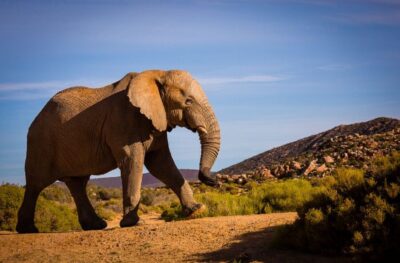
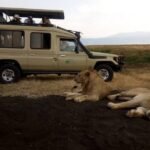
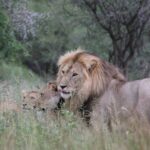
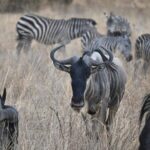
Ngorongoro’s magic is that it’s like a natural stage. You’re not just driving across flat savanna—you’re dropping into a bowl-shaped world with its own ecosystems and wildlife patterns. On this itinerary, you’re set up to see a range of animals, with Big Five sightings listed as possible: lions, elephants, buffalo, leopards, and rhinos.
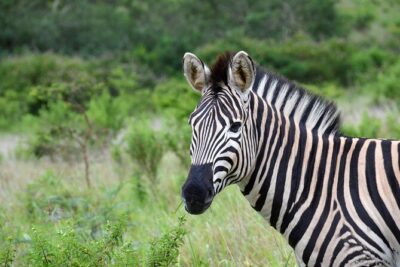
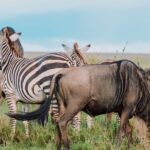
In practice, the crater is also where smaller moments can pop: birds in open areas, zebras grazing, and wildlife moving between water and grassy zones. Even if you don’t tick every Big Five box, you’re doing something many people never manage elsewhere in just three days—you’re concentrating your time in a place designed to deliver variety.
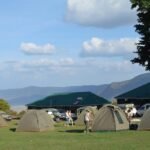
And the night setup can add its own wow factor. One traveler described the Ngorongoro campsite as unbelievably beautiful in the morning, and another mentioned zebras just a few metres from the tents. That’s not something to assume every time, but it’s a sign that the camping locations can feel very close to the animals, not hidden behind fences and far-away views.
Day 2: Ngorongoro to Serengeti National Park and the Maasai-country drive
After breakfast, Day 2 moves you from the crater region into Serengeti National Park. The route passes through areas where Maasai villages may appear along the way, and the safari narrative includes chances to see that culture as part of the transition into the park.
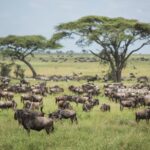
Once you’re in the Serengeti, you shift into the park’s main mode: game drives across the savannas. The Great Migration is part of the context here—meaning you’re in the ecosystem where seasonal movement of grazers and predators is the headline story. You’re also promised a day of frequent sightings, including predators and river-area animals.
Expect a mix of action types across the day:
- a main drive where you’re searching broadly for wildlife,
- an afternoon drive geared toward great viewing and photo chances,
- and time to enjoy the park atmosphere after the day’s driving.
At night, you’ll sleep in tented camping within the park area (camping equipment is included). The plan includes stargazing and hearing the soundscape of the bush. One account even said you could hear lions roaring from the tent, which gives you a strong sense of how alive the night can feel.
One drawback to keep in mind: route details and add-ons can vary. There’s an example of a Maasai village visit not happening as expected, with the stop sometimes turning into a paid extra. If this cultural stop matters to you, I’d treat it as something to confirm clearly before you go.
Serengeti sunrise drive: the predator time slot that pays off
Day 3 starts early with a sunrise game drive. This timing matters. Predators tend to be more active during the early hours, and the light can make scanning for motion easier than during the harsh midday glare.
You’re looking for lions and leopards on the prowl, plus herbivore herds that draw predators in. The schedule also includes breakfast after the morning drive, then a return journey to Arusha later in the day.
This is where safari “schedule quality” becomes more than a nuisance. One account described late departures due to vehicle problems, which can shrink your early-morning window—the exact time the itinerary is designed around. If your goal is to maximize predator chances, you’ll want the day to start on time. That means it’s worth paying attention to how the operator handles breakdowns or vehicle swaps, especially in a shared setting.
Camping, meals, and the reality of tented nights
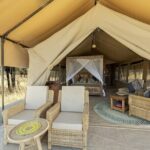
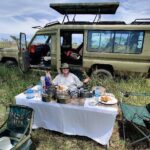
This safari includes accommodation in tents, plus a sleeping bag and mattress, and camping equipment. Meals are included as per the itinerary, and drinking water is provided.
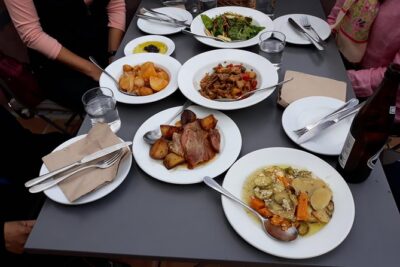
The good news: the food gets strong praise. One traveler called the food amazing, and others described it as really good. That matters because camping safari days are long, and you need solid meals to keep your energy up for early starts.
There’s also a human-side win. One account said the team always made people feel right at home. In shared safaris, that tone is a big deal. You’re spending a lot of time together—inside the vehicle, during stops, and at camp—so a friendly guide and a calm team can make the whole experience feel easier.
Now, the caution: campsite comfort is not identical everywhere, and at least one account reported issues like lack of toilet door privacy and not enough light at night. Even worse, they described walking around in the dark. So, while tent camping can be magical, you should be ready for basic conditions. If you’re the type who needs clear bathroom setups and reliable lighting, ask the operator what camp facilities are like before you commit.
Price and the park-fee reality in Tanzania
The itinerary doesn’t include national park fees, and it also doesn’t include travel insurance or alcoholic beverages. The park fee is the one number that can change your total budget the most.
One traveler specifically mentioned a $210 national park fee, which gives you a real benchmark to plan around. Since park fees are not bundled here, I recommend you build your budget like this:
- safari price you’re quoted,
- plus the national park fee amount,
- plus any paid extras you might run into (like certain cultural stops, depending on what actually happens).
In value terms, what you are getting for the safari cost is not just driving. You’re paying for:
- a guided safari with a professional English-speaking guide,
- transportation in a safari vehicle,
- tent camping gear (sleeping bag, mattress, camping equipment),
- and meals plus water.
So the value equation works best if you treat the park fee as part of the mandatory “Tanzania safari math,” not as a surprise at the finish line. Also, remember that in a shared safari, the experience is often most dependent on vehicle logistics and daily timing—both of which affect how much time you truly spend inside the action.
Vehicle space and shared-safari logistics: what to verify
This is the part people don’t always think about until it goes wrong. Shared safaris require shared vehicle space, and there’s a real capacity constraint in the jeep setup.
One account described a situation with too many people relative to the vehicle’s seating, with luggage also taking up space. That led to stress and tension, which then rippled into delays and missed animal time. Another described vehicle issues that caused the day to start late after repairs.
You can’t control road conditions, but you can reduce the risk of a messy day by verifying key details ahead of time:
- confirm how many people are in each vehicle,
- confirm the plan if vehicle repairs are needed,
- and confirm the intended route order (crater first vs. Serengeti first) and whether cultural stops are included or optional.
If the operator communicates clearly and sticks to the plan, this safari can be a strong, efficient way to see two of Tanzania’s biggest wildlife icons. If communication is weak, the day can feel stressful fast.
What to bring (based on what the trip asks for)
The essentials the itinerary specifically calls out:
- a daypack
- a power bank
That’s a good sign the trip expects you to charge phones for photos and wildlife moments. In a safari context, a daypack matters because you’ll want quick access to what you use throughout drives and camp time.
Who should choose this Arusha–Ngorongoro–Serengeti safari
This trip is a good fit if you want:
- a 3-day sampler that covers Ngorongoro and Serengeti without rushing every stop into a longer multi-week journey,
- the classic safari formula of game drives plus tented camping,
- and you’re excited by the idea of hearing the bush at night and possibly seeing animals near camp in some areas.
It may not be ideal if you:
- hate long driving days before the first real game drive,
- need a perfectly strict schedule,
- or get uncomfortable when camp basics are less polished than you expected.
In short: it’s best for wildlife-first travelers who can roll with shared-safari reality and still care deeply about getting good animal time.
Should you book this 3-day shared safari?
If your top priority is seeing Ngorongoro and Serengeti in one tight schedule, and you’re happy with tented camping and a professional guide with meals and water included, this can be great value. The upside is real: strong animal sightings, praised food, and the kind of camp-night atmosphere that many safari trips only hint at.
But don’t ignore the logistics signals. Timing gaps, route changes, vehicle capacity stress, or camp facility shortcomings have happened for some people. Before you book with KILINGE-ADVENTURES, I’d confirm in plain language:
- what time you’ll start each day,
- whether the route and any village stop are guaranteed or paid extra,
- and what the camp setup includes beyond the basics.
If you can get those answers and you’re flexible about the shared-safari format, you’ll likely enjoy this for what it is: a fast, wild introduction to Tanzania’s most famous ecosystems.
FAQ
Is the national park fee included?
No. National park fees are not included in the safari price. One traveler noted a national park fee of $210, so you should budget for it separately.
Do you get tent camping at night?
Yes. Accommodation is provided in tents, and the trip includes a sleeping bag and mattress plus camping equipment.
What meals are included?
Meals are included as per the itinerary, and drinking water is provided.
Are alcoholic beverages included?
No. Alcoholic beverages are not included.
Is travel insurance included?
No. Travel insurance is not included.
Where does the pick-up start?
Free pick-up from hotel clients starts from Arusha. If you’re coming from Moshi, you pay for the transfer.