REVIEW · WINDHOEK
12 Day Classic Namibia Camping Safari
Book on Viator →Operated by Chameleon Safaris · Bookable on Viator
Wild Africa starts fast in Windhoek. This 12-day Namibia camping safari strings together rhinos, Etosha’s waterholes, Himba culture, big desert dunes, and a final night under quiver trees. I especially like how you get real time in the parks, not just quick stops, and how the trip is built around classic Namibia sights with practical camp days.
I also like the human side of it: the visit to the Otjikandero Himba Orphan Village is a guided look at daily life and traditions, and the group stays small enough to make it feel personal. On the wildlife side, the Mount Etjo Rhino Trust and Etosha’s floodlit waterhole make it clear the tour cares about conservation, not just ticking boxes.
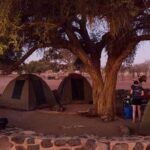
One consideration: this is true camping most nights, and the tour notes that your sleeping bag is not included, so plan for cold desert mornings and bring the right gear. If you hate sleeping outdoors, you’ll feel it every day.
In This Review
- Key highlights worth packing for
- From Windhoek check-in to Mount Etjo rhinos and camp sunset
- Etosha National Park waterholes: sunrise drives and one very busy night stop
- Otjikandero Himba Orphan Village and Palmwag: culture and desert elephants
- Skeleton Coast to Cape Cross: shipwrecks, seals, and salt-air camping
- Swakopmund free time and adrenaline options between dunes
- Sossusvlei day: Dune 45 sunrise and Deadvlei’s strange silence
- Namib Rand to Klein Aus: quieter desert trails and a sunset that feels earned
- Kolmanskop ghost town, Luderitz color, and wild horses near Aus
- Fish River Canyon viewpoints and Quiver Tree Forest stargazing
- Day 12: sunrise quiver trees and the long return to Windhoek
- Price and logistics: what $3,071.21 buys you in Namibia
- Who should book this Namibia camping safari?
- Should you book this 12-day classic Namibia camping safari?
- FAQ
- What time and where does the tour start in Windhoek?
- Is pickup offered, and how does the tour end?
- How many people are in the group?
- What camping gear is included, and what do I need to bring?
- Are meals included?
- Do I need to book or buy tickets separately?
Key highlights worth packing for
- Etosha’s floodlit waterhole at night: classic Namibia wildlife viewing with fewer empty hours.
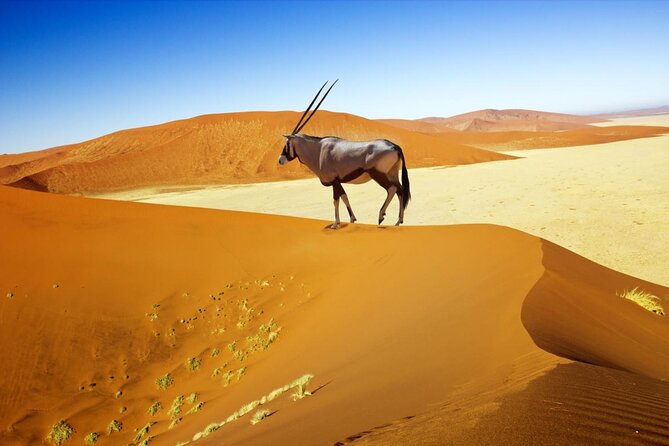
- Sunrise dune time at Dune 45: pre-dawn start to catch the dunes as the light changes.
- Cape Cross seal country: one of the world’s biggest Cape fur seal breeding colonies.
- Kolmanskop ghost town: a diamond boom town turned abandoned, with surprising remnants.
- Small group size (max 10): easier conversations, quicker setup, and a more human pace.
- Guides who run the show well: strong emphasis on on-the-ground leadership and even open-fire meals.
From Windhoek check-in to Mount Etjo rhinos and camp sunset
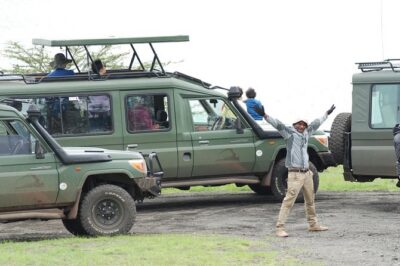
Most days start early, and Day 1 is no exception. You meet at Chameleon Safaris on Ferry Street in Windhoek for a short pre-departure talk. Then you’re off, with a simple rhythm: drive, brief stop, then camp time.
The first stop at Okahandja Mbangura Woodcarvers Craft Market is practical and fun. It’s a real place where woodcarvers from across Namibia sell their work, so you can browse and do some light haggling while supporting local makers. Even if you don’t buy, it’s a good way to get your bearings before the safari switches into wildlife mode.
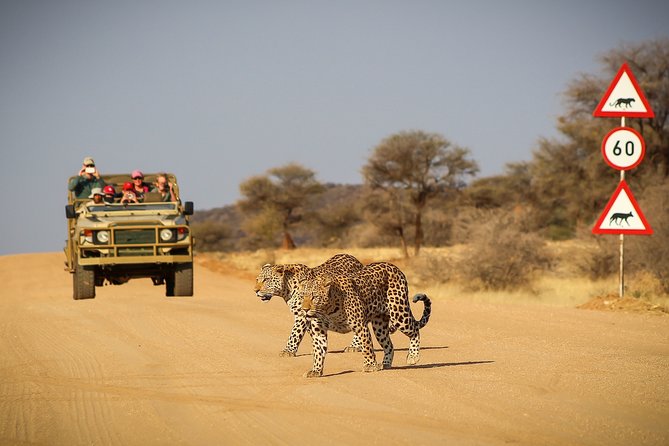
Then comes Mount Etjo Game Reserve, tied to conservation work and focused on supporting Namibia’s black and white rhinos. The afternoon activity on the reserve is a game drive aimed at spotting those rhinos connected to the Mount Etjo Rhino Trust. Even if you don’t get a perfect view of every animal, you’ll get what matters: time in rhino country, with a guide who knows how to read the landscape for movement and behavior. You also end the day with a Namibian sunset, the kind that makes a camp stop feel like a payoff, not a pause.
You can also read our reviews of more tours and experiences in Windhoek.
Etosha National Park waterholes: sunrise drives and one very busy night stop
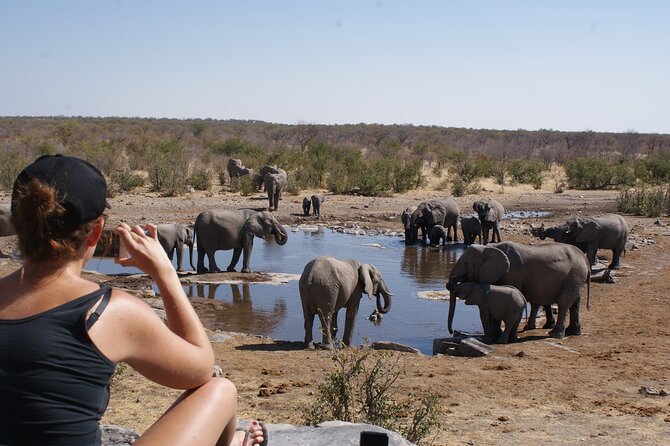
Etosha is the main wildlife engine of this trip, and the timing makes a difference. After breakfast and a quick supply stop at Otjiwarongo, you enter Etosha and head straight into game viewing. The big idea here is waterholes: in Etosha, many animals funnel into the same places, which makes the viewing steady instead of random.
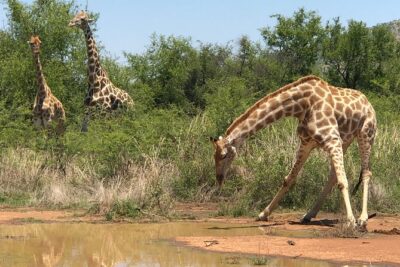
At Okaukuejo, you set up camp and get both an afternoon game drive and access to one of Etosha’s famous experiences: the floodlit waterhole. This is wildlife viewing at night with lights on the water, so you’re not squinting through darkness hoping something happens. You can often spot rhino, elephant, giraffe, lion, and hyena around the waterhole area. When dinner is cooking, that nighttime viewing slot is the sort of “just one more hour” moment that turns into your favorite memory.
Day 3 adds the Etosha-style rhythm you want if you’re serious about predators. You start at sunrise and do more waterhole-to-waterhole driving. A nice touch: breakfast at a fenced picnic spot inside the park. Then you head to the Etosha Pan, the large saline area where the setting feels unlike anything else in southern Africa. You’ll even get time to get out and experience the “saline desert” feeling before continuing your game drive.
By the time you’re heading back toward Halali and Okaukuejo, you’ve had that crucial mix: day drives, early drives, and structured camp time that keeps you rested enough to stay alert.
Otjikandero Himba Orphan Village and Palmwag: culture and desert elephants
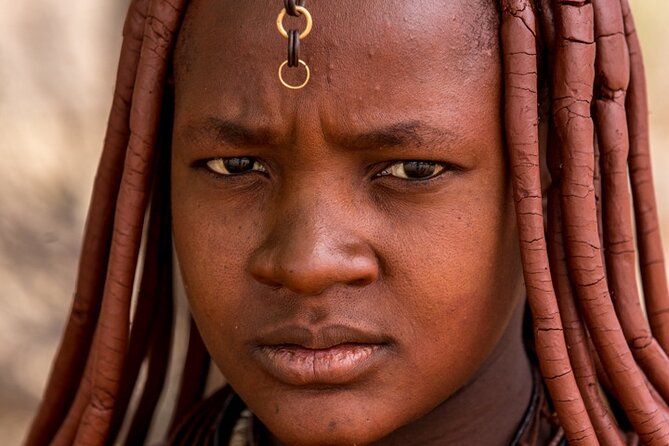
After leaving Etosha, the trip slows down in a good way on Day 4 with a cultural visit. You stop at Otjikandero Himba Orphan Village, and the tour is guided around the village so you can understand Himba customs and day-to-day life. It’s also framed as an exchange: you learn about their culture, and you share a little of your own. For me, that “guided with context” element matters. It keeps the visit from feeling like a quick photo moment.
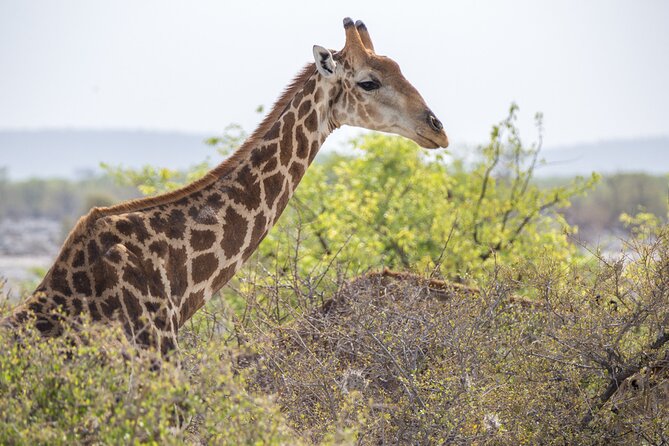
Then you move on to Palmwag, where you set up camp at a campsite designed for this kind of desert wildlife viewing. The big focus is desert elephants. These aren’t zoo elephants. You’ll often feel like you’re reading the environment as much as watching the animals, because everything is dust, distance, and soft movement against darker shrubs. You also eat dinner prepared by the guide over an open fire, which fits the Palmwag vibe perfectly. The day ends with relaxed time to scan the area for wildlife, plus a classic Namibia sunset.
Skeleton Coast to Cape Cross: shipwrecks, seals, and salt-air camping
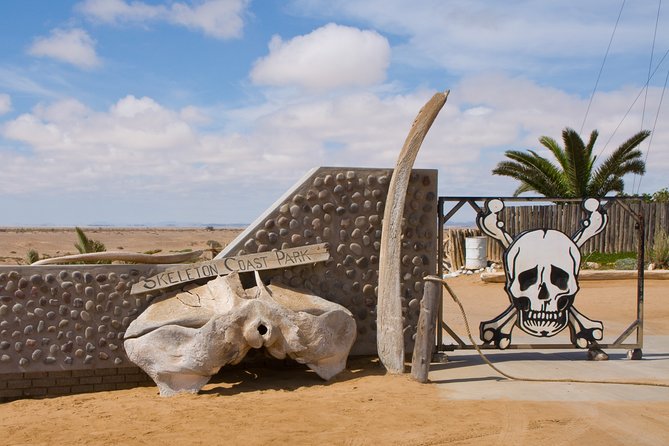
Day 5 takes you west toward the Atlantic. You drive through Skeleton Coast National Park and finally reach Cape Cross. This is the coast where nature doesn’t feel gentle: the coastline is hostile, and it’s known for shipwrecks tied to fog, currents, and rough seas.
You’ll camp at Cape Cross with time to settle in before dinner. In the afternoon, there’s a short walk on the beach, and for those who are up for it, a dip in the Atlantic is possible. Even if you skip the swim, just standing there and noticing how wind and weather control everything is part of the experience.
Day 6 keeps the coastal theme but sharpens the wildlife: you visit the Cape Cross Seal Reserve, famous for one of the world’s largest Cape fur seal breeding colonies. The tour notes that during breeding season (November–December) you can see 200,000+ seals. That’s not a typo kind of number. It also means the reserve can be intense in smell and noise. If you’re sensitive, wear what you need and keep your expectations realistic.
You also stop at the Zeila Shipwreck, one of the Skeleton Coast shipwrecks, described as a more recent victim (2007). It’s a strange kind of history: not polished, not museum-perfect, just time, rust, and coastline.
Swakopmund free time and adrenaline options between dunes
After the seal reserve and shipwreck stop, you reach Swakopmund early afternoon. This is your practical break from camping: you have time to explore the town on foot, and you can also choose optional activities (the tour lists things like skydiving and quad biking). Dinner is at your own expense in Swakopmund, and your guide can help with recommendations or bookings.
Day 7 builds in flexibility. You leave Swakopmund at 11:30, which means you get a chance for a more relaxed morning or a late breakfast—rare comfort after a string of early wildlife days. If you want adrenaline, this is where optional experiences often happen: the tour specifically calls out sandboarding at speed and dune-field quad biking.
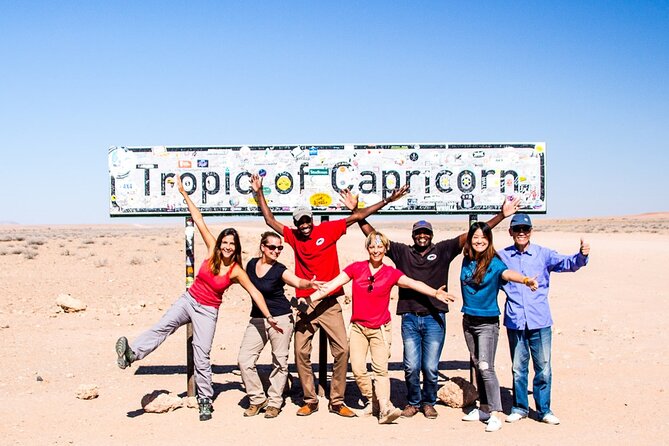
Then you head into the Namib Desert via the Kuiseb Pass, crossing the Tropic of Capricorn, with a short leg stretch stop in Solitaire. After that, you arrive at Sesriem camp late afternoon. There’s a pool and bar available, plus dinner cooked by your guide. It’s an ideal setup: you get a little recovery, then the next day hits the dunes hard.
Sossusvlei day: Dune 45 sunrise and Deadvlei’s strange silence
Day 8 is the kind of desert day that turns planning into magic. You leave pre-dawn, drive down an ancient river bed, and hit Dune 45 early enough to climb with the first light. The tour includes breakfast after your climb, so you’re not just chasing views—you’re also fueled for what comes next.
From there, you explore the Sossusvlei area on foot. This is where I like the pace: walking in the dunes area helps you notice texture and scale, not just stare from a distance. Then you move into Deadvlei, with its bleached clay pans and skeletal camel thorn trees framed by huge dunes. Even if you’ve seen photos before, walking around that cracked, pale ground changes the way you understand “stillness.”
After returning to Sesriem for lunch, you get a pool/siesta option during heat of the day. Later, you visit Sesriem Canyon, another quick-but-satisfying “don’t miss it” stop before you rest up for the next leg south.
Namib Rand to Klein Aus: quieter desert trails and a sunset that feels earned
Day 9 is about shifting from big “must-see” dunes into a calmer desert rhythm. You pack up and enjoy breakfast before driving south through the Namib Rand Nature Reserve. Your destination is Klein Aus in the Gondwana Sperrgebiet Rand Park area.
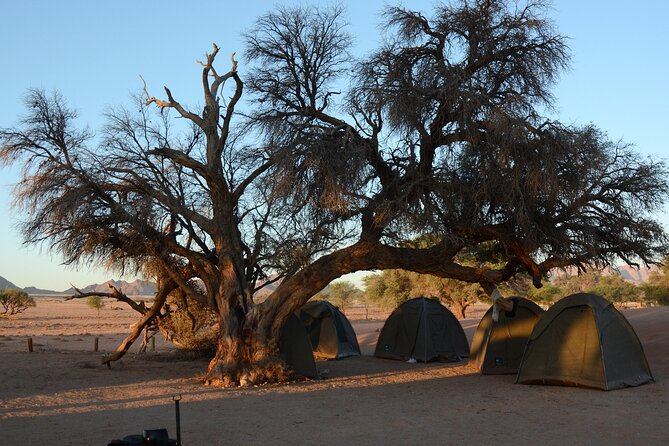
The camp setup here comes with afternoon freedom: you can enjoy one of the short hiking trails, then watch the sunset before dinner over an open fire. This is the day where you’re more likely to appreciate the small details—how the sky changes color, how long the shadows linger, how the stars look once the light fades—because you’re not constantly hustling to the next headline stop.
Kolmanskop ghost town, Luderitz color, and wild horses near Aus
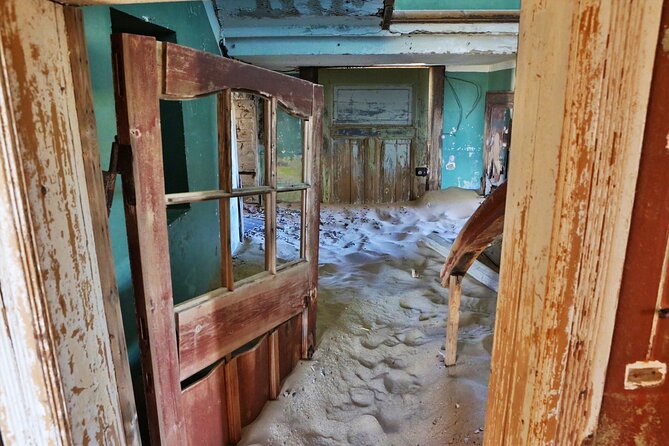
Day 10 brings you to the diamond-era story of Kolmanskop Ghost Town, located about 15 km outside Luderitz. The tour frames Kolmanskop during a diamond boom around 1910, when it became one of the richest towns in Africa, with things like the southern hemisphere’s first X-ray machine, a bowling alley, and luxury housing. When the boom ended, people left, and the town became a ghost town.
Here’s what I’d watch for: the contrast. It’s not “ruins” in the generic sense. It feels like a place built fast for wealth, then abandoned abruptly, leaving architecture and details to slow down into the desert/sea air.
After Kolmanskop, you head into Luderitz, known for colorful colonial-style buildings. You also stop at Dias Cross (1488) at Diaz Point, tying your drive to older European maritime history. Then it’s back toward Aus, where you keep your eyes open for the wild horses of the Namib Desert. The tour notes that their exact story is a mystery, but the survival in extreme conditions is what makes sightings special.
By late afternoon you return to camp at the Klein-Aus Vista Desert Horse Campsite, relax, and catch another sunset over the Aus Mountains.
Fish River Canyon viewpoints and Quiver Tree Forest stargazing
Day 11 is a move toward Namibia’s deep south. You pack up early and head east to the Fish River Canyon viewpoints. The key stop is at Hell’s Bend, described as overlooking the second largest canyon in the world. The canyon’s scale is hard to grasp until you’re looking down from the viewpoint and realizing how old and how forceful erosion can be.
After lunch, you continue to Quiver Tree Forest Rest Camp, your final base. The forest has about 250 quiver trees, with older ones estimated around 200–300 years. The quiver tree (kokerboom in Afrikaans) is noted as Namibia’s national tree, and the forest is declared a national monument in 1995.
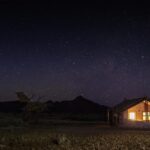
That last night is camping under the stars, with meals prepared by the guide. If you love astrophotography, the tour notes that permits for night photography are not included. Still, the setting is made for star-watching, and even a casual look will be more impressive than you expect.
Day 12: sunrise quiver trees and the long return to Windhoek
On your final morning, you explore the Quiver Tree at sunrise. Then you take the long drive back toward Windhoek with a picnic-style lunch en route. The route passes through small towns like Mariental and Rehoboth before you return to Windhoek late afternoon and are dropped back at your accommodation. The tour also says no flights are recommended on this day, so plan to stay grounded—literally—until you’re back in the city.
Price and logistics: what $3,071.21 buys you in Namibia
At about $3,071.21 per person for the 12-day safari, the value comes from three places: time, included basics, and group size.
First, the schedule gives you real sessions in the big-name areas: Etosha, Skeleton Coast/Cape Cross, Sossusvlei (including Dune 45 and Deadvlei), and the deep-south finale at Fish River Canyon and Quiver Tree Forest. You’re not bouncing around with constant half-day cuts.
Second, the essentials are included for the camping side: 10 nights camping + 1 night accommodation, camping equipment excluding sleeping bag, plus breakfasts, lunches, and dinners (breakfast 11 times, lunch 11 times, dinner 10 times). That matters because Namibia can get expensive when you’re buying food and basic supplies every day. Also, dinner being cooked by the guide over an open fire is part of the included camp experience, not an extra.
Third, the group stays small with a maximum of 10 travelers. In practical terms, that makes driving days smoother and helps you bond with your guide. In the feedback you’re likely to find after booking, Tulimo and Gregory come up as excellent guides, and the cooking gets praised too. That’s not just “nice” to hear. It usually means the trip runs on time, camp gets set up properly, and you don’t lose precious daylight to avoidable confusion.
Your cost extras are clear: drinks (including mineral water, soft drinks, alcohol) are not included, and sleeping bag is not included. You’ll also cover dinner at your own expense in Swakopmund.
Who should book this Namibia camping safari?
I’d book it if you want a classic Namibia highlights route with a practical pace: wildlife first, culture in the middle, desert dunes that actually get sunrise light, then dramatic canyons and starry nights.
It’s a good fit for you if:
- you’re happy with moderate physical fitness and some early starts
- you like camping and don’t need a different bed every night
- you want to see both wildlife parks and cultural moments
It might not be the best match if:
- you hate camping and cold mornings
- you’re expecting lots of hotel comfort
- you don’t want to manage a sleeping bag you must bring
Should you book this 12-day classic Namibia camping safari?
If you want Namibia in one trip and you like the idea of sunrise drives, seal-colony chaos, dune climbs, and big-sky nights, this is a strong choice. The value is in the included meals, camp setup, and the way the route hits major regions without wasting the day.
Just be honest with yourself about camping. Bring a real sleeping bag, expect long drives between sections, and you’ll get the best version of this safari: a small-group adventure with wildlife time, culture, and desert views that stay with you after you leave.
FAQ
What time and where does the tour start in Windhoek?
The tour meets at Chameleon Safaris on Ferry Street in Windhoek, with a start time of 7:00 am.
Is pickup offered, and how does the tour end?
Pickup is offered, and the tour ends back at the meeting point in Windhoek (at Chameleon Safaris). On the final travel day, you’re dropped off at your accommodation in Windhoek.
How many people are in the group?
The group size is limited to a maximum of 10 travelers.
What camping gear is included, and what do I need to bring?
Camping equipment is included excluding the sleeping bag. You’ll need to bring your own sleeping bag. Drinks are also not included.
Are meals included?
Yes. The tour includes breakfast (11), lunch (11), and dinner (10). Drinks are not included, including mineral water, soft drinks, and alcohol.
Do I need to book or buy tickets separately?
The tour includes mobile ticket access. Many stops are listed with admission included or free, but specific optional activities in places like Swakopmund may be at your own expense.