REVIEW · WINDHOEK
6-Day Dunes and Wildlife Accommodated Safari from Windhoek
Book on Viator →Operated by Chameleon Safaris · Bookable on Viator
Six days and Namibia’s big wildlife moments. This route pairs Etosha National Park game drives with Sossusvlei sunrise dune country, so you get both classic predator safari and Namib Desert drama. The main trade-off is the pace: it’s a group tour with a set timetable, so you won’t have much flexibility to linger where you’d like.
I like how the tour mixes real wildlife with places that feel different on every day, from the floodlit waterholes of Etosha to the salty Etosha pan region and then the stark Skeleton Coast shipwreck stop. You also get a proper driver-guide setup: a custom air-conditioned safari vehicle with a pop-up roof, plus pickup and drop-off within Windhoek city limits.
One more consideration: you’ll spend long stretches in the vehicle on travel days, and there’s a moderate fitness expectation (especially on the dune climbs and early starts). If you want lots of downtime, this may feel busy.
In This Review
- Key highlights worth centering on
- How this Windhoek safari covers Namibia’s greatest hits (without a self-drive headache)
- Etosha National Park: from Halali waterholes to Etosha Pan flamingo country
- Day 1: Arrive at Andresson Gate, then settle into Halali for evening wildlife
- Day 2: Predators in the morning, Etosha Pan by mid-day, then Okaukuejo
- A long travel day that still earns its place: Zeila Shipwreck and Damaraland encounters
- Damaraland people and roadside markets
- The Zeila Shipwreck: Skeleton Coast mood shift
- Swakopmund evening reset
- Swakopmund to the Namib dunes: Capricorn sign, pass viewpoints, and a camp with sunset views
- Optional coastal dune time and sandboarding setup
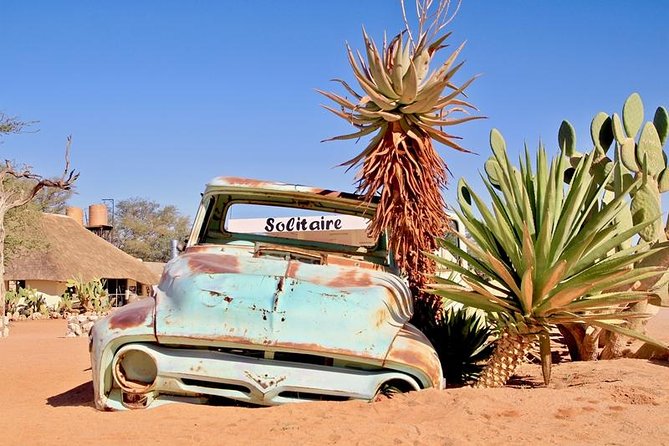
- Tropic of Capricorn, then passes to Solitaire
- Desert Camp: late-afternoon arrival and a short sunset walk
- Sossusvlei at sunrise: Deadvlei, Big Daddy, Dune 45, and Sesriem Canyon
- Deadvlei and Sossusvlei’s dawn color show
- Big Daddy dune: the climb for height and views
- Sossusvlei, then Dune 45 and Sesriem Canyon
- Solitaire cheetah conservation: learning from the conservation side
- Solitaire Roadhouse Lodge morning, then cheetah tracking education
- Back to Windhoek
- Price and what you’re really paying for
- Who this safari suits best (and who should reconsider)
- Should you book the 6-Day Dunes and Wildlife safari from Windhoek?
- FAQ
- How long is the Dunes and Wildlife safari?
- How many people are on the tour?
- Is pickup and drop-off included from Windhoek?
- What kind of accommodation is included?
- Are meals included?
- What type of vehicle is used?
- Do you visit Sossusvlei and Deadvlei?
- Is tap water provided?
Key highlights worth centering on
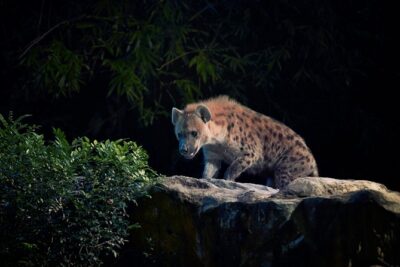
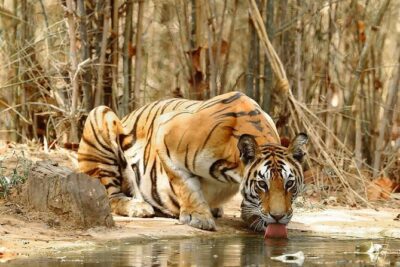
- Etosha’s predator-focused game drives with strong chances during morning and afternoon sessions
- Okaukuejo and its waterhole routine, including the chance to climb the tower
- Zeila Shipwreck on the Skeleton Coast, a dramatic change of pace from safari plains
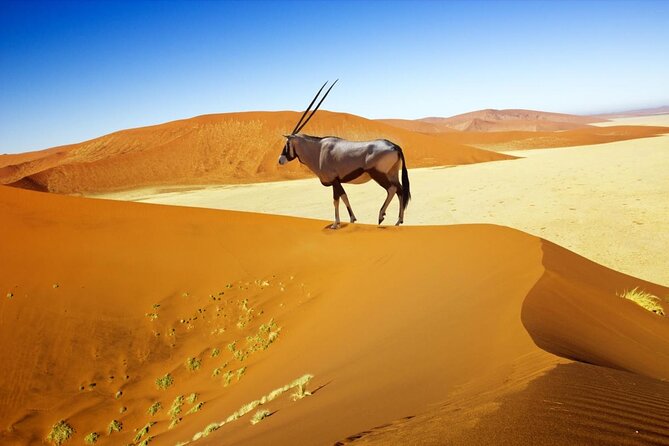
- Sossusvlei at dawn for the full Deadvlei-to-dunes color show
- A one-hour cheetah conservation experience in Solitaire, plus hands-on learning time
How this Windhoek safari covers Namibia’s greatest hits (without a self-drive headache)
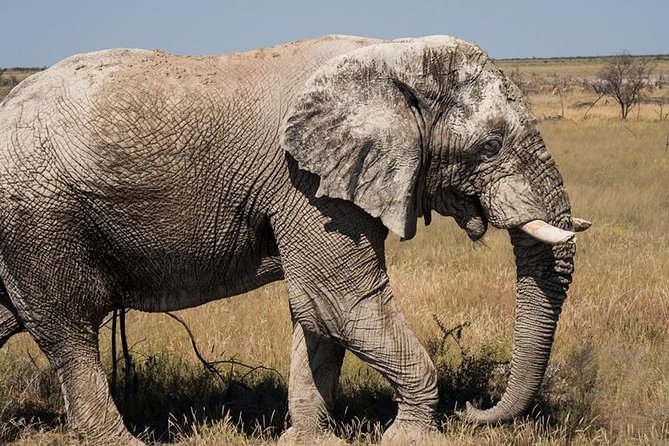
This is a smart “greatest hits” route because it stacks Namibia’s top natural areas in a tight 6 days: Etosha first, then Damaraland and the Skeleton Coast, then the Swakopmund-to-desert transition, and finally Sossusvlei and the Namib dunes.
The value comes from the way the logistics are handled for you. You’re not just paying for a seat in a truck. You’re paying for a driver-guide, the right vehicle for wildlife viewing, and guided timing that matters a lot in Etosha (morning predator light) and Sossusvlei (sunrise, then the walk and shuttle into the Sossusvlei region).
You also get five nights of twin-share rooms with en-suite bathrooms, and the meals are planned in (breakfast, lunch, and most dinners). That means less decision-making each day.
You can also read our reviews of more tours and experiences in Windhoek.
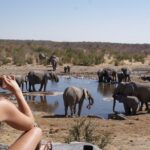
Etosha National Park: from Halali waterholes to Etosha Pan flamingo country
Etosha is the backbone of this safari. Two days are built around multiple game drives, with a clear rhythm: you get your early wildlife searching time, then later driving sessions that can turn up different species and behaviors as light changes.
Day 1: Arrive at Andresson Gate, then settle into Halali for evening wildlife
You’ll reach Andresson Gate around 2pm and spend the afternoon game driving onward to Halali. That timing is useful because you get daylight for wildlife spotting and then you’re in position for the evening routine.
At Halali, the tour strongly emphasizes the floodlit waterhole time before and after dinner. That’s practical advice, because dusk is often where animals show up more confidently, and the waterhole lighting makes wildlife viewing easier even when visibility drops.
If you’re hoping for action every minute, remember Etosha can be unpredictable. Some days are all about waiting and scanning. That’s not a flaw; it’s just how the park works.
Day 2: Predators in the morning, Etosha Pan by mid-day, then Okaukuejo
Day 2 starts with morning game drives focused on predators. The best part of this structure is that you’re not stuck in one mode. You’re running wildlife search drives first, then moving into the park’s famous pan area.
A mid-morning drive takes you to the Etosha Pan itself, and this is where the salt pan’s role becomes obvious: it can act as a massive breeding ground and draws birds like flamingos when conditions line up. Even when bird activity isn’t dramatic in the moment, the pan gives you a feel for what makes Etosha unique.
Later, you stop at Okaukuejo waterhole. This includes time to stretch your legs and climb the tower, plus you can buy a cold drink and use the facilities. That tower climb is small effort with big payback: it helps you see the broader waterhole area from above before wildlife changes position.
Then you exit the park just before sunset and head on to Etosha Village for the evening.
A long travel day that still earns its place: Zeila Shipwreck and Damaraland encounters
Day 3 is where the tour shifts from Etosha’s open wildlife focus to Namibia’s human-and-geography side. It’s a long ride, but it’s not just “drive time.” It’s built around a couple of meaningful stop types.
Damaraland people and roadside markets
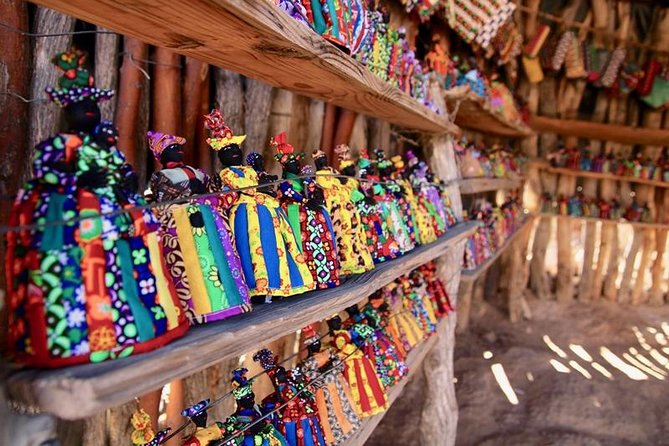
As you travel through rural Namibia, the route passes through Damaraland and offers time to meet people from the Herero, Damara, and Himba communities. The key value here is that you can support small markets and learn in a real-life setting, not a staged show.
Keep expectations grounded. This is not a theme park experience. It’s a community interaction that benefits from your respect and curiosity.
The Zeila Shipwreck: Skeleton Coast mood shift
After a roadside lunch, you continue toward the coast for a stop at the Zeila Shipwreck. The Skeleton Coast is a mood change from the inland parks: it’s harsher, quieter, and the ocean-wreck history gives the shoreline a weight you can feel.
If you love photos, this is one of those places where your camera will likely stay busy. The contrast between ocean, weathered wreck remnants, and surrounding emptiness makes for strong images.
Swakopmund evening reset
You arrive in Swakopmund, check in, and get time to explore the town on foot before dinner. This is a good break day mentally, because you’re not just stacking desert and park time. You get a real settlement experience for a night.
Swakopmund to the Namib dunes: Capricorn sign, pass viewpoints, and a camp with sunset views
Day 4 keeps you moving, but it’s timed to include scenic stops rather than just transportation.
Optional coastal dune time and sandboarding setup
After breakfast, the tour offers an optional activity. The highlight provided here is sandboarding in the coastal dune fields. You’re picked up from your guesthouse or hotel in Swakopmund at 11:15, with a brief pre-departure talk before departing.
If you’re not into sandboarding, don’t worry. You’ll still travel the route through classic pass country and reach camp with enough daylight for a sunset-walk moment later.
Tropic of Capricorn, then passes to Solitaire
You stop at the Tropic of Capricorn sign, then travel via Kuiseb Pass and Gaub Pass toward Solitaire and your camp.
Even if you don’t care about “signs,” this day is about the shifting terrain. Pass routes often mean quick changes in what you see out the window, and that keeps the long day from becoming monotonous.
Desert Camp: late-afternoon arrival and a short sunset walk
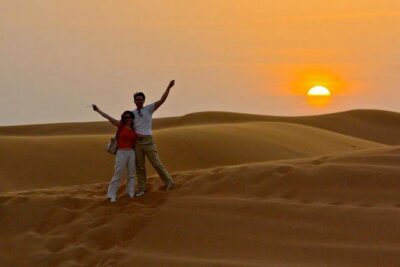
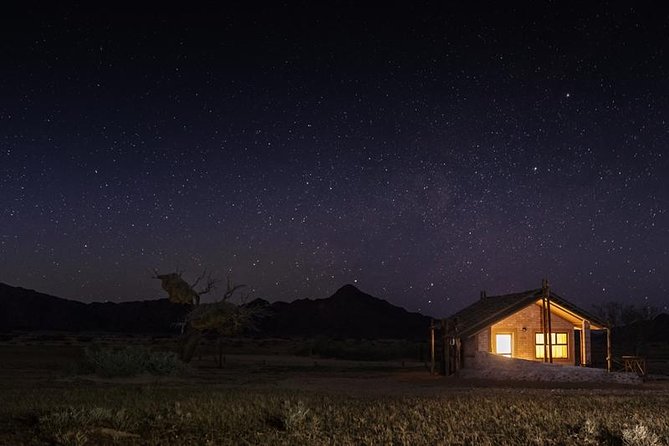
You reach camp late afternoon. You’ll have time to relax and enjoy views before taking a short walk to a sunset viewpoint over the Naukluft Mountain range.
This is a nice pacing tool: you’re not doing a full-day hike, but you are getting one of the most photogenic parts of a day (golden light on distant ridges) without overworking your body.
Sossusvlei at sunrise: Deadvlei, Big Daddy, Dune 45, and Sesriem Canyon
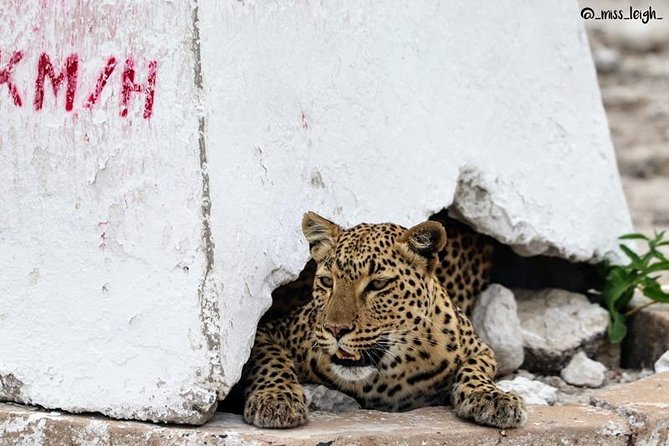
If you care about iconic desert scenery, this is the day. The tour starts at dawn from camp, aims for the park gate in time for sunrise, then uses a mix of driving, shuttle transfer, and walking so you can cover key spots efficiently.
Deadvlei and Sossusvlei’s dawn color show
From camp, you drive to the gate and continue into the Sossusvlei area via an ancient river bed. Then you park around 55km and take a 4×4 shuttle into the Sossusvlei region.
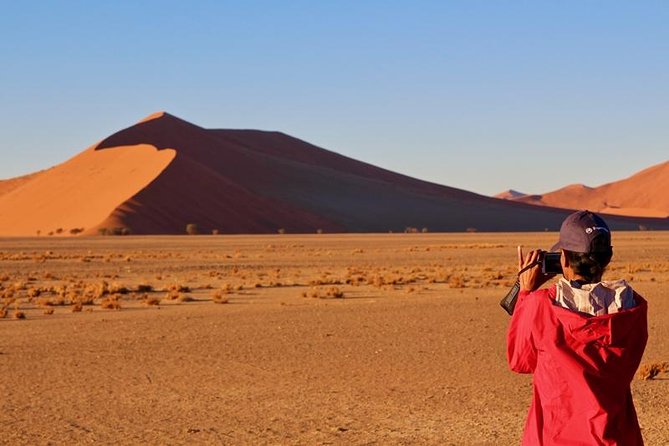
You explore on foot, then move on to Dead Vlei: bleached cracked clay with skeletal camel thorn trees, backed by huge dune forms that shift in color as the sun rises higher. This contrast is the magic trick of the day. It’s not just “sand dunes.” It’s textures and shapes.
You’ll also notice this is one of the most time-pressured parts of the schedule. You need to be ready for an early start and to move at a steady pace during walks.
Big Daddy dune: the climb for height and views
If you’ve got energy, you can climb Big Daddy Dune. The reward is a higher viewpoint over the Namib Desert. This is a good option for active travelers who like the payback of effort.
If climbing isn’t your thing, you can still enjoy the rest of the day’s stops and get plenty of viewpoints without summiting.
Sossusvlei, then Dune 45 and Sesriem Canyon
After Deadvlei, you head to Sossusvlei for additional walking and time for brunch. Then you stop at Dune 45 on the drive back for photos, followed by Sesriem Canyon, where you can climb down into the canyon area and appreciate the smaller but striking geology.
This is a strong combination because it spans the day’s biggest “poster” moments (sunrise dunes, Deadvlei) and then adds a grounded, rock-and-water-carved element with Sesriem Canyon.
Solitaire cheetah conservation: learning from the conservation side
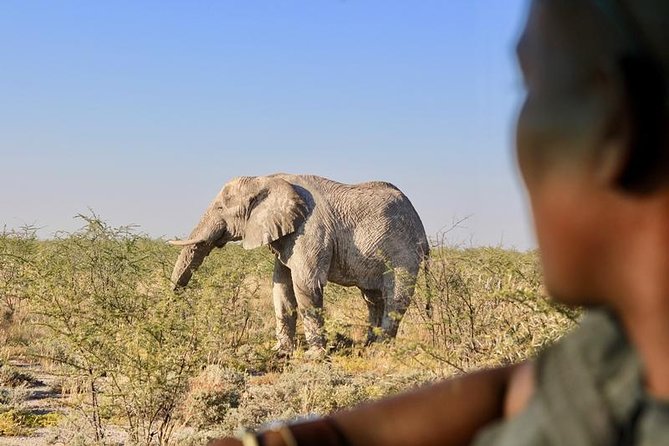
Day 6 focuses less on driving and more on education plus a final wildlife moment.
Solitaire Roadhouse Lodge morning, then cheetah tracking education
You start with an early breakfast before heading to Solitaire. Then you jump onto an open vehicle for the local conservation project visit.
This activity is built around cheetahs that are unable to be released for different reasons, which frames the experience honestly: it’s about long-term care and conservation work, not just chasing animals in the wild. You’ll spend about an hour learning and getting photos, with a guide-style explanation that helps connect what you see with why it matters.
Back to Windhoek
After that, you head back to the end point at the meeting location. It’s a nice finish because you’re ending with knowledge rather than another long park drive.
Price and what you’re really paying for
At $2,127.99 per person, this tour isn’t cheap, but it’s not just “a ride.” For your money, you get:
- Five nights in twin-share rooms with en-suite bathrooms
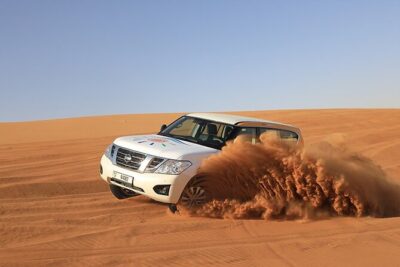
- A full set of core transport days using a custom air-conditioned safari vehicle with pop-up roof
- Professional English-speaking driver & guide
- Game drive time in Etosha including a full day and an afternoon segment, plus the Okaukuejo waterhole stop
- Meals built into the schedule (breakfasts, lunches, and dinners)
- Entry coverage for most activities and the Sossusvlei region day experience
- Two signature non-driving experiences: Himba Village (1 hour) and cheetah conservation (1 hour)
Where people often underestimate cost on a self-drive is time and “access.” Here, the timing (sunrise in Sossusvlei, Etosha drives, waterhole routines) is handled. And you don’t have to coordinate entry points, route pacing, and park logistics across multiple regions.
That said, if you’re hoping for total freedom, a fixed group schedule may feel like a compromise.
Who this safari suits best (and who should reconsider)
This is a great match if you want to see Namibia’s biggest natural sights in one concentrated trip and you’d rather not manage driving, park logistics, or sunrise timing yourself.
You’ll also like it if you’re a photography person who values early light and clearly defined stops like Deadvlei, Big Daddy, Dune 45, and Sesriem Canyon.
If you’re the kind of traveler who needs long unstructured time, or if you want to stop whenever you see something unusual, this might feel too scheduled. The group size is capped (up to 12), and that helps, but you still move on the program.
Lastly, the tour expects moderate physical fitness, mainly for the dune day and canyon walking.
Should you book the 6-Day Dunes and Wildlife safari from Windhoek?
I think you should book if your top priority is maximum Namibia impact without the stress of self-driving. This route does a strong job combining Etosha wildlife time, the Salt Pan birds-and-ecosystem angle, the dramatic Skeleton Coast Zeila Shipwreck contrast, and then the headline desert day at Sossusvlei/Deadvlei.
You should hold off if you hate early mornings, long vehicle days, or fixed schedules. That’s the price of fitting so many highlights into six days.
If you’re on the fence, decide based on one thing: do you want “organized access” to the big moments more than you want “staying flexible all day”?
FAQ
How long is the Dunes and Wildlife safari?
It’s a 6-day tour (approximately 6 days).
How many people are on the tour?
The maximum group size is 12 travelers.
Is pickup and drop-off included from Windhoek?
Yes, pickup and drop-off are included within Windhoek city limits, starting with a pre-departure meeting at Chameleon Safaris and pickup around 7:15.
What kind of accommodation is included?
You get 5 nights of accommodation in twin-share rooms with en-suite bathroom.
Are meals included?
Yes. Breakfast is included for 5 days, lunch for 5 days, and dinner for 4 days.
What type of vehicle is used?
Transport is in a custom built air-conditioned safari vehicle with a pop up roof.
Do you visit Sossusvlei and Deadvlei?
Yes. You’ll explore the Sossusvlei region, including Deadvlei, plus stops such as Sesriem Canyon and photo time at Dune 45.
Is tap water provided?
Tap water is included.