REVIEW · KATHMANDU
12-Day Nepal Adventure Trek with Jungle Safari
Book on Viator →Operated by Outfitter Himalaya Holidays P. Ltd · Bookable on Viator
Two weeks is enough for big Nepal.
This Kathmandu–Annapurna–Chitwan combo gives you three different kinds of Nepal in one trip: Buddhist landmarks in Kathmandu, Himalayan sunrise views from Poon Hill, and real wildlife time in Chitwan National Park.
I also like that the walking is structured for progress without feeling like a nonstop grind. A guide who stays on top of your pace (names you might hear include Raj, Amrit, Ramesh, or Saroj) makes the trek feel manageable, especially in the spots that are steeper.
One thing to plan for: some lodge stays are basic but clean, and there’s at least one day that can feel like a stair workout. Also, the sightseeing temple entry fees in Kathmandu are not included, so you’ll want to budget around $25 per person for those.
In This Review
- Key highlights to notice before you go
- Why this 12-day Nepal mix works so well
- Morning logistics: the 6:15 am start and how transfers feel
- Kathmandu’s four big sights, and what to budget for entries
- From Kathmandu to Pokhara: a scenic road day that sets up the trek
- Trek day one: the walk to Tikhedhunga (and why it sets your rhythm)
- Ghorepani and Ulleri: the Annapurna foothills build
- Poon Hill sunrise and the mountain view names to watch for
- Ghandruk and the easy-descend day that lets you breathe
- The last trekking day to Syauli Bazaar: downhill through rice fields
- Pokhara to Chitwan: the jump from mountains to jungle
- Chitwan jungle walking and safari time: what a full day delivers
- Food, lodges, and how hard this trek really is
- Price and value: $950 per person plus a few extras
- Should you book this Nepal Adventure Trek with Jungle Safari?
- FAQ
- FAQ
- What route does this 12-day tour follow?
- What’s included in the tour price?
- Are Kathmandu temple entrance fees included?
- Do I need trekking permits?
- What level of fitness do I need?
- How large is the group?
- When does the tour start and where is the meeting point?
- Is an airport representative pickup included?
- What is the cancellation window?
Key highlights to notice before you go
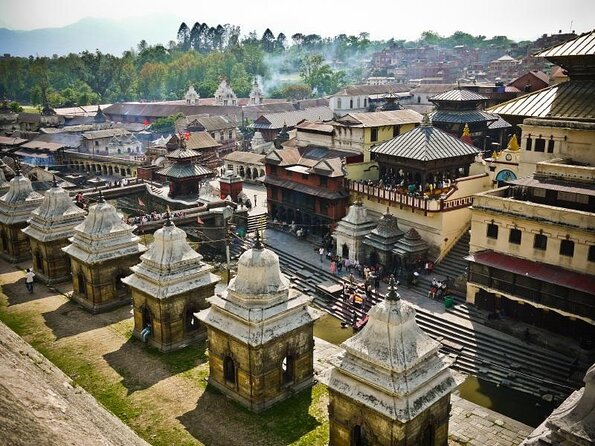
- Poon Hill sunrise at 3,232 meters with big-mountain views in the early morning light
- Chitwan jungle experiences that go beyond sitting in a vehicle, including jungle walking and safari time
- Small-group trekking capped at 14 travelers, which helps with pace and attention
- Permits handled: trekking permit and TIMS are included, so you’re not chasing paperwork mid-trip
- Guides with real support: in past departures, slower hikers have been accommodated with extra help
Why this 12-day Nepal mix works so well
This tour hits the three classic Nepal hits in a smart order. You start with Kathmandu to get your bearings fast, then move into the Annapurna foothills for a rewarding, scenic trek, and finish with Chitwan to trade mountain air for jungle sounds.
What makes it feel like good value is the balance. You get multiple sightseeing blocks, several trekking days with genuine altitude changes, and a full wildlife-focused stretch—without trying to cram in every single stop in Nepal. If you only have about two weeks, this approach gives you variety without turning your trip into a logistics contest.
It also keeps the pace realistic. The trekking days are not described as technical climbing, but you do need steady legs and some stamina for repeated uphill segments.
You can also read our reviews of more tours and experiences in Kathmandu.

Morning logistics: the 6:15 am start and how transfers feel
The day begins early. You meet at Tribhuvan Airport in Kathmandu at 6:15 am, and you’ll be picked up and transferred to your hotel, with an airport representative on standby.
That early meeting time matters because it sets the tone. You’re not spending your first morning hunting for transport or figuring out where to stand. Instead, the first day is set up for you to get comfortable with your guide and your group quickly.
For the bigger movement days—Kathmandu to Pokhara and Pokhara to Chitwan—this tour uses tourist bus transport. It’s the kind of practical solution that keeps the trip moving without adding extra flight planning.
Kathmandu’s four big sights, and what to budget for entries
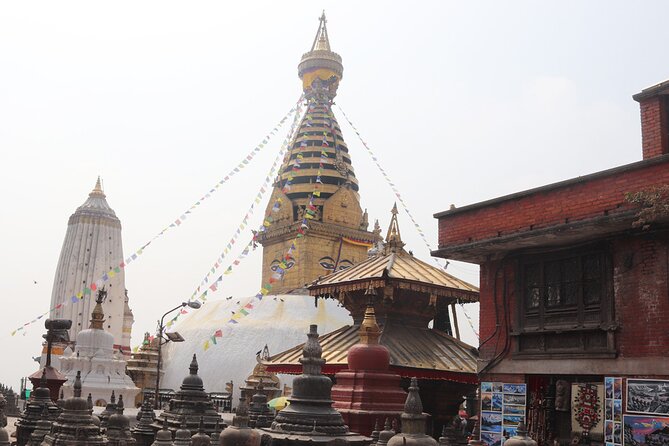
Kathmandu day is built around four major spiritual and historic stops, each with its own feel.
You’ll visit:
- Swaymbhunath (Monkey Temple) for sweeping views and Buddhist energy (ticket not included)
- Kathmandu Durbar Square (ticket not included)
- Boudhanath Stupa (ticket not included)
- Pashupatinath Temple (ticket not included)
The important practical detail: entrance fees for these sights are not included. The tour lists a total of $25 per person for Swayambhunath and all the sightseeing places on that day.
If you want to spend your energy on photos and wandering rather than money math, budget that $25 up front. It also prevents that annoying moment halfway through the day when you realize you need to scramble for cash.
From Kathmandu to Pokhara: a scenic road day that sets up the trek
On the road to Pokhara, you travel along the Trisuli and Marsyangdi River, which makes the long bus drive feel less like transit and more like a moving introduction to Nepal’s terrain.
When you arrive in Pokhara, you’re not thrown into strenuous hiking immediately. The next stage starts with a trek portion from Nayapul toward Tikhedhunga, which is a gentle way to wake up the legs after a travel day.
This matters because the first trek day is where people either feel confident or stressed. Having a structured start helps you build momentum.
Trek day one: the walk to Tikhedhunga (and why it sets your rhythm)
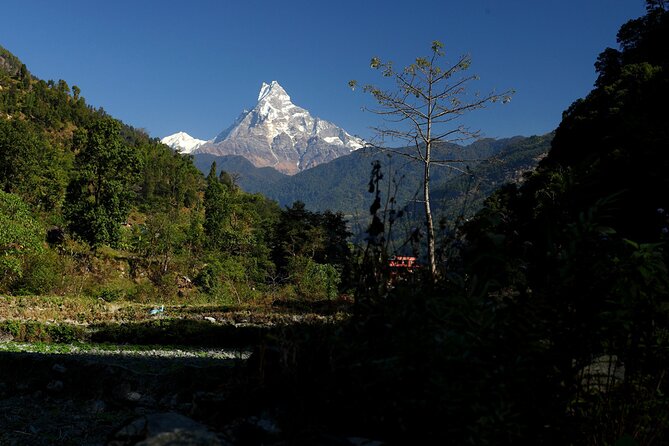
The trek begins after breakfast, with a drive to Nayapul (about 1.5 hours). From there you hike toward Tikhedhunga at 1,577 meters, passing through Birethanti.
This is not described as a high-altitude summit day. The value here is rhythm: you settle into trail walking, learn the pace that works for you, and get used to the way lodge-to-lodge trekking works in Nepal.
If you’re a little nervous about stamina, this early day is your chance to dial things in. Go slower than you think you need. Nepal trails will still get your heart going, but smart pacing keeps it enjoyable.
Ghorepani and Ulleri: the Annapurna foothills build
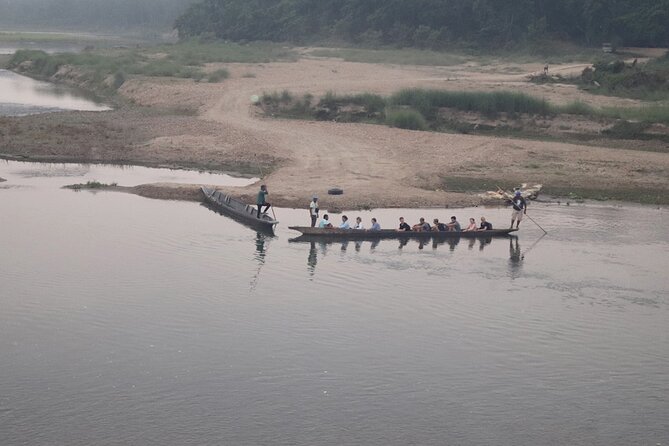
The next trek day takes you up to Ghorepani, and it starts with a steep push for about the first two hours. After that, the trail becomes gentler, passing through Ulleri (2,070 meters) and Banthanti villages.
This section is a classic Annapurna pattern: short sections that feel intense, followed by stretches that let you recover and enjoy the scenery. Even if you don’t consider yourself a serious hiker, this structure is easier to manage than constant steepness.
Also, Ghorepani is a base area that sets you up for the Poon Hill morning. In other words, it’s not just another overnight. It’s the launching point for the payoff view.
Poon Hill sunrise and the mountain view names to watch for
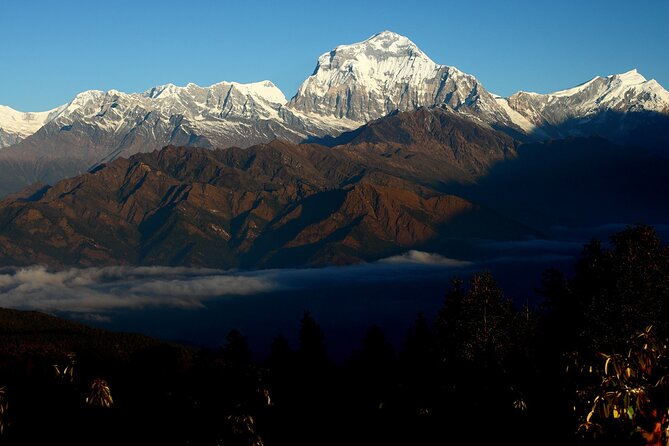
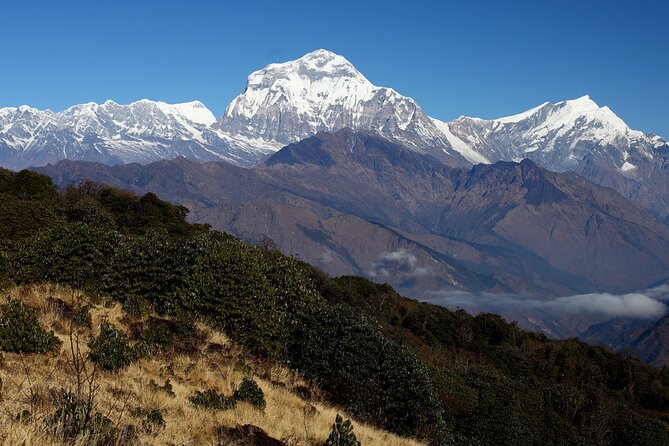
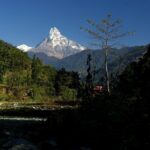
Poon Hill is the big moment. You hike toward a viewpoint at 3,232 meters (the tour emphasizes the sunrise experience), and from there you’re set up to see major peaks including:
- Dhaulagiri
- Tukuche Peak
- Nilgiri
- Varaha Shikhar
- Annapurna I and Annapurna South
That list is helpful because it tells you what kind of visibility you’re hoping for. You’re not just chasing a vague view—this is a sunrise-focused viewpoint with specific targets.
After the sunrise and trekking segment, the day continues on to Tadapani. So you get both: the early-morning reward and then time to keep walking toward the next village.
One practical note: one day is described as an intense elevation gain with a big stair push (people talk about around 3,000 stairs in one go). If that kind of effort worries you, plan for it mentally and take short breaks. The goal is consistency, not heroics.
Ghandruk and the easy-descend day that lets you breathe
On the way to Ghandruk, the trek shifts into easier terrain. The tour describes gentler descending through dense forests with rhododendron and oak, plus lots of birdlife.
This is a key recovery-style day. You’ll still be walking, but it’s the kind of trail where your eyes can roam while your legs settle back into a comfortable rhythm.
Ghandruk is also where the trek starts to feel more like village Nepal. You’re moving through communities rather than only moving through wilderness.
The last trekking day to Syauli Bazaar: downhill through rice fields
Your final trek day is described as easy, with a gentle descent through rice fields and local villages, ending around Syauli Bazaar.
This is where you’ll appreciate the pacing of the whole trip. By the time you reach the end of the Annapurna portion, your body has had enough time to adapt to walking days. Downhill is still effort on the knees, but it’s usually easier on the mind because you’re not staring at the next big climb.
Then you return to Pokhara, where the tour shifts gears again—from trek life to lounge-and-reset life before the jungle phase.
Pokhara to Chitwan: the jump from mountains to jungle
The drive to Chitwan is about six hours, and once you arrive you check into a jungle lodge. That’s a real change of pace: from Himalayan mornings to humid, bird-and-insect afternoons.
You also get a Tharu village tour early in the Chitwan portion. Tharu culture is part of the experience, not just a side note, and it helps you understand the human story tied to the park.
If you like travel that connects wildlife to culture, this is a good way to do it. You’re not only looking for animals; you’re also seeing how local communities live nearby.
Chitwan jungle walking and safari time: what a full day delivers
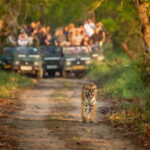
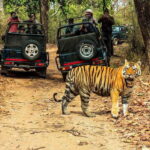
Chitwan day includes a full schedule of jungle activities, such as:
- Jungle walking
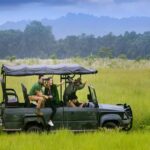
- Jungle safari across streams and into the jungles
- Tharu cultural stick dance
This combination is the practical sweet spot. A safari alone can feel like you’re watching from a distance, while jungle walking brings you closer to what’s happening in the habitat. Together, they give you more chances to spot wildlife and more ways to feel the environment.
In the morning of the next day, you add bird watching. Then you drive back to Kathmandu and check into a hotel.
That sequence matters because bird watching is often strongest in the cooler, calmer morning hours, and it’s the kind of activity you can fit in without exhausting your legs after the jungle days.
Food, lodges, and how hard this trek really is
The tour includes breakfast most days, plus some lunches and dinners. That means you’re not stuck each day trying to hunt for meals while you’re also managing energy levels.
For lodging, expect basic but clean accommodations during the trek. That’s not luxury camping, but it also tends to be practical: clean enough to sleep well, simple enough to keep the trip affordable.
And food quality is a plus. The experience notes mention plentiful meals, which is exactly what you want on trekking days when hunger can sneak up fast.
In terms of fitness, the tour asks for moderate physical fitness. You don’t have to be an endurance athlete, but you should be comfortable walking daily and handling some steeper sections. The stair-like effort on at least one day is a real consideration.
If you need extra support, the trip mentions a trekking porter option (not included in the price if you decide you want one). Past experiences also highlight that guides can help slower trekkers stay on track with extra support, so it’s worth flagging your pace needs early.
Price and value: $950 per person plus a few extras
At $950 per person, the value comes from what you’re not having to arrange yourself. The trip includes:
- 11 nights of accommodation
- Airport transfers
- A local guide throughout
- Tourist bus transport for the main legs
- Trekking permit and TIMS
- Meals: breakfast (11), lunch (7), dinner (6)
The extras you should expect:
- Nepal entry visa fee (not included)
- Travel insurance (not included)
- Alcohol and non-specified drinks/snacks like chocolate (not included)
- Tips for guide, porter, and driver (not included)
- Entrance fees in Kathmandu (listed as $25 per person for the sightseeing day)
- Porter service, if you want one (not included)
Here’s the value logic: you’re paying for organization in three countries-of-feeling—temples, trails, and jungle. When guides and permits are included, you avoid time-wasting tasks, and you can focus on being present.
Is it the cheapest way to do Nepal? Probably not. But it’s priced like a balanced, structured adventure where the big pieces are handled.
Should you book this Nepal Adventure Trek with Jungle Safari?
Book it if you want a two-week Nepal trip that covers a lot of ground without feeling chaotic. I think this works best when you’re excited by sunrise viewpoints, comfortable walking several hours on most trek days, and you want a real jungle safari that includes more than just one vehicle ride.
Skip it (or choose something gentler) if you know you hate stairs and long uphill effort. The trek includes at least one day described as an intense elevation gain with a large stair count, and that can be tough if you’re dealing with knee issues or you simply dislike that type of strain.
One last smart move: decide early whether you’ll want a porter. If you’re close to the line on stamina, having that option can turn the trek from stressful into satisfying.
If that sounds like you, this is a strong pick. It’s a well-rounded Nepal package with guides and planning that aim to keep the trip moving and your experience intact.
FAQ
FAQ
What route does this 12-day tour follow?
It starts in Kathmandu, then travels to Pokhara, treks in the Annapurna region (including Ghorepani and Poon Hill), continues trekking to Syauli Bazaar and back to Pokhara, and finally drives to Chitwan National Park before returning to Kathmandu.
What’s included in the tour price?
The price includes 11 nights of accommodation, airport transfers, a local guide throughout, tourist bus transport (Kathmandu–Pokhara–Chitwan–Kathmandu), trekking permit and TIMS, and meals: breakfast (11), lunch (7), and dinner (6).
Are Kathmandu temple entrance fees included?
No. The tour lists entrance fee costs for Swayambhunath Temple and the sightseeing places on the Kathmandu day as $25.00 per person.
Do I need trekking permits?
Yes, and the tour states that trekking permit and TIMS permit are included.
What level of fitness do I need?
The tour indicates travelers should have a moderate physical fitness level.
How large is the group?
The tour has a maximum of 14 travelers.
When does the tour start and where is the meeting point?
It starts at Tribhuvan Airport in Kathmandu, with a start time of 6:15 am.
Is an airport representative pickup included?
Yes. You are met and greeted by an airport representative who transfers you to your hotel.
What is the cancellation window?
You can cancel up to 3 days in advance of the experience for a full refund. If you cancel less than 3 full days before the start time, the amount paid is not refunded.