REVIEW · KATHMANDU
From Kathmandu/Pokhara: 2, 3, or 4-Day Chitwan Jungle Safari
Book on GetYourGuide →Operated by Cordial Trek Pvt. Ltd. · Bookable on GetYourGuide
Real wildlife time starts in Chitwan.
You’ll get from Kathmandu or Pokhara to Chitwan National Park with guided safari days built around jeep sightings, a river canoe, and a Tharu sunset show—so the trip feels like more than just a long drive to the forest.
I especially like the chance to mix Jungle Tower wilderness (on the 4-day plan) with classic wildlife-viewing methods like jeep safaris and quiet bird watching. Second, the itinerary packs real off-road time plus conservation stops, including the Elephant Conservation Center and the Gharial Conservation Center, so you understand what you’re seeing.
One drawback to plan for: wildlife sightings are never guaranteed, and the route can shift based on weather and animal movements, so you’ll want patience and flexibility.
In This Review
- Key things you should know before you go
- Chitwan Jungle Safari: what you’re really paying for
- Getting there from Kathmandu or Pokhara (and why it matters)
- Day-by-day: how the 2-day, 3-day, and 4-day plans feel
- Day 1 (all options): lunch, Tharu village, and a sunset show
- Day 2 (2-day option): birding early, then head back
- Day 2 (3- and 4-day options): jeep safari plus two conservation centers
- Day 3 (3-day option): birding again, then straight back
- Day 3-4 (4-day option): deeper jeep safari and the jungle tower night
- Wildlife viewing reality check: how to get the best odds
- Jeep safari: your best shot for the big moments
- Canoe ride and jungle walk: where you notice everything else
- Bird watching: small animals, big atmosphere
- Tharu sunset culture: a welcome pause from wildlife chasing
- The conservation centers: useful stops, not just errands
- Price and inclusions: does $35 really work?
- What to bring (and what not to do)
- Who should book this Chitwan safari—and who might rethink it
- Should you book this Chitwan jungle safari?
- FAQ
- How long is the Chitwan jungle safari?
- Where does the tour start and end?
- What wildlife can I expect to see?
- Do I get a jeep safari inside the park?
- Is there a canoe ride?
- What cultural experience is included?
- What accommodation is provided?
- Are meals included?
- What should I bring, and what is not allowed?
Key things you should know before you go
- Two transfer styles depending on duration: 2-day uses private car; 3- and 4-day use bus transfers from Kathmandu or Pokhara.
- Jeep safari depth changes with the days you choose: the 3- and 4-day plans include a jeep ride deep in the buffer area, and the 4-day adds an extra jeep safari in an unexplored area.
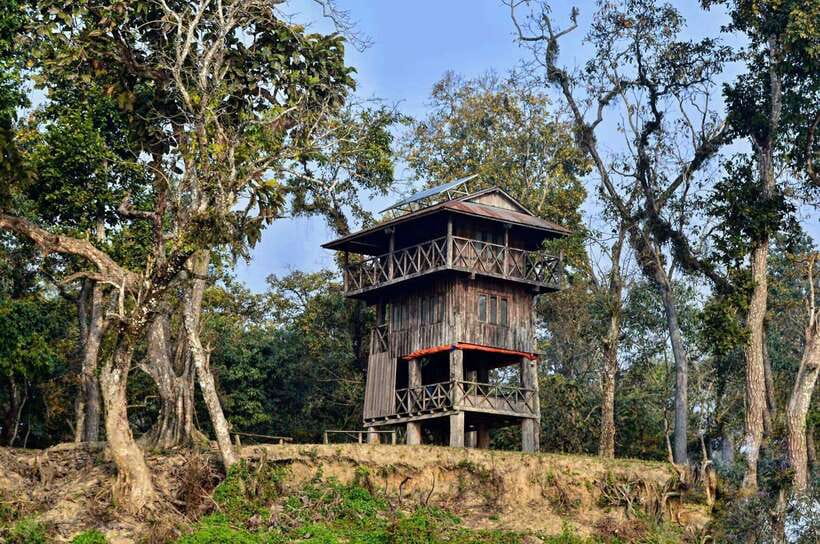
- Night in the forest is real on 4 days: you’ll sleep in a jungle tower inside the forest, not just another hotel room.
- Tharu culture isn’t an afterthought: sunset plus an ethnic Tharu cultural program is built into your first evening.
- Conservation visits are included: Elephant Conservation Center + Gharial Conservation Center help you connect wildlife with protection.
- Small group + English/Hindi guidance: you’ll travel with a guide (nature guide) and get explanations in English or Hindi.
Chitwan Jungle Safari: what you’re really paying for
This tour is good value when you want a structured wildlife experience without the stress of stitching it together yourself. For about $35 per person, you’re not just buying park access. You’re getting transport from your base city, a guide, hotel or tower lodging, park-area activities, and multiple meals across the 2-, 3-, or 4-day options.
The big practical win is the variety of wildlife-viewing styles. A jeep ride is fast and gives you reach. A canoe ride and jungle walk slow you down and help you notice the smaller action—birds, movement in the banks, and the kind of details that happen before a major animal appears.
You also get a reality check. The Elephant Conservation Center and Gharial Conservation Center aren’t the headline, but they add context. When you see animals, you’ll understand why this area needs protection and how conservation work fits into the safari.
You can also read our reviews of more tours and experiences in Kathmandu.

Getting there from Kathmandu or Pokhara (and why it matters)
Chitwan is not next door. You’ll do a 5-6 hour transfer from Kathmandu or Pokhara as part of the 3- or 4-day plans. On the 2-day plan, you switch to a private car transfer, which can mean you reach the park area earlier and get into activities sooner.
That timing affects how “full” your first day feels. If you’re starting with a long bus ride, your schedule will be front-loaded with lunch and then cultural time before you head into safari mode. If you choose the 2-day plan with private car, you’ll likely start your wildlife day with more daylight.
If you’re sensitive to motion sickness, consider bringing a basic remedy. The route is long enough that it can matter. Also note the tour is designed around pickup and drop in your Kathmandu or Pokhara area, and you should wait about 5 minutes at your pickup point.
Day-by-day: how the 2-day, 3-day, and 4-day plans feel
Chitwan is one of those places where the schedule matters almost as much as the animals. Here’s how the day structure changes depending on duration.
Day 1 (all options): lunch, Tharu village, and a sunset show
Your first day starts with the transfer into Chitwan. After arriving, you’ll have lunch and then visit the ethnic Tharu village area. This isn’t just a quick photo stop—there’s time to tour and get a feel for local culture connected to the landscape.
In the evening, you’ll catch the sunset and watch a Tharu cultural program. This is a strong “welcome to Chitwan” moment because it slows down the day. You’re surrounded by forest, and then you see how local communities live alongside it.
Dinner comes later, and you’ll sleep at Hotel Rainforest (or similar) in Chitwan.
Day 2 (2-day option): birding early, then head back
If you choose 2 days, Day 2 starts with bird watching before breakfast. Then you return to Kathmandu or Pokhara in the morning. The 2-day version is best when you want a taste of Chitwan without committing to multiple nights.
The tradeoff is obvious: you get less time in the park than the longer options. If your top goal is maximum wildlife time, you’ll probably feel the schedule more tightly.
Day 2 (3- and 4-day options): jeep safari plus two conservation centers
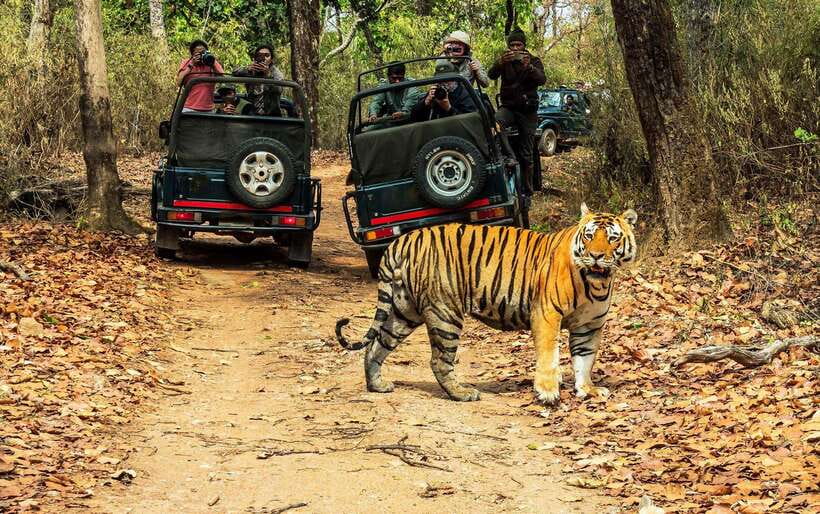
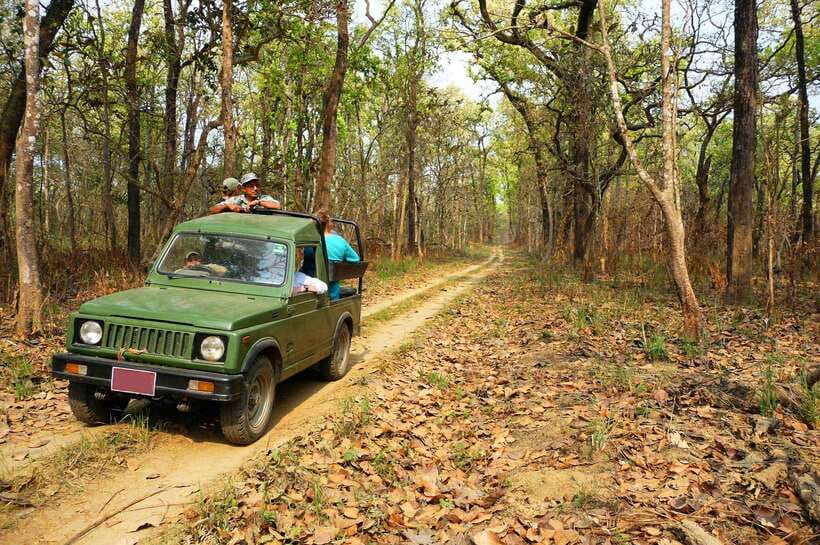
For the 3- and 4-day plans, Day 2 is where the wildlife viewing leans heavier. After breakfast, you’ll go on a jeep ride deep into the buffer area of the forest. This buffer-zone focus is practical: it’s designed for safari access and wildlife viewing.
Your guide will be watching for major species, and the tour explicitly includes chances to spot:
- Royal Bengal Tiger
- One-horned Rhino
- Wild elephants
- Other animals and birds
Lunch happens during the day, then you’ll visit the Elephant Conservation Center and Gharial Conservation Center before returning for dinner and sleep at your hotel.
Day 3 (3-day option): birding again, then straight back
On the 3-day option, Day 3 starts with bird watching before breakfast too. Then it’s a quick move to head back to Kathmandu or Pokhara in the morning.
This is a good middle ground: you get a full wildlife day in the park on Day 2, then you add an early birding window before you leave.
Day 3-4 (4-day option): deeper jeep safari and the jungle tower night
The 4-day option gives you the most time to work with real animal rhythms. After breakfast on Day 3, you’ll do a jeep safari inside an unexplored area of Chitwan National Park. Then you’ll have lunch and travel to a jungle tower inside the forest.
This is the make-it-or-break-it feature: you’ll spend the night in the Jungle Tower for a more “in-the-wild” feel than a typical hotel stay. Dinner is served at the tower area.
Day 4 ends with bird watching before breakfast, then the 5-6 hour ride back to Kathmandu or Pokhara.
Wildlife viewing reality check: how to get the best odds
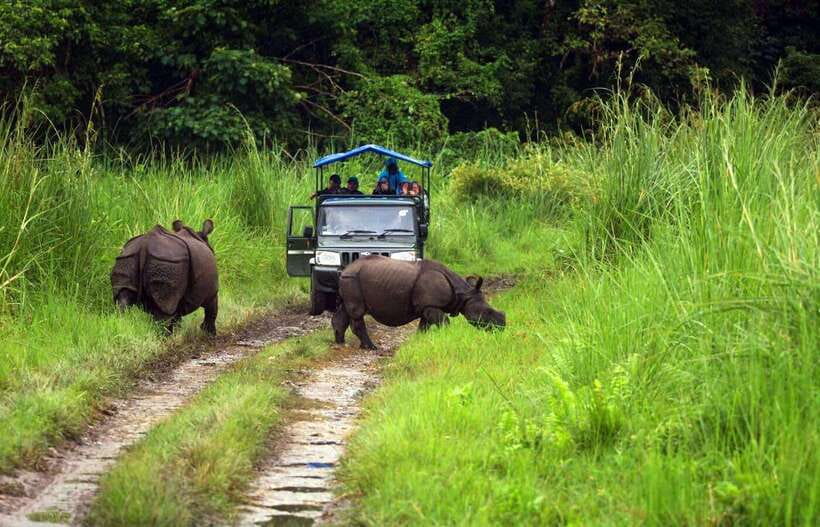
Let’s be honest. Tigers and rhinos are not guaranteed on any day. Still, this tour is built around smart repetition and multiple viewing styles, which improves your odds.
Jeep safari: your best shot for the big moments
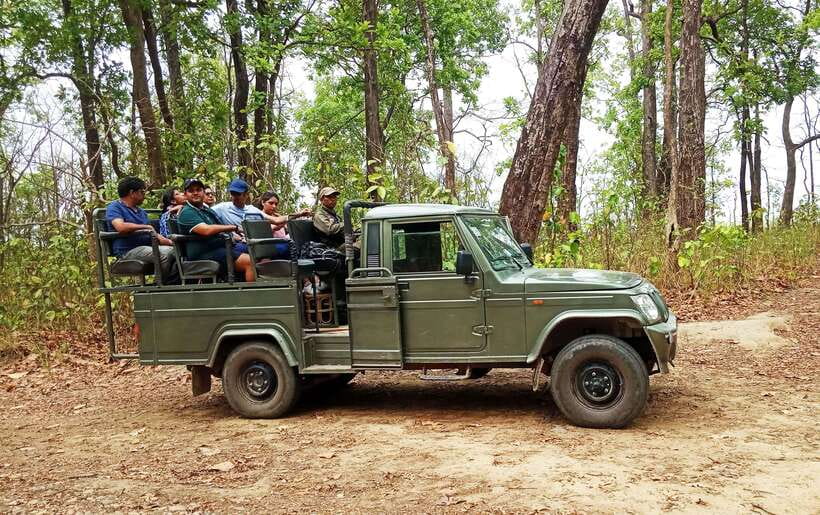
The jeep safari is your main event. On the 3- and 4-day plans, it’s described as deep into the buffer area, and on the 4-day plan you get an extra jeep safari in an unexplored area. More time in the right zones usually means more opportunities to see animals where they naturally move.
When you’re out there, think less about one-hit sightings and more about reading the terrain with your guide. Your nature guide matters here—this is where local knowledge helps you spot tracks, movement, and feeding signs.
Canoe ride and jungle walk: where you notice everything else
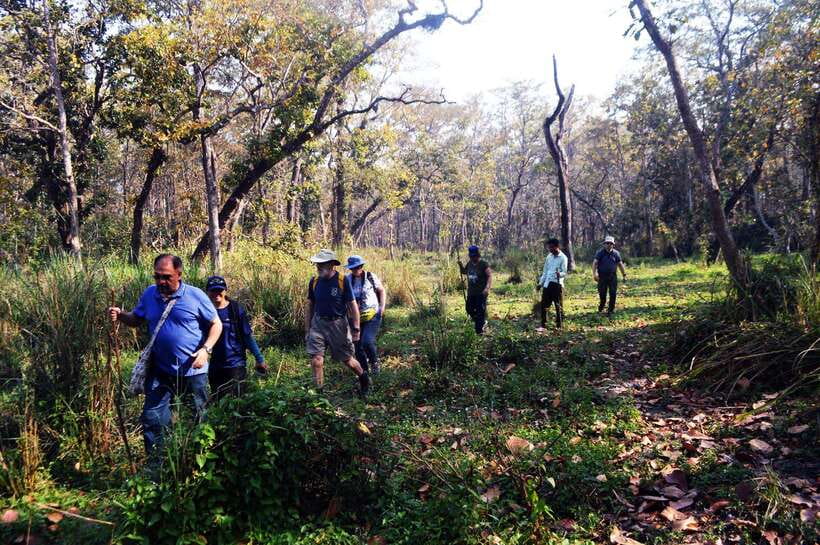
This tour includes a canoe ride on the Rapti River and a jungle walk. Those slow activities are not filler. They’re how you catch the “almost invisible” wildlife moments—birds, small animals near the water edge, and changes in wind and light that can precede larger sightings.
If you’re tempted to rush those parts because you’re chasing a tiger photo, try the opposite. Slow viewing can be the most memorable.
Bird watching: small animals, big atmosphere
Bird watching happens early on Day 2 (2-day plan) and Day 2/Day 3/Day 4 depending on option length. Early bird time is practical in a place like Chitwan, where animals and birds can be more active in cooler hours. Bring binoculars if you have them. The tour specifically suggests them.
Tharu sunset culture: a welcome pause from wildlife chasing
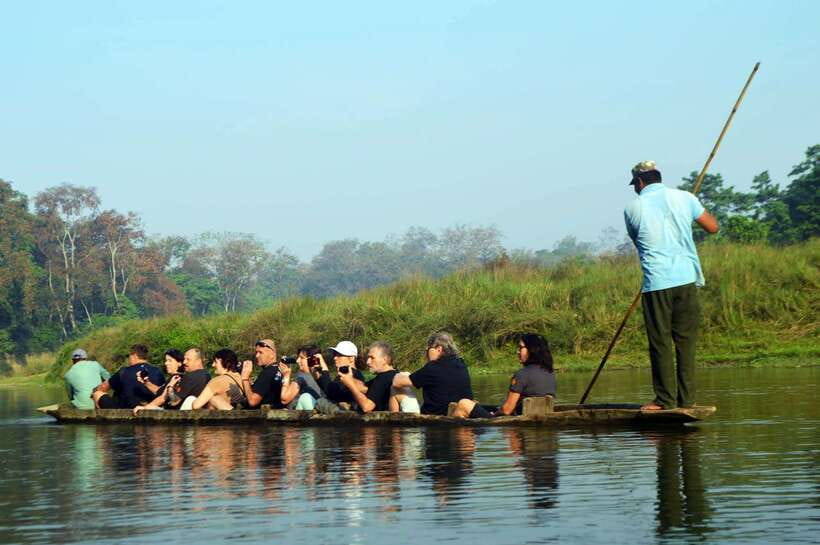
One reason this tour feels more grounded than a basic wildlife run is the cultural stop in your first day. You tour an ethnic Tharu village, then later you watch a Tharu cultural program at sunset.
Why I like this: it gives context. Chitwan is not just a park on a map. It’s a lived-in region, and the Tharu program helps you understand why the forest and local life are connected.
It also changes the pace when wildlife viewing can be unpredictable. Even if you don’t see your “target” animal immediately, you still leave Day 1 with something meaningful.
The conservation centers: useful stops, not just errands
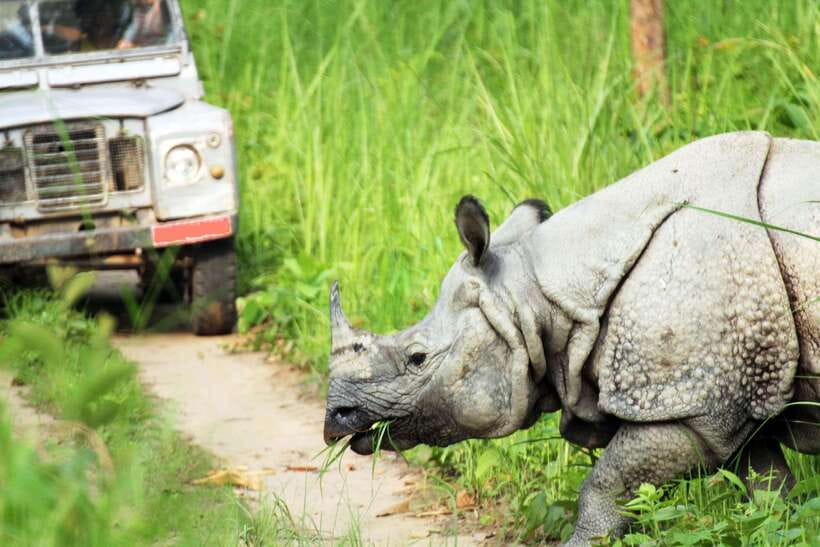
You’ll visit two centers:
- Elephant Conservation Center
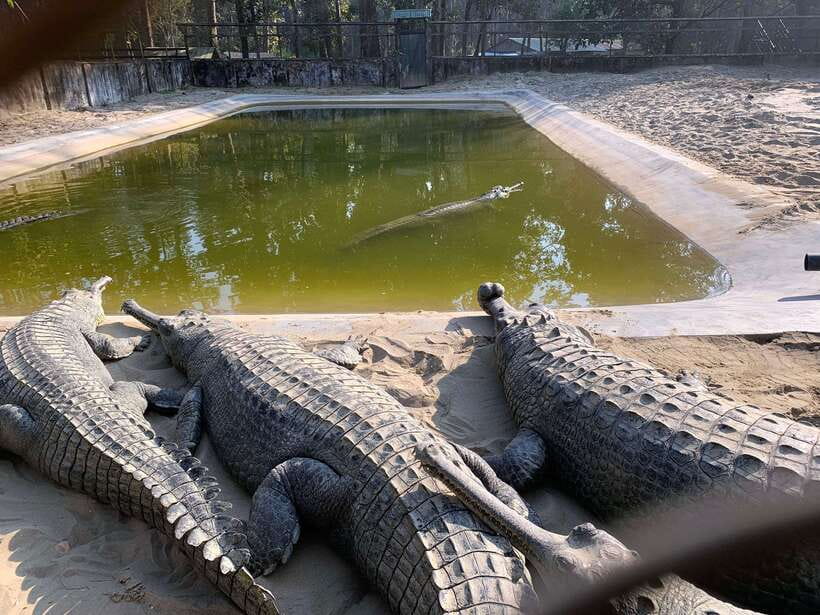
- Gharial Conservation Center
This matters because it adds meaning to the animals you might see during safaris. Gharial (a type of crocodilian) is not the kind of animal you’d casually spot without the right knowledge. Seeing the conservation work helps you understand what the park is trying to protect and why certain species get focused attention.
If wildlife is your interest, these stops will feel like a straight line connecting science and protection to the safari experience.
Price and inclusions: does $35 really work?
At $35 per person, this is priced like a budget safari. The reason it can still make sense is that the package includes a lot of what usually costs extra:
- Hotel pickup and drop in Kathmandu or Pokhara
- Transport (bus for 3/4-day; private car for 2-day)
- A nature guide
- Jeep safari inside the park system
- Canoe ride on the Rapti River
- Jungle walk
- Tharu cultural program
- Elephant and Gharial conservation center visits
- Meals (counts vary by duration)
- Tea and coffee
- 1 to 3 nights of accommodation (hotel, and on the 4-day option, a jungle tower)
What’s not included is also clear:
- Alcoholic and cold beverages
- Bottled water
So if you want to stay comfortable, plan on buying your own water and budget for any drinks you want beyond tea and coffee.
One more practical note: the tour includes English and Hindi support from a live guide. If language matters to you for explanations, this is a real plus.
What to bring (and what not to do)
Chitwan is a warm, active environment, and the tour gives a solid packing list:
- Comfortable shoes
- Hat
- Camera
- Sunscreen
- Water
- Insect repellent
- Binoculars
Also respect the rules: no littering and no feeding animals. It sounds basic, but these are the kinds of rules that protect wildlife and keep the safari experience credible.
Dress for comfort and long hours outdoors. You’ll be in the field enough that you want breathable layers and footwear you trust on uneven ground.
Who should book this Chitwan safari—and who might rethink it
This tour makes sense if you want:
- A guided wildlife experience that’s organized around real safari time
- A mix of jeep, river canoe, jungle walk, and early bird watching
- A cultural stop that isn’t just a roadside show
- Optional “extra wilderness” if you choose the 4-day plan with the jungle tower
You might consider another option if:
- You hate unpredictable schedules, because the itinerary can change with weather and animal movements
- You’re only interested in one single thing (like guaranteed tiger spotting). That’s not how wildlife works.
Should you book this Chitwan jungle safari?
I’d book it if you want a practical, value-focused way to see Chitwan’s best-known wildlife and scenery methods—jeep, canoe, and early bird time—without building the trip yourself. The 4-day version is the clear choice if you care about the night in the jungle tower and want more time for deeper safari areas.
Choose the 2-day plan if your schedule is tight and you still want the core experience. Pick the 3-day plan if you want a balanced mix: a full wildlife day plus a final morning birding window before heading back.
If you’re going, pack for the field, bring your binoculars, and keep expectations flexible. In a place like Chitwan, the best day is the day you stay alert and go with the forest’s pace.
FAQ
How long is the Chitwan jungle safari?
The tour runs for 2, 3, or 4 days, depending on the option you choose.
Where does the tour start and end?
It operates from Kathmandu or Pokhara. Your pickup and drop-off are included in your Kathmandu or Pokhara area. If your drop location differs, you need to message the organizer.
What wildlife can I expect to see?
The itinerary includes chances to spot Royal Bengal Tiger and one-horned rhino, plus wild elephants and other animals.
Do I get a jeep safari inside the park?
Yes. Jeep safari is included, and the itinerary describes jeep rides deep into the buffer area (and an extra unexplored area jeep safari on the 4-day plan).
Is there a canoe ride?
Yes. A canoe ride on the Rapti River is included, along with a jungle walk.
What cultural experience is included?
You’ll have a Tharu cultural program in the evening, plus a tour around an ethnic Tharu village.
What accommodation is provided?
You’ll stay overnight in a hotel in Chitwan (Hotel Rainforest or similar). If you choose the 4-day option, you also spend a night in a jungle tower inside the forest.
Are meals included?
Yes. Meals are included based on the duration (breakfasts, lunches, and dinners vary by 2-, 3-, or 4-day options). Tea and coffee are also included.
What should I bring, and what is not allowed?
Bring comfortable shoes, a hat, camera, sunscreen, water, insect repellent, and binoculars. Littering and feeding animals are not allowed.