REVIEW · MPUMALANGA
Full Day Safari Shared Tour at Kruger National Park
Book on Viator →Operated by Africa Spear Kruger Park Safaris · Bookable on Viator
Kruger safari days start early for a reason. This full-day shared tour runs about 10 hours and focuses on getting you onto the animals’ timeline fast—before the heat and traffic change the game.
I really like that you’re in open safari vehicles with radios, so your guide can stay in sync with other vehicles searching for action. I also like the human side: the guides are qualified nature guides who live in the Kruger area and guide in fluent English.
One thing to consider: the price you see does not include the Kruger conservation/entrance fee of R 486.00 (ZAR) per person, so your total cost will be a bit higher once you add that.
In This Review
- Key Highlights You’ll Notice Right Away
- The 5:30am Start and the Real Meaning of a Full-Day Safari
- Open Safari Vehicles: Better Viewing, Better Photos, More Feeling
- Stop 1 Inside Kruger National Park: How the Day Typically Flows
- The Guide Factor: Qualified Local Experts With Fluent English
- Group Safari Logistics: Max 20 Travelers, Shared But Not Smushed
- What You Pay: $132.75 Plus the Kruger Conservation Fee
- Timing Tips for a 5:30am Departure (So You Don’t Waste the Day)
- Who This Kruger Shared Safari Fits Best
- Should You Book This Full-Day Shared Safari?
- FAQ
- What time does the safari start?
- How long is the full-day safari?
- What is the price, and is it all-inclusive?
- Is pickup included?
- What’s included in the tour package?
- How many people are on the shared tour?
- Is there a mobile ticket?
- Can I cancel and get a refund?
Key Highlights You’ll Notice Right Away
- 5:30am departure: You get moving while the park is still quiet and wildlife tends to be more active.
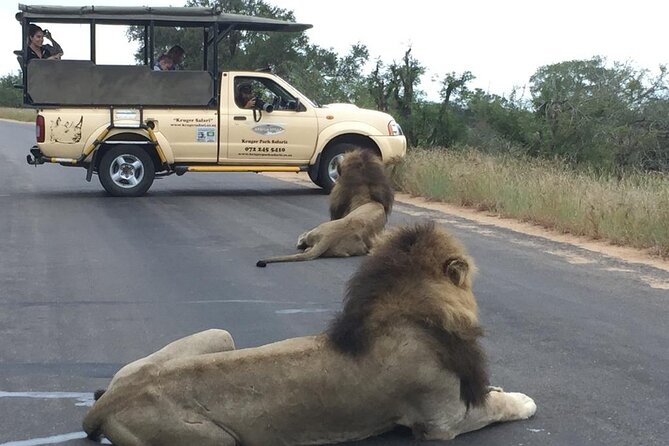
- Open vehicles for game viewing: Better angles for spotting—and easier photo framing when animals are close.
- VHF radio coordination: Your guide can react to radio reports and reposition quickly.
- Guides rooted in Kruger: You may be guided by pros like Abrie Coetzer, Brandon, Johan, Cole, or Lisa Schweppes.
- Small shared group: Max 20 travelers, which helps the day feel organized instead of chaotic.
- Bottled water included: A small but welcome comfort on a long morning-to-afternoon stretch.
The 5:30am Start and the Real Meaning of a Full-Day Safari
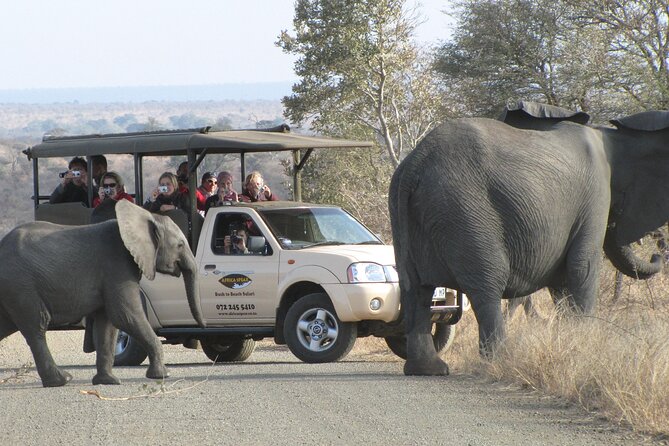
A Kruger day that starts at 5:30am changes everything. Early means cooler temperatures, clearer viewing, and less time lost to the day’s growing heat. It also means your guide can spend the morning where sightings tend to be strongest, then keep searching through the day instead of arriving after the best window has already passed.
This tour is built as a true full day—about 10 hours—and that matters because wildlife isn’t scheduled. You need time to wait out slow stretches and reposition when something good comes up. A shared format also helps here: you’re not stuck riding around in a car by yourself with no local search support.
Also keep your expectations practical: Kruger is wild. Even with great driving and a sharp guide, you’re still dealing with animals that move on their own schedule. The upside is that this kind of day gives you enough hours to turn chances into sightings.
You can also read our reviews of more tours and experiences in Mpumalanga.
Open Safari Vehicles: Better Viewing, Better Photos, More Feeling
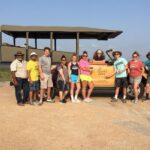
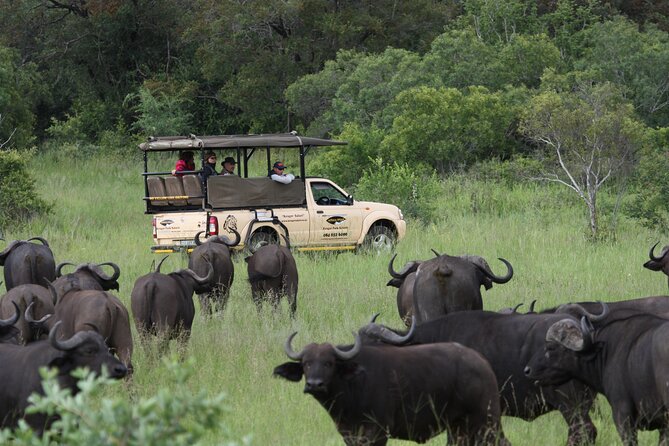
The heart of the experience is the safari vehicle. You’ll ride in open safari vehicles designed for game viewing and photographic opportunities. Open sides help you see farther, notice movement quicker, and frame shots without the glass reflections that can ruin photos.
Comfort matters too, and the vehicles used here are specifically described as modified for passenger comfort and viewing. That means you’re not just sitting in a raw, uncomfortable chassis for hours—you’re positioned to look for animals and react fast when your guide calls something out.
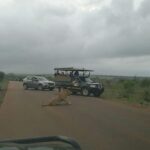
One more detail I’m glad they include: the vehicles are fitted with VHF radios, and your guide stays in constant radio contact with other open vehicles. In plain terms, it turns your day from guesswork into coordinated searching. When a radio report comes in, the guide can make a decision quickly—turn, reposition, and follow up while the sighting is still active.
Stop 1 Inside Kruger National Park: How the Day Typically Flows
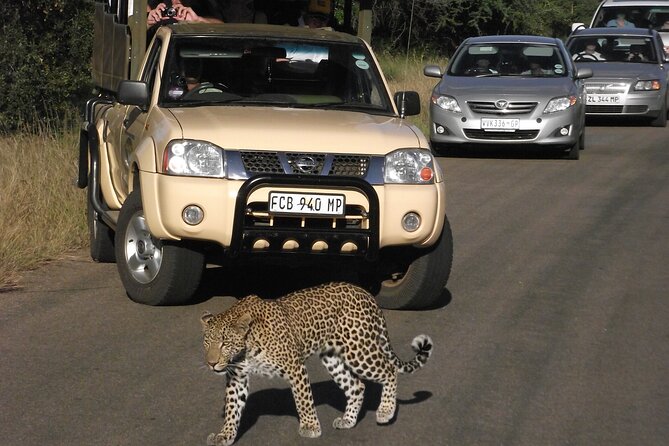
You’ll spend the bulk of your time on one main stop: Kruger National Park. This is not a “check one box and rush out” setup. It’s a game-drive style day designed around locating animals and learning what you’re looking at.
Here’s what makes this stop special in real life:
- You’re searching actively. This isn’t a slow drive with long static pauses. Your guide is reading the landscape—trees, cover, movement patterns—and using radio info to improve your odds.
- You’re learning as you go. The tour highlights nature guides who act like walking field companions, not just drivers who point vaguely in the distance.
- You’re flexible. The VHF radio system means your route can shift based on what the rest of the network is seeing.
From the guide variety shown in past days—people have been with guides named Dave, Cole, Lisa Schweppes, Brandon, Ivan, Abrie Coetzer, Frikkie, Johan, Irvine, Million, and Derrick—you can expect the day to have personality. The common thread is that guides know how to work as a team across the park, then translate wildlife behavior into something you can actually understand.
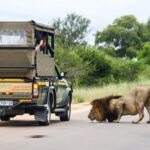
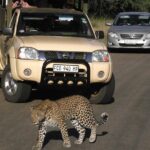
And yes, the Big Five can happen on a single day. Some guides have delivered impressive results quickly, with examples like seeing all five by late morning or stacking multiple memorable sightings in one drive. Still, I’d book with the mindset of getting a top-quality safari experience, not a guaranteed animal list. Kruger keeps that promise by staying unpredictable.
The Guide Factor: Qualified Local Experts With Fluent English
If you want the safari to feel like more than just a “ride and hope” day, the guide is everything. This tour leans into that strongly. The guides are described as qualified nature guides, fluent in English, and living in the Kruger region—so they work with local knowledge, not a script.
Neat appearance is a small thing, but it affects the day’s pace. When your guide is confident and professional, it’s easier to settle in and pay attention instead of constantly refocusing your day.
The best part is that the guiding is described as passionate. In practice, that usually shows up as:
- Sharper spotting and scanning: you spend less time guessing where to look.
- Real explanations: you learn why animals are where they are, not just what they are.
- Faster reactions: radios plus experience helps the guide move when the moment is right.
And you’ll likely feel the guide’s excitement when something new appears. Several safari stories you can learn from here highlight how guides get genuinely animated—like turning the vehicle around for a lion report when chatter comes in over the radio. That kind of energy is useful. It pushes the whole group to stay alert and engaged.
Group Safari Logistics: Max 20 Travelers, Shared But Not Smushed
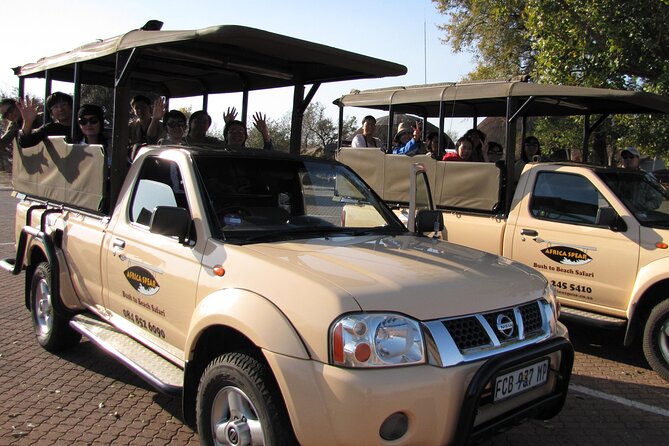
This is a shared tour with a maximum of 20 travelers. That sweet spot matters. Too many people and the viewing gets blocked and the group becomes hard to manage. Too few and you may miss the “network effect” of coordinated searching across vehicles.
Here, the group size is capped enough that you can still move your eyes and get a clear line of sight. It also helps the guide manage timing when vehicles reposition quickly—especially in a park where you might stop, spot, then relocate.
Pickup is offered, and the tour ends back at the meeting point. If you’re trying to plan your Kruger day alongside other parts of your South Africa trip, having everything loop back can reduce stress.
One more useful detail: the tour is described as near public transportation. That doesn’t mean you must use public transit, but it’s a comfort if your travel plans in the area are flexible.
What You Pay: $132.75 Plus the Kruger Conservation Fee
The listed price is $132.75 per person, booked on average about 5 days in advance. That’s not just a number—it tells you this tour is popular, and you should lock it in earlier if you’re traveling during peak seasons.
But here’s the part that affects your budget: the KNP Conservation Fee (Kruger Park Entrance Fees) of R 486.00 (ZAR) per person is not included.
So what’s the value? I think it’s strongest for three reasons:
- You get a guided day with professional local expertise.
- You get open-vehicle game viewing designed for photography.
- You’re on a long outing (about 10 hours), not a short drive where you can’t wait out wildlife activity.
Also, bottled water is included. That’s a practical detail that matters when the day starts early and stretches long. You don’t want to spend your energy hunting for small comforts.
If you’re budgeting, add the conservation fee up front so there are no surprises at the last step.
Timing Tips for a 5:30am Departure (So You Don’t Waste the Day)
Because the start time is 5:30am, your main planning job is keeping yourself ready and comfortable early. While the tour includes bottled water, it doesn’t replace good personal prep.
I recommend packing like this for a Kruger morning:
- A light layer you can handle early cool air
- Sun protection for later in the day
- Something simple for your camera/phone so you can grab shots fast when an animal appears
The tour is about game viewing and learning, so your best strategy is to be ready the moment the first sightings start coming in.
Who This Kruger Shared Safari Fits Best
This shared safari is a strong match if you want:
- A full-day Kruger experience without needing to plan a self-drive route
- Professional guide-led wildlife spotting in a vehicle built for viewing
- A capped group size (max 20) that stays manageable
- A guide experience where English explanations are clear and wildlife-focused
It’s also ideal if you’re visiting Kruger for the first time and want help finding animals efficiently. The radio coordination and guide experience are exactly what you want when you don’t know the park’s rhythm yet.
If you’re the kind of traveler who enjoys animal behavior and learning why animals do what they do, you’ll likely love this style. If you only care about checking off a list of species and you’re okay with a slower learning component, you may find it slightly more educational than you expected—but that’s typically what makes Kruger feel real.
Should You Book This Full-Day Shared Safari?
Yes—if you want a guided, well-run Kruger day with open-vehicle viewing and a guide who can work the park actively. The value is strongest for people who care about spotting and understanding wildlife, not just collecting photos.
I’d think twice only if your budget can’t stretch to include the R 486.00 conservation fee on top of the $132.75 tour price, or if you’re the type who struggles with an early 5:30am start.
If you can handle the early start and you want the benefit of skilled local guides who know how to use radio information to chase sightings, this is the kind of safari day that makes Kruger feel personal.
FAQ
What time does the safari start?
The tour starts at 5:30am.
How long is the full-day safari?
The duration is approximately 10 hours.
What is the price, and is it all-inclusive?
The tour price is $132.75 per person, but the KNP Conservation Fee of R 486.00 (ZAR) per person is not included.
Is pickup included?
Yes, pickup offered is listed as part of the experience.
What’s included in the tour package?
The tour includes bottled water.
How many people are on the shared tour?
The experience has a maximum of 20 travelers.
Is there a mobile ticket?
Yes, mobile ticket is listed, and confirmation will be received at the time of booking.
Can I cancel and get a refund?
No. The experience is non-refundable and cannot be changed for any reason.