REVIEW · KAMPALA
15-Day Gorilla and chimps Trekking, Big 5 and Nature Sighting Safari
Book on Viator →Operated by Ngoni Safaris Uganda · Bookable on Viator
Gorillas, chimps, and serious safari variety. This private 15-day route from Kampala strings together Murchison Falls, Kibale Forest, Queen Elizabeth, and gorilla trekking days, with a private guide and transfers already taken care of. I like that you’re not piecing together logistics alone, and it keeps the days focused on wildlife instead of paperwork and waiting.
I love the balance here: chimp trekking in Kibale pairs well with Kazinga Channel boat time in Queen Elizabeth, plus swamp and nature walks that add variety. One heads-up: the pace can feel big. The Top of the World hike, chimp tracking, and gorilla trekking are physically demanding, and you’ll also have several long car days between parks.
In This Review
- Key highlights worth your attention
- Kampala to the Wild: how this 15-day route really works
- Entebbe arrival and your first night rhythm in Kampala
- Mabamba Swamp shoebills: Lake Victoria’s birding side
- Murchison Falls National Park: game drives, boats, and the Nile drama
- The Zziwa Rhino Sanctuary Big Five stop
- Morning lions and the boat to the falls
- Kibale Forest National Park: tea-country roads and primate focus
- Top of the World hike: cool air, big views, real effort
- Chimp trekking and Bigodi swamp: two primate styles in one stretch
- Queen Elizabeth National Park: Kazinga Channel and crater driving
- Ishasha tree-climbing lions: worth it, still unpredictable
- Bwindi region and gorilla trekking preparation
- Gorilla day in the forest: briefings, tracks, and one hour with the group
- Mgahinga and primate-adjacent experiences: Batwa trail on the way out
- Lake Bunyonyi options: Orugano, Batwa interaction, or a canoe trek
- Lake Mburo National Park: zebra herds and a ranger-led walk
- Your final morning: armed UWA ranger walk and hilltop lake views
- Price and value: why $5,000 can make sense here
- The guides: Sedrick’s planning and guides who keep you on track
- Who this safari is best for (and who might find it heavy)
- Should you book this 15-day gorilla and chimps safari?
- FAQ
- Where does the safari start and end?
- What time does the experience start?
- How long is the tour?
- Is this a private tour?
- What animals and activities are included?
- Which parks and areas are visited?
- Are meals and accommodation included?
- What is the cancellation policy?
Key highlights worth your attention
- Rhino tracking at Zziwa Rhino Sanctuary with an hour focused on seeing (and learning) the Big Five style story
- Chimp trekking with a ranger briefing and a full hour with chimps once you locate the group
- Kazinga Channel boat safari for close-up chances at hippos, elephants, crocodiles, and water birds
- Ishasha tree-climbing lions with a stated chance around 70%, though sightings can still be tricky
- Lake Mburo early morning nature walk with an armed UWA ranger for a very close-feeling wildlife experience
Kampala to the Wild: how this 15-day route really works
Uganda rewards patience, and this itinerary is designed around that fact. It moves you through key ecosystems—savanna, forest, wetlands, and lake country—so you’re not repeating the same wildlife views every day.
The private setup matters. With your own guide, you get tighter timing, fewer delays, and a day plan that can follow what you’re seeing on the ground. That also helps for primates, where you want calm focus and good briefing moments before you start walking.
This trip is also built for people who want value without chasing details. Meals, accommodation, and transfers are included, and that means your days feel like a schedule you can trust.
You can also read our reviews of more tours and experiences in Kampala.
Entebbe arrival and your first night rhythm in Kampala
Most tours start with a scramble. This one starts with a welcome. On arrival at Entebbe International Airport, you’re met by a Ngoni Safaris Uganda representative and transferred to your accommodation.
If your flight lands early, you can opt for a late-afternoon ride around Kampala City. If not, you keep it simple: relax, dinner, and overnight at Acactus Hotel Kampala. It’s a nice way to avoid the classic first-day fatigue trap—especially when you’re about to start wildlife travel.
You’ll also get the practical side handled early—things like pickup coordination and getting settled—so you’re not hunting for SIM cards, directions, or transport while your body is still in jet-lag mode.
Mabamba Swamp shoebills: Lake Victoria’s birding side
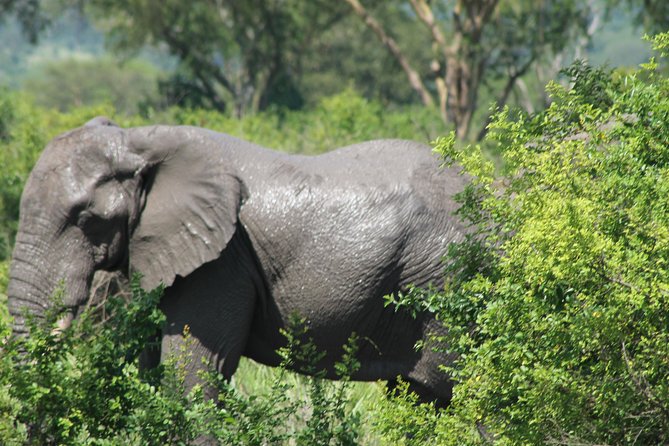
After Kampala-area settling, you head into Mabamba Swamp for shoebill birdwatching. This is the kind of stop that gives your trip a Uganda character beyond the big-name parks.
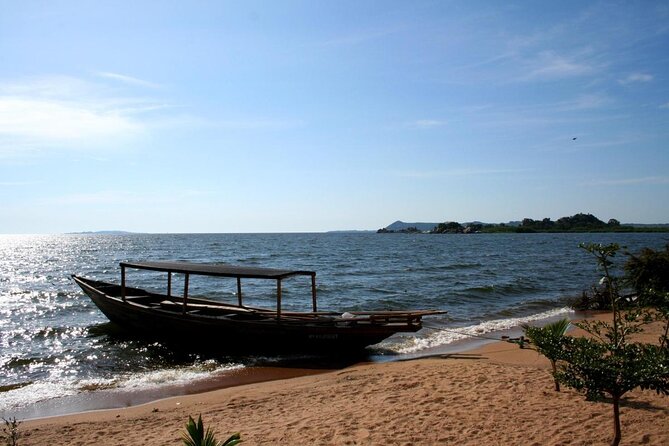
The tour notes a view of Lake Victoria near your lodge, which sets a calm stage for the next day’s wildlife energy. Then you go out for birding, with the shoebill stork as the star target.
Even if you’ve seen birds before, this is a different style outing. It’s quieter than a game drive, and it slows you down just enough to notice smaller details—calls, movement in reeds, and the way wetlands feel alive.
Murchison Falls National Park: game drives, boats, and the Nile drama
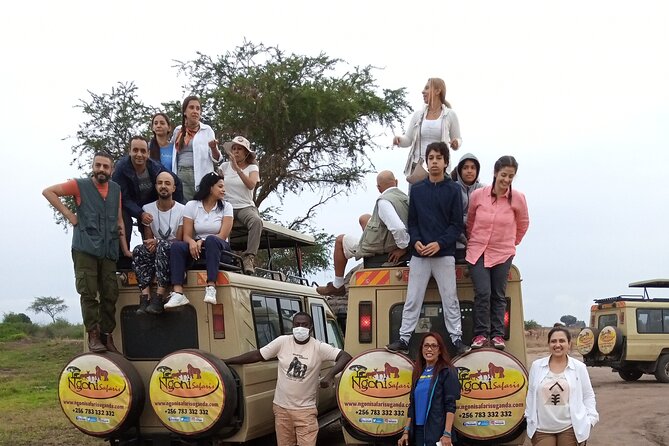
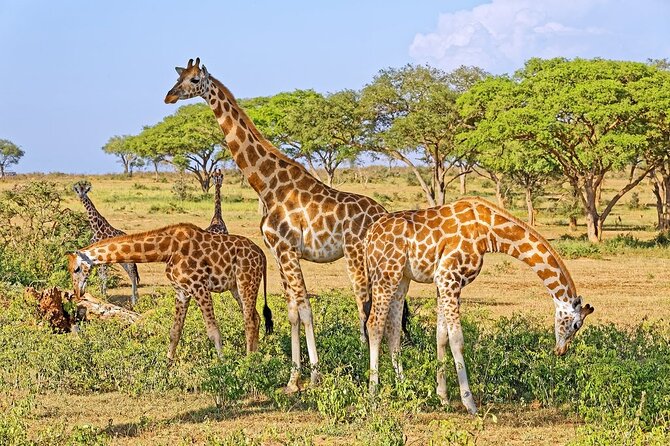
Murchison Falls is where the trip flexes its classic safari muscles. You drive into Uganda’s largest national park and start stacking wildlife sightings: lions, giraffes, hartebeest, buffalo, and elephants are all specifically part of the expected range.
Then there’s the Nile piece. The tour highlights hippos and Nile crocodiles around the river system, plus the famous roaring rapids at Murchison Falls. That sound is one of those sensory things you don’t forget, and it makes the park feel bigger than photos.
Birding is a major bonus here too. The tour points out that Murchison Falls supports around 450 bird species, including shoebill stork and several other specialized birds. If you’re into birdlife, this is a strong day on paper.
The Zziwa Rhino Sanctuary Big Five stop
Right on the way, you visit Zziwa Rhino Sanctuary for your first Big Five experience: rhino tracking for about an hour. This is a smart move because it adds a focused chance at one of Africa’s most wanted animals without waiting for a game drive outcome alone.
Rhino tracking also changes the pace. Instead of scanning a savanna from a vehicle, you’re following guidance through the sanctuary setting, which tends to feel more intimate.
Morning lions and the boat to the falls
Murchison also gets a second, well-structured day. You start with an early morning game drive, then return for rest and lunch before heading out for a boat trip to the base of Murchison Falls.
This part is where the river steals the show. The tour specifically calls out hippos and crocodiles, along with water birds. Then there’s an optional hike to the top of the falls if you want the view upgrade.
That hike note matters. It may be strenuous, so consider your fitness and energy. If you’re tired, it’s still worth doing the boat portion, because that alone is a different wildlife lens than savanna drives.
Kibale Forest National Park: tea-country roads and primate focus
Kibale Forest is the primate section of the route, and it begins with a scenic drive. The tour describes passing villages, rolling countryside, and hills dotted with tea plantations, which gives you a mental reset after Murchison’s savanna intensity.
Once you reach Kibale, the experience becomes about forest movement and primate timing. Kibale is highlighted for chimpanzees plus other primates like colobus monkeys, grey-cheeked mangabeys, and red-tailed monkeys.
Check-in here also matters. You don’t want to arrive, rush, and then burn your energy right before primate tracking. The plan gives you a rest and dinner rhythm before you go deeper into forest walks.
Top of the World hike: cool air, big views, real effort
One day includes the “Top of the World Hike,” with an easy trail option and a more challenging one most people choose. The tour notes that early morning is best, when it’s still cool.
This isn’t just a scenic bonus. It’s a way to break up primate concentration with a physical reward—views that help you understand the region’s scale. It can be strenuous, so treat it like a workout you chose, not a random add-on.
If you do it, wear proper footwear and keep hydration in mind. Then you can return for rest without feeling like you need another “trip day” right away.
Chimp trekking and Bigodi swamp: two primate styles in one stretch
Chimps in Kibale are a different kind of hunt than lions. The tour builds in a briefing at the trekking point with dos and don’ts before you begin. That briefing is there for a reason: chimp trekking is close, and rules help keep both humans and animals safe.
Once your ranger guide tracks you to the chimps, you get a full hour with them. The tour also emphasizes that chimps are often seen swinging and feeding on wild fruits—so you’re watching real behavior, not staged moments.
After the main chimp day, you go for a Bigodi swamp walk at the Bigodi Wetland Sanctuary. This is a great add-on because it broadens the primate story. You also get more biodiversity energy—often the small movements and bird calls are what make swamp walks memorable.
Queen Elizabeth National Park: Kazinga Channel and crater driving
Queen Elizabeth is set up for big wildlife variety. The tour describes it as Uganda’s second largest park, sitting near the Rwenzori Mountain range and between Lake Edward and Lake George.
After arriving, you rest, then go for a boat safari along the Kazinga Channel. This is one of the clearest “wildlife crowding” experiences on the itinerary, with giant hippos, elephants, and crocodiles specifically called out, plus water birds.
If you like a mix of wildlife viewing and photography, the boat day can work well because you’re positioned for repeated looks rather than relying on quick vehicle spotting.
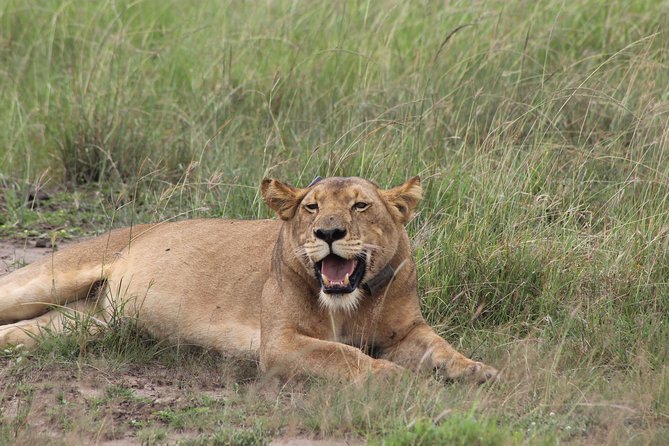
The next day adds a morning game drive along the Kasenyi plains. Lions, elephants, leopards (harder to spot), and other animals like bushbucks, cape buffaloes, and giant forest hogs are part of what you’re hunting for.
In the afternoon you get the explosion crater drive. It’s described as scenic with wildlife along the route, with cape buffalo and elephants mentioned as common sightings. This is one of those days where the driving portion isn’t wasted time; it’s part of how you read the park.
Ishasha tree-climbing lions: worth it, still unpredictable
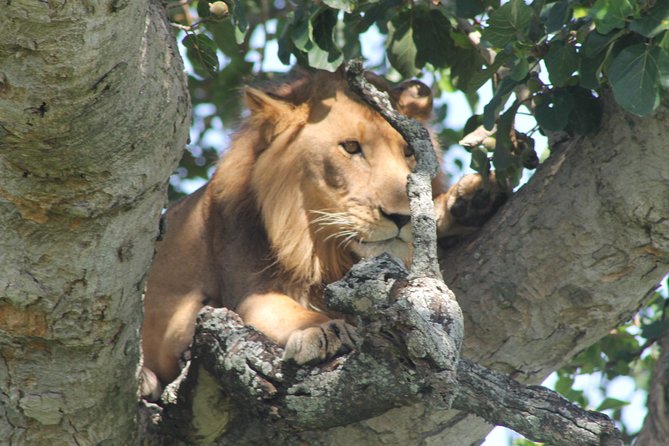
From Queen Elizabeth you shift to Ishasha for the tree-climbing lions area. The tour gives you a stated chance around 70% for spotting the lions, and that’s a useful expectation to carry with you.
But it also warns about reality. Lions can be difficult to spot, especially when they’re down in the grassland looking for prey. If you go expecting certainty, you’ll have an emotional pothole. If you go expecting a great safari moment, even a short pause can turn into a highlight.
This day also includes other wildlife options like Uganda kob, cape buffalos, elephants, and warthogs. Even if the lions are elusive, the area can still deliver good sightings.
Bwindi region and gorilla trekking preparation
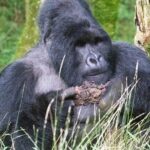
Gorilla trekking is the emotional peak of the trip, and you’re guided into it with a lead-in day. The itinerary moves you into Bwindi Impenetrable National Park, which the tour describes as home to an estimated 400 mountain gorillas—roughly half of the world’s population—plus several habituated groups.
That habituated-group detail matters. Habituation isn’t magic, but it’s the process that makes your one-hour encounter possible. It’s what turns gorilla trekking into an experience you can plan for.
The plan keeps arrival day more relaxed, with check-in and downtime so you can handle the physical demands of the next day. That’s not a throwaway detail. Gorilla trekking days run on energy and calm focus.
Gorilla day in the forest: briefings, tracks, and one hour with the group
Your gorilla trekking day includes a ranger briefing before you enter the forest sanctuary. The tour stresses that the forest is steep, dense, and full of crisscrossing animal trails.
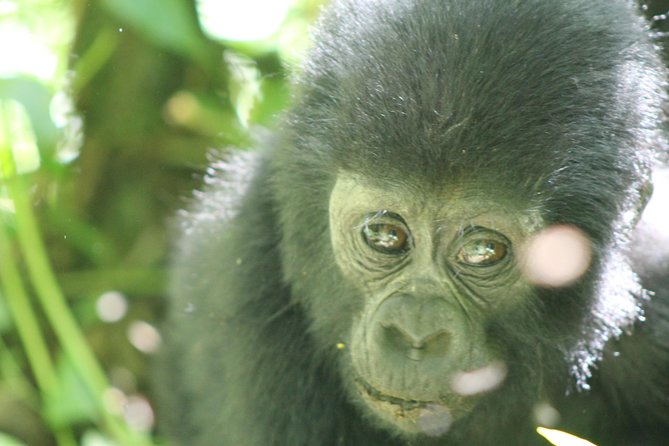
Time on the trek can vary based on where the gorillas are moving. When you locate a group, you’re allowed an hour with them.
This hour is the real product of your day. You get to watch how gorillas behave as individuals—motion, feeding, resting, and social contact—while the forest surrounds you. It’s also emotionally intense, because it’s one of the few wildlife encounters where you’re truly in the animals’ world.
Mgahinga and primate-adjacent experiences: Batwa trail on the way out
After gorilla trekking, the route transitions to Mgahinga area activities and cultural terrain. One day is dedicated to the Batwa trail experience.
The Batwa are described as indigenous hunter-gatherers who depended on the forest for shelter, food, and medicine. Now visitors are led through the forest, learning about old home life and survival techniques. It’s not a generic cultural performance. It’s a way to understand how the people historically lived alongside the same landscapes you’re trekking through.
From there, you move to Lake Bunyonyi for relaxation. Lake Bunyonyi is a good “recovery day” choice on this itinerary because it gives you a slower atmosphere after forest intensity.
Lake Bunyonyi options: Orugano, Batwa interaction, or a canoe trek
You get a second Lake Bunyonyi day with options, which is a smart way to prevent decision fatigue after big trekking days.
You can visit the Orugano rainforest for plants and animals, spend time interacting with the Batwa community, or take a canoe trek. The canoe trek is described as showing major islands and history, and you ride in traditional dugout canoes.
If you’re a birder, this area adds another angle too. The tour notes well over 300 bird species recorded in this region.
This sort of flexibility is valuable. It means you can match the day to your energy level, not force the same activity on everyone.
Lake Mburo National Park: zebra herds and a ranger-led walk
Then the safari heads toward Lake Mburo National Park. The drive passes the terraced Kigezi hill slopes and Mbarara town, and you arrive early afternoon.
That timing helps: you rest, then go for late-afternoon game viewing. The tour calls out eland antelopes, zebras in numbers, topis, impalas, warthogs, Uganda kob, and cape buffaloes.
Mburo feels different from the forest parks. You’re dealing with open sightlines and animal movement patterns, so you’ll likely notice how wildlife uses the habitat edge.
Your final morning: armed UWA ranger walk and hilltop lake views
On the last day, you do an early morning guided walk in the park with an armed Uganda Wildlife Authority ranger/guide. The tour says you might encounter hyenas returning to their dens after night hunting, plus close-range chances at zebras, giraffes, eland, topi, and other antelopes.
Then you take a trail to the top of the hills for views across Lake Mburo and beyond, including a panorama of nine of the twelve lakes around Mburo National Park. After that, you return for checkout and head back toward the meeting point.
This is a strong way to end: it’s active, it’s scenic, and it’s still wildlife-forward.
Price and value: why $5,000 can make sense here
At $5,000 per person, this isn’t a budget safari. The value comes from what’s packaged and what’s protected by planning.
You’re getting a private guide, transfers, accommodation, meals, and multiple wildlife activities built into the route. That reduces the hidden cost pile-up—fuel, park logistics, and day-to-day coordination that can add up fast when you travel alone.
It also includes admission tickets for many of the key segments and includes experiences like rhino tracking, chimp trekking, swamp walks, boat safari time, and two primate-focused days.
One practical note: all meals are included, and all drinks are included as well, but premium wines and liquors might be excluded. If that matters to you, plan around it.
My view on the price: this is for travelers who want maximum Uganda highlights with minimal friction. If you’re the type who enjoys managing every booking yourself, you might find cheaper. If you want your time spent on wildlife, this structure is the appeal.
The guides: Sedrick’s planning and guides who keep you on track
Several names show up in past experiences with Ngoni Safaris, and that’s a sign of consistency. Sedrick gets credit for quick replies while planning, and guides named Allan, James, Charls, David, and Robert are repeatedly described as attentive and able to explain what’s happening in the landscape and with the animals.
Other guide names also appear, like Elly and Hamza. Across those stories, the common thread is that the guide relationship shapes the whole trip: you see more because the day stays focused, and you feel less stress because decisions are handled.
For you, the takeaway is simple. Ask who your guide will be, then ask what their style is. If you’re the kind of traveler who likes explanations, this kind of guide partnership can add real satisfaction.
Who this safari is best for (and who might find it heavy)
This is a great fit if you want:
- Gorilla trekking and chimp trekking paired with classic safari drives
- Multiple parks with different wildlife styles, so each day feels like a new habitat
- A private guide setup that takes logistics off your plate
- A trip that includes walks and boat time, not just vehicle stops
It may be less ideal if:
- You don’t handle strenuous days well. The Top of the World hike can be strenuous, and forest treks can be demanding.
- You dislike long drives between parks. This route connects several regions, and that travel time is part of the deal.
Should you book this 15-day gorilla and chimps safari?
If your priority is seeing Uganda’s key wildlife highlights with a schedule you can trust, I’d say yes. The mix of primate trekking, Big Five-style moments (rhino tracking), and major park experiences like Kazinga Channel makes it a strong “one trip, many ecosystems” plan.
Before you commit, do two simple checks with Ngoni Safaris:
- Confirm the exact gorilla trekking park/sector used for your dates, since the program includes gorilla trekking in the forest sanctuary portion.
- Talk through your fitness level for the hikes and trekking days so you’re matched to the right trail option and pace.
If those fit, this is the kind of safari that can stay with you for a long time—because it pairs rare animal encounters with enough varied nature time to feel like more than just two big treks.
FAQ
Where does the safari start and end?
It starts at Entebbe Airport in Entebbe, Uganda, and it ends back at the meeting point.
What time does the experience start?
The start time is listed as 7:00 am.
How long is the tour?
The tour duration is 15 days (approx.).
Is this a private tour?
Yes. It is a private tour/activity, meaning only your group participates.
What animals and activities are included?
The itinerary includes gorilla trekking, chimp trekking, rhino tracking at Zziwa Rhino Sanctuary, game drives, a boat safari on the Kazinga Channel, swamp walks, and nature walks.
Which parks and areas are visited?
The route includes Murchison Falls National Park, Kibale Forest National Park, Queen Elizabeth National Park (including the Ishasha area), Bwindi Impenetrable Forest, Lake Bunyonyi, Lake Mburo National Park, and Mabamba Swamp for shoebill birdwatching.
Are meals and accommodation included?
Yes. All meals are included, and accommodation is included. The tour notes that all drinks are included, though premium wines and liquors might be excluded.
What is the cancellation policy?
You can cancel up to 3 days in advance for a full refund. If you cancel less than 3 full days before the experience’s start time, the amount you paid will not be refunded.