REVIEW · KAMPALA
5-Day Pearl of Africa Chimps and Gorilla Trekking Safari
Book on Viator →Operated by Home To Africa Tours and Travel · Bookable on Viator
This 5-day Uganda safari strings together chimps, gorillas, and big-park wildlife with a tight route that fits real sightseeing. I like how the trip is built around two standout primate days: early chimp trekking in Kyambura Gorge and then the main event, gorilla trekking in Bwindi. There’s also a great “pause and watch” element with the Kazinga Channel boat trip and a slower finish at Lake Bunyonyi. One thing to consider: the big animal experiences hinge on permits, and those aren’t included in the tour price.
You’ll drive off from Entebbe (or Kampala pickup) into Queen Elizabeth National Park, then head through Ishasha for a shot at tree-climbing lions, and finally settle into Bwindi for gorillas. What makes this itinerary feel efficient is that each day has a clear purpose—morning activity, a solid meal at camp, then a calmer second half. The same guided structure also shows up in guest feedback, with standout guides like William, Derek, Eli, Danny, and Karim frequently praised for being organized, friendly, and practical. The one drawback is simple: the gorilla day is a long one (early start + walking in rugged areas), so you’ll want moderate physical fitness.
In This Review
- What makes this trip worth the money
- Key highlights you’ll actually feel on the trip
- The route: Kampala to Queen Elizabeth, then Bwindi, then Lake Bunyonyi
- Day 1: Arrival + transfer into Queen Elizabeth (your first wildlife setup)
- Day 2: Kyambura Gorge chimp trekking + the Kazinga Channel boat cruise
- Day 3: The Queen to Bwindi drive via Ishasha tree-climbing lions
- Day 4: Bwindi gorilla trekking and one hour with your gorilla group
- Day 5: Lake Bunyonyi views and a calm drive to Entebbe
- Price and value: what $2,171 really covers (and what it doesn’t)
- Guides, organization, and the kind of safari day you can trust
- What to pack and how to handle moderate fitness needs
- Should you book this 5-Day Chimps and Gorilla Trek Safari?
- FAQ
- How much are the gorilla trekking and chimp trekking permits?
- Is airfare included in the safari price?
- Where does the safari start and end?
- What’s included in the tour?
- Do I need a tourist visa for Uganda?
- What kind of fitness level do I need for this trip?
- Can I cancel for a full refund?
What makes this trip worth the money
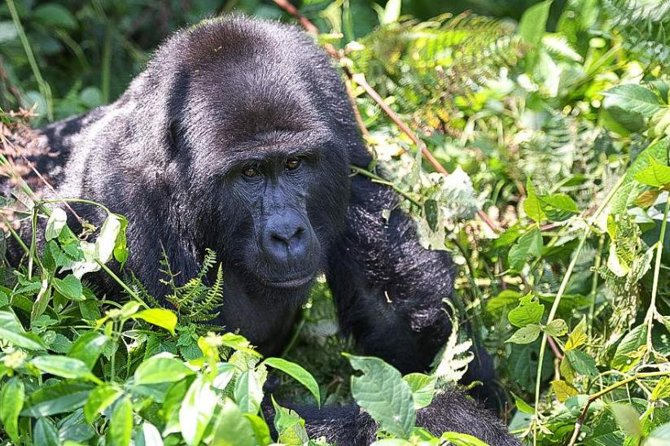
At $2,171 per person (plus permits), this safari is priced like a mid-range Uganda experience with lodging, meals, a 4×4 vehicle, and park fees handled on the operator side. The value clicks most when you’re adding up what you’re getting together: airport transfers, all scheduled activities, and even bottled water during safari time. Just keep the permit math in mind—gorilla trekking is USD 600 per person and chimp trekking is USD 50 per person, and those costs can change your total travel budget fast.
If you like a structured route with real wildlife time—without spending extra days driving around—this is a good fit. If you’re hoping for lots of optional extras or lots of free time each day, you might find the schedule a bit full. Still, the overall balance looks strong for first-timers who want a “greatest hits” Uganda trip with less guesswork.
Key highlights you’ll actually feel on the trip
Early Kyambura chimp tracking with a morning start that improves your odds of good sightings and calmer travel conditions.
Kazinga Channel launch cruise (about two hours) where hippos, elephants, and crocodiles are often concentrated along the waterline.
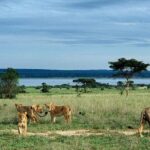
Ishasha tree-climbing lions timing with an estimated 70% chance to spot them, but with the realistic note that grassland conditions can make sightings tricky.
Bwindi gorilla trekking with ranger briefing + one-hour gorilla time after locating your assigned group.
Lake Bunyonyi as a recovery day so your body can cool down after the more intense park days.
You can also read our reviews of more tours and experiences in Kampala.
The route: Kampala to Queen Elizabeth, then Bwindi, then Lake Bunyonyi
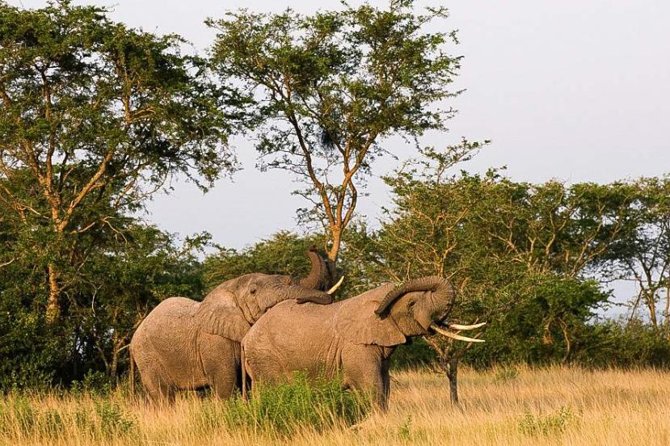
This safari is built as a single “U” shape in southwestern Uganda. You start with pick-up in Kampala or at Entebbe Airport, then you’re driven to Queen Elizabeth National Park. From Queen, you exit toward Bwindi Impenetrable National Park via the Ishasha area, which is the famous tree-climbing lion zone. After Bwindi, you transfer to Lake Bunyonyi for a calmer final stretch before you head to Entebbe Airport for your outbound flight.
Why this route works: it reduces backtracking. You’re not bouncing across the country for one quick stop at a single viewpoint—you’re moving between places that each provide a different “type” of wildlife day (primates, then channel wildlife, then forest gorillas).
One practical note: the itinerary assumes you can handle driving days between parks. The tour includes ground transport in a comfortable 4×4 vehicle, and that matters because Uganda roads can feel slow and bumpy once you leave major routes.
Day 1: Arrival + transfer into Queen Elizabeth (your first wildlife setup)
Day 1 is all about getting you settled and ready, not about cramming activities into the day of arrival. If your flight lands early, you’ll start the safari right after pick-up at Entebbe Airport with a driver/guide briefing, then move to Queen Elizabeth National Park.
You’ll stay at Irungu Forest Safari Lodge and eat lunch and dinner on-site. That first night setup is important because it positions you for an early start the next day for Kyambura chimp trekking. In other words, you’re not sleeping in and then trying to catch up later.
What to expect day-of: mostly transit time and a check-in routine. If you’re the type who hates staring at paperwork after arrival, this first day keeps things simple.
Day 2: Kyambura Gorge chimp trekking + the Kazinga Channel boat cruise
This is your “action + wow” day, and it starts early. After breakfast, you go for chimpanzee tracking in Kyambura Gorge. Kyambura is known for forested terrain, so you should plan for walking on uneven ground and being flexible about timing as you follow the ranger team’s lead.
After chimp tracking, you return to Irungu Forest Safari Lodge for lunch. Then comes the second highlight: a two-hour launch trip on the Kazinga Channel, a waterway that connects Lakes George and Edward. This is a classic wildlife watching combo because you’re scanning a shoreline where giant hippos, elephants, and crocodiles can show up in noticeable numbers.
Why this boat day is more than a break: it gives you a different view of Africa’s wildlife behavior. On foot you’re focused and quiet. On the water, you’re watching patterns—where animals feed, where they travel, and how close they get when there’s open shoreline.
A small consideration: bring patience. Chimp tracking and wildlife viewing both depend on where animals are at that moment. The tour runs structured, but nature still sets the pace.
Day 3: The Queen to Bwindi drive via Ishasha tree-climbing lions
Day 3 is a travel-and-sighting day. You have breakfast, then you head toward Bwindi National Park through the Isasha sector of Queen Elizabeth. This is where the tour’s tree-climbing lion chance comes in.
Here’s what matters for your expectations: the chance of spotting the tree-climbing lions is estimated at 70%, but sightings can be hard—especially when lions are down in the grasslands hunting. That’s not a problem with the tour; it’s the nature of lion viewing.
After the en route game drive, you continue on to Bwindi Impenetrable National Park. You’ll stay at Broadbill Forest Camp and the plan is intentionally lighter when you arrive. The day is more strenuous, so you check in, relax, and prep for gorilla trekking the next morning.
This is one of those “smart itinerary” choices. A gorilla trek day benefits from a calmer evening—less stress, better sleep, and more energy when you need it.
Day 4: Bwindi gorilla trekking and one hour with your gorilla group
If you’re coming to Uganda for primates, this is the center of the trip. You’ll start with early breakfast, then a briefing by a ranger guide. After that, you enter the gorilla sanctuary and begin tracking to locate your assigned gorilla group.
When you find them, you’re allowed one hour in their presence. That time window is part of why gorilla trekking feels so intense and meaningful: it’s long enough to watch real behavior—feeding, resting, movement—yet short enough that you remember it as a focused encounter rather than a long slog.
Then it’s back to the lodge for lunch. Afterward, you transfer to Lake Bunyonyi for relaxation and sightseeing, staying at Lake Bunyonyi Rock Resort.
Who this works best for: people who want the gorillas without turning the trip into a marathon of endless hours in the bush. It’s still physically demanding, but the itinerary gives you the right pacing—activity, then recovery.
A budgeting reminder you’ll want in writing: the gorilla trekking permit is USD 600 per person and is not included in the package price. If you’re mapping your overall budget, add this early so it doesn’t become a surprise at checkout.
Day 5: Lake Bunyonyi views and a calm drive to Entebbe
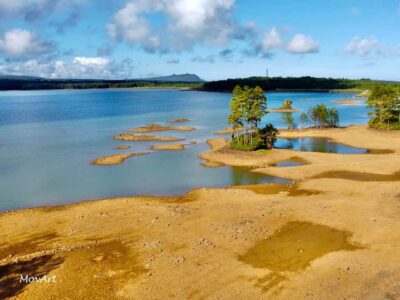
Your last day keeps things gentle. You have a relaxed breakfast at Lake Bunyonyi Rock Resort with views of the Bunyonyi little islands right in front of you. After that, you head to Entebbe Airport for your outbound flight, typically arriving late afternoon or evening.
If you’re the type who feels wiped after trekking days, this final buffer is a real plus. Bunyonyi is a scenic decompression stop, and you’re not expected to squeeze in another major wildlife day.
Practical note: even on “easy” days, you’ll still be on African time with driving schedules and airport timing. Plan to take it slow in the morning and keep your documents ready.
Price and value: what $2,171 really covers (and what it doesn’t)
The published price is $2,171 per person, and the itinerary includes a lot of core safari costs: all meals and accommodation as listed, ground transportation in a 4×4, airport/hotel pick-up and drop-off, all boat trip time, and key park fees handled by the operator. You also get water while on safari, plus coffee and/or tea.
So where does the money go? Into the “hard parts” of a safari that are easy to underestimate: transportation between distant parks, lodging for multiple nights, and the timing costs of guided activities. This is also a group-friendly setup with group discounts and a mobile ticket included.
What’s not included is the big one: permits. You’ll pay separately for:
- Gorilla trekking permit: USD 600 per person
- Chimp trekking permit: USD 50 per person
If you’re budgeting, a realistic total often looks closer to $2,821 per person once permits are added. That still may sound high, but gorilla trekking permits are one of the main fixed costs in Uganda, and they’re the reason the experience is possible at all.
In short: if you want a guided route that handles logistics and keeps you focused on the animal days, this price structure offers solid value.
Guides, organization, and the kind of safari day you can trust
The strongest theme across feedback is how smoothly the trip runs once you arrive. People consistently praised drivers and guides such as William, Derek, Eli, Danny, Karim/Karin, Daniel, and Balam for being organized, friendly, and helpful with questions. Names like Danny even get called out with specific requests, which is a good sign that certain guides have a style that matches what visitors want: clear explanations, patience, and good communication.
For you, that matters because Uganda safaris are not the place to improvise. You want someone who can handle early starts, ranger briefings, and the real-time changes that can happen when wildlife decides to move. The tour’s format—English-speaking driver/guide, scheduled activities, and airport pick-up—sets you up for that kind of day.
Another praise point: comfortable, clean lodging and a sense of safety throughout. Your accommodations in this itinerary are Irungu Forest Safari Lodge, Broadbill Forest Camp, and Lake Bunyonyi Rock Resort—and the way they’re used makes sense: lodge close to the activity days, then a reset at Bunyonyi after Bwindi.
What to pack and how to handle moderate fitness needs
You don’t need to be an athlete, but you do need to be ready for “real walking.” The tour notes moderate physical fitness and the minimum age is 15. Gorilla trekking requires moving on uneven paths in a forest setting, and chimp tracking also involves trekking on rugged terrain.
So I’d pack with comfort and flexibility in mind:
- Sturdy walking shoes or boots with good grip
- Light rain protection (especially during rainy-season timing if you travel then)
- A day bag for water and small essentials
- Long sleeves/pants suited for forest conditions
You’ll have bottled water provided while on safari, but bring your own snacks only if your operator allows it. The tour includes meals; you mainly need hydration and comfort.
Also note: drinks other than water aren’t included. If you like soda or other beverages, budget for them separately.
Should you book this 5-Day Chimps and Gorilla Trek Safari?
Book it if you want a tight route that hits both primate bucket lists—chimps and gorillas—plus a memorable boat day on the Kazinga Channel and a calmer Lake Bunyonyi finish. I also think it’s a smart pick for first-timers who don’t want to spend vacation time planning between parks. The fact that the day-by-day structure is clear—early tracking mornings, meals at lodge, then scheduled transfers—helps you relax instead of guessing.
Skip it (or adjust your expectations) if you hate long drives between parks or you’re looking for a slow, unstructured trip with lots of free time. Also, if you’re sensitive to extra costs, remember the permits are a major add-on: USD 600 for gorillas and USD 50 for chimps.
If you do book, ask the operator if you can request a guide style you like—feedback often highlights guides such as Danny, Derek, William, and Karim/Karin as standout hosts.
FAQ
How much are the gorilla trekking and chimp trekking permits?
The gorilla trekking permit is USD 600 per person, and the chimp trekking permit is USD 50 per person. These permits are not included in the tour price.
Is airfare included in the safari price?
No. Air fare is not included.
Where does the safari start and end?
It starts with pick-up in Kampala or at Entebbe Airport, depending on your arrival. The itinerary ends with drop-off for your outbound flight at Entebbe Airport.
What’s included in the tour?
Included are all meals and accommodations per the itinerary, ground transportation in a comfortable 4×4, a full-time English-speaking driver/guide, bottled water while on safari, all boat trip time, and airport/hotel pick-up and drop-off. Fuel surcharge and landing/facility fees are also included.
Do I need a tourist visa for Uganda?
Yes, a tourist visa is required.
What kind of fitness level do I need for this trip?
You should have a moderate physical fitness level.
Can I cancel for a full refund?
Yes, free cancellation is available if you cancel at least 24 hours before the experience’s start time. If you cancel less than 24 hours before, the amount you paid is not refunded.