REVIEW · KAMPALA
25 day uganda Rwanda kenya and Tanzania safari Zanzibar inclusive
Book on Viator →Operated by Scb tours and travel · Bookable on Viator
One hour with gorillas can rewrite a trip. This long route stitches together Uganda’s top parks, Rwanda’s highland primates, Kenya and Tanzania’s big-cat country, and then finishes with Stone Town and Zanzibar beach life. You also get a private, guided setup with pickup and a planned flow of game drives, primate treks, and relaxing breaks.
What I liked most was the way the trip keeps variety high without feeling random. I especially love the primate focus, plus the river-and-lake days where wildlife and birdlife show up in surprising ways, like at the Kazinga Channel. My one real caution is the schedule: early starts and long drives stack up, and some activities may not be fully covered in the included fees.
Key Highlights You Should Know
- Two-way country hopping: You can run the route this way or start in Arusha in the opposite direction.
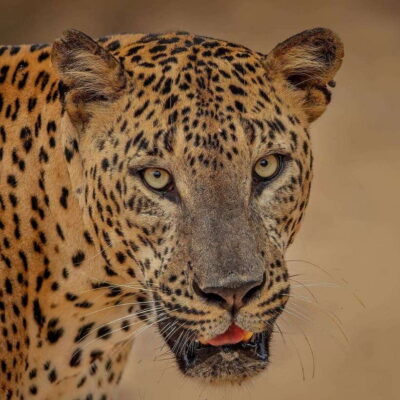
- Big five chances in Uganda: You’ll target prime early-morning sightings around Murchison Falls.
- Primates with real effort: Chimp tracking in Kibale and gorilla trekking in Bwindi and Volcanoes both require a physical mindset.
- River and channel cruising: Nile launch cruising at Murchison Falls and the Kazinga Channel boat ride break up the drive-heavy days.
- Rift Valley hits hard: Lake Nakuru’s flamingos and rhinos, then Masai Mara’s lion country.
- Zanzibar payoff at the end: Stone Town nights plus free time for beach or optional tours.
In This Review
- Entering The Safari: Entebbe, Kampala, and getting set up fast
- Murchison Falls and Ziwa Rhino Sanctuary: Nile power and a rhino safety net
- Kibale and Bigodi: chimp trekking with a real pace change
- Queen Elizabeth’s Kazinga Channel plus Lake Bunyonyi: wildlife mornings and lake-living breaks
- Bwindi and Volcanoes gorilla days: one hour, lots of emotion, and muddy trails
- Kigali Memorial and Golden Monkey tracking: Rwanda’s hills and primate variety
- Amboseli: Kilimanjaro mornings and a classic safari rhythm
- Lake Nakuru and Masai Mara: flamingo color and lion-first mornings
- Masai Mara to Serengeti via Isebania: long transfer day with a purpose
- Serengeti and Oldupai: crater edges and migration scale
- Ngorongoro crater: sunrise viewing and wildlife density that feels unreal
- Lake Manyara and Tarangire: tree-climbing lions, baboons, and elephant concentrations
- Stone Town and Zanzibar: a real beach landing after safari dust
- Price and logistics: what $25,500 buys you (and what to double-check)
- Who this safari suits best
- Should you book this 25-day Uganda–Rwanda–Kenya–Tanzania safari with Zanzibar?
- FAQ
- How long is the safari?
- Where does the trip start and where does it end?
- Is airport pickup included at the start?
- Is this tour private?
- What wildlife and primate activities are included?
- Is WiFi available during the trip?
- What meals are included?
- Are park entry fees always included?
- Can the trip be done in the opposite order?
- What cancellation terms are offered?
Entering The Safari: Entebbe, Kampala, and getting set up fast
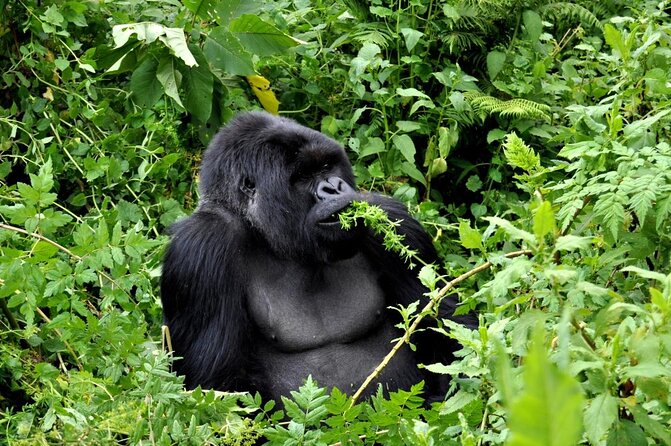
Your trip starts with a simple, traveler-friendly approach. A guide and driver meet you at Entebbe Airport with your name on a card, then transfer you to a hotel in either Entebbe or Kampala depending on arrival time. If you arrive early enough, you may get a quick look around—nothing heavy on day one, just enough to help you get your bearings before the wild starts.
Two practical details matter here. First, you’re not scrambling for rides after a long flight. Second, the early planning makes it easier to handle time differences and jet lag. If you’re the type who likes your logistics smooth, this style of pickup is a real comfort.
Murchison Falls and Ziwa Rhino Sanctuary: Nile power and a rhino safety net
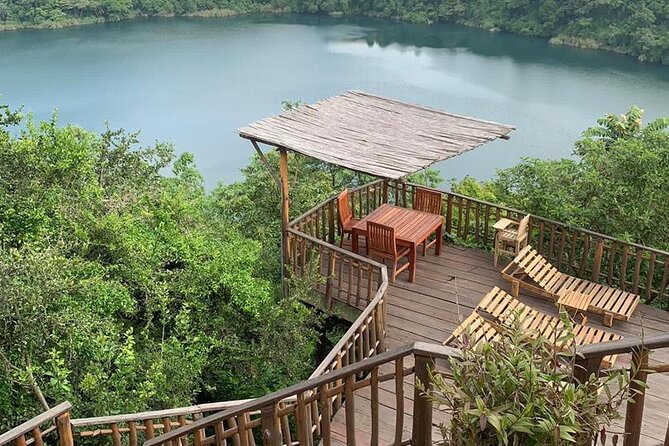
Murchison Falls National Park is all about the contrast: quiet mornings, big wildlife potential, then the Nile roaring through a dramatic chokepoint. Before you even reach the main park, you stop at Ziwa Rhino Sanctuary, set up to protect Uganda’s last rhinos from poaching pressure. Rhino tracking is the headline, but you can also spot crocodiles, birds, and other smaller wildlife while you’re there.
On the following day, you go early again—this part is key. You drive toward the southern banks of the Nile and aim for sightings of multiple “big five” animals, including lions, buffalo, leopard, and elephants. Later, the pacing shifts into water time: you do a launch cruise at the bottom of the falls. Expect heavy wildlife activity along the riverbanks, including hippos and crocodiles, plus excellent bird watching. If you like your wildlife days to feel different—land game drives one morning, then animals along the water the next—that cruise day is one of the best switches in the whole route.
You can also read our reviews of more tours and experiences in Kampala.
Kibale and Bigodi: chimp trekking with a real pace change
After Murchison, the drive to Kibale comes with a different feel. You’re traveling through changing countryside—towns, lakes, rivers, and everyday work scenes—so the day doesn’t feel like pure “sitting in a vehicle.” You’ll also stop at Bigodi Wetlands Sanctuary, which is a smart add-on if you enjoy birding and primates at a smaller, more intimate scale.
Then comes Kibale National Park and the chimpanzee tracking experience. There’s a briefing at the park headquarters first: what to expect, what to bring, and how to behave once you find the chimps. Tracking often takes 3 to 5 hours, and that’s where the experience is different from gorilla trekking. Chimps can be easier to locate, but you’ll move faster to keep up. You’ll also spend about an hour with the primate group once you’re with them, so it’s worth being ready to shoot photos quickly and follow guide instructions.
Queen Elizabeth’s Kazinga Channel plus Lake Bunyonyi: wildlife mornings and lake-living breaks
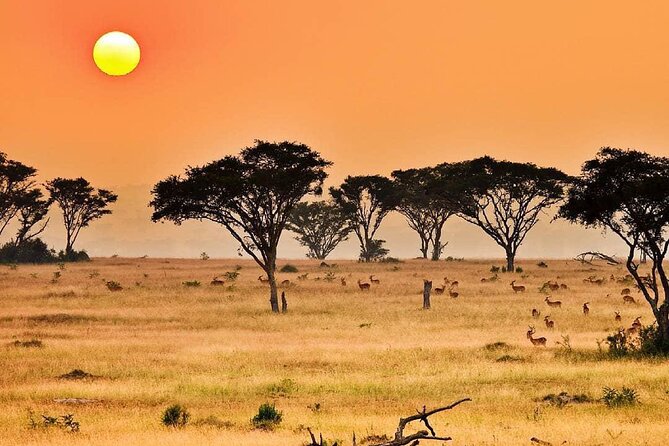
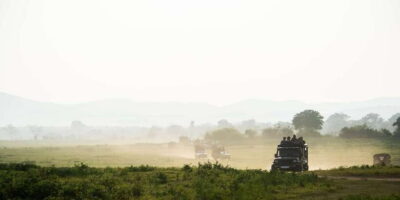
Queen Elizabeth is a two-part day: an early game drive, then a later boat cruise. You start before the day fully heats up to catch animals while they’re more active and before they return to their dens. You’ll look for big cats and birds, plus hippos, buffalo, lions, and hartebeests along the way.
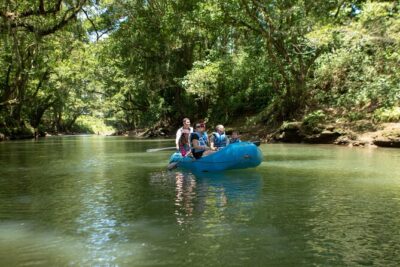
After that, the Kazinga Channel boat cruise gives you a totally different angle on wildlife. The channel links Lake George and Lake Edward and attracts large numbers of animals, so you get long, patient viewing—often one of the easiest days to relax while still seeing a lot. Birdwatching also stays strong here.
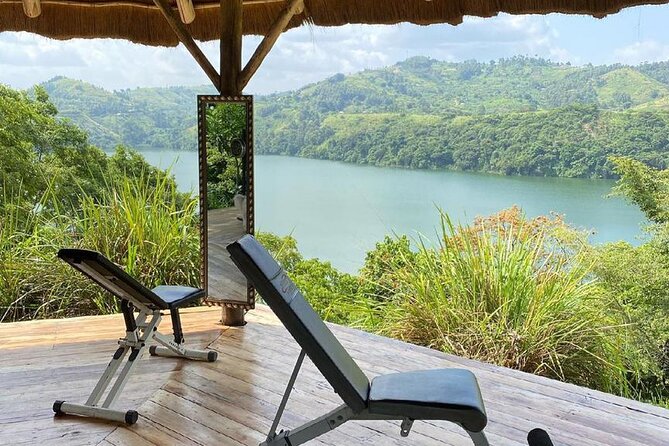
Then you get a full day at Lake Bunyonyi, which is one of the smartest “recovery” stops on the entire trip. With around 29 islands, you can explore by boat and enjoy beaches, green views, and plenty of birdlife. Even if you’re not a dedicated birder, the slow rhythm is a gift in the middle of a long safari. I love how it breaks the cycle of early starts and game drives without making you feel like you’re wasting time.
Bwindi and Volcanoes gorilla days: one hour, lots of emotion, and muddy trails
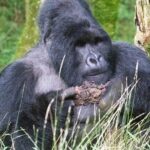
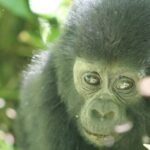
Gorilla trekking is the core reason many people take a trip like this—and this route gives you two gorilla locations: Bwindi Impenetrable National Park in Uganda and Volcanoes National Park in Rwanda.
In Bwindi, you register and get a briefing about park rules and the gorilla groups you might track. Allocation depends on fitness, preference, and age, and you’ll be given a hiking stick once you’re set to go. The trek through dense forest and shrub can mean muddy patches, sudden steep moments, and a lot of “just keep moving” energy. Once you locate the group, you’ll have about one hour with the family, plus a certificate of participation afterward. One hour sounds short—then you realize it’s actually perfect. You’re not worn out to the point you miss it.
Rwanda’s gorilla tracking at Volcanoes has a similar structure: early briefing, guidance on behavior and photo timing, and focus on following instructions once you’re in the presence of the gorillas. Here, you should pay attention to your exact fee coverage. The provided info flags that the Volcanoes gorilla admission ticket is not included, so don’t assume everything is wrapped up in one package. Ask for a clear breakdown before you go.
Kigali Memorial and Golden Monkey tracking: Rwanda’s hills and primate variety
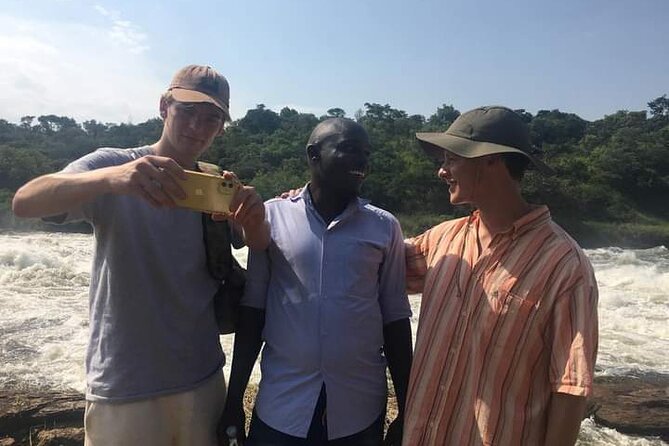
After gorillas, the route shifts toward Rwanda’s cultural and primate offerings. You’ll include a visit to the Kigali Genocide Memorial, then continue with golden monkey tracking in the Volcanoes area.
Golden monkeys are smaller than gorillas but still captivating. They’re endangered, move in large troops, and have distinct golden coats that make them easy to spot once you’re on the right trail. Expect to see other primates along the way too. The experience level here is more “active hiking with wildlife watching” than “heavy jungle scramble,” but it’s still a guided trek with rules to follow.
Rwanda also brings a travel-day contrast: rolling hills, green scenery, and tea plantations. Even the transfer segments matter here because you get a sense of place beyond wildlife checkpoints.
Amboseli: Kilimanjaro mornings and a classic safari rhythm
Then you’re in Kenya, with Amboseli National Park coming in as the first big Kenya stop. You travel from Nairobi around 3 to 5 hours and arrive ready for your first game drive. On clear days, you can see Mount Kilimanjaro from the park—this is the kind of view that makes people stop talking for a minute.
The next day is a full-day game drive with lunch boxes. This is where Amboseli shines: open sight lines, wide plains, and lots of elephant presence in particular. If you enjoy the classic “drive, watch, repeat” safari rhythm, Amboseli delivers without forcing you into extreme hikes.
Lake Nakuru and Masai Mara: flamingo color and lion-first mornings
Lake Nakuru is a visual wow. The park is known for flamingos, and on the lakeshore you can see huge numbers—at times nearly two million flamingos—creating a deep pink band around the edge of the lake. It’s also a rhino sanctuary, including populations of black and white rhinos, so you’re not just chasing pretty birds.
You arrive in time for lunch, then go for an afternoon game drive. The mix is important: arriving mid-day means you still get wildlife time, but you’re not forced into extreme early starts on every single park day.
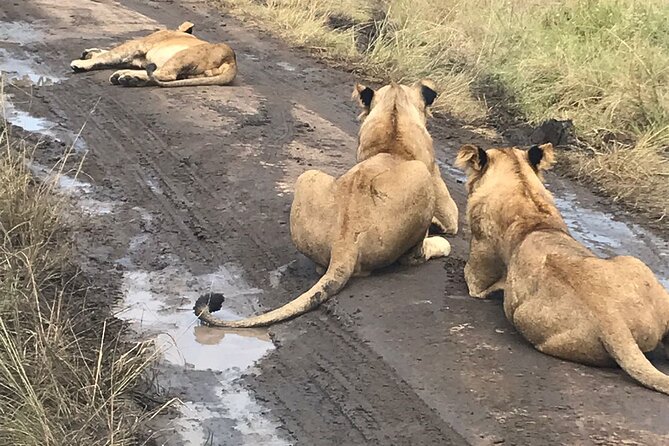
Then you move to Masai Mara National Reserve, where the vibe changes. This is where you focus on predator action and big-cat chances. You’ll do both afternoon and full-day game drives. The Mara is famous for resident wildlife, and it’s also prime for black-maned lions. Cheetahs can be extremely visible here—sometimes even sunning close to vehicles for a better view. Birding also stays strong, with close to 500 species recorded, including multiple eagle and vulture types.
Masai Mara to Serengeti via Isebania: long transfer day with a purpose
One of the most interesting parts of this trip is how it handles the border crossing into Tanzania. The transfer from Masai Mara to Serengeti happens through the Isebania border and takes most of the day, with a game drive in the morning and again in the afternoon. That way, the day doesn’t feel like wasted hours stuck in paperwork and roads.
You also schedule a community tour with the Masai people. This is a nice balance to the wildlife intensity because it gives you human context—how communities connect with the land and how they explain their way of life. It won’t replace cultural depth if you want deep history, but it adds a grounding layer before you dive fully into Serengeti’s scale.
Serengeti and Oldupai: crater edges and migration scale
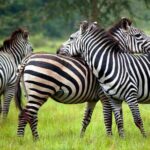
Serengeti National Park lives up to its reputation for scale. The game drive experience includes time where you drive up crater highlands, stop at the rim, and then look out over endless plains. Serengeti is home to more than two million large animals, with over a million wildebeest and hundreds of thousands of zebras and more—so the “endless plains” feeling is not marketing fluff.
There’s also an opportunity to visit Oldupai Gorge and an option for a hot air balloon ride. Ballooning is listed as an opportunity, not guaranteed inclusion in your core day, so treat it like a potential add-on depending on timing and weather.
If you like your safari days to include both sweeping views and close-up animal encounters, Serengeti hits both.
Ngorongoro crater: sunrise viewing and wildlife density that feels unreal
Ngorongoro is where your “wow” turns into “how is this real?” The trip starts with an early safari before breakfast. Then you transfer down into the crater area for a day of wildlife viewing. The crater walls are about 600 meters high, and the crater floor spreads over 264 square kilometers. That’s a huge reason wildlife viewing can feel nonstop.
You’ll focus on a wide range of species, including the rare black rhino, plus elephants with very large tusks that stand out in volcanic soil areas. There’s also the possibility of an afternoon walking safari in the Ngorongoro Highlands, so if you want legs-on-ground time, it’s worth keeping an eye on what’s feasible for your dates.
The second Ngorongoro day includes an early descent again, a picnic lunch near the hippo lake, and more wildlife viewing, followed by a transfer toward Manyara (or nearby Tarangire options). This is a day that rewards patience. You can’t rush a crater view; you can only let it build.
Lake Manyara and Tarangire: tree-climbing lions, baboons, and elephant concentrations
From Ngorongoro, you move toward Lake Manyara and then Tarangire. Lake Manyara is known for lush acacia forests, troops of baboons and blue monkeys, and strong birdlife. You’ll also look for giraffes, elephants, impalas, buffalo, and hippos around the hippo lake area.
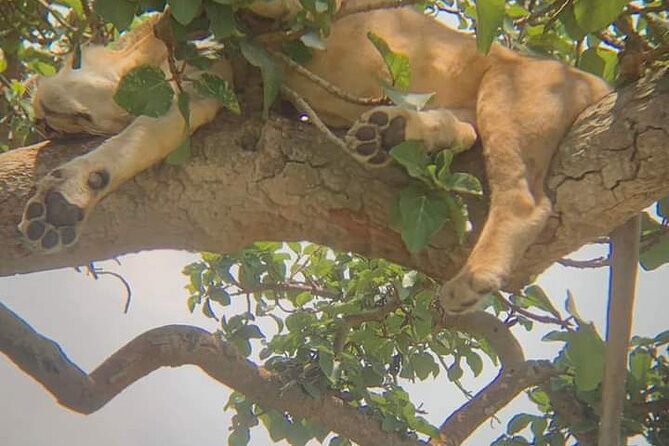
One of the most famous things about Manyara is the chance of tree-climbing lions. Your game drives are done along the shore of the lake, which helps you get animals in the foreground with water and open plains beyond. That framing makes the wildlife viewing feel more “photo-ready” even when you’re just relaxing.
Then comes Tarangire National Park, famous for elephants and massive baobab trees. Wildlife concentrates along the Tarangire River because it’s the only permanent water source in the area. The elephant numbers can reach up to 6,000, and you’ll also look for lions, leopards, and cheetahs. Picnic lunch during a game drive keeps the day practical and comfortable.
Stone Town and Zanzibar: a real beach landing after safari dust
After the mainland safari circuit, you head to Zanzibar and get at least a couple of days where the pace slows down. You’ll transfer from Tarangire to Stone Town for your first night, staying in a boutique hotel in the heart of the old center with restaurants nearby.
Stone Town is a good reset: you’ve done primates and long drives, so now you get to walk around historic streets at a slower speed and choose meals easily. You can also add optional experiences like:
- Old Town guided tour, plus a Spice Tour and a trip to Prison Island (lunch not included)
- A half-day option (Old Town guided tour OR Spice Tour OR Prison Island)
- A Jozani Forest tour (lunch not included)
Then you shift to Zanzibar Island for free time. Your days can be pure beach relaxation—spa, massage, pool time, and ocean swimming—or you can arrange diving or day tours depending on what you feel like that day.
Price and logistics: what $25,500 buys you (and what to double-check)
At $25,500 per person for 25 days, this isn’t a budget safari. The value comes from the sheer route length and the inclusion of high-cost wildlife experiences across multiple countries—plus private guiding and vehicle comfort.
Here’s what’s clearly supported in the package:
- Air-conditioned vehicle and WiFi on board
- Accommodation, plus breakfast, lunch, and dinner on 10 days each (exact days can vary, but meals are covered for a large portion)
- Park-day support with guided logistics across Uganda, Rwanda, Kenya, and Tanzania
- Stone Town lodging and Zanzibar airport transfer near the end
But you should double-check the “not included” parts flagged in your schedule. The information shows that at least one major primate activity has admission not included (notably gorilla tracking at Volcanoes National Park). Also, some optional experiences are mentioned as opportunities—like hot air ballooning—so you should confirm what’s included versus what’s extra.
One more thing: most feedback you shared praises informed, English-speaking guides and strong planning. Names that appear in feedback include Solomon and Abraham, with mention of good guidance and smooth coordination. That’s reassuring.
Still, there is one sharp negative report claiming extra costs and a dispute. I can’t confirm the details beyond what’s stated, but it does signal a smart traveler move: ask your operator for a written breakdown of all included park fees and any expected add-ons before paying the remainder. If you get that in writing, you protect yourself and keep the trip enjoyable.
Who this safari suits best
This route works best if you:
- Want a big East Africa circuit with primates and big game
- Can handle long travel days and early starts
- Appreciate a guided, private experience with a clear plan
- Want the safari to end with Zanzibar beach time instead of another park sprint
You might rethink the trip if you’re strongly time-sensitive for mobility or stamina. Gorilla and chimp trekking both involve real physical effort. Also, this is a full schedule—great for adventurous travelers, less great for anyone who wants empty time every day.
Should you book this 25-day Uganda–Rwanda–Kenya–Tanzania safari with Zanzibar?
If you’re dreaming about gorillas plus the classic Rift Valley parks, I’d say this is the kind of itinerary that can genuinely hit your wildlife wishlist. The route gives you primates in Uganda and Rwanda, then big game drives in Kenya and Tanzania, and finally an actual decompression phase in Stone Town and on the beach.
Book it if you’re ready for early mornings, want a private setup, and can confirm exactly what’s included in park admissions. Don’t just trust the headline price—ask for the fee breakdown for any “not included” items and optional experiences. Do that, and you’ll be in a great position to focus on the real reason you came: wild animals, guided expertise, and the reward of Zanzibar afterward.
FAQ
How long is the safari?
The safari is listed as 25 days (approx.).
Where does the trip start and where does it end?
It starts at Entebbe International Airport (with possible transfer to a hotel in Entebbe or Kampala depending on arrival time). It ends back at the meeting point, with the last day including a Zanzibar airport transfer.
Is airport pickup included at the start?
The information says your guide and driver will wait for you at Entebbe Airport and transfer you to a hotel depending on arrival time.
Is this tour private?
Yes. It’s described as private, meaning only your group participates.
What wildlife and primate activities are included?
The trip includes chimpanzee tracking in Kibale, gorilla trekking in Bwindi and Volcanoes, and golden monkey tracking. It also includes game drives and wildlife viewing in multiple national parks, plus boat cruises at Kazinga Channel and Murchison Falls.
Is WiFi available during the trip?
Yes, WiFi on board is included.
What meals are included?
The package lists breakfast (10), lunch (10), and dinner (10). It also includes accommodation throughout the itinerary as stated.
Are park entry fees always included?
The info shows some activities with admission ticket free and at least one highlighted as admission ticket not included (Volcanoes National Park gorilla tracking). Confirm the final fee breakdown with your operator.
Can the trip be done in the opposite order?
Yes. It can also be done in the opposite order, starting from Arusha.
What cancellation terms are offered?
Free cancellation is available. You can cancel up to 24 hours in advance for a full refund; within 24 hours, the paid amount is not refunded.