REVIEW · NAIROBI
4 Days Safari Adventure Masai Mara and Nakuru Park Group
Book on Viator →Operated by AXIS AFRICA SAFARIS · Bookable on Viator
Safari mornings hit fast. Then the animals keep answering back.
This 4-day group safari mixes Masai Mara game drives with Lake Nakuru bird-and-rhino chances, plus solid meal coverage and pickup from Nairobi. One thing to consider: the Mara side is a budget-style tented camp, and insect issues have come up for some people on the third-night hotel stay—pack insect repellent and be ready for basic realities of wildlife country.
What I like most is the timing. You get a late-afternoon drive on arrival (when things can get active), a full Mara day, and an early Nakuru morning for the birds. Add a small group cap (up to 14) and you’re more likely to keep up with your guide’s spotting game.
In This Review
- Key highlights to know before you go
- Why Masai Mara plus Lake Nakuru works in four days
- Pickup from Nairobi and that Great Rift Valley photo stop
- Day 1 in the Masai Mara: Narok Town, lunch, and the late-afternoon drive
- The camp reality check: budget tents with self-contained comfort
- Day 2 in Masai Mara: Mara River time and the Serengeti border edge
- Day 3: optional Masai Village, then transfer to Nakuru
- Day 4 at Lake Nakuru: flamingos, pelicans, black rhino chances
- Price and value: what $806 really covers
- How the guide and small group size affect your sightings
- Packing list for this route (stuff that earns its place)
- Who should book this safari and who might want to adjust
- Should you book this 4-day Masai Mara and Nakuru safari?
- FAQ
- What time does pickup start in Nairobi?
- How many nights do you spend in the parks?
- Are meals included in the tour price?
- Are park admission fees included?
- Is the Masai Village visit included?
- What kind of wildlife and birds should I expect at Lake Nakuru?
- What does the group size limit mean?
- What’s the cancellation rule if weather is bad?
Key highlights to know before you go
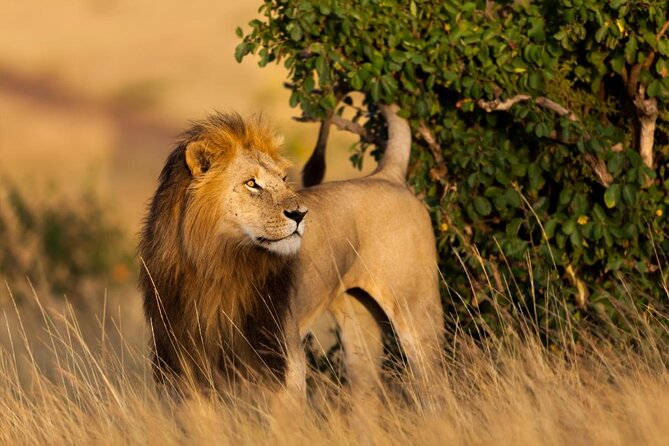
- Two parks, tight circuit: Masai Mara for 2 nights, then Lake Nakuru for a focused morning.
- Rift Valley viewpoint stop: A quick photo break en route out of Nairobi.
- Full day in the Mara: Time at the Mara River and the border area for serious wildlife chances.
- Big birding focus at Nakuru: Flamingos, pelicans, ibis, egrets, marabou stork.
- Optional Masai Village add-on: Pay $20 each if you want it.
- Smaller group feel: Max 14 people on the tour.
Why Masai Mara plus Lake Nakuru works in four days
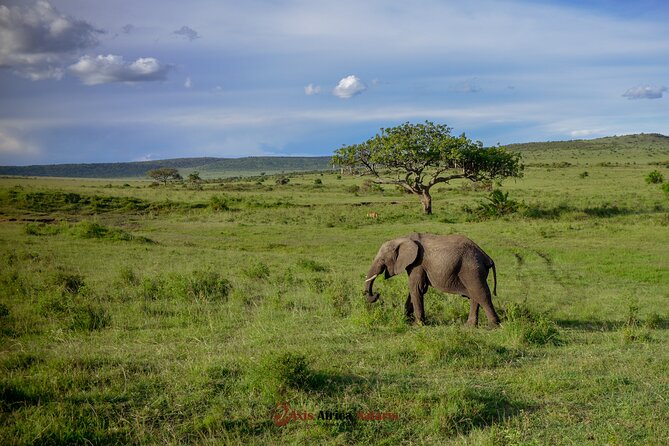
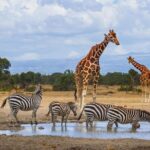
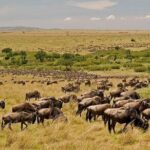
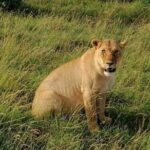
If you have limited time in Kenya, this route makes sense. Masai Mara gives you the classic savanna action, while Lake Nakuru is a birding heavyweight with a chance at rarer wildlife.
You’ll also see how the scenery changes fast in this part of Kenya. The Great Rift Valley viewpoint gives you that big “wait, I’m really here” moment early on, then it’s straight into wildlife time.
This is also a good fit if you like structure. The pace is designed so you aren’t constantly rushing, but you still get daylight game drives and early starts where they matter.
You can also read our reviews of more tours and experiences in Nairobi.
Pickup from Nairobi and that Great Rift Valley photo stop
Your tour starts with pickup from Lakhamshi House in Nairobi, with an assembly window around 7:00–7:30am. You then roll out for a departure around 8:30am toward Masai Mara.
On the way, you’ll stop at a Great Rift Valley viewpoint. It’s short, but it’s a smart way to break up the drive and get a quick feel for the region before you hit the parks.
Practical tip: bring sunglasses and a light layer. Road trips start before it’s fully warm, and the vehicle ride can get dusty.
Day 1 in the Masai Mara: Narok Town, lunch, and the late-afternoon drive
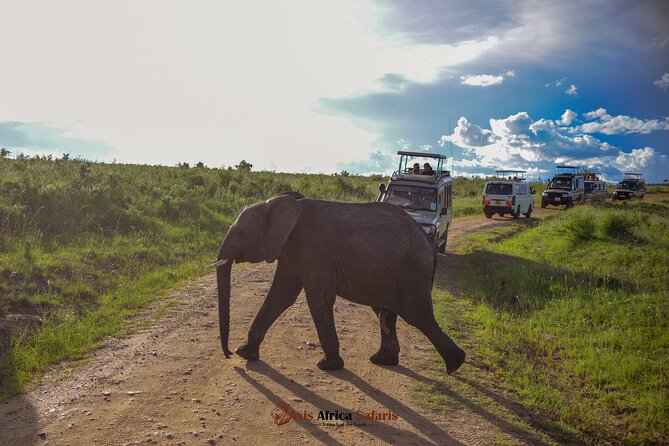
After the viewpoint stop, you continue via Narok Town. You arrive in time for lunch, then the main reward starts: a late-afternoon game drive inside Masai Mara National Reserve.
That drive runs until the park closes (around 6:30pm). That timing matters because wildlife activity often picks up again as the light changes.
You’ll then head to your camp for dinner and sleep. The camp options listed are Lenchada Camp, Rhino Tourist Camp, or sankale-Mara Spring Tented camp, and you’ll stay in budget self-contained tents.
What to expect from the Mara night: it’s not a fancy resort, and that’s the point of keeping this tour value-focused. You’re paying for park time and seeing wildlife, not for marble bathrooms.
The camp reality check: budget tents with self-contained comfort
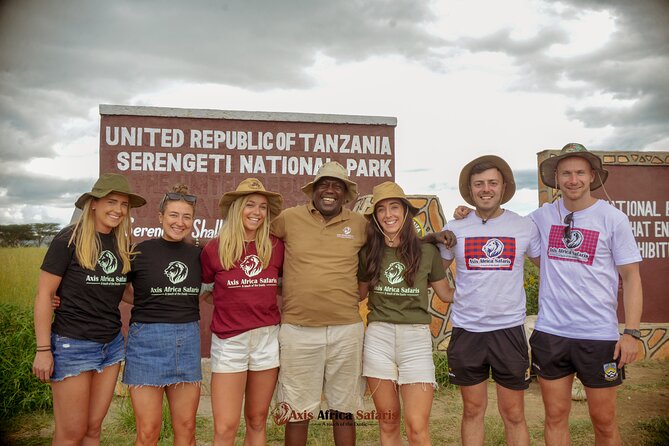
I’m going to be direct here. Budget tented camps can be great, but they also mean you should plan for the real outdoors.
Since the tour highlights “self-contained tents,” you should expect a setup designed for practical comfort rather than just a sleeping bag on the ground. Still, you’ll be in a wildlife reserve, so conditions can be rustic.
One detail worth your attention: some past safari experiences on this route have included concerns about bugs in the room on the third night hotel stay. That doesn’t mean every room will have issues, but it does mean it’s smart to pack insect repellent and check the room before you fully unpack.
Day 2 in Masai Mara: Mara River time and the Serengeti border edge
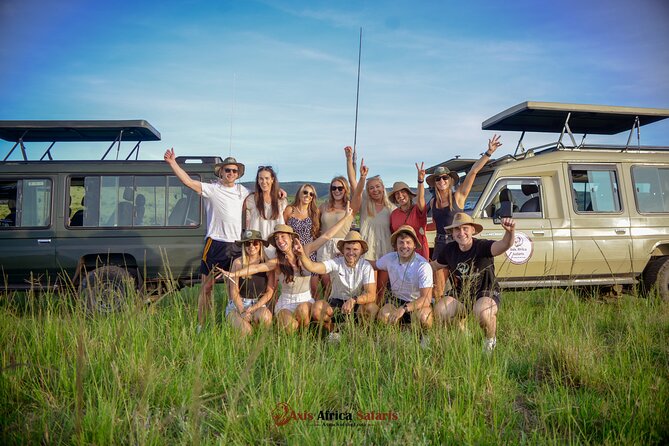
Day 2 is the big wildlife day. After early breakfast, you’ll go out with a picnic lunch and spend a full day exploring Masai Mara National Reserve.
This is where the park’s location really matters. Masai Mara forms the northern part of the famous Serengeti ecosystem, so you’re operating in a vast animal corridor. You’ll also head to the Mara River area at the border of Masai Mara and the Serengeti side.
Having lunch by the river under a tree inside the park is more than a nice break. It keeps you in the action zone longer instead of losing daylight to long drives back to camp.
Practical note: bring patience. Full-day safaris can feel slow for the first hour, then suddenly you’ll wish the day had more hours.

Day 3: optional Masai Village, then transfer to Nakuru
After breakfast on Day 3, you’ll have a short optional visit to a Masai village. The cost is $20 per person, and it’s not included in the main price, so you’ll decide on the spot based on your interests.
Then it’s on the road to Nakuru. You’ll stop for hot or picnic lunch en route, and you should arrive late afternoon at Hillcourt Resort Hotel or Buraha Hotel.
Why this day matters: it resets you from savanna to lake ecology. You’ll go from open park viewing to a very different kind of “what’s out there today?” experience.
Even if you skip the village visit, you’ll still get something out of the transition day: a calmer tempo before the early birds-and-rhinos morning on Day 4.
Day 4 at Lake Nakuru: flamingos, pelicans, black rhino chances
Day 4 starts early with a game drive at Lake Nakuru National Park. This is the park built for birdwatching, and it shows.
You’ll look for large flocks of flamingos, white pelicans, ibis, egrets, and marabou storks. If birds are your thing, this is one of the more rewarding parts of Kenya for a short safari.
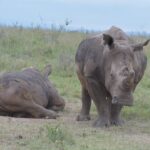
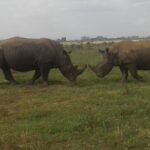
You’re not only watching birds, though. The day also includes chances for animals like the rare black rhino and Rothschild giraffe.
A standout viewing spot here is baboon cliff. It’s a great vantage point for scanning the area and getting those “wide view” photos.
After lunch, you return to Nairobi and drop off at the pickup point. If time allows, you’ll also pass by Makalia Waterfalls briefly. It’s not the main event, but it can be a nice “one more scenic stop” on the way out.
Price and value: what $806 really covers
The price is $806 per person, and this is the kind of package where the real value is in what’s included—not in the headline number.
Included in your cost:
- Transport to and from Nairobi
- Park-related fees and taxes
- Meals: 4 lunches, 3 dinners, and 3 breakfasts
- Admission tickets as listed (not paid separately on the day)
- Mobile ticket and general tour documents
Not included:
- Masai Village visit ($20 each)
- Drinks (alcohol, wines, sodas)
- Tips
So what are you paying for? You’re paying for access, time, and logistics. Safaris are expensive to run because vehicles, drivers, and park operations add up fast. By building meals into the cost, the tour also removes the daily “where should we eat” stress.
Budget reality: accommodation is clearly in the “practical” tier. That’s common on group safaris, and it’s part of keeping the itinerary possible in just four days.
How the guide and small group size affect your sightings
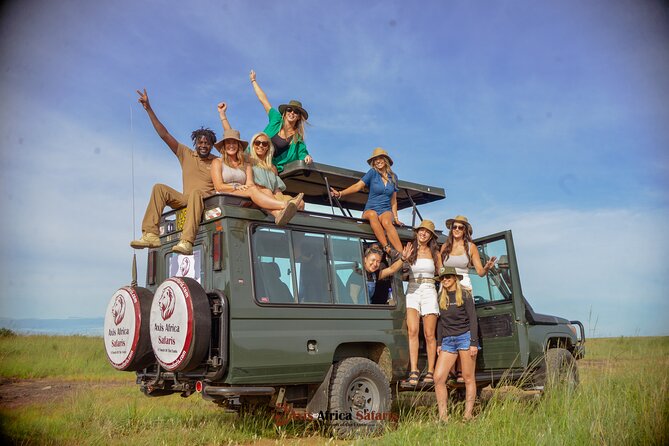
The tour runs with a maximum group size of 14. That matters more than people think. Smaller groups can mean quicker repositioning and less time wasted waiting.
Guides are also a huge part of the experience. In past trips organized by Axis Africa Safaris, people have highlighted coordinators such as Monica and Lucy for keeping things moving smoothly. Guides named in experiences include John, Yasin, David, Dennis, Francis, Jose, Jack, Peter, and Reymond.
What consistently comes through: the best moments often come from the guide’s ability to read the area, spot activity early, and choose viewing spots that keep you close while still respecting animal space. One of the most useful instincts your guide can have is knowing when to push for a sighting—and when to wait for it to come to you.
If you care about photography, ask your guide about where they like to stop for viewing. Even small timing tweaks can mean a better angle.
Packing list for this route (stuff that earns its place)
For a 4-day safari circuit like this, pack for daytime heat, early mornings, and night tent life.
Bring:
- Insect repellent (especially since insect concerns have come up for some stays)
- Sunscreen and a hat
- Sunglasses
- Light layers (morning game drives start cool)
- Binoculars if you have them (birding at Nakuru is easier when you can zoom)
- A small day bag for water and snacks if you need extra between meals
- Cash for the optional Masai Village ($20 each)
- Closed-toe shoes with grip
Also, plan to keep your phone battery ready. Safaris mean constant photo moments, and cold mornings can drain power faster.
Who should book this safari and who might want to adjust
This is a great choice if:
- You want Masai Mara plus Lake Nakuru in a short timeframe
- Birds are a serious priority (flamingos and more)
- You’d rather have meals and logistics handled than build your own route
- You’re comfortable with budget-style lodging and early starts
You might think twice if:
- You want luxury accommodations throughout
- You’re extremely sensitive to basic tent or room conditions
- You hate early wake-ups (Day 4 starts with an early drive)
If you want a more relaxed pace, you could also consider longer trips that add buffer days. But if your main goal is seeing wildlife and you want good value, this one delivers.
Should you book this 4-day Masai Mara and Nakuru safari?
I’d book it if your trip has a tight calendar and you want two of Kenya’s most rewarding experiences—savanna wildlife and top-tier birding—without building a complex itinerary yourself.
Before you go, do three quick checks:
- Decide if you want the optional Masai Village visit (it’s $20 each).
- Pack insect repellent and plan for budget lodging conditions.
- Bring binoculars or be ready to zoom in with your camera for Nakuru’s bird life.
If that sounds like your kind of trip, this safari is a smart way to spend four days in Kenya and come home with photos—and stories—you’ll actually remember.
FAQ
What time does pickup start in Nairobi?
Pickup starts around 7:00–7:30am at Lakhamshi House, Nairobi. The vehicle departs toward Masai Mara at about 8:30am.
How many nights do you spend in the parks?
You’ll spend 2 nights around Masai Mara, then 1 night at a hotel in Nakuru, for a total of 3 overnights.
Are meals included in the tour price?
Yes. The tour includes 4 lunches, 3 dinners, and 3 breakfasts.
Are park admission fees included?
Yes. Admission tickets are listed as free or included, and the tour includes all fees and taxes.
Is the Masai Village visit included?
No. The Masai Village visit is optional and costs $20 per person.
What kind of wildlife and birds should I expect at Lake Nakuru?
Lake Nakuru is known for flamingos, white pelicans, ibis, egrets, and marabou stork, with chances to see the rare black rhino and Rothschild giraffe.
What does the group size limit mean?
The tour has a maximum of 14 travelers, which helps keep the safari manageable and allows your driver/guide to move efficiently.
What’s the cancellation rule if weather is bad?
The tour requires good weather. If it’s canceled due to poor weather, you’ll be offered a different date or a full refund. Cancellation is free up to 24 hours in advance for a full refund.