REVIEW · ARUSHA
Serengeti & Ngorongoro fly in safari
Book on Viator →Operated by safari soles tours · Bookable on Viator
A flight-in safari can turn a big Africa trip into something you can actually fit. This Serengeti & Ngorongoro 3-day safari is built around Seronera game drives and a Ngorongoro Crater day, with sunset viewing and camping equipment handled for you. I love that the price bundles in most of what usually adds up, and you still get real wildlife time in two of Tanzania’s top areas.
I also like the pacing: early starts in the parks, then long enough drives to make each day feel full, not rushed. One thing to keep in mind is that it’s a tight schedule (think long days and early mornings), and it relies on good weather for the flying parts and sightings.
In This Review
- Key highlights you’ll feel right away
- Fly-in safari from Arusha: why this route fits a 3-day plan
- Day 1 in Serengeti’s Seronera: arrival game drive and sunset viewing
- Day 2: early Seronera game drive, lunch by the park, then toward Ngorongoro
- Day 3 in Ngorongoro Crater: descending for black rhinos
- Camping equipment and meals: where this tour controls costs without cutting essentials
- Optional Maasai Village visit: adding culture with a light touch
- Price and value: what you’re paying for (and why it feels fair)
- The guide and chef factor: why the small team details matter
- Who this safari suits (and who should think twice)
- Should you book this Serengeti and Ngorongoro fly-in safari?
- FAQ
- Where does pickup happen for the flight to Serengeti?
- How long is this safari?
- What’s included in the price?
- Are meals and camping gear provided?
- Is the Maasai Village visit included?
- What if weather is poor, or I need to cancel?
Key highlights you’ll feel right away
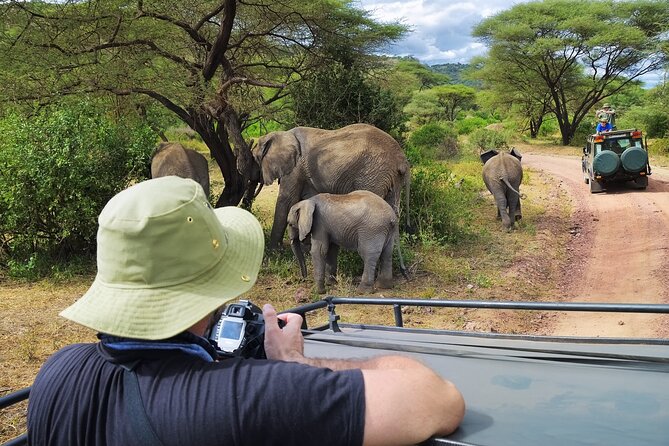
- Fly-in time saver from Arusha (or Zanzibar/Dar es Salaam) so you spend more daylight doing game drives
- Seronera focus with a late-day sunset drive in Serengeti
- Early animal hours on Day 2, when wildlife activity is typically best
- Ngorongoro descent for black rhinos, with a crater setup that makes spotting harder
- Camping equipment and campsites included, so you’re not sourcing gear at the last minute
- Optional Maasai Village stop, for culture without eating up your whole day
Fly-in safari from Arusha: why this route fits a 3-day plan
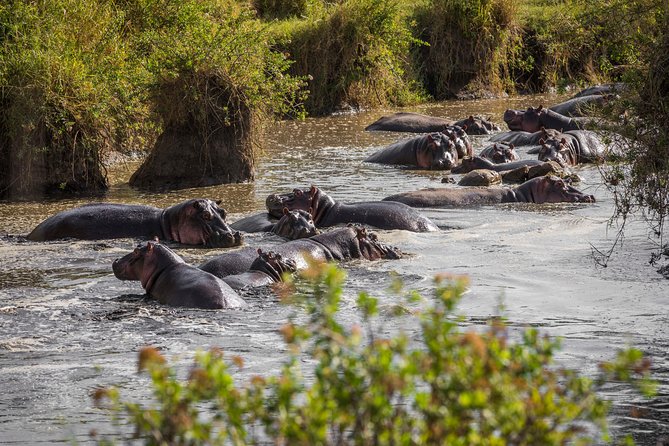
If you’re trying to do Serengeti and Ngorongoro in just a few days, road travel alone can eat your time. This tour starts with pickup in Arusha, Zanzibar, or Dar es Salaam, then gets you to the airport for a scheduled flight to Serengeti so you can arrive in the morning and start seeing animals fast.
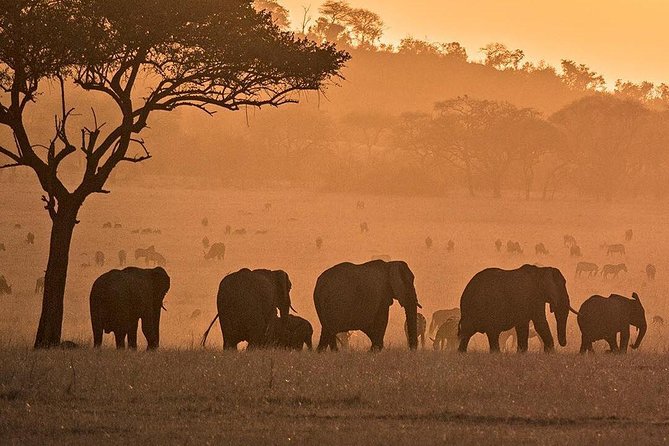
That matters because Serengeti is vast. When you fly in and base yourself around Seronera (the center of Serengeti), you can actually spend meaningful hours on safari rather than just transferring between far-flung areas. You’re also set up for a classic end-of-day moment: the plan includes time for sunset in Serengeti, usually when animals are moving and the light turns golden.
One practical note: flying routes in and around safaris usually come with early wake-up times. The itinerary moves you through the day in big chunks (about 12 hours on the first two days), so if you hate early mornings, plan on adjusting your routine.
You can also read our reviews of more tours and experiences in Arusha.
Day 1 in Serengeti’s Seronera: arrival game drive and sunset viewing
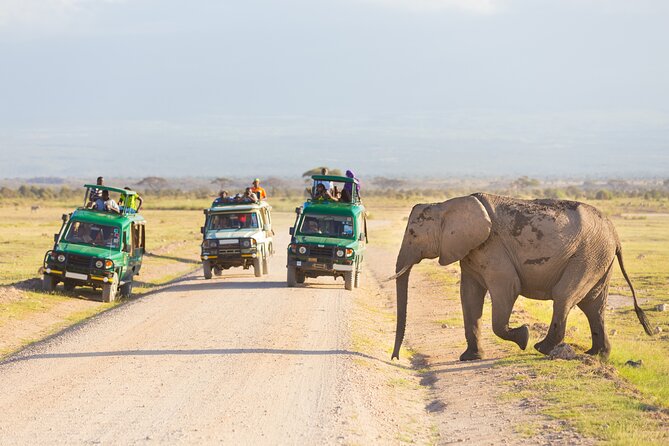
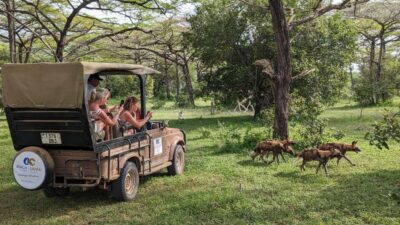
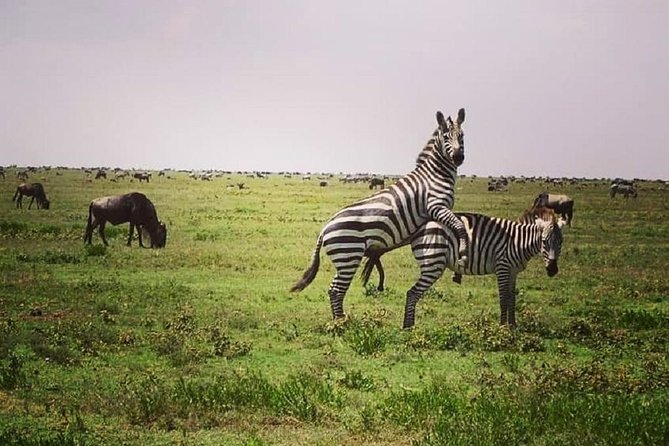
On Day 1, you’ll be picked up and taken to the airport, then fly to Serengeti and arrive in the morning. The first big wildlife session is a game drive in Seronera, where you’ll be looking for the kind of action that makes people fall in love with this park: predators hunting, prey moving in groups, and the constant grind of survival you can see without needing a “special show.”
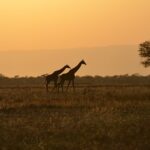
You’ll continue driving through the day into the late evening, and this is where the day gets extra memorable. The plan calls out sunset in Serengeti, with the chance to see close wildlife moments. There’s even a specific kind of luck they mention: possibly seeing a predator hunting or on a kill. You can’t control that, but it’s a good reminder to stay alert rather than just snapping photos.
Overnight is at a Serengeti safari lodge. That’s a nice contrast to the camping style on other nights, and it helps break up the trip so you’re not in full roughing-it mode the whole time. Still, Day 1 is long, so I’d treat it like a full adventure day: eat well when you can, keep water handy when offered, and pack layers for changing temperatures as evening rolls in.
Day 2: early Seronera game drive, lunch by the park, then toward Ngorongoro
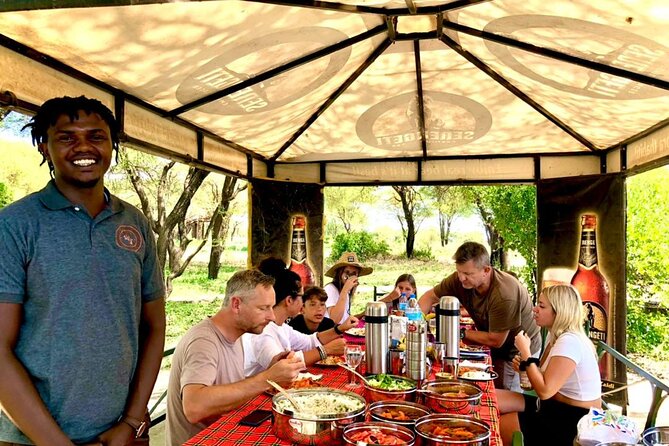
Day 2 begins with an early breakfast and then another early game drive in Seronera. This is one of the smartest parts of the itinerary. When you’re on safari, the first light often brings the most movement—feeding, crossing, and predators checking the edges. Even if you don’t see a dramatic chase, you usually see more wildlife activity earlier in the day than later.
The driving runs from morning into afternoon. Then you head to camp for lunch, and the schedule keeps you in park mode: there’s a game drive while you’re moving out of Serengeti and heading toward the Ngorongoro area, ending at Ngorongoro Serena lodge.
That in-between game drive is more than filler. Exiting the park isn’t automatically “less interesting.” If you’re still in wildlife zones during the transfer, you can catch animals that are moving toward water, grazing areas, or new territories. It’s also a sanity saver: you aren’t just traveling; you’re still doing what you came for.
Day 2 also helps set up Day 3. Getting to the Ngorongoro side the same day means you can start early on the crater and make the most of your descent time.
Day 3 in Ngorongoro Crater: descending for black rhinos
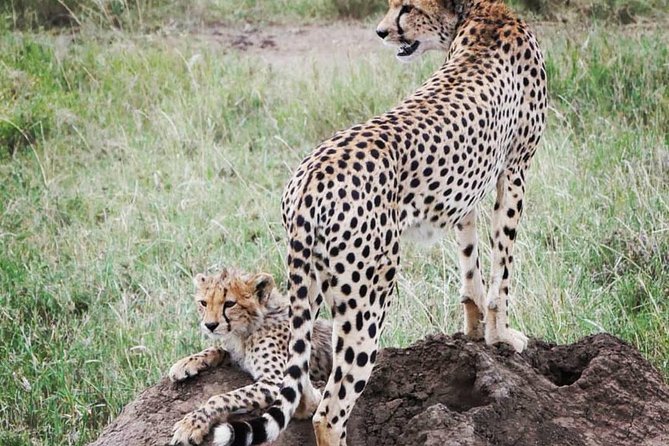
Day 3 is built around the Ngorongoro Crater, and it starts with an early breakfast followed by a crater descent. This is the day you come for if you want the chance to spot black rhinos.
Here’s the key detail that can set expectations: the tour notes that black rhinos are hardest to spot because they’re more difficult to find compared with other animals from the crater’s viewpoint. That matters. Many people go into Ngorongoro expecting instant rhino sightings. Instead, you should think of it as a focused search day—more like tracking a rare outcome than expecting a guarantee.
After lunch, you do another game drive and then ascend from the crater. The itinerary also mentions heading to camp to pack for the trip back to Arusha town.
Even without exact distances listed, crater descents usually mean you’ll be dealing with steps, uneven surfaces, or a change in footing. Wear shoes that work on real ground, not slick sandals. And bring layers; crater temperatures can feel different from what you expect at the rim.
Camping equipment and meals: where this tour controls costs without cutting essentials
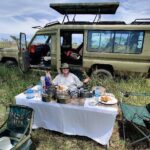
One of the best “value clues” in this safari is what’s included: camping equipment plus campsites for overnights, along with most of your food. Specifically, the tour includes Breakfast (2), Lunch (3), and Dinner (2), and it lists all fees and taxes as included.
That combination matters because it removes the hidden add-ons that often sneak into short safaris—park fees, gear rentals, and meal planning. If you want a Serengeti and Ngorongoro safari but don’t want to manage dozens of small logistics calls, this format does that work for you.
Now, a balanced note: camping comfort depends on the camp setup and conditions, and the itinerary doesn’t promise a luxury camping style. What you can count on is that you won’t be left figuring out gear. If you’re picky about sleeping arrangements, bring your own comfort items where you can—like a small pillow cover, a sleep mask, or whatever helps you rest in changing environments.
Also, there’s a small but real detail: restroom on board isn’t included. That doesn’t mean you won’t have chances to use facilities during the day, but it’s a heads-up that flights and transfers might not be like normal city commutes. Keep wipes and tissues in your day bag, and don’t wait until you’re desperate.
Optional Maasai Village visit: adding culture with a light touch
The itinerary lists a Maasai Village stop as optional. If you care about meeting people and learning about local life, this can add texture to all the wildlife scenes.
I like optional cultural stops in safari itineraries because you can match it to your mood. If you’re tired after long drives, you can skip it. If you want context for how communities live alongside wildlife landscapes, it can be a meaningful break from animal spotting—without turning the trip into a classroom day.
You don’t need to overthink it. Just decide early so you’re not deciding while you’re already exhausted.
Price and value: what you’re paying for (and why it feels fair)
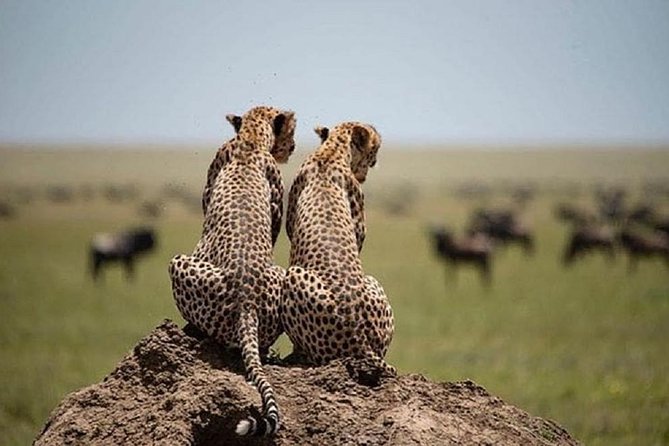
At $2,750.77 per person, this isn’t a cheap safari in the way that “budget backpacking” is cheap. But for a 3-day Serengeti + Ngorongoro plan with fly-in routing, park fees and taxes included, and camping equipment plus most meals handled, it compares well to the common pattern where you pay separately for flights, entry fees, and gear.
The value case is simple:
- Fly-in reduces wasted travel time, so your dollars buy more safari hours.
- All fees and taxes reduce the surprise factor.
- Camping equipment included means you’re not paying for rentals or scrambling for gear.
- Most meals are included, which keeps you from spending safari-day energy on food hunting.
You also get group discounts, and the experience is described as private to your group. That combination usually helps keep the vibe comfortable and organized.
Who should consider the price ceiling? If you’re traveling with a group and can use the group discount, the “per person” value improves fast. If you’re solo, you still may like the short timeframe and included structure, but you’ll feel the cost more.
The guide and chef factor: why the small team details matter
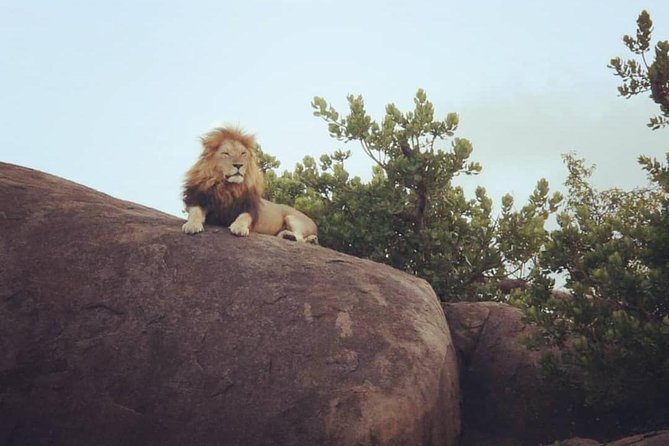
This kind of trip lives or dies on how well your team keeps time and energy balanced. One standout detail from feedback included a guide named Isaac, described as very knowledgeable and also very friendly. Another name that shows up is Mr. Ali as the chef, praised for being both friendly and fun.
Even if you don’t get those exact people, the bigger lesson is transferable: on a short safari, you want a team that can explain what you’re seeing, keep schedules moving, and feed you well. When meals and timing are solid, the long travel days feel less grindy.
If you’re the type who likes understanding animal behavior, ask your guide to point out what to watch for on each drive—tracks, grazing patterns, group behavior. On safari, the best “souvenir” is your ability to read the landscape as it happens.
Who this safari suits (and who should think twice)
This is a strong fit if you:
- Want Serengeti National Park and Ngorongoro Conservation Area in a short trip
- Like the idea of early game drives and a real sunset moment
- Are okay with a mix of lodge and camping nights
- Prefer a package that includes fees, taxes, equipment, and most meals
It may not be ideal if you:
- Get cranky with early mornings and long driving days
- Are uncomfortable with camping-style arrangements
- Need lots of downtime between activities
Also remember the tour notes that it requires good weather. If flights or schedules get affected, you may have to adjust to what the day allows.
Should you book this Serengeti and Ngorongoro fly-in safari?
I’d book it if your top priority is real wildlife time in two of Tanzania’s most famous areas, without the hassle of building the whole trip piece by piece. The fly-in format makes the schedule realistic, and the included camping equipment and meal plan helps keep you from nickel-and-diming your way through a dream itinerary.
I’d pause if you’re very sensitive to early starts, or if camping comfort is a dealbreaker. In that case, you might be happier with a longer safari that lets you slow down, or a version that’s lodge-only.
If your goal is a focused, time-efficient Serengeti and Ngorongoro experience that feels organized from morning pickup to the return to Arusha, this one has a lot going for it.
FAQ
Where does pickup happen for the flight to Serengeti?
Pickup is offered from Arusha, Zanzibar, or Dar es Salaam. From there, you’re transferred to the airport for a scheduled flight to Serengeti.
How long is this safari?
It runs for about 3 days.
What’s included in the price?
The tour lists all fees and taxes as included, along with camping equipment and the included meals (breakfast, lunch, and dinner).
Are meals and camping gear provided?
Yes. You get camping equipment and campsites for the overnights. Meals included are breakfast (2), lunch (3), and dinner (2).
Is the Maasai Village visit included?
The Maasai Village stop is described as optional, so you can choose whether to add it.
What if weather is poor, or I need to cancel?
The experience requires good weather. If it’s canceled due to poor weather, you’ll be offered a different date or a full refund. For cancellations, you can cancel up to 6 days in advance for a full refund, with smaller refund amounts if you cancel closer to the start time.