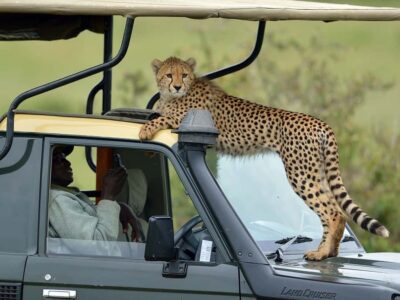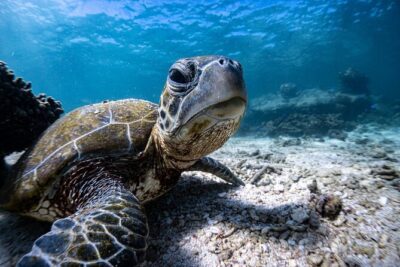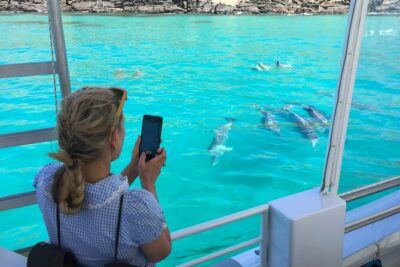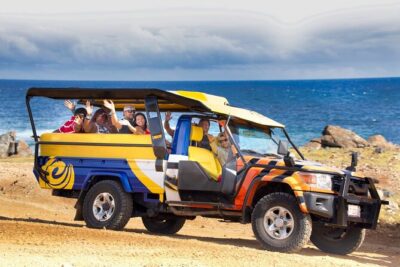
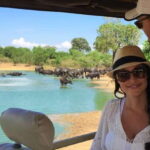
A jeep safari in Udawalawe can feel like you’re watching real life unfold. This half-day private tour in Sri Lanka is built around easy wildlife spotting in open, vehicle-friendly terrain, with frequent close elephant encounters and a driver who knows where to position the jeep. I especially like that you can book private jeep time with up to 6 people, so you’re not stuck at the mercy of a big tour crowd.
The second big win is the chance to see more than elephants: you’ll be scanning for birds, monkeys, crocodiles, and other animals that share Udawalawe’s water and grassland areas. One thing to plan for: the national park entrance fee is not included, so your all-in total is higher than the listed tour price.
In This Review
- Key Things That Make This Udawalawe Private Jeep Safari Work
- Why Udawalawe National Park Is a Big Deal for Elephants
- Private Pickup vs Meeting at the Gate: How to Set Yourself Up
- Jeep Safari Basics: What a 4-Hour Ride Feels Like
- Udawalawe Main Stop: How Elephant Spotting Actually Happens
- Beyond Elephants: Crocodiles, Birds, Monkeys, and More
- Timing Choices: Morning vs Afternoon for Better Odds
- Price and Value: What You Pay vs What You Actually Get
- Comfort, Photos, and Real Viewing Tips That Matter
- Who This Safari Fits Best (and Who Should Think Twice)
- Quick Reality Check: What to Expect in 4 Hours
- Should You Book This Half-Day Private Udawalawe Jeep Safari?
- FAQ
- How long is the Udawalawe National Park half-day jeep safari?
- Is hotel pickup included?
- How many people are in each jeep?
- Are the national park entrance tickets included in the price?
- What’s included in the tour price besides the jeep?
- Does the tour include food and drinks?
- What departure times are available?
- What if the safari is canceled due to weather?
Key Things That Make This Udawalawe Private Jeep Safari Work
- Small-group jeep (max 6 passengers) for better viewing and easier questions for your driver
- Real wildlife focus in Udawalawe, famous for big Asian elephant herds
- Morning or afternoon departures so you can match the park to your schedule
- Driver-guides who find animals across the day, including families and calves
- Pickup and drop-off within 5 km of Udawalawa Hotel Area, if you’re staying close enough
- 4×4 comfort for rugged roads, helping you keep your eyes on the animals (not on the potholes)
Why Udawalawe National Park Is a Big Deal for Elephants
Udawalawe is one of Sri Lanka’s best places to see Asian elephants without feeling like you’re guessing. The park’s reputation is simple: elephants are numerous, and they often show up in clusters that can include families. That matters because elephant herds spread out, and it’s not enough to just be near the park. You want the jeep in the right places at the right times—and that’s where a strong driver makes your day.
What I like about Udawalawe is how practical the setting feels for wildlife watching. The terrain is open enough that animals don’t always have to be hidden behind thick cover. That gives you a better shot at clean sightings from your vehicle, which is a big deal on safari when you’re trying to take photos or just enjoy the moment without constantly craning your neck.
Also, Udawalawe isn’t only about elephants. When people talk about seeing crocodiles, water buffalo, monkeys, and lots of birds, it’s because the park has water and habitat variety. Elephants bring the spotlight, but the rest of the food chain keeps the day interesting.
You can also read our reviews of more tours and experiences in Udawalawa.
Private Pickup vs Meeting at the Gate: How to Set Yourself Up
You have two ways to start: you can arrange pickup from your location within a limited radius, or you can head to the park gate to meet your dedicated guide. This matters more than it sounds, because safari timing is everything. If you’re cutting it close, you’ll feel it later when you realize you lost prime viewing windows.
Here’s the practical part: pickup is included only if you’re within 5 km of the Udawalawa Hotel Area. If you’re farther out, you’ll likely do the meet-at-the-gate plan. Either way, you’ll connect with your guide first, then move to the safari vehicle.
In the field, guide names you might cross paths with include Navee, Vishwa, and Rangana. The common theme is that they’re not just driving—you’re getting someone who watches the landscape for animal movement and then places the jeep for the best view. When you’re paying for private, this is exactly what you want: a driver who treats your group like the priority.
Jeep Safari Basics: What a 4-Hour Ride Feels Like
This safari runs about 4 hours. That half-day length hits a sweet spot: you get enough time for multiple wildlife sightings, but you’re not stuck on the road all day. In Udawalawe, that shorter format can work well because animals may appear near water edges or travel corridors, and you don’t need 8 hours to get real value—if your driver is moving smartly.
You’ll ride in a robust 4×4 made for the park’s rougher terrain. The goal is to keep you stable enough to spot wildlife clearly and to avoid constant interruptions. In the real world, bumpy roads can ruin your attention. Good drivers reduce that problem by picking routes that keep the jeep positioned for viewing.
One small but meaningful detail: you’re in a private jeep setup with a maximum of 6 passengers. Fewer people usually means less crowding around windows and fewer distractions. It also makes a difference for questions. You can ask about what you’re seeing—elephant behavior, bird calls, or why certain animals cluster near water—without having the moment swallowed by a large group.
Udawalawe Main Stop: How Elephant Spotting Actually Happens
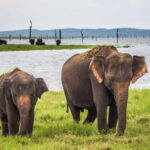
Your safari time centers on Udawalawe National Park itself. The big focus is the elephant population, including families that may include young calves. People often describe seeing elephants at close range in herds, sometimes with adults and babies together. That’s the kind of sight that makes the safari feel extra real, not staged.
What I like about Udawalawe for elephants is that you’re not just chasing a single animal. You’re scanning for behavior: who’s drinking, who’s moving through grass, who’s staying close to the herd. With herds that can be large—often described as dozens up to around 100—elephants can gather, shift, and regroup. A strong guide helps you stay on the right thread of that action instead of circling blindly.
The driver’s job isn’t just to find elephants once. It’s to keep the viewing productive for the full 4 hours. In practice, that means you may spend time positioning the jeep for the best angle, then shift when you spot new movement. If your guide has sharp eyesight, you’ll also benefit from earlier sightings of smaller animals and birds that most people miss.
Beyond Elephants: Crocodiles, Birds, Monkeys, and More
Udawalawe rewards your attention when you look past the obvious. You might see other mammals like water buffalo, jackals, wild boars, mongooses, and foxes. Monkeys also show up in different forms, including toque macaques. There’s even mention of bandicoots and gray langurs—proof that the park supports a wider mix of species than you might expect from an elephant-first destination.
Crocodiles are another common highlight. When you spot them, it usually ties back to water and shoreline edges. This is why elephant country often doubles as crocodile country. Big animals attract attention, but water attracts life of every size.
Birdlife is a big deal too. Expect to scan for lots of winged activity while you’re waiting for the next animal movement. Some guides are especially good at picking out tiny birds and colorful perching species. In one case, people described how the guide’s spotting of small birds blew their mind—so if bird watching is your thing, this is a good safari to choose.
And yes, you may also see lizards and other small creatures. Those moments are easy to miss in a hurry, but when your driver slows down for a better view, you get the full wildlife picture rather than only the headline animals.
Timing Choices: Morning vs Afternoon for Better Odds
Udawalawe offers morning and afternoon departure choices. This isn’t a marketing line; timing affects what you see. Early light can make scanning easier, and animals may appear differently depending on heat and daily rhythms. Many safari-goers prefer early starts because you’re closer to cooler conditions and often get clearer animal activity.
If you’ve seen time slots like 5:30am or 8am, those are examples of the morning schedule that people frequently choose. Afternoon safaris can be great too—especially if you want a calmer vibe or you’re fitting this around other parts of your day. Some people even reported better crowd levels on afternoon drives.
Pick your timing based on your pace:
- If you want more action early, choose the morning option.
- If you want a more relaxed day flow, choose afternoon.
Either way, remember that you’re sharing the park with wild animals, so no one can guarantee a specific count. The driver’s strategy matters, and that’s what you’re really buying with private.
Price and Value: What You Pay vs What You Actually Get
The tour price is $22 per person, with a private safari jeep and an experienced driver-guide. That sounds like a bargain, and for the vehicle time and guiding, it can be. But there’s one crucial line item you must account for: national park entrance tickets are not included, listed at $43 per person.
So your likely all-in cost for the safari + entrance ticket is about $65 per person. That still can be good value because you’re paying for:
- a private jeep (max 6 passengers),
- a driver-guide who positions you for sightings,
- and a half-day length that fits well into most travel itineraries.
Is it worth it? Usually, yes, if you care about elephant time and you want a smaller, more flexible safari experience. If you’re traveling solo or as a couple, private can feel more expensive per person than a shared tour—but the payoff is attention and less crowd pressure at viewing points.
Also consider the ride. A 4×4 jeep safari in a park like Udawalawe is one of the most efficient ways to see wildlife without spending your own time figuring out where to go. This is guided transport built for animal spotting, not just a ride through a scenic area.
Comfort, Photos, and Real Viewing Tips That Matter
From the descriptions of people’s experiences, a key benefit is clear viewing from a jeep designed for the park. That means you’re not constantly fighting bad angles or obstructed sightlines. Still, you’ll get better results if you plan your camera habits.
My practical suggestions:
- Bring something comfortable for bumpy roads (water helps too, even though it’s not included).
- Wear light layers; mornings and afternoons can feel different once you’re out and waiting.
- Put your lens ready before the guide makes a stop. Wildlife doesn’t wait for you to adjust settings.
- If you’re chasing elephant photos, pay attention to where the herd is moving, not only where they are.
One more tip: since the park is known for elephants, many people focus on the biggest animals and miss small behavior details. If you look for patterns—how birds react, where elephants stop to drink, how water attracts other animals—you’ll end up with a more rewarding overall safari story.
Who This Safari Fits Best (and Who Should Think Twice)
This is a strong fit for:
- Families and small groups who want private jeep time with room to see.
- Elephant-focused travelers who want close-up viewing and family herds.
- Bird watchers and wildlife photographers who enjoy scans for smaller species too.
- Anyone who wants morning or afternoon flexibility.
It may not be your best choice if:
- You’re on a tight budget and entrance fees will stretch your total.
- You want an all-day safari with more chances for long-distance wildlife encounters.
- Weather swings could ruin plans. The experience requires good weather, and if it’s canceled for poor weather, you’ll be offered a different date or a full refund.
Quick Reality Check: What to Expect in 4 Hours
In a half-day safari, you should expect a sequence of animal sightings—sometimes lots, sometimes fewer, depending on where animals are at that moment. Many people describe seeing multiple elephants, including calves, plus other animals like crocodiles and buffalo. Others focus on fewer moments but higher quality ones.
The best way to think about Udawalawe is like this: your 4 hours are a moving window across a huge park, and your driver tries to place you where wildlife is actively showing itself. That’s why the private element and the driver’s ability to spot and position matter so much.
If you get a guide like Navee or Vishwa (or another equally sharp driver), you can often feel the difference quickly: more time spent where animals are, less time spent hoping they appear.
Should You Book This Half-Day Private Udawalawe Jeep Safari?
If your main goal is elephants in Udawalawe and you want a small-group, private-feeling safari experience, I’d book it. The jeep setup, the driver-guide attention, and the 4-hour timing add up to a high chance of meaningful sightings without eating your whole day.
Book it if:
- You want private jeep time for up to 6 people.
- You can pay the entrance fee on top of the tour price.
- You care about both elephants and the supporting cast of wildlife, especially birds and crocodiles.
Skip it (or compare options) if:
- You’re only interested in a guaranteed number of animals. No safari can promise exact outcomes in a wild park.
- You’re traveling during a period when weather is unreliable and you can’t shift plans.
If you do book, pick your departure time based on your schedule and your energy level. Then go in with a patient mindset. In Udawalawe, the best moments often show up when you’re paying attention—not when you’re rushing.
FAQ
How long is the Udawalawe National Park half-day jeep safari?
It runs for about 4 hours.
Is hotel pickup included?
Pickup is included from any location within a radius of 5 km from the Udawalawa Hotel Area. Otherwise, you’ll meet your guide at the park gate.
How many people are in each jeep?
Each private jeep holds a maximum of 6 passengers.
Are the national park entrance tickets included in the price?
No. National park entrance tickets cost $43.00 per person and are not included.
What’s included in the tour price besides the jeep?
You get a private safari jeep, an experienced driver-guide, and free pickup and drop-off within the 5 km radius.
Does the tour include food and drinks?
No, food and drinks aren’t included.
What departure times are available?
You can choose either a morning or an afternoon departure.
What if the safari is canceled due to weather?
If it’s canceled because of poor weather, you’ll be offered a different date or a full refund.