REVIEW · TROMSO
Aurora Safari Minibus, private locations all around the region
Book on Viator →Operated by Best Arctic AS · Bookable on Viator
Aurora hunting starts with a minibus and a plan. I love the small-group chase across Troms with private camp stops, and I love the real photo coaching plus tripods so you’re not guessing in the dark. The trade-off: the lights are never guaranteed, and if activity is low you might spend more time waiting than you wanted.
You’re out for about 5 to 7 hours, starting at 6:45 pm from Prostneset. The hunt mixes bus drives, cold-air patience, and warm breaks, including hot chocolate/coffee and winter suits that actually help you stay outside longer.
In This Review
- Key things I’d plan around
- Chasing the Northern Lights the Tromsø Minibus Way
- Price and What You Really Get for $193.13
- Meeting Point and Timing: Prostneset at 6:45 pm
- Stop 1 in Troms: Coastal Drives, Inland Chances, and Private Camps
- Stop 2 Around Tromsø: Flex Viewing Points on the Way Back
- Photo Help That Actually Changes Your Results
- Warmth Strategy: Winter Suits, Reflectors, Bonfire Time, Hot Drinks
- Group Size: Personal Attention Without Feeling Like a Private Charter
- How the Tour Handles Real Nights: The Good, the Bad, the In-Between
- Who Should Book This Aurora Safari Minibus?
- Should You Book It?
- FAQ
- Where do we meet for the Aurora Safari Minibus?
- What time does the tour start?
- How long is the tour?
- What’s included for Aurora photography?
- What food and drinks are included?
- Do I need to bring winter boots and layers?
- How big is the group?
- Is the tour offered in English?
- What if the weather is poor or the tour is canceled?
Key things I’d plan around
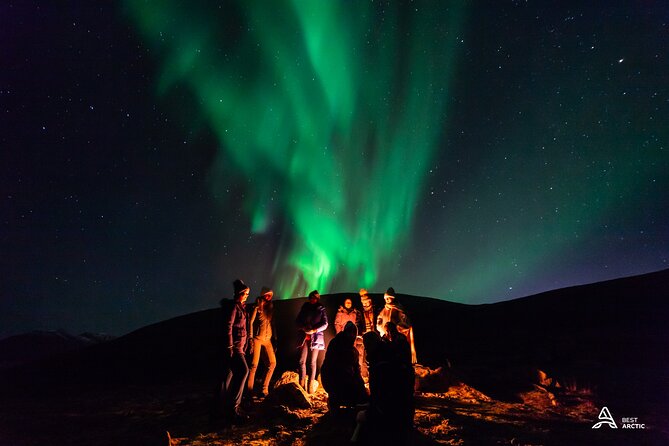
- Private viewing spots in Troms instead of only crowded parking lots, with toilet access at some stops
- A real chase strategy: coastal or inland routes based on conditions and forecasts
- Tripods + photo help so you can try for sharper Aurora shots instead of one blurry guess
- Warm winter suits and reflector vests for easier outdoor waiting
- Hot drinks and lefse during the night, plus free photos after
Chasing the Northern Lights the Tromsø Minibus Way
Northern Lights tours live and die on two things: sky conditions and how fast you can change location. This Aurora Safari is built for the second part. Instead of staying put, you drive to the next best viewing area when the weather shifts, cloud breaks, or the aurora shows up somewhere else.
I like that the plan isn’t vague. You start in Tromsø, then you go out into the Troms region. Depending on conditions, you may be pushed toward the coast or deeper inland. That matters because Aurora visibility is mostly about dark skies, low cloud cover, and time spent under the right stretch of sky.
This is also why a minibus setup works better than a single fixed viewpoint. You’re not married to one hill. You’re trying to find the clearest window of opportunity—and the tour is geared for that hunt.
You can also read our reviews of more tours and experiences in Tromso.
Price and What You Really Get for $193.13
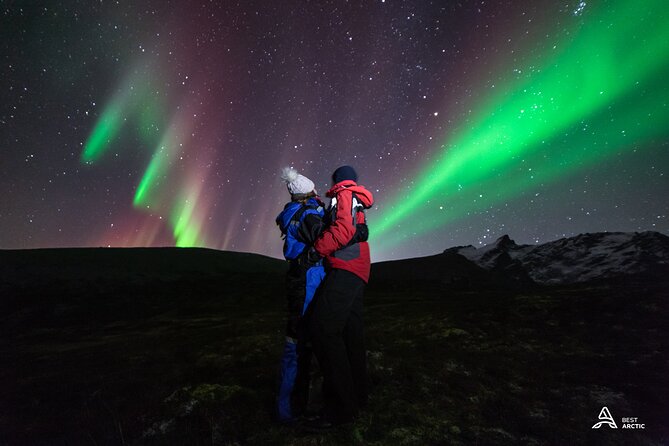
At $193.13 per person for a 5 to 7 hour night, you’re paying for more than bus rides. The included value is big on the practical stuff that usually costs extra on other tours: transport, a guide who helps with Aurora photography, and on-site comfort tools.
Here’s what comes in the ticket:
- English-speaking Northern Lights guide
- Minibus transport with a professional driver
- Thermal winter suits and reflector vests
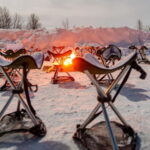
- Tripods to use during the safari
- Hot chocolate, coffee, tea, and a local sweet (lefse)
- Camera-setting advice for Aurora photos
- Free photos included
What’s not included is equally important: you bring your own warm boots, hats, scarves, and mittens. In winter Tromsø, that’s not optional. If you show up underdressed, you’ll spend more energy staying comfortable than looking up.
Is it worth it? For me, yes—if you care about two things: staying out long enough to see the lights and getting photos that don’t look like a green smudge. If your only goal is seeing aurora with no concern for camera setup, you could find cheaper options. But once you factor in suits, tripods, and guided photo help, the price starts to make sense.
Meeting Point and Timing: Prostneset at 6:45 pm
The meeting point is Prostneset Bus, Boat & Hurtigruten Terminal (Samuel Arnesens gate 5), and the tour starts at 6:45 pm. It ends back at that same meeting point.
The time window matters because your patience is part of the deal. The tour runs 5 to 7 hours, and the return timing depends on what the sky is doing. On stronger nights, you may be out longer hunting. On quieter nights, you may feel like the tour becomes more of a “wait and hope” session. That’s not a failure—it’s how aurora works.
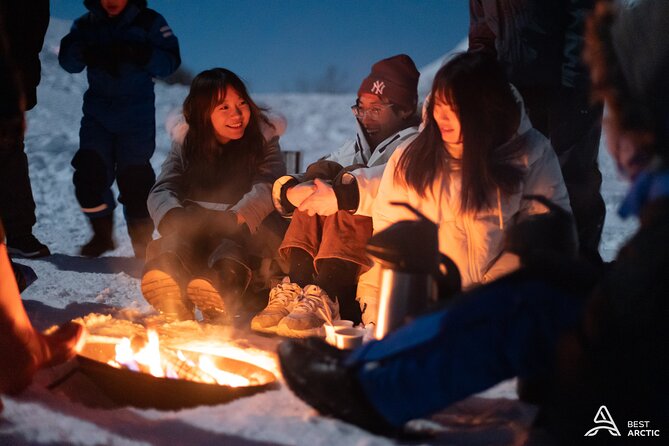
A small comfort note: this tour uses warm wintersuits, and there’s also an option to sit near a cosy bonfire depending on weather. That kind of warmth is what lets you stay outside for the full chase instead of retreating early.
Stop 1 in Troms: Coastal Drives, Inland Chances, and Private Camps
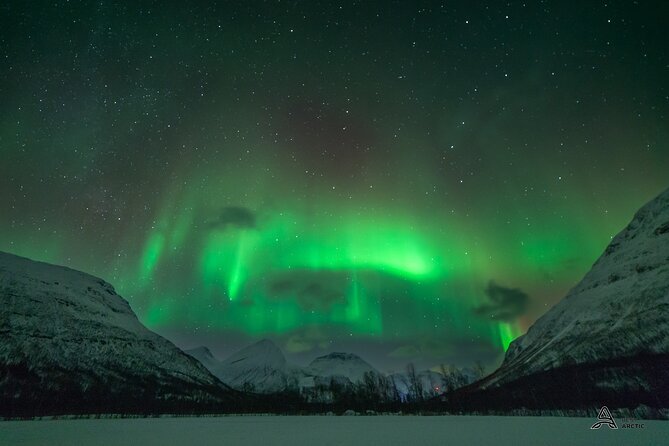
Your first big push is into the Troms region. The guide starts by going after the best opportunity based on the weather forecast. Some evenings mean staying closer to the coast. Other evenings mean heading inland. The point is simple: aurora needs clear conditions, and the route is chosen to maximize your chances.
One detail I really like: the tour sometimes uses private camp locations around the region. Many Northern Lights groups park at public spots with tons of other vehicles and light spill. Private locations help you get away from that extra light pollution. Plus, some of these private sites include toilets, which is a big quality-of-life win when you’re out for hours.
The itinerary mentions that warm wintersuits are available, and that you can sit close around a cosy bonfire depending on conditions. That’s not just “nice.” It changes how long you can comfortably wait for the sky to cooperate.
Also, the chase can be serious. In the stories people share about their nights, guides have driven far for better chances, including pushes as far as the Finnish border on some outings. That kind of effort is what you want to pay for, because aurora doesn’t politely arrive on schedule.
Stop 2 Around Tromsø: Flex Viewing Points on the Way Back
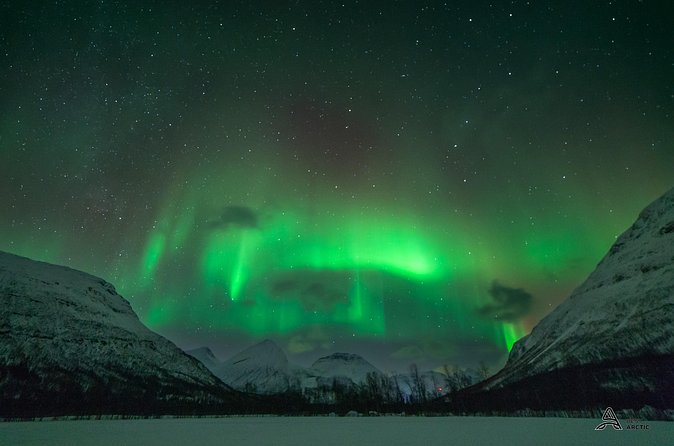
At some point during the night, you start heading back toward Tromsø. But you’re not just returning to drop everyone off. The plan is to keep stopping at locations if conditions improve or if the aurora returns.
This is a smart structure. It acknowledges that aurora can start weak, then build later—or the clouds can clear in a different direction than you expected earlier. By staying flexible on the return, the tour gives you another shot even if the earlier window wasn’t spectacular.
In practice, this means you should stay ready even when you feel you’re “near done.” Your guide may pivot again if the sky offers something worth chasing.
One caution from the reality of this kind of tour: on some nights, the lights can be minimal. When that happens, the difference between a short wait and a long wait can feel huge. If you’re the type who gets restless easily, plan on the emotional rhythm of aurora hunting—hope, search, and waiting for changes.
Photo Help That Actually Changes Your Results
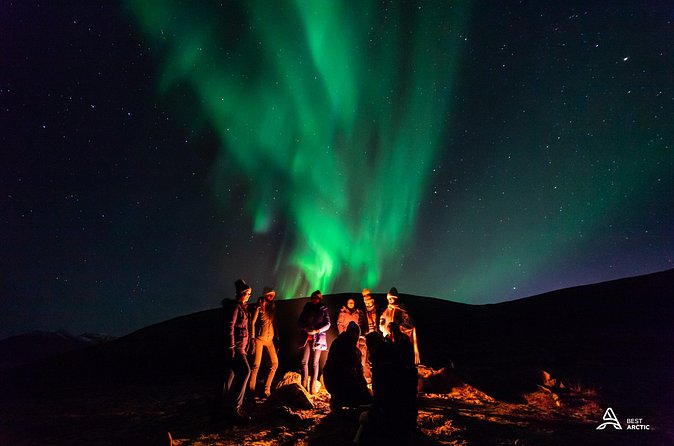
If you want Northern Lights photos, this is one of the strongest reasons to pick this safari. You get advice on camera settings and on how to take Aurora photos. You also get tripods to use during the hunt.
Most first-timers don’t fail because they have a bad camera. They fail because they’re shooting handheld in low light, then the shutter speed and focus choices go wrong. The tour’s photo guidance aims to fix that. And once your tripod is set, even a simple setup becomes easier to keep stable.
I also like that the guide isn’t just giving tips in theory. In the feedback for this tour, guides such as Fabian, Sonia, Tomas, Siri, Sonja, and Jeanne are repeatedly mentioned for how they handled both the chase and the photography coaching. That combination matters: a great photo setup doesn’t help if you’re stuck in the wrong place when the sky clears.
Real talk about what you’ll see: aurora can look stronger in photos than with the naked eye. Your eyes often pick up only a hint of green at first. Photos can exaggerate color and motion. That’s not the tour misleading you—it’s how cameras translate light in darkness.
Also, the tour includes free photos. That’s a helpful safety net if your own attempts don’t work out or if you want a clean set without second-guessing your settings all night.
Warmth Strategy: Winter Suits, Reflectors, Bonfire Time, Hot Drinks
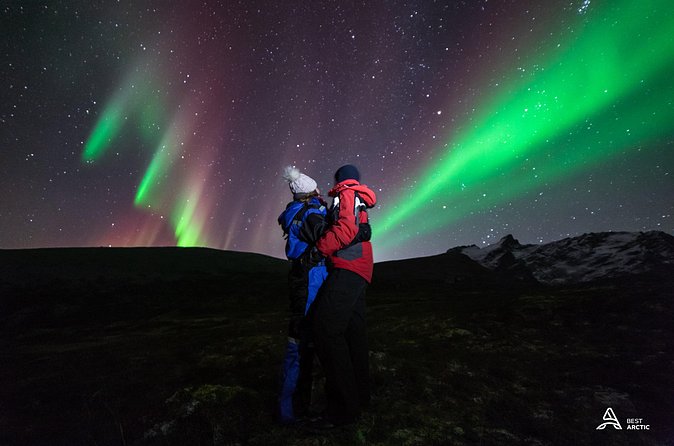
Cold is the biggest enemy of a Northern Lights safari. The tour deals with it in three ways:
1) Thermal winter suits are provided, which helps you stay outside longer without turning the night into a survival test.
2) Reflector vests are also provided, which makes group spotting easier in the dark.
3) You get hot drinks and a sweet local snack (lefse), so you’re not out there sipping cold air like a sad movie extra.
There can also be bonfire time, depending on conditions. On nights with wind or wet snowfall, that kind of heat breaks up the discomfort. It’s one of those small details that can make the difference between loving the experience and rushing through it just to get warm again.
What you still must bring: warm socks, waterproof winter boots, gloves, hats, and scarves. The tour gives you a base of warmth, but it can’t protect you from every gap in your layers. Waterproof boots are especially important because snow and slush can happen once you’re stopped and walking in uneven winter ground.
Group Size: Personal Attention Without Feeling Like a Private Charter
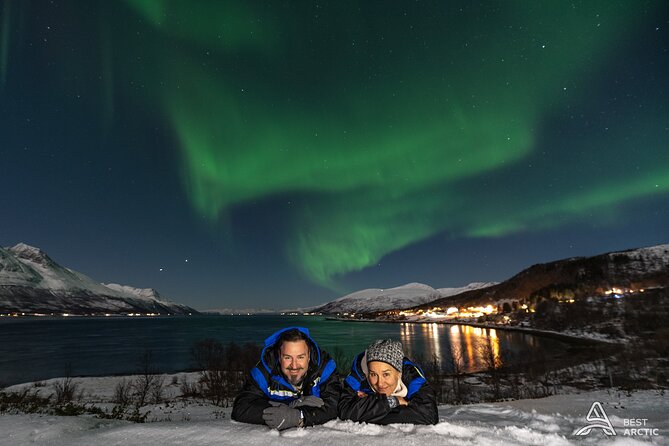
This safari is limited to about 15 travelers. The smaller group size shows up in how your guide can manage stops, distribute tripods, and help people set cameras while the vehicle is moving between viewpoints.
In a big group tour, you can lose time: someone is always asking a question, people are always late returning, and the guide has to move fast. With a smaller group, you’re less likely to feel like you’re part of a rushing crowd.
That said, even within a small group, comfort on the minibus can vary. One recurring theme in the feedback is that seating at the back can mean less leg room. If you’re sensitive to this, arrive early so you can choose a better spot when boarding.
The trade-off of small groups is weather sensitivity. If the skies are cloudy or the aurora stays faint, the group can’t magically force clear skies. Still, your chance improves when you can actively chase, and this tour is designed for chasing.
How the Tour Handles Real Nights: The Good, the Bad, the In-Between
The best nights feel like a coordinated hunt. A guide watches the sky, drives to new spots, stops often, and gives you enough time to enjoy what you see. Multiple experiences described this as “real chase” energy—moving between locations and finding better skies when earlier stops weren’t perfect.
The weaker nights often share the same story: the aurora doesn’t cooperate as hoped, cloud cover reduces intensity, or timing feels off. One criticism mentioned being left late, then spending extra time near a fire when lights became minimal. Another complaint said the guide effort wasn’t strong enough on a night without aurora.
Here’s the balanced takeaway for you:
- The tour is built to maximize opportunities, but you’re still at the mercy of the atmosphere.
- The guide can only do so much, so your mindset matters. Go expecting a hunt, not a promise.
Also, photographing is part of the experience here. If you want constant instruction, be proactive. Ask the guide early how they want you to set your camera. When guides are engaged, the photo help becomes a major win.
Who Should Book This Aurora Safari Minibus?
This tour is a great fit if you:
- Want a small-group aurora hunt instead of a huge bus crowd
- Care about taking photos and don’t want to figure out settings alone
- Appreciate private stop options and fewer light-pollution distractions
- Will wear the right winter gear and plan to stay outside for hours
You might want to think twice if you’re expecting guaranteed, strong aurora every time. Aurora is unpredictable by nature. And if you’re the type who gets upset by waiting when the lights are faint, you’ll want a tour that clearly manages expectations and keeps pacing tight.
For most people, though, this is the kind of evening that turns Tromsø into a real winter adventure. You get guidance, warmth, equipment, and active chasing rather than passive watching.
Should You Book It?
I’d book this if your priority is max chance + better photos. The included tripods, camera coaching, warm suits, and private camp stops make it feel like a “gear-and-strategy” tour, not a basic sightseeing bus ride.
I wouldn’t book it expecting a guaranteed show. But if you’re comfortable with the chase model—driving, stopping, waiting, then celebrating when the sky opens up—you’ll likely feel this is solid value for Tromsø.
If you can, bring proper layers and boots so you can fully participate. The people who enjoy this tour most are the ones who stay comfortable enough to watch carefully when conditions shift.
FAQ
Where do we meet for the Aurora Safari Minibus?
You meet at Prostneset Bus, Boat & Hurtigruten Terminal, Samuel Arnesens gate 5, 9008 Tromsø. The tour also ends back at the same meeting point.
What time does the tour start?
Start time is 6:45 pm.
How long is the tour?
The experience runs about 5 to 7 hours.
What’s included for Aurora photography?
The tour provides tripods, and your guide gives advice on camera settings for taking Northern Lights photos. Free photos are also included.
What food and drinks are included?
You’ll get hot chocolate, coffee, tea, and a sweet local cake (lefse).
Do I need to bring winter boots and layers?
Yes. Warm socks, waterproof winter boots, gloves, hats, and scarves are recommended. Warm boots and winter clothing are not listed as included.
How big is the group?
The tour is limited to a maximum of 15 travelers.
Is the tour offered in English?
Yes, it’s offered in English.
What if the weather is poor or the tour is canceled?
The tour requires good weather. If it’s canceled due to poor weather, you’ll be offered a different date or a full refund. You can also cancel for a full refund up to 24 hours before the experience starts.