REVIEW · TROMSO
From Tromsø: All-Inclusive Whale & Orca Safari
Book on GetYourGuide →Operated by Polar Adventures · Bookable on GetYourGuide
Arctic waters have a way of surprising you. This Tromsø-to-Skjervøy boat day is all about timing your whale spotting and staying warm while the fjords roll by.
What I really like is the chance to be early in the best viewing area, which matters when whales decide to show up. I also love the hands-on comfort: a heated indoor lounge plus cozy thermal suits, warm drinks, and a proper packed lunch.
One thing to plan for: whale sightings aren’t guaranteed, and the ride can feel long and choppy if you’re prone to motion sickness.
In This Review
- Key things I’d focus on before you go
- Tromsø to Skjervøy: why this route feels like a day out, not a bus tour
- Your day on the water: what each part of the 8 hours actually delivers
- 1) Meet at the pier, then get cozy fast
- 2) The scenic cruise toward Skjervøy (about 2.5 hours)
- 3) Prime whale-watching zone near Skjervøy (about 2 hours 20 minutes)
- 4) The return cruise to Tromsø (about 2.5 hours)
- What makes the onboard setup genuinely good value
- Food and dietary reality check
- Guides and spotting: how the crew improves your odds without overpromising
- How cold, seasickness, and timing can make or break the day
- Wildlife beyond whales: the bonus watching you’ll actually notice
- Weather and possible changes: what to expect if whales don’t cooperate
- Who this safari is best for (and who should think twice)
- Should you book the Tromsø all-inclusive whale and orca safari?
- FAQ
- How long is the whale and orca safari from Tromsø?
- What is included in the all-inclusive price?
- Do I need to bring warm clothing and shoes?
- Are vegetarian meals available?
- Are whale sightings guaranteed?
- What ages is the safari not suitable for?
Key things I’d focus on before you go
- Go early on purpose: being among the first boats in the whale-watching zone can improve your odds of a close encounter.
- Comfort is built in: heated indoor space, outdoor decks, toilets onboard, USB charging, and warm drinks all help when it’s cold.
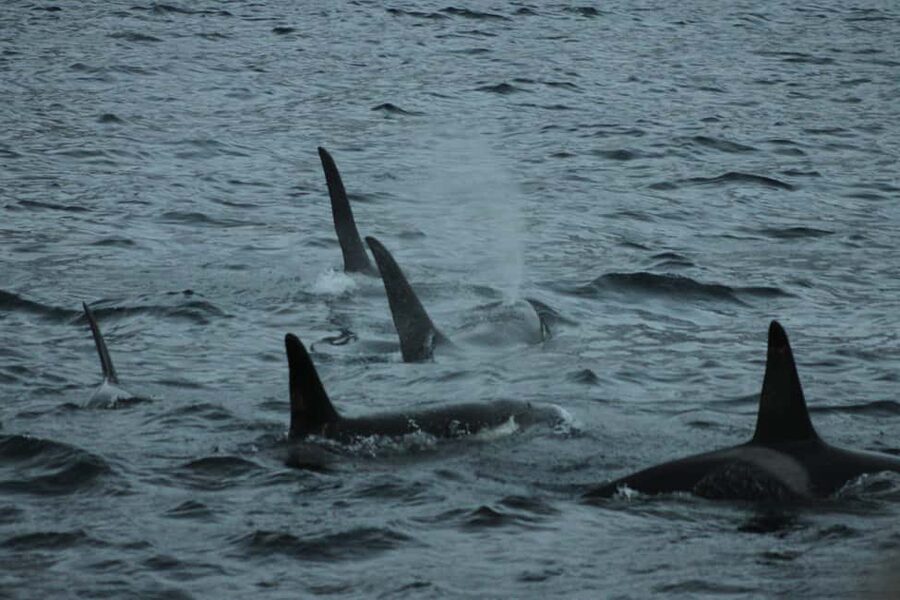
- Real wildlife variety: orcas and humpbacks are the headline, but keep watching for white-tailed eagles, guillemots, and cormorants too.
- The crew guides your eyes: they search actively and share what you’re seeing—so you’re not just staring at the water.
- Thermal suits make a difference: you’ll spend more time on deck because you’re not constantly freezing.
- Motion sickness planning matters: people do get sick on small vessels in rough water, so bring a strategy.
Tromsø to Skjervøy: why this route feels like a day out, not a bus tour
This is one of those Arctic trips where the “getting there” part is half the point. You start in Tromsø and cruise toward Skjervøy through fjords and coastal scenery with mountains watching over you. The boat runs for a full day—about 8 hours total—so you’re not rushing in and out. You get time to settle, warm up, and still have a serious stretch of whale-watching once you arrive.
The other big reason the route works: whales and orcas don’t live right next to the harbor. You’re traveling out to where you have a real chance of seeing them, and that explains why the trip includes a longer transit period than some quick tours.
You can also read our reviews of more tours and experiences in Tromso.
Your day on the water: what each part of the 8 hours actually delivers
1) Meet at the pier, then get cozy fast
You meet in front of the Polar Adventures office at the pier about 20 minutes before departure. That early arrival isn’t just a rule—it’s practical. Boarding first helps you grab a good viewing spot on deck and avoids the last-minute scramble when cold air hits and everyone wants to be outside at the same time.
Once you depart, the warmth strategy kicks in immediately. You’ll have access to a heated indoor lounge, open-air decks, cozy thermal suits, and bottomless hot drinks.
2) The scenic cruise toward Skjervøy (about 2.5 hours)
This stretch is when you set your rhythm. You’ll spend time watching coastlines and fjords slide past, and you’ll start looking for birds—seagulls and more specialized seabirds can show up as you go.
Why this matters: it’s easier to enjoy whale watching when you’re not exhausted from the whole day. If seas are calmer, people often get more comfortable on deck and stay out longer. If conditions are rough, you’ll appreciate having a warm indoor option during the longer travel segment.
One small tip I picked up the hard way (and it matches what many people do on similar Arctic cruises): pack an actual plan for your seasickness ahead of time. A lot of frustration comes from waiting until you already feel sick.
3) Prime whale-watching zone near Skjervøy (about 2 hours 20 minutes)
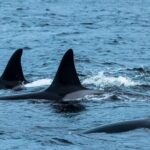
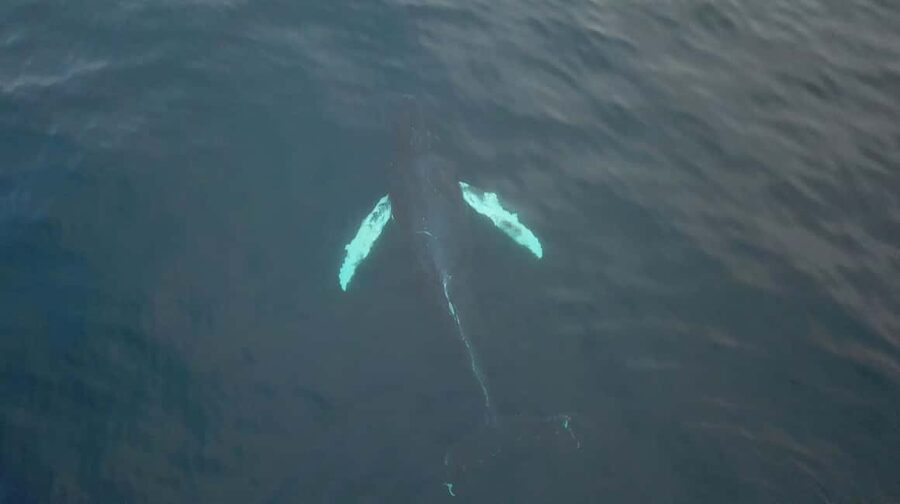
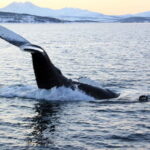
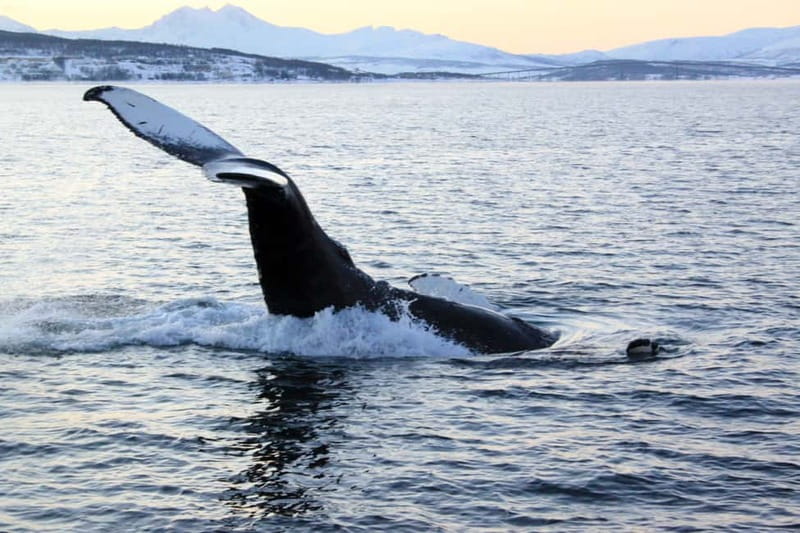
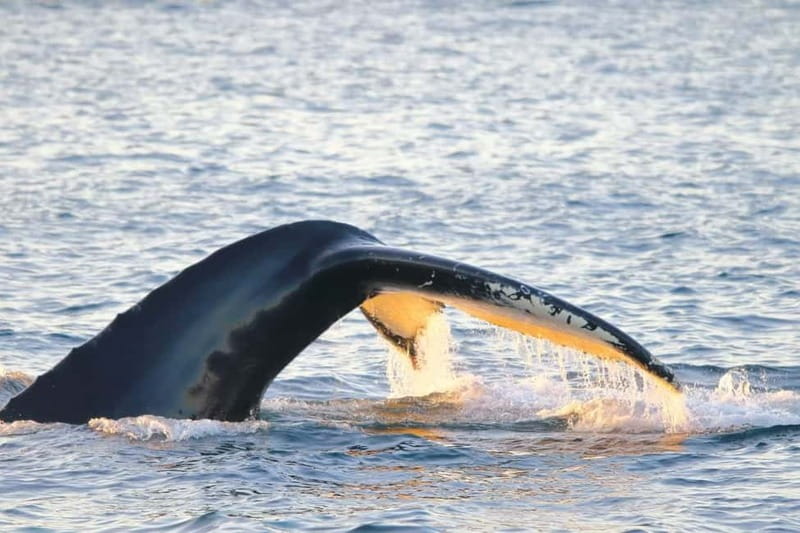
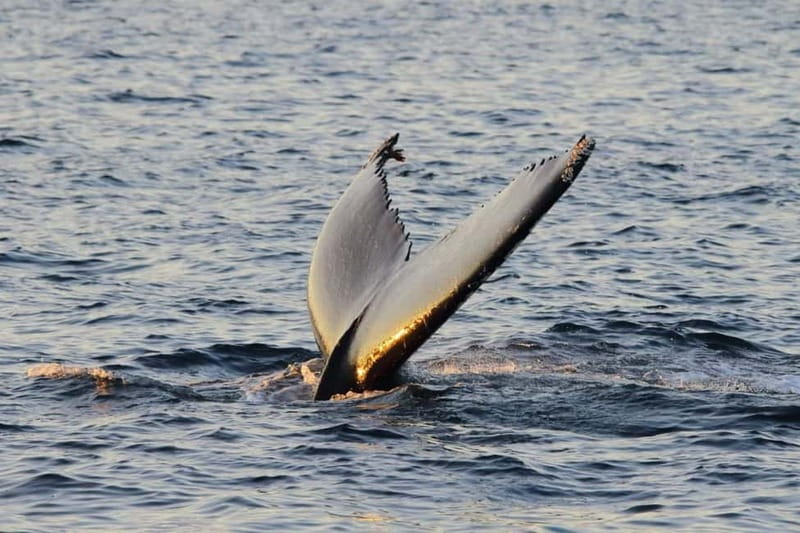
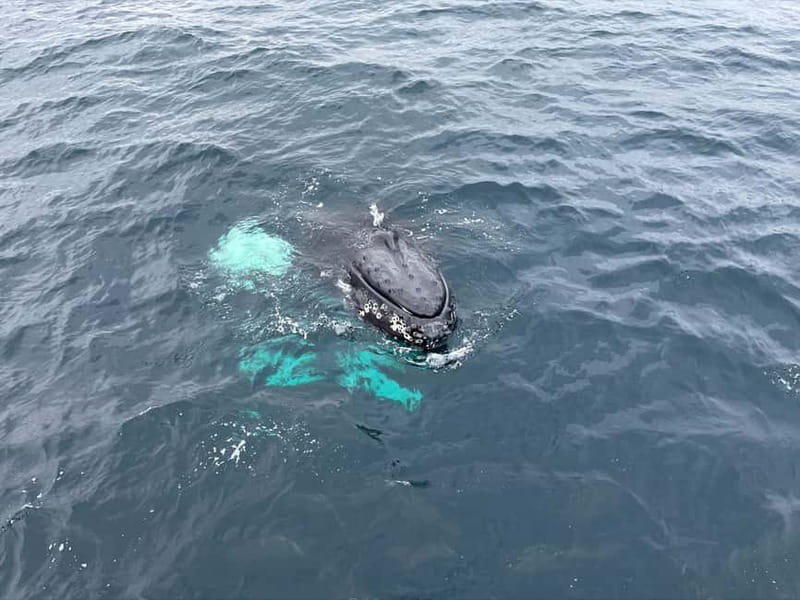
Once you reach the whale area, the trip shifts gear. You enter the prime whale-watching zone and the crew actively searches for whales, including orcas and humpbacks. The idea here is simple but important: the first boats on the water often have more options for positioning when animals surface.
When wildlife shows up, your job becomes easy—point your camera, watch breathing patterns, and track where the animals move between surfacings. This is also where you may spot seabirds working the water. Some guides explain how food webs and local conditions influence what you see.
A lot of the best moments come from the “in between” scenes, too: birds reacting, the water changing texture, the moment everyone realizes the timing is right.

4) The return cruise to Tromsø (about 2.5 hours)
On the way back, you’re usually riding the emotional high while still being honest about the cold. The scenery stays great, but the return can feel longer because you’ve already spent your big burst of adrenaline during the whale-watching window.
I recommend planning small comfort tricks here: headphones can help during the stretched transit, especially if you’re stuck inside when the motion picks up. And if you’re the type who gets restless, bring a camera strategy—shoot wide landscapes when you’re inside, then go deck-side when the boat steadies.
What makes the onboard setup genuinely good value
This is where the trip earns its price.
At $186 per person, you’re not just paying for a chance at whales. You’re paying for the infrastructure that makes a cold day workable:
- Unlimited biscuits and snacks
- Bottomless hot drinks like coffee, tea, hot chocolate, and water
- A tasty packed lunch
- Cozy thermal suits to help you spend time outside
- A heated indoor lounge plus open-air decks
- Onboard toilets
- USB charging station
In other words, the tour is designed so you don’t lose half your energy warming up or hunting for food. Even if sightings are light one day, the day still has structure and comfort.
Also, you’re in a medium/small group setting, which tends to make it easier to see what’s happening without feeling like you’re stuck behind a crowd.
Food and dietary reality check
Vegetarian choices are available. Gluten-free options are not offered. If you have strong dietary needs beyond vegetarian, you’ll want to plan carefully and don’t assume everything can be swapped.
Guides and spotting: how the crew improves your odds without overpromising
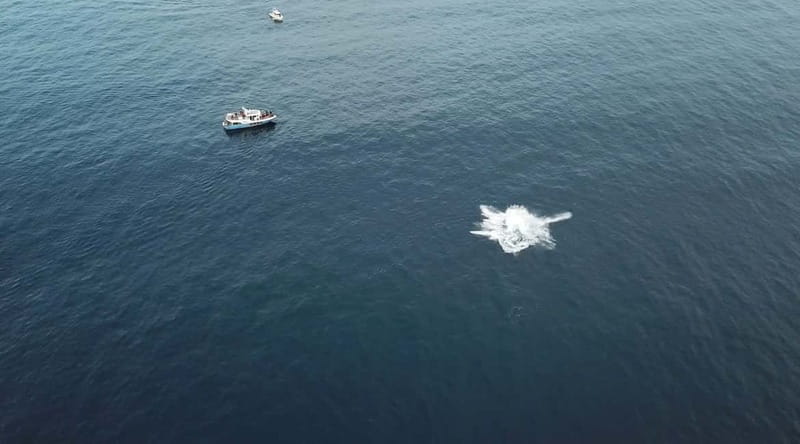
A major strength here is the way the crew guides you to what matters. In past departures, people have specifically praised guides and captains for being engaged and for sharing real whale information, with names like Huayupe, Juan, Raul, Pedro, and Holly popping up in experiences.
You’ll also notice how the boat behaves when there are multiple vessels around. Some captains shift to another spot if the area gets crowded, and that’s a big deal ethically and practically. When you’re not stuck in a traffic jam of boats, you often get cleaner lines of sight and better viewing behavior.
One more point: whale-watching is not a factory product. Even with good planning, the ocean decides what shows up. This is why your best mindset is flexible: focus on the search and the process, not only the end result.
How cold, seasickness, and timing can make or break the day
Let’s talk reality. The Arctic can be cold in a way that makes you underestimate how quickly you’ll feel it, especially during longer stretches on deck. That’s exactly why thermal suits and heated indoor space are included.
Now add motion. This tour is not marketed as gentle. It’s a boat safari in open water where conditions can vary. Some people go fully fine; others feel rough. If you’re prone to seasickness or motion sickness, it’s worth taking it seriously. A lot of advice from experienced riders boils down to: take your medication in advance and don’t wait until you already feel bad.
Also, pack warm shoes. They’ll matter on the deck and around the pier. A camera is useful—but the real trick is pairing it with warm gloves or a setup that lets you shoot without exposing yourself longer than necessary.
Wildlife beyond whales: the bonus watching you’ll actually notice
The headline animals are orcas and humpbacks, and when they show, they can be stunning. But the day becomes more rewarding when you start clocking the smaller moments too.
Keep an eye out for seabirds such as:
- white-tailed eagles
- guillemots
- cormorants
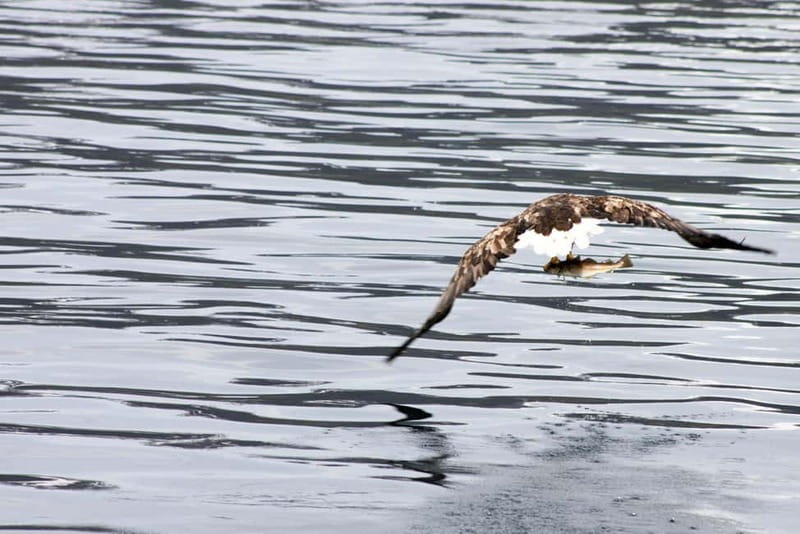
People have even described close bird sightings, including eagles fishing. That kind of action adds value even when whale sightings are slower. It turns the day into “Arctic wildlife watching” rather than a single target game.
Weather and possible changes: what to expect if whales don’t cooperate
This trip is weather dependent. Conditions can lead to rescheduling or cancellation for safety, and sightings aren’t guaranteed. The key thing is that the crew is running a wildlife search, not a script.
In some situations, if the whales shift away from the main area (for instance, following food like herring shoals), the itinerary can adjust into an alternative wildlife-focused experience. That happened for some past departures, with people reporting they still got a good day out—often via an alternate fjords-style cruise and other wildlife opportunities.
So keep your expectations grounded:
- You’re paying for a whale and orca hunt, not a signed contract that it will happen.
- Your odds improve when the crew can find active areas quickly—and when everyone stays warm enough to watch properly.
Who this safari is best for (and who should think twice)
This is a strong pick if you:
- want a real Arctic wildlife day with active searching
- value comfort (heated cabin, hot drinks, snacks, thermal suits)
- enjoy being outside on the deck when something might happen fast
- like learning from a live guide who helps you interpret what you’re seeing
You should think twice if you:
- get motion sickness easily or have had trouble on boats before
- need wheelchair access (this is not suitable for wheelchair users)
- are traveling with a baby stroller, pets, or large luggage (those aren’t allowed)
- are under 4 years old or over about 70 (the trip is marked not suitable for those groups)
If you’re unsure, the practical step is to decide whether you can handle cold + motion for hours. That’s the real “compatibility test” for this experience.
Should you book the Tromsø all-inclusive whale and orca safari?
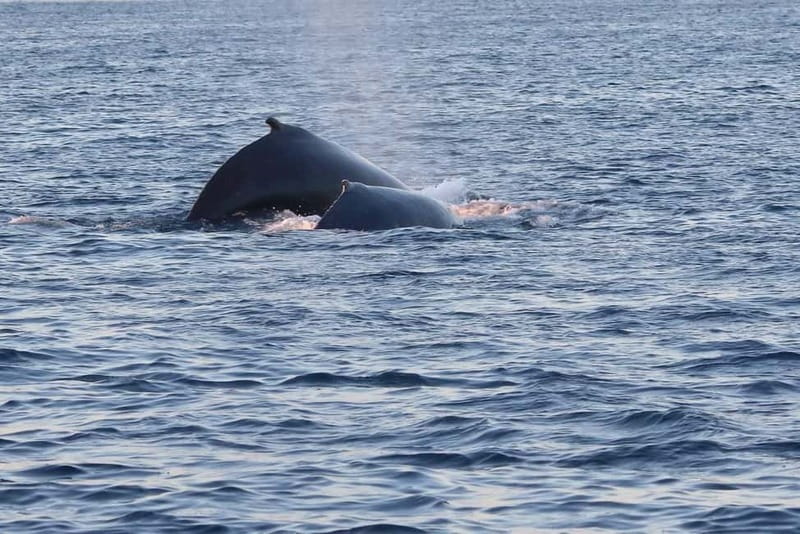
I think it’s worth booking if you want the full package: serious effort to reach whale territory, small-group boat time, and comfort that helps you stay outside long enough for real sightings. The mix of hot drinks, snacks, thermal suits, and a packed lunch makes the day feel like a proper Arctic outing instead of an uncomfortable endurance test.
I’d hesitate only if you know you’re very sensitive to motion or if you can’t tolerate long stretches on a boat. In that case, the cold and the ocean feel won’t be forgiving.
If you do book, go in prepared: dress warm, bring a camera you can operate with cold hands, and set your seasickness plan early. That’s how you turn a maybe whale day into a memorable one.
FAQ
How long is the whale and orca safari from Tromsø?
The total duration is 8 hours, with whale watching in Skjervøy lasting about 2 hours 20 minutes.
What is included in the all-inclusive price?
You get a scenic boat trip, an experienced crew, unlimited biscuits and snacks, bottomless hot drinks, a packed lunch, cozy thermal suits, top-tier safety gear, a heated indoor lounge plus open-air decks, onboard toilets, and a USB charging station.
Do I need to bring warm clothing and shoes?
Yes. You should bring warm clothing, warm shoes, and a camera. The thermal suits are provided, but you’ll still want proper cold-weather layers.
Are vegetarian meals available?
Vegetarian choices are available, but gluten-free options are not offered.
Are whale sightings guaranteed?
No. Wildlife sightings are not guaranteed, even though the crew works to find whales and other marine life.
What ages is the safari not suitable for?
It’s marked not suitable for children under 4 years, and also not suitable for people over 70 years.