REVIEW · TROMSO
Whale Watching RIB Safari at Skjervøy
Book on GetYourGuide →Operated by See & Explore · Bookable on GetYourGuide
One of Europe’s best winter whale hunts happens by fast RIB. This Skjervøy whale watching safari puts you on the water in search of orcas, humpbacks, and fin whales, with Arctic gear to keep you comfortable. My favorite parts are the thrill of the RIB search and the chance to see big whales in real hunting waters. The main drawback is the long day, especially if you start from Tromsø with an early 5:20 AM meet.
I also like how the team focuses on finding whales without acting like a circus. Guides work with you in English, keep the group moving safely, and help you dress for the Arctic. You still have to accept that weather can change the time on the water, and the ride is not for anyone who’s prone to seasickness.
In This Review
- Key points before you go
- Skjervøy’s winter whale grounds: why this trip works
- Getting there: Tromsø Red Bus option vs meeting in Skjervøy
- Option A: Start in Tromsø on the Red Bus
- Option B: Meet on your own in Skjervøy
- Gear that actually matters in Arctic weather
- The RIB safari on the water: what the search feels like
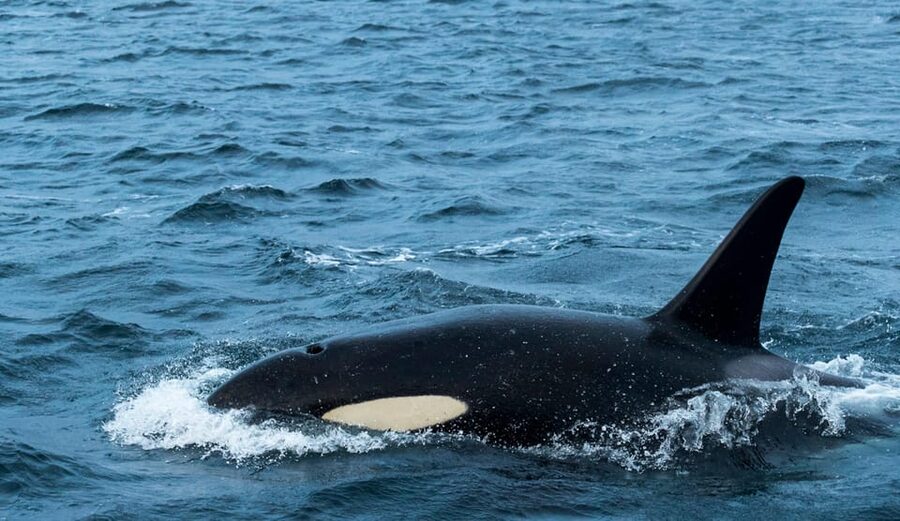
- What whales you might see: orcas, humpbacks, and fin whales
- Timing, pacing, and how the full day adds up
- Price and value: is $251 per person worth it?
- Who should book, and who should skip this RIB safari
- Should you book the Skjervøy whale watching RIB safari?
- FAQ
- How long is the whale watching RIB safari?
- Where do I meet if I’m starting from Tromsø?
- Is there an English-speaking guide?
- What’s included with the winter gear?
- What should I bring with me?
- Who is this tour not suitable for?
Key points before you go
- Skjervøy’s north and east sea areas are hunting grounds during the winter migration window (late October to late January)
- RIB safari runs about 2.5 to 3 hours (weather dependent) in small groups of up to 12
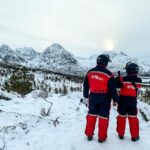
- Arctic protection is built in: flotation suit, life vest, warm boots, mittens, and goggles
- English-speaking guide guides the search and explains what you’re seeing
- You might see multiple species on the same outing, including orcas and humpbacks, with fin whales possible
Skjervøy’s winter whale grounds: why this trip works
Skjervøy sits in a part of Northern Norway where whales use the area like a highway. The sea areas off Skjervøy—north and east of Tromsø—are described as hunting grounds. From late October to January 26, 2025, giant marine mammals migrate toward the coast looking for herring. That food-driven timing matters. It turns whale watching from guesswork into a real plan.
What I like about this approach is that it’s not just sightseeing. You’re going after a natural event: whales moving through a place where prey is present. That’s why sightings can be dramatic, from close pods to impressive surface behavior. Reviews also mention the calm effort of the crew, with captain behavior described as keeping a respectful distance so the whales aren’t pushed around.
There’s a second reason winter works here: the Arctic light and cold make the whole experience feel razor-sharp. You’re bundled up, out on open water, and when whales show up, it looks like the world shrinks to a single point: where the guides are watching.
You can also read our reviews of more tours and experiences in Tromso.
Getting there: Tromsø Red Bus option vs meeting in Skjervøy
You’ve basically got two start points.
Option A: Start in Tromsø on the Red Bus
If you’re staying in Tromsø, this is the easier way to avoid the headache of arranging transport. You meet latest 5:20 AM at the Tromsø Bus Terminal at Prostneset. The meeting place is described as the ground floor, behind the Magic Ice Bar. The address is Samuel Arnesens gate 5, 9008 Tromsø, Norge.
Bring your patience. The bus trip is long, and one review specifically calls out around 4 hours each way. That early departure is also part of the trade-off: you’re going when whales are most likely to be active in this season, not when the day feels convenient.
Practical tip: go directly inside the big red bus from Tromsø Safari and double-check with the driver that you’re on the correct one. There’s enough confusion around bus stands that it helps to be proactive.
Option B: Meet on your own in Skjervøy
If you’re already in/near Skjervøy, you meet your guide in Skjervøy after a drive of about 3.5 hours from Tromsø (as described). Then you get dressed at the operator’s location before heading out.
This option can be a calmer fit if you don’t want the long morning start. The trade-off is you control more of the logistics on your side, like getting to the meeting point and timing your arrival.
Gear that actually matters in Arctic weather
This is one of the strongest value points of the tour. You’re not just handed a brochure and told to wear a thick jacket.
Included gear:
- Flotation suit
- Life vest
- Warm boots
- Mittens
- Goggles
That matters because the cold here is not just uncomfortable. It changes your comfort and focus. With the suit and boots provided, you can spend less time playing guessing games about layers and more time staying ready for a sudden whale sighting.
Based on participant notes, I’d still pack a sensible winter kit:
- Warm clothing
- Hat
- Food
- Gloves (in addition to what’s provided)
A couple reviews mention extra socks and even added help like heated hand warmers or glove support. That’s not listed as guaranteed, so plan as if you won’t get upgrades. But it’s a good sign that the guide team pays attention if someone is getting too cold.
One more small but important point: the tour says it’s not suitable for people prone to seasickness. A RIB can move fast, and the ride can be rough. If you’re even slightly unsure, think hard before booking. This is not the day to test your luck.
The RIB safari on the water: what the search feels like
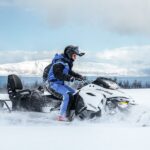
Once you’re geared up, the main event is a 2.5 to 3 hour RIB safari (weather dependent). You’re searching the sea areas off Skjervøy and surrounding waters, where whales hunt. The boat ride is fast and active, not a slow cruise.
What you’ll notice first is how the guide and captain work together. Guides explain what they’re looking for and help you line up your attention. Captains steer with care, and multiple accounts highlight that the crew tries to keep a safe, whale-respecting distance. That focus is worth your attention. It helps you get closer to what you came for without turning the whales into targets.
Also, small group size changes the feel. With a maximum of 12 participants, you’re not fighting for space at the rail or battling for photo angles. That’s a real quality-of-life detail when you’re standing in cold air trying to track a moving animal.
Weather is the only wildcard. If conditions are rough, the time on the water can shift. That’s normal for a winter RIB operation, and it’s the reason the total day duration is listed broadly (3 to 12 hours depending on start option and conditions).
What whales you might see: orcas, humpbacks, and fin whales
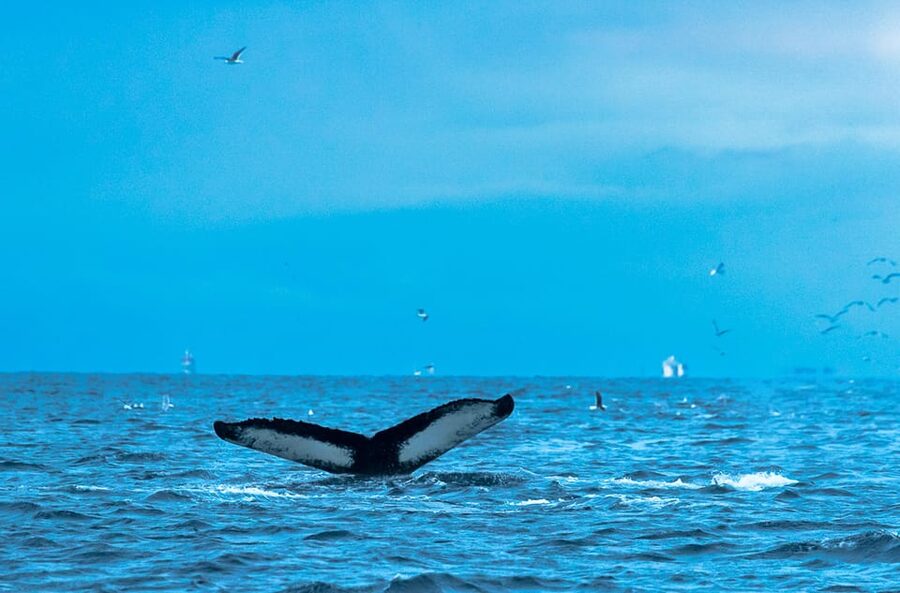
The highlights for this trip focus on orcas, fin whales, and humpback whales. In the wild, whale watching is never guaranteed. But the winter setting improves your odds because whales are actively feeding near shore.
Here’s what your day could include, based on concrete sightings:
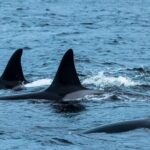
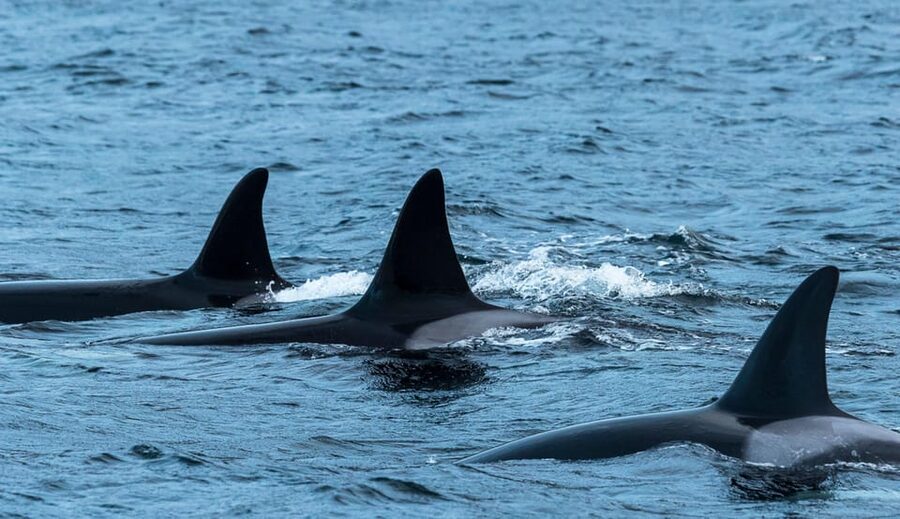
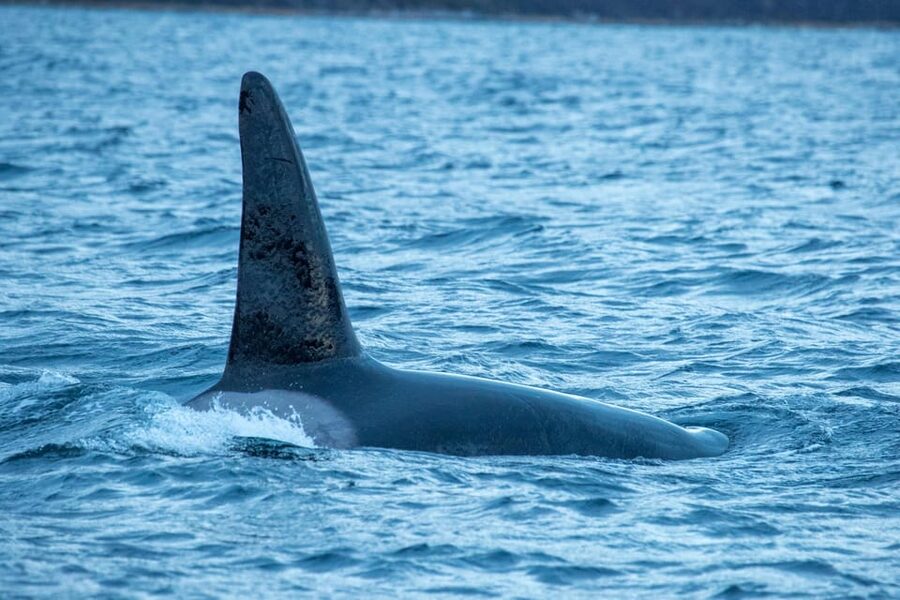
- Orcas: multiple reviews describe pods in the area, sometimes with family groups, and even calf-type behavior.
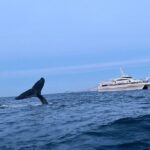
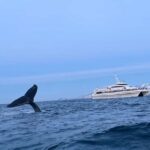
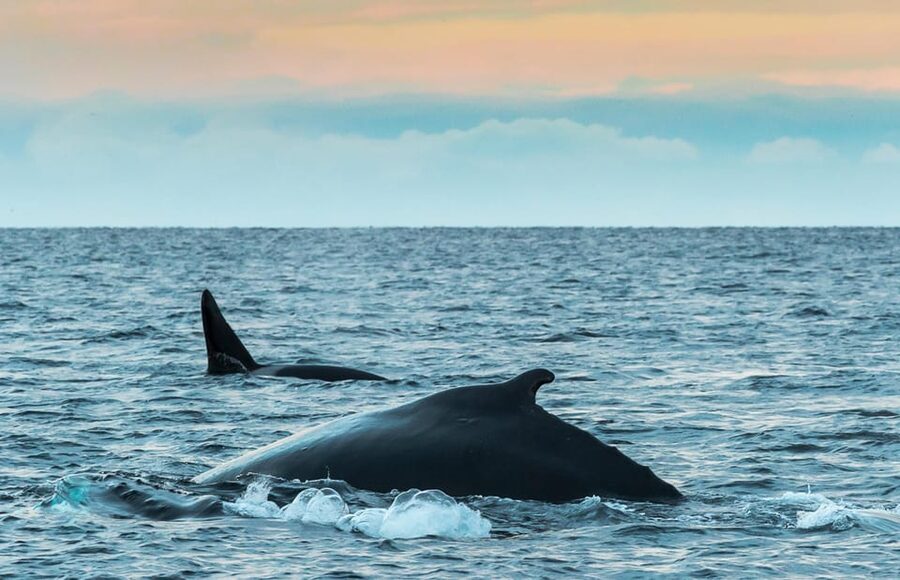
- Humpback whales: accounts mention humpbacks showing up during the safari, including strong surface moments.
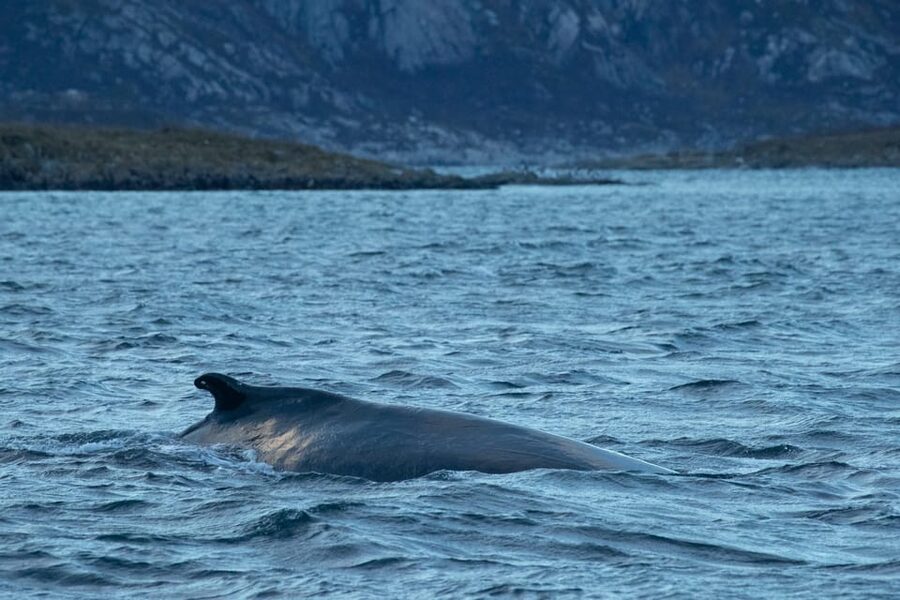
- Fin whales: at least one verified booking reports a fin whale sighting.
If you’re trying to maximize your chance of a memorable sighting, look at this tour the way you’d look at a targeted hunt. The staff is operating in known feeding waters. Their job is to interpret whale movement and guide you to the right patches of sea.
And when it clicks, it’s not subtle. Some descriptions include close approaches by pods and surface activity like breaching. If that’s your dream photo or video moment, this is exactly the kind of outing where the odds swing in your favor.
Timing, pacing, and how the full day adds up
The tour’s total duration is listed as 3 to 12 hours. That range is mostly about transportation and the start option you pick.
If you start from Tromsø:
- you’ll wake up very early (latest 5:20 AM meet)
- you’ll spend several hours on the bus to reach Skjervøy
- you’ll then have the RIB time on the water (about 2.5 to 3 hours)
- you’ll return by coach
If you start from Skjervøy:
- the day is more directly centered on getting dressed and going out on the RIB
This is the part I’d underline for your expectations. The whales are the headline, but the day includes cold waiting, travel time, and time in gear. That’s not a knock; it’s the reality of winter whale watching in Northern Norway. If you treat it like a half-day activity only, you’ll feel rushed. If you treat it like a full Arctic outing, it lands much better.
Small group limits also help the pacing. You’re less likely to lose the guide in a crowd. You can ask questions, adjust gloves, and keep your camera ready.
Price and value: is $251 per person worth it?
At $251 per person, it’s not a cheap day. But I think the value is easier to justify when you look at what’s included and what it costs logistically.
You’re paying for:
- the RIB safari in a remote whale area off Skjervøy
- the winter safety system: flotation suit, life vest, warm boots, mittens, goggles
- a live English-speaking guide and local operation
- and, if you choose the Tromsø option, bus transport from Tromsø to Skjervøy and back
The price also covers the reality that whale watching here requires timing, early departures, and skilled navigation to reach productive sea areas. You’re not buying a generic boat ride. You’re buying access to a winter search where the staff is actively trying to locate whales in a specific season window tied to prey (herring).
If you’re someone who’s serious about seeing whales, this is the kind of price that starts making sense. If you’re only casually curious, you may decide to spend that money on something less weather-dependent. But for a once-in-a-trip-to-Northern-Norway moment, it’s priced in line with the effort and gear that’s actually part of the experience.
Who should book, and who should skip this RIB safari
This tour fits best if you:
- can handle winter cold without fighting your clothes
- don’t mind an early start and a long travel day (especially from Tromsø)
- want a small group experience instead of a big, crowded boat
It’s especially well-suited for adults and older teens who want the excitement of a fast RIB and the chance to spot multiple whale species in one outing.
It’s not suitable for:
- children under 6
- pregnant women
- people with back problems
- people under 150 cm (4 ft 9 in)
- people over 125 kg (275 lbs)
- people prone to seasickness
That last point matters. Even with flotation gear and warm boots, the sensation of motion is real. If you’re sensitive to it, choose something calmer.
Also, plan for a lot of camera time. Many descriptions focus on getting photos during active sightings. Bring a camera that can handle cold hands, and consider keeping spares like spare batteries in a warm pocket.
Should you book the Skjervøy whale watching RIB safari?
If your goal is orcas and humpbacks in a true winter whale ground, I’d book this. The strongest reasons are practical: the targeted Skjervøy area, the winter feeding season timing, and the fact that you’re not guessing what to wear because the core Arctic gear is included. Add the small group size and you get a more focused hunt than you’d find on larger setups.
I’d think twice only if you know you’re prone to seasickness, you can’t manage long cold travel days, or you’re expecting a relaxed cruise. This is a RIB safari. It moves fast, it stays outside, and the Arctic demands respect.
FAQ
How long is the whale watching RIB safari?
The RIB safari portion is about 2.5 to 3 hours depending on weather. Total trip time depends on the start option you pick and is listed as 3 to 12 hours.
Where do I meet if I’m starting from Tromsø?
You meet at the Tromsø Bus Terminal at Prostneset, latest 5:20 AM. The meeting point is on the ground floor behind the Magic Ice Bar. The address is Samuel Arnesens gate 5, 9008 Tromsø, Norge.
Is there an English-speaking guide?
Yes. The tour includes a live tour guide in English.
What’s included with the winter gear?
The tour includes goggles, a flotation suit, a life vest, warm boots, and mittens.
What should I bring with me?
Bring warm clothing, a hat, food, and gloves.
Who is this tour not suitable for?
It is not suitable for children under 6, pregnant women, people with back problems, people under 150 cm (4 ft 9 in), people over 125 kg (275 lbs), and people prone to seasickness.