REVIEW · TROMSO
Tromsø Whale Safari with MS Keiser Wilhelm
Book on GetYourGuide →Operated by Cruise Service · Bookable on GetYourGuide
The Barents Sea has a way of grabbing you fast. This Tromsø whale safari on the MS Keiser Wilhelm puts you out where whales hunt, with chances to spot orcas, humpbacks, and more, plus you get warmth and big views from both the saloon and the open deck. I love the combo of up-close whale time and an actual guided hunt, not a hope-and-pray cruise. The main drawback to plan for is simple: it’s weather and whale-location dependent, so you may spend more hours chasing sightings, and rough seas can happen.
I also appreciate the human side of the trip: an English-speaking crew that talks through what you’re seeing, and even shares practical tips if you’re prone to seasickness. And yes, the day still follows real Arctic rules—no guarantees—but they do push hard to find whales.
In This Review
- Key things I’d bet on with this whale safari
- MS Keiser Wilhelm: why this Tromsø safari feels different
- What you’ll really do during 6 to 8 hours at sea
- Heading out from Nerstranda Quay
- Searching the Barents Sea for hunting pods
- Viewing time: inside vs. outside
- What the Arctic “reroute” can look like
- Guides, whale talk, and the small details that matter
- Comfort and onboard setup: warm boat, real viewing space
- Price and value: is $194 worth it?
- Second chance if you don’t see whales
- Weather, cancellation, and what to do if the sea gets rough
- Who this whale safari suits best (and who might want to think twice)
- Practical packing checklist for the day
- Should you book the Tromsø Whale Safari with MS Keiser Wilhelm?
- FAQ
- How long is the Tromsø whale safari on MS Keiser Wilhelm?
- Where do I meet for the tour?
- What whales might I see?
- What happens if the weather is too rough for whale watching?
- Is the whale safari guaranteed?
- Is the tour guided in English and is there food or drinks onboard?
Key things I’d bet on with this whale safari
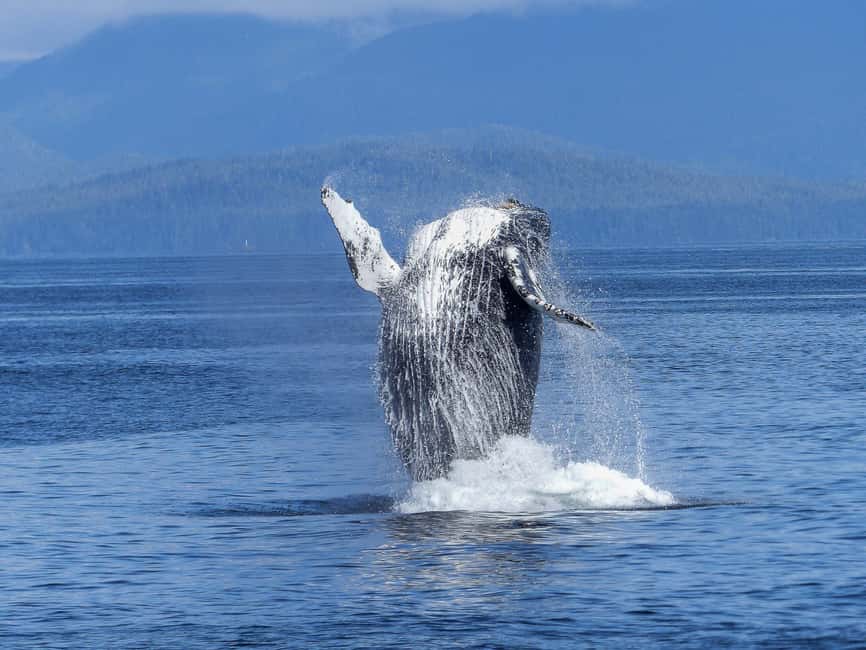
- Orcas and humpbacks are the usual stars, with fin, minke, and sperm whales also possible
- Two viewing modes: cozy saloon with large windows, plus an open deck for closer looks
- A warm catamaran with space for everyone helps you stay comfortable and keep photographing
- Guides actively hunt whales’ locations as conditions change, so your chances stay high
- If weather gets too rough, the plan shifts to a scenic fjord cruise with wildlife viewing
MS Keiser Wilhelm: why this Tromsø safari feels different
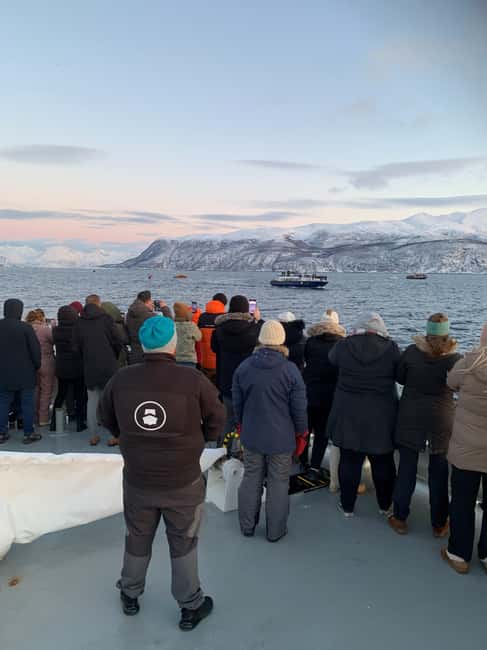
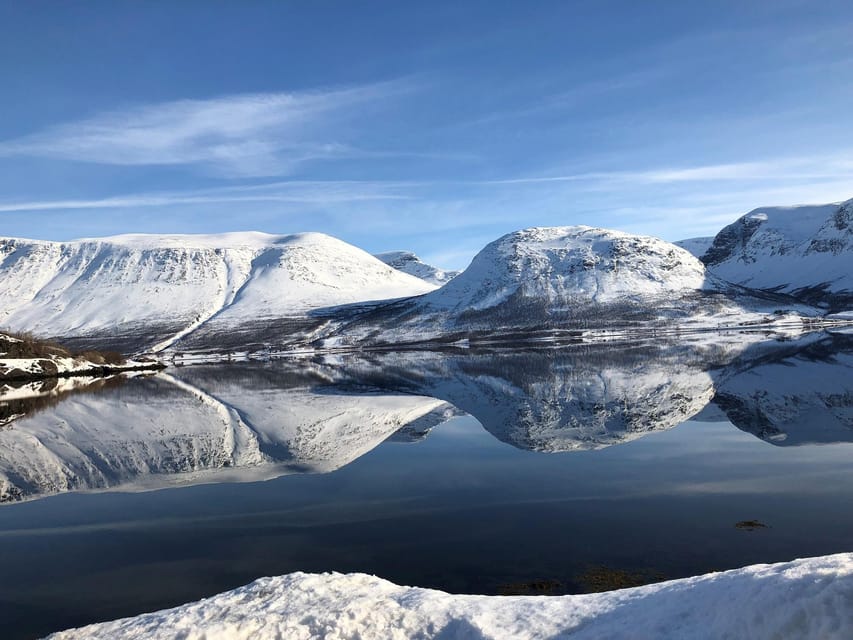
Tromsø is known for northern skies, snowy streets, and the kind of winter gear you never thought you’d need. But this trip is about something else: going out into the Barents Sea with enough comfort to make a long day bearable, and enough structure to make whale sightings more likely.
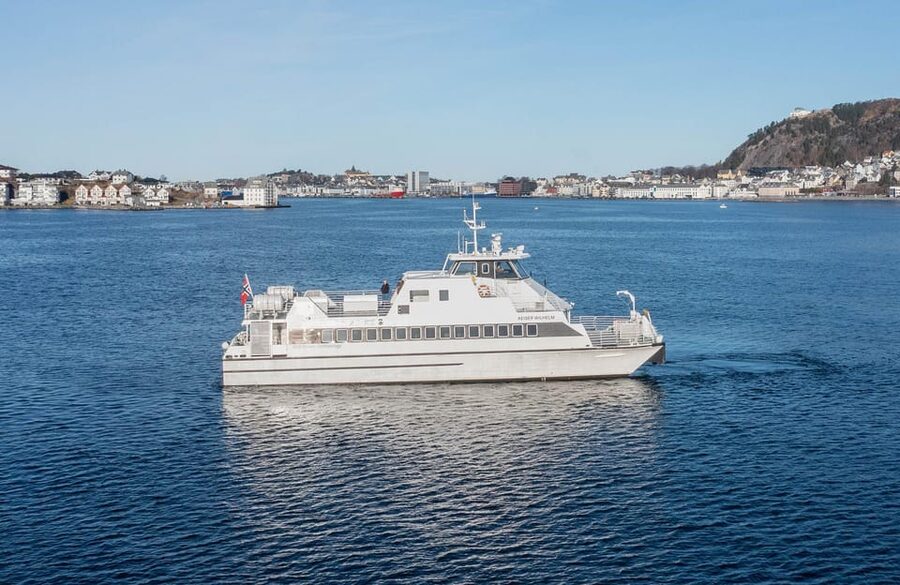
The MS Keiser Wilhelm is a warm and comfortable catamaran. You’re not stuck in one small viewing area. There’s the cozy saloon with big windows for spotting and photos, and there’s also a large open deck when you want the full Arctic air and a more immediate sense of scale.
The best part is that the experience is built around action. Whales move, especially when they’re following herring. So the crew isn’t just driving a route and waiting. They locate whales and position the boat for viewing time when the animals are around.
You can also read our reviews of more tours and experiences in Tromso.
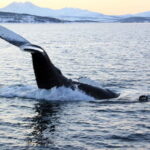
What you’ll really do during 6 to 8 hours at sea
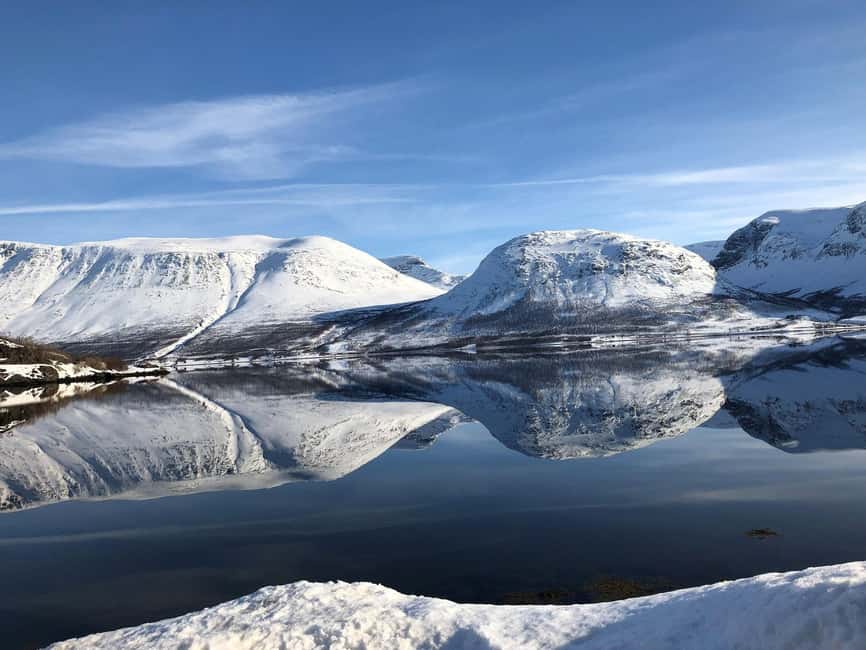
You should expect most of your day to be on the water. The tour typically runs about 6 hours, but it can stretch to 8 hours if whales are farther away. That matters because it changes how you pack and how you pace yourself.
Here’s the flow that matches how these trips operate:
Heading out from Nerstranda Quay
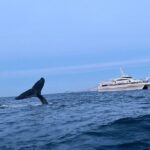
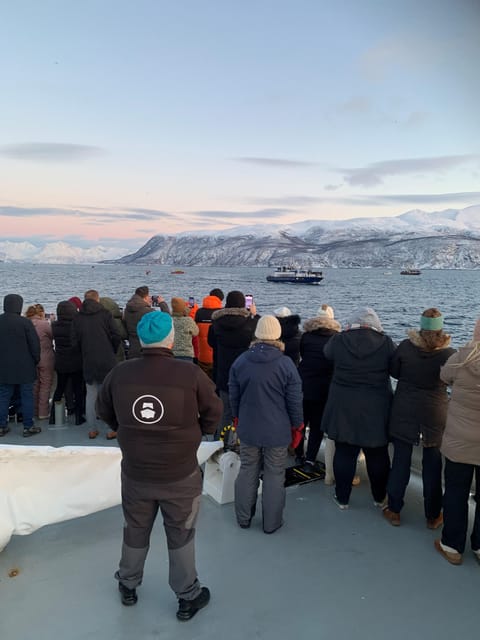
You meet at Nerstranda Quay, right next to the Alti shopping centre in Tromsø city center. The boat is a white catamaran named Keiser Wilhelm, and it also shows the company name Cruise Service. After boarding, the cruise begins toward the feeding areas.
Why this part matters: you’re not just grabbing seats and hoping. The long transit is part of the “work” of whale watching in the Arctic. The sea doesn’t hand you whales on a single fixed timetable, so the time on the water is often the price of admission.
Searching the Barents Sea for hunting pods
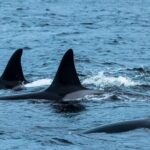
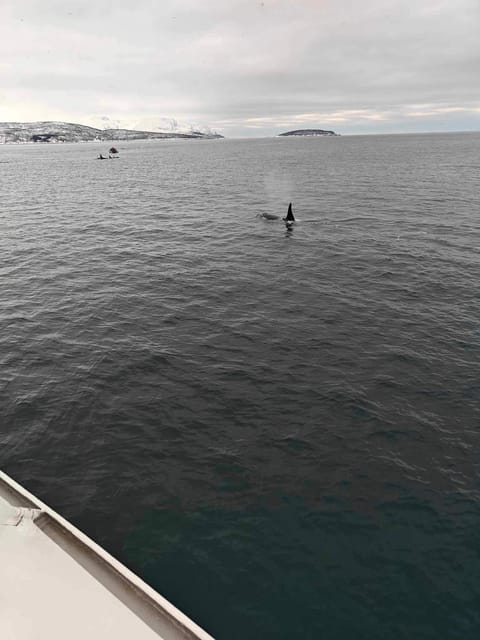
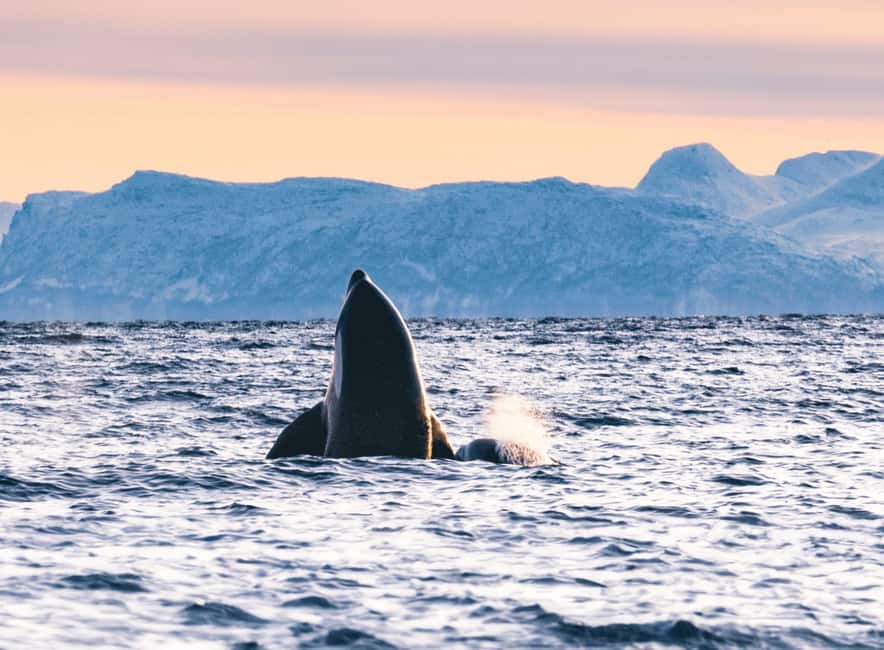
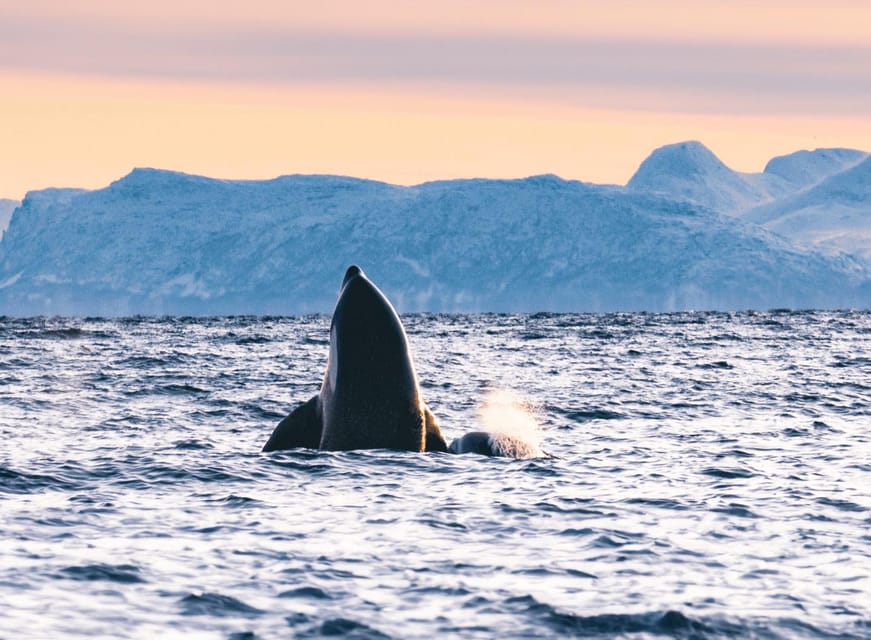
This is the core of the experience. The goal is to reach the spots where whales and orcas gather to hunt for herring. Species commonly sighted include orcas and humpback whales, with fin whales, minke whales, and sperm whales also sometimes present.
The whales don’t sit still. They follow food, and their position changes from day to day. The crew relies on experience locating them and a network of sailors reporting whales’ locations from day to day. In practice, this means your day is guided by real-time decisions rather than a fixed itinerary.
A key reality check: there’s no 100% guarantee you’ll see whales. Still, the operation aims to find them almost every day, and they plan to get you viewing time once the animals are located.
Viewing time: inside vs. outside
You get two distinct ways to watch:
- From inside the saloon through large windows, which helps when visibility is tricky or temperatures drop.
- From the outside open deck for a closer, more immediate experience.
I like having both options because whale watching conditions change fast. One moment the deck is perfect for spotting fins and tails. The next moment you’ll prefer the warmth of the saloon for steady watching and easier photo framing.
In the cabin, you can also expect a lively, informative atmosphere from the guide—this is not silent sightseeing.



What the Arctic “reroute” can look like
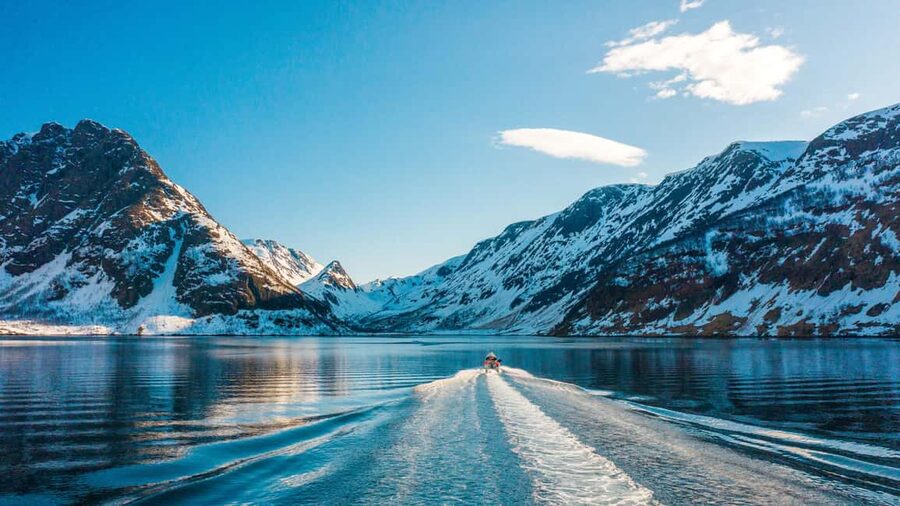
Weather and waves can shift the plan. If conditions are too rough for whale watching, the crew chooses a more sheltered route. In that case, you’ll get a scenic fjord cruise with wildlife viewing that may include eagles, seabirds, seals, dolphins, and whales.
So even when whale watching becomes less practical, you’re not necessarily “stuck on a boat.” You may still get wildlife and scenery, just without the same target focus.
Guides, whale talk, and the small details that matter
A whale safari lives or dies on how well you understand what you’re seeing. This tour leans into that. Your guide explains the whales, their habitat, and their seasonal behavior. It’s in English, and it’s timed to what’s actually happening around the boat—not just a lecture.
One guide name that comes up in feedback is Mario. People describe him as friendly, passionate, and clearly informed, with solid whale context throughout the day. There’s also mention of teams that include students from Italy, with the same theme: genuine interest in whales, and practical advice when conditions get rough.
One especially useful detail: if you’re prone to seasickness, pay attention when the crew offers tips. Reviews specifically mention that the guides shared helpful strategies for staying comfortable during the voyage. If you’ve had motion sickness before, take that as your cue to plan ahead—don’t wait until you feel bad.
Comfort and onboard setup: warm boat, real viewing space
Let’s talk comfort, because this is an Arctic trip and you’ll remember how it felt more than you’ll remember what you paid.
MS Keiser Wilhelm has seats for every passenger, and people describe the boat as comfortable both inside and outside. That matters for two reasons:
1) You can find a good viewing angle without a fight.
2) You can keep photographing even when the whales move quickly.
Food and drinks are available via an onboard bar with warm and cold drinks, snacks, and light meals. Still, not everyone felt the onboard provisioning matched the need for water and snacks for a long day. If you know you’ll want more than occasional sips, I’d bring a small stash of what you like—especially water and a couple of easy snacks.
Also consider the weather swing. One review notes that the return trip can feel cold on the back portion of the boat. That’s a good reminder to dress in layers, even if the morning feels mild.
Price and value: is $194 worth it?
At $194 per person, this isn’t a budget activity—but it also isn’t trying to be one. You’re paying for:
- a 6 to 8 hour catamaran cruise out into the Barents Sea,
- guided spotting and whale-focused navigation,
- and access to both indoor and outdoor viewing spaces.
The value improves if you care about two things: (1) a real guided experience, and (2) not freezing while you wait. Reviews praise how guided the trip feels, with guides talking about whales and behavior, and how people felt the day was “worth it.”
The other side of the value equation is the Arctic unpredictability. You could get conditions that reduce whale time. You could also be on the water long enough that you feel the need for water and snacks. That’s why your best decision tool isn’t only price—it’s whether you’re the type who can handle a long outing with a chance, not a guarantee.
Second chance if you don’t see whales
This operator includes a second chance promise: if you don’t see whales, you’re offered a free ticket on one of their next tour dates within the same season (when available). That’s a meaningful piece of value, because it reduces the risk of paying for a whale hunt that comes up empty.
Weather, cancellation, and what to do if the sea gets rough
Arctic weather is not polite. In really bad conditions, the tour might be cancelled due to waves. If that happens, you’ll be offered a full refund or a change of ticket to an alternative day with availability.
If conditions are workable but uncomfortable, expect rough seas at times. One review describes a day with quite rough conditions and notes that the crew handled people who felt unwell. Another review warns that roughly half the boat may experience seasickness on the way between fjords.
What you can do:
- Dress warm in layers so you can move between deck and saloon.
- Bring motion sickness help if you tend to get sick on boats.
- When provided, follow the crew’s tips early rather than late.
- Choose your viewing spot based on how you feel—some people do better near the middle of the catamaran and closer to the saloon.
Safety feels well managed in feedback. People mention the crew looking after those who felt unwell, and that the boat felt safe.
Who this whale safari suits best (and who might want to think twice)
This trip fits best if you want:
- whale-focused guiding, not just scenery time,
- a comfortable boat with both indoor and outdoor viewing,
- and you’re okay with a long day on the water.
It may feel less ideal if you hate boat rides, especially if you’re sensitive to motion sickness and you haven’t dealt with it before. Even with a warm catamaran, rough seas can still be rough.
It also suits photographers because there’s room for people to shoot from inside and out. Reviews mention plenty of space for views and photos, which is exactly what you want when whales surface and move quickly.
Practical packing checklist for the day
You can’t pack away Arctic conditions, but you can pack smart.
Bring:
- Warm layers for both inside and deck time
- A wind-resistant outer layer if you have one
- Motion sickness support if you’ve needed it before
- Your preferred snacks (especially if you like water on hand)
Also, keep expectations flexible. The crew tries to find whales almost every day, but the sea decides where the hunt happens.
Should you book the Tromsø Whale Safari with MS Keiser Wilhelm?
I’d book it if you’re traveling to Tromsø specifically for wildlife time and you want a guided hunt for orcas and humpbacks. The combination of experienced crew, warm comfort, and viewing options makes this more than a casual boat ride. At $194, it’s priced like a true Arctic activity, and the onboard setup and whale-focused guidance support that cost.
I’d think twice if you’re highly sea-sickness prone or you can’t handle a long outing where the exact viewing depends on whale location and weather. In that case, plan around comfort and motion safety, and be honest with yourself about how you react on boats.
If you’re okay with the reality of the Arctic—wind, waves, and animals that move—this tour has a very strong chance of giving you an unforgettable day on the water.
FAQ
How long is the Tromsø whale safari on MS Keiser Wilhelm?
The tour lasts about 6 to 8 hours, depending on where the whales are located that day.
Where do I meet for the tour?
You meet at Nerstranda Quay next to the Alti shopping centre in Tromsø city center. Look for the white catamaran named Keiser Wilhelm (Cruise Service).
What whales might I see?
Orcas and humpback whales are normally seen. Fin whales, minke whales, and sperm whales can also frequent the waters around Tromsø.
What happens if the weather is too rough for whale watching?
If weather, winds, and waves are too much, the crew will choose an alternative route in more sheltered waters for a scenic fjord cruise with wildlife viewing. If conditions are really bad, the tour may be cancelled with a full refund or an alternative day.
Is the whale safari guaranteed?
No. There is no 100% guarantee you will see whales. However, the operator does offer a second chance guarantee if you don’t see whales, with a free ticket for a next tour date within the same season when available.
Is the tour guided in English and is there food or drinks onboard?
Yes, the guide provides an English-language tour. There is an onboard bar with warm and cold drinks, snacks, and light meals.