REVIEW · MOSHI
4 Days Group Joining Camping Safari to Tarangire Serengeti Ngorongoro Crater
Book on Viator →Operated by Avocet Tanzania Safaris · Bookable on Viator
Northern Tanzania does not need to cost a fortune, and this 4-day group camping safari is a smart way to make it happen. I like the round-trip pickup from Moshi and the simple, all-in-one rhythm: camping setup, meals, game drives, and an English-speaking guide handling the driving.
The one thing to keep in mind is camping nights can feel cold when temperatures drop, and wildlife sightings still depend on timing and luck. You’ll be out there for wildlife, but you can’t control what shows up, even with the best guide.
In This Review
- Key things worth knowing before you go
- A budget safari that still feels like real safari time
- Price and value: what your $970 actually buys
- Moshi start point and how the group ride works
- Day 1: Tarangire National Park for elephants and quieter safari energy
- Day 2: Serengeti National Park and the hunt for predators
- Day 3: Moving to Ngorongoro Rim for crater-edge sightings
- Day 4: Descend into Ngorongoro for Big Five chances
- Camping nights: what to expect and how to pack
- The guide factor: why Mike can change your odds
- What this safari is best for
- Should you book? My straight answer
- FAQ
- FAQ
- What time does the safari start?
- Where does the safari begin?
- How long is the safari?
- What’s included in the price?
- Do I need to pay park fees separately?
- Is the cultural village visit included?
- Are flights included?
- What about visas and insurance?
- Do I need to tip?
- Can I cancel for a full refund?
Key things worth knowing before you go
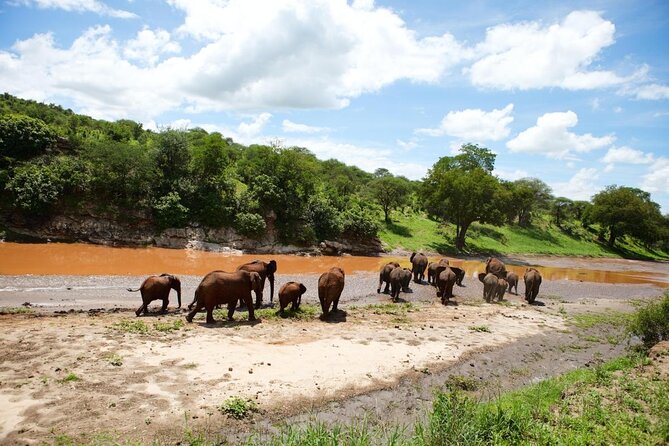
- Tarangire first, for elephants and birds in a quieter park before you hit the big names
- Serengeti game drives aimed at predator action and classic open-plains sightings
- Ngorongoro Rim to crater descent so you get both the edge views and the crater safari
- Camping gear and meals are included, which matters a lot for value on a budget
- English-speaking guide plus 4WD Land Cruiser/Land Rover transport keeps the days moving
- A small detail that can make a big difference: bring warm layers for evenings at camp
A budget safari that still feels like real safari time
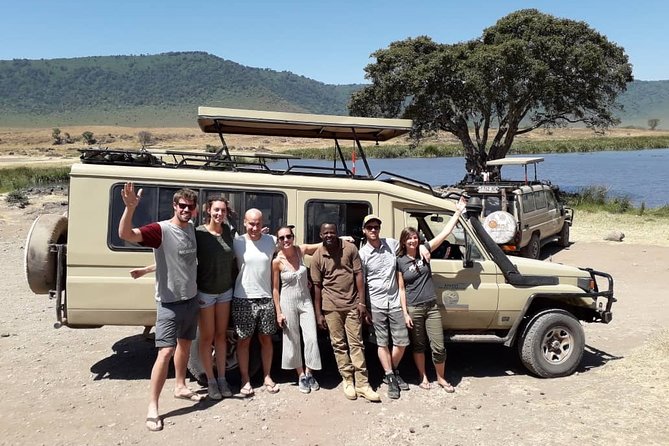
This is the kind of safari that makes sense if you want the Northern Circuit highlights without paying for a long, multi-week trip. You’re not just passing through parks for a quick look. You’re spending full days doing game drives, then sleeping right near the action with camping included.
Because it’s a group format, you’ll gain structure. You’ll also avoid the hardest part of safari planning: lining up transport, guides, and park logistics. That’s where most “cheap” safaris quietly get expensive or frustrating. Here, the essentials are bundled.
You can also read our reviews of more tours and experiences in Moshi.
Price and value: what your $970 actually buys
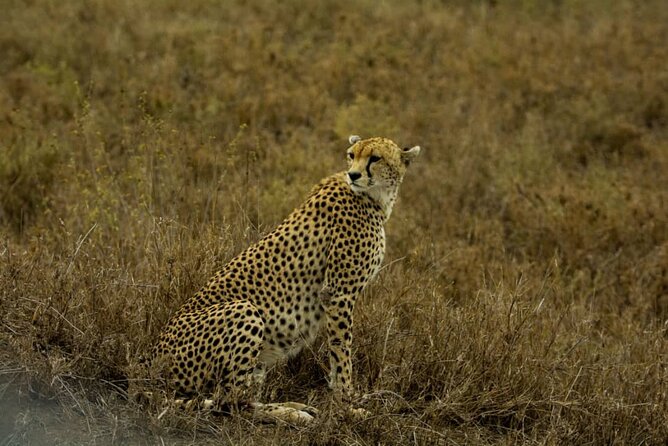
At $970 per person for four days, the real value is what’s included alongside the driving and guiding. You get camping accommodation and all camping gear, plus all meals at the camps, which reduces your day-to-day spending in Tanzania.
On top of that, the package covers transport in a 4WD Land Cruiser or Land Rover, game drives as scheduled, and the park/camping/crater service fees that often catch people by surprise. That matters, because entrance and safari operating costs can add up fast when you book each piece separately.
What’s not included is also clear, and you should plan for it:
- cultural village visit (optional, payment direct)
- international and local flights and any related taxes
- visa fees and travel/personal accident insurance
- tips/gratuities and personal expenses
- drinks other than water
If you already have your flights and you’re okay with camping, this can be a strong deal. If you’re hoping to avoid tips entirely or want lots of paid extras, the “base” value may feel smaller.
Moshi start point and how the group ride works
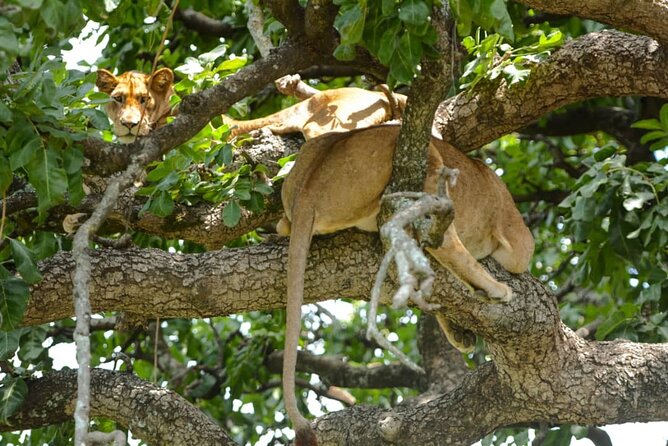
The safari begins in Moshi, with pickup arranged from the Kilimanjaro Airport area (the start time listed is 6:30 am). That early departure helps you use daylight in parks, which is when animals are most active and when game drives are most comfortable.
Your group size can be up to 100 people, so expect a “big group” feel at checkpoints even if your safari vehicle setup will still be organized. The upside is the tour is built to be run smoothly for many people at once, with an English-speaking guide to keep things moving and explain what you’re seeing.
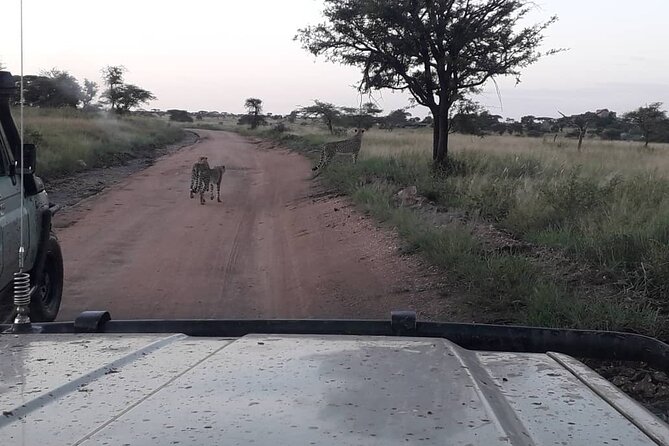
You’ll travel in 4WD safari vehicles. That’s important here because road conditions and park tracks aren’t designed for regular sedans. The right vehicle gives your guide the flexibility to follow animal activity and get you into workable driving positions.
Day 1: Tarangire National Park for elephants and quieter safari energy
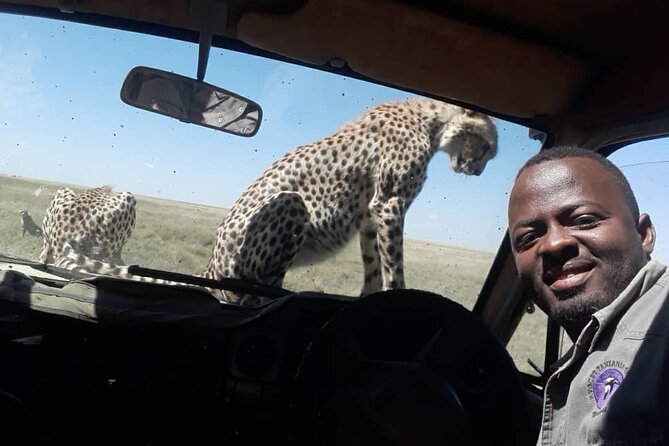
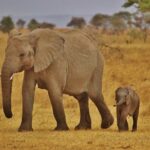
Day 1 starts with a drive from Moshi to Tarangire, aiming for game drives on arrival, with picnic lunch boxes included. Tarangire is a great first stop because it often feels less frantic than some of the more famous routes. It’s known for elephants and strong birding, and it can give you an authentic safari rhythm right away.
In practical terms, Tarangire is also a helpful “warm-up.” You’ll get your eye in: learning how to spot animals through scrub and roadside vegetation, reading movement, and understanding how your guide communicates what’s worth stopping for. That makes the later days in Serengeti and Ngorongoro more rewarding.
A possible drawback: you’re still going to feel the long driving day. This is not a lazy holiday. You’ll do wildlife hunting all day, then move on to camp for dinner and overnight at Kizumba Campsite.
Day 2: Serengeti National Park and the hunt for predators
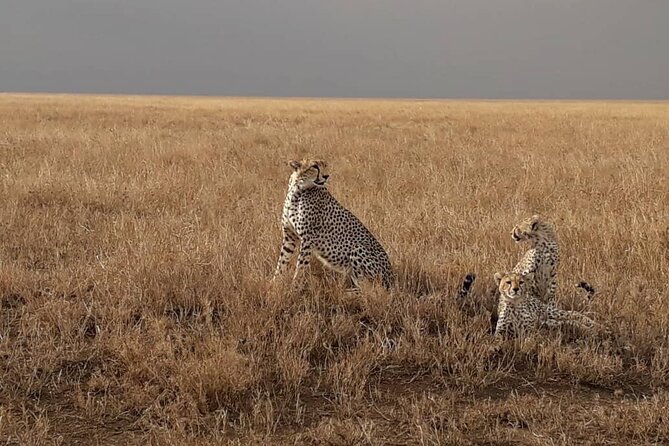
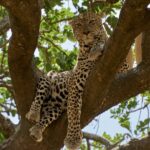
After breakfast, the day shifts toward Serengeti, again with picnic lunch boxes and game drives along the way. Serengeti National Park is famous for good reason: predators and the broad-scale drama of the Great Migration can create some of the best wildlife viewing in East Africa.
What I like about placing Serengeti on Day 2 is timing. You’ve already settled into the safari routine, so you can focus on spotting and listening to your guide instead of just adjusting to the motion and schedule.
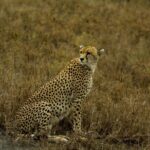
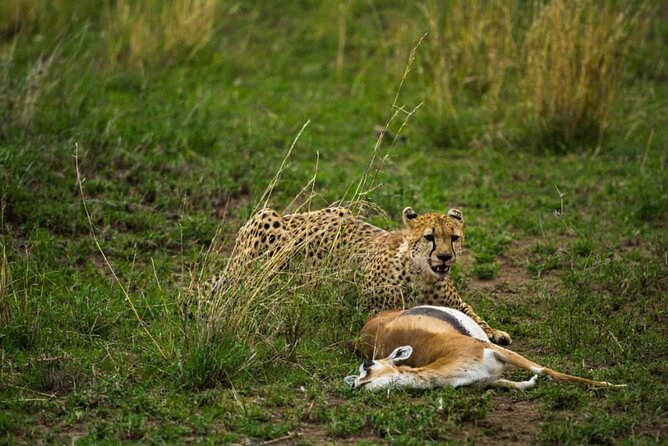
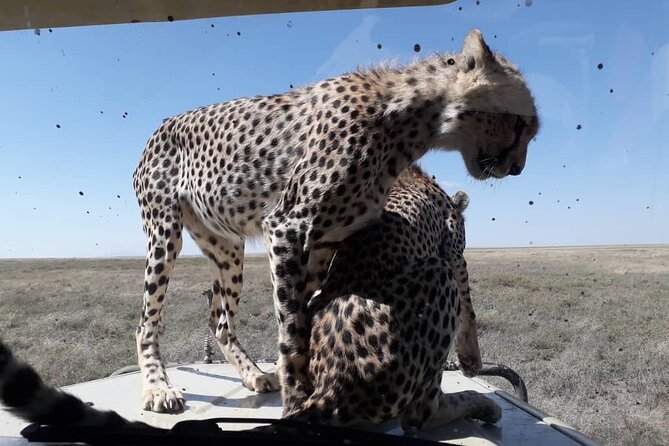
Realistically, this is also where your luck starts to show. Serengeti can produce jaw-dropping sightings, but predators are not guaranteed on a clock. You’ll want to be patient and comfortable with frequent stops and scanning for movement. Bring a camera strap you trust and clothing you can layer fast.
Dinner and overnight happen at Seronera Campsite on full board. That means you don’t need to think about meals or logistics once you arrive. You can just rest and reset for Ngorongoro.
Day 3: Moving to Ngorongoro Rim for crater-edge sightings
Day 3 keeps you in Serengeti for more game drives after breakfast, then you head toward Ngorongoro with a picnic lunch en route. This day acts like a bridge between the wide-open plains and the crater world below.
You’ll likely notice the change in scenery as you approach Ngorongoro: roads and terrain become different, and the feeling of the landscape shifts from open grazing areas to dramatic slopes. From a safari strategy standpoint, this matters because it changes where animals move and how your guide can position the vehicle for sightings.
You’ll spend the night at Simba Campsite after reaching the Ngorongoro Crater Rim area for dinner and overnight. This is a good setup because you don’t lose an entire day to travel into the crater. You’re already in position for the big crater day.
Day 4: Descend into Ngorongoro for Big Five chances
Day 4 is the day most people are picturing when they book this safari: you drive to the crater and then descend inside for game drives with picnic lunch boxes. The crater setting is often described as visually stunning because it creates a natural amphitheater effect, where animals can concentrate and where you may spot wildlife more easily than you would in wide-open country.
This is also the best place in the region to chase the Big Five within a short itinerary. You’re not guaranteed every species, but Ngorongoro is one of the most realistic options for seeing several of them in a limited timeframe.
There’s also a cultural layer you’ll notice through the Maasai presence in the wider area. You may have chances to interact respectfully if your itinerary includes that type of visit, but the cultural village stop itself is listed as optional and paid directly. So don’t assume it’s built in.
After your crater game drives, you ascend late afternoon and drive back to Moshi to end services. It’s a full day, but it’s the kind of finish that feels earned.
Camping nights: what to expect and how to pack
This safari includes tents, camping gear, and all meals, which takes away a common stress. You don’t need to source camping equipment or negotiate where you’ll eat each day. That’s a big deal when you’re moving between parks.
The trade-off is you’re camping in the bush environment. In Northern Tanzania, temperatures can drop at night. One of the practical takeaways I’d act on from the experience of people who’ve done similar trips: pack warm layers for evenings. Even if daytime is pleasant, camp mornings and nights can surprise you.
Also plan for dust. Even with sealed vehicles, safari roads can kick up fine dust, so bring:
- a small towel or wipes
- a refillable water bottle
- sunscreen and lip balm
- a light jacket for vehicle air and evening chill
The guide factor: why Mike can change your odds
For safaris, the guide is not a “nice to have.” It directly affects how long you spend with animals and how efficiently you use every driving hour. This tour is run by Avocet Tanzania Safaris, and multiple comments emphasize the same point: the best outcomes come from having strong animal-spotting skills and calm driving.
Names you may hear include Mike, who’s described as excellent at searching for animals and teaching you what you’re looking at. People also mention a driver/guide called Magic Mike, with the same theme: great at finding wildlife and adjusting when animals move out of sight.
Even if you don’t get the exact same guide name, look for the same traits: someone who reads tracks, notices small signals, and explains behavior in plain language. That turns your drive into a learning experience instead of just sitting in the back seat scanning.
What this safari is best for
This is ideal if you want a classic Northern Circuit route in a tight window, especially if you’re cost-conscious but still want real park time. I’d point it at three types of travelers:
- First-time safari visitors who want a structured plan with an English guide and included meals
- People who are comfortable with camping and want maximum value per day
- Anyone who wants a Big Five-oriented route without switching hotels or arranging separate transfers
If you’re the type who hates camping, or you want a totally private safari vehicle, this group format may feel a bit too “shared.” The upside is you’ll still get multiple full game-drive days across the most famous areas.
Should you book? My straight answer
Book this safari if you’re after Tarangire + Serengeti + Ngorongoro in four days and you value what’s included: camping gear, meals, park fees, and a guide-led game drive schedule. The pricing works best when you’re flexible, happy to dress in layers, and ready to accept that wildlife timing is never fully controllable.
Skip it or look at alternatives if you want a lighter pace, strict room-style comfort, or you plan lots of paid add-ons beyond what’s listed. The “base” is strong, but extras like cultural village visits, drinks, and tips are on you.
FAQ
FAQ
What time does the safari start?
The start time is listed as 6:30 am at Kilimanjaro Airport / Kilimanjaro National Park Tanzania area.
Where does the safari begin?
The experience start point is at Kilimanjaro Airport (in the Kilimanjaro National Park area), with pickup arranged for the Moshi-based route.
How long is the safari?
It runs for 4 days approximately.
What’s included in the price?
Included items are camping accommodation with camping gear, all meals at the camps, 4WD transport (Land Cruiser or Land Rover), game drives as per the itinerary, and park entrance plus camping and crater service fees. An English-speaking guide is also included.
Do I need to pay park fees separately?
No. Park entrance, camping, and crater service fees are included.
Is the cultural village visit included?
No. A cultural village visit can be added, but payment is direct by clients.
Are flights included?
No. International flights, local flights, and any related taxes are not included.
What about visas and insurance?
Visa fees and travel/personal accident insurance are not included.
Do I need to tip?
Tips and gratuities are not included, so you should budget for them as personal expenses.
Can I cancel for a full refund?
You can cancel for a full refund if you cancel at least 24 hours before the experience’s start time. If you cancel within 24 hours, the amount paid is not refunded.