REVIEW · ARUSHA
6 Days Private Budget Safari
Book on Viator →Operated by Serengeti Wakanda Tours & Safaris · Bookable on Viator
Baobabs, rhinos, and flamingos in six days. This private safari stitches together Tarangire elephants, long Serengeti drives, and the Ngorongoro Crater with a shot at the rare black rhino. You’ll also finish at Lake Manyara, where flamingos turn the lake into a pink spectacle.
I like the animal time you get, with early starts for sunrise viewing and game drives where you’re not rushed. I also like that meals are handled end-to-end, including hot lunch and picnic options, with cooking teams praised by name in past trips under Serengeti Wakanda Tours & Safaris (chefs such as Ashraf and Idris show up often).
One consideration: the driving days are long and roads can feel bumpy, so you’ll want patience and good hydration. If weather turns rough, this kind of safari is the first thing that gets adjusted, since game viewing depends on visibility.
In This Review
- Key Things I’d Plan Around
- The Arusha Start: What a Private Budget Safari Feels Like
- Tarangire National Park: Elephants, Baobabs, and a River-Filled Day
- Serengeti National Park: Long Drives, Sunrise Shots, and Bird Life
- Day 3: A Full Day in Serengeti
- Day 4: Sunrise Game Drive and a Bush Breakfast
- Ngorongoro Crater: Early Descent and a Black Rhino Chance
- Lake Manyara: Flamingos, Tree-Climbing Lion Territory, and Bird Variety
- Meals, Lodging, and the Little Comfort Wins That Matter
- Guides and the Real Value of Spotting Skills
- Price and Value: Is $2,300 Worth It for This Route?
- If You Book: Practical Tips That Match This Schedule
- Should You Book This 6-Day Private Budget Safari?
- FAQ
- Where does the safari start?
- What parks are visited on this 6-day safari?
- What kind of transportation is used during game drives?
- Are meals included?
- What lodging types are included?
- Is this a private safari?
- Are park admission tickets included?
- What wildlife highlights can I expect?
- What time will I likely return to Arusha on the last day?
Key Things I’d Plan Around
- Private vehicle, private group: only your group rides together, which keeps your pace flexible.
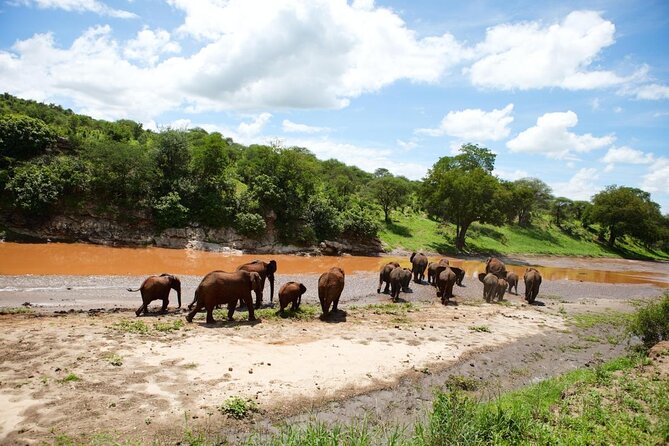
- Tarangire first: elephants plus massive baobabs, with a picnic site that’s all about views and wildlife.
- Serengeti sunrise and Seronera campsite sunset: two daily wildlife windows, not just one.
- Ngorongoro’s early descent: you go down quickly to catch more wildlife activity, including a chance at black rhino.
- Lake Manyara flamingos: a smaller park with a big bird show, especially around the salt lake.
- Meals included: breakfast, lunch, and most dinners are already built into the plan, which saves hassle.
The Arusha Start: What a Private Budget Safari Feels Like
This tour is built for people who want the classic Northern Circuit feel without the big-luxury sticker shock. It’s private, so you’re not sharing your vehicle with strangers. That matters in Tanzania, where timing is everything and wildlife sightings can turn on a dime.
You start with an Arusha-area pickup and a 7:30 am start time. From there, the itinerary keeps moving through four major areas: Tarangire National Park, Serengeti National Park, Ngorongoro Crater, and Lake Manyara National Park. That route is efficient: it concentrates your time in wildlife hotspots instead of bouncing around random roads all day.
For me, the sweet spot here is how you’re not only chasing animals. You’re also getting the “why” of the ecosystems: baobabs and elephants at Tarangire, big-open-plains bird life in Serengeti, crater wildlife and breath-taking views at Ngorongoro, and the bird-heavy salt lake at Lake Manyara.
You can also read our reviews of more tours and experiences in Arusha.
Tarangire National Park: Elephants, Baobabs, and a River-Filled Day
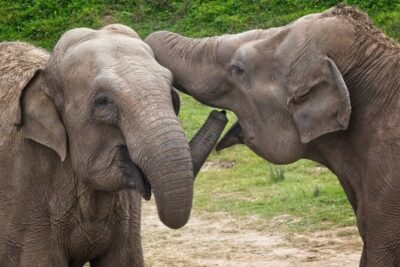
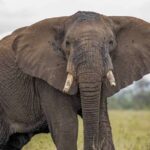
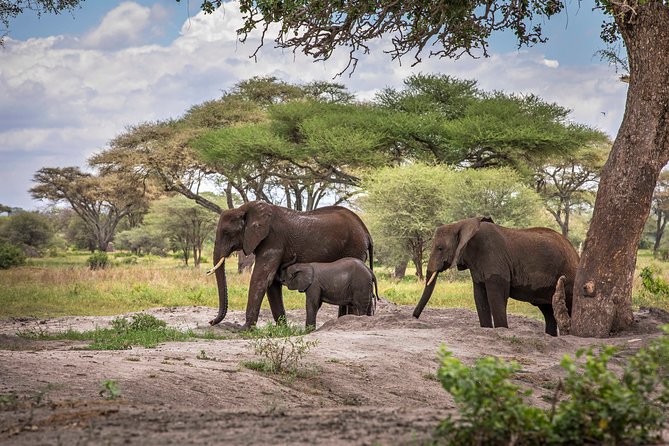
Your first full day is anchored in Tarangire National Park, famous for large elephant herds and ancient baobab trees. The day starts with breakfast, then a drive of about two hours from Arusha into the park area.
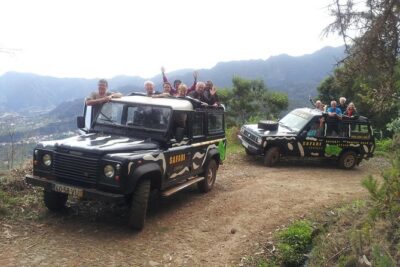
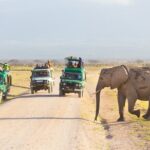
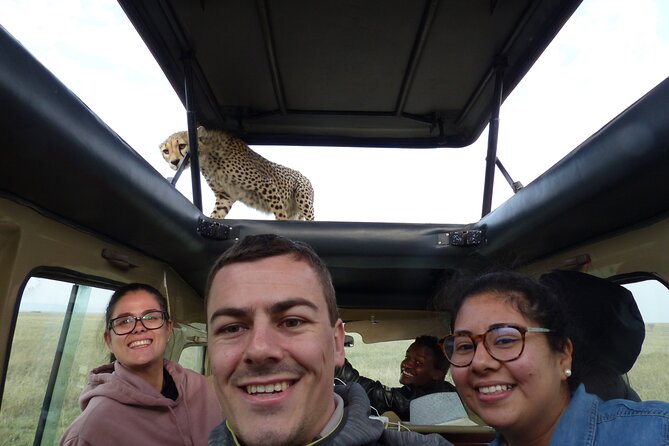
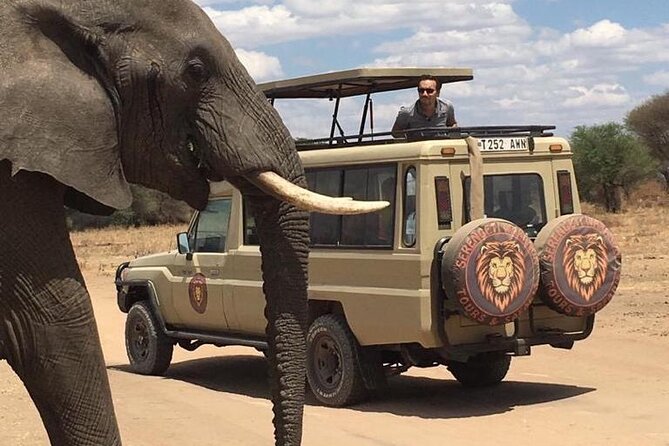
The way you look for wildlife here is part of the fun: you’re in an open-roof vehicle. That gives you sharper sightlines for elephants and birds, and it also makes the seasonal swamps and savanna feel real, not just “seen from a window.” You’ll likely pass along the Tarangire River area, which is described as full of wildlife, from giraffes and impalas to zebras and warthogs. Lions and leopards are on the list too, along with elands and a wide range of birds.
Lunch is handled at a picnic spot with a spectacular view. You’ll eat there first, then continue with game viewing before heading to your overnight stay at Fig tree lodge.
What to watch for: elephants and bird activity can happen at different times, so don’t expect one single “best hour.” Tarangire is often steady, with animals showing up in clusters.
Possible drawback: this is a fast-moving day designed to maximize sightings, so you may not get long stretches of hanging around one patch of grassland.
Serengeti National Park: Long Drives, Sunrise Shots, and Bird Life
Serengeti is the main event, and this itinerary treats it like one. After breakfast, you drive toward Serengeti. The route takes about 4–5 hours, and it’s described as long and bumpy, with crater highlands on the way to the vast plains. Translation: bring patience for the road, and don’t plan on using the drive as a time to relax hard.
You stop for a picnic lunch and then check into the park for an afternoon game drive. After sunset, you head to Seronera campsite for dinner and overnight. That’s where the day pattern starts to matter: wildlife can be more active at cooler times, and the schedule is built to catch those windows.
Day 3: A Full Day in Serengeti
Day 3 is a full-day game drive approach. You leave at sunrise and spend roughly 10 hours in the park, then return to camp for hot lunch. After that, there’s another afternoon drive and another return at sunset for dinner.
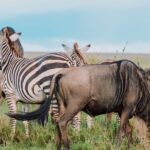
One detail I really like: Serengeti here isn’t only sold as big-mammal territory. You’re also pointed toward bird life, with more than 500 bird species recorded. That includes birds like ostriches and secretary birds in open grassland areas, plus black eagles soaring above the savannah.
Day 4: Sunrise Game Drive and a Bush Breakfast
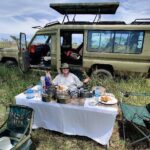
Day 4 wakes up very early, around 6 am, for a sunrise game drive. You pause at a picnic site for breakfast in the bush, then keep driving until about noon. After loading the vehicle, you depart Serengeti and continue to Ngorongoro for dinner and overnight at Simba campsite.
What to watch for: in Serengeti, you’ll get the most out of early starts if you’re flexible on what you’re chasing. A sighting can be brief, but the payoff is that you see more of the day’s wildlife rhythm.
Possible drawback: multiple long driving blocks can add up. If you’re prone to motion sickness, plan ahead. And if you want a “slow vacation,” this isn’t that.
Ngorongoro Crater: Early Descent and a Black Rhino Chance
Ngorongoro Crater is where the itinerary shifts from plains to dramatic crater wildlife. You begin with early breakfast and then descend into the crater immediately. The timing matters here, because crater viewing is about catching wildlife activity early and keeping your opportunities open.
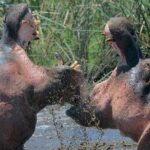
The promise in the schedule is that you can see almost every species of wildlife indigenous to East Africa, with a chance to spot the rare black rhino. That’s the headline you’ll be thinking about during the drive down.
Lunch choices are built in:
- You can choose picnic lunch at Hippo Lake, or
- hot lunch at the camp.
After the crater day, you continue to Fig tree lodge to relax, enjoy dinner, and overnight.
What to watch for: black rhino sightings are never guaranteed. What you can control is your approach: when your guide suggests a direction, take it seriously. Crater wildlife can be concentrated, and the best spot often changes quickly.
Possible drawback: it’s a full wildlife day with a strong focus on crater time, so you’ll want to be ready for a strong viewing pace.
Lake Manyara: Flamingos, Tree-Climbing Lion Territory, and Bird Variety
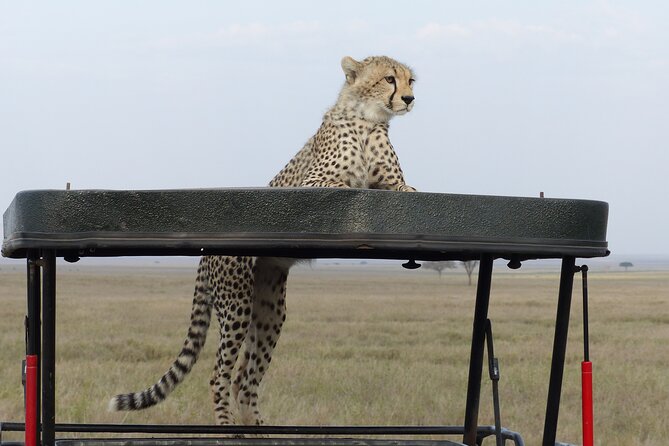
Your final park stop is Lake Manyara, with a short drive to the gate (about 5 minutes after breakfast). Lake Manyara is smaller, but it’s described as diverse, with a salt lake that floods and dries with the seasons. That seasonal rhythm helps explain why you’ll expect thousands of flamingos and plenty of bird species overall, including over 300 other bird species.
The itinerary also points out a key attraction: tree climbing lions. They’re not guaranteed, but the area is known for that behavior, so it’s worth keeping your eyes moving through the woodlands.
You’ll also see a mix of habitats: grassy plains, primate-filled woodlands, and baobab dotted cliffs. This is a different kind of safari day. Instead of “just follow the biggest animals,” you’re more likely to notice behavior across habitats, especially birds.
Timing note: you’re expected back in Arusha around 4 pm, with flexibility if you need to catch a flight.
Possible drawback: Lake Manyara works best when you’re comfortable switching your focus from big mammals to birds and smaller animal behaviors.
Meals, Lodging, and the Little Comfort Wins That Matter
This is a budget safari, but it isn’t a rough one by design. Meals are included: breakfast for 6 days, lunch for 6 days, and dinner for 5 days. That removes a major headache on safari trips, where eating decisions can quietly turn into long delays.
The tour also calls out picnic and hot lunch options. That’s not just a convenience detail. It changes your day rhythm. When lunch is handled smoothly, you’re less likely to lose prime game-viewing time.
In past experiences with Serengeti Wakanda Tours & Safaris, the cooking team gets praise by name. Chefs like Ashraf and Idris are mentioned for making fresh meals from scratch, and one review specifically highlights the food concept as better than boring packed meals. You’ll still want to bring your own snacks if you like, but the foundation is there.
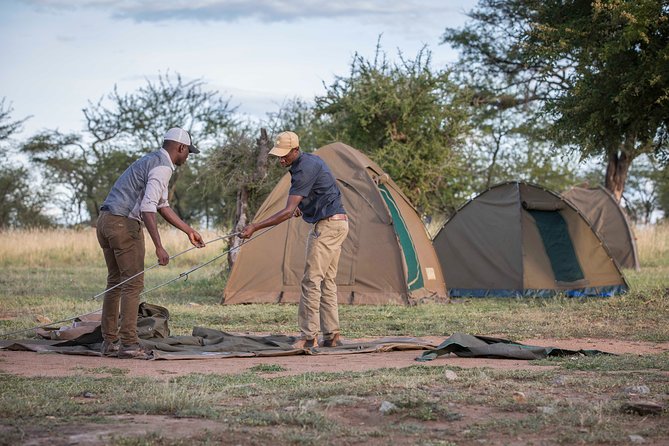
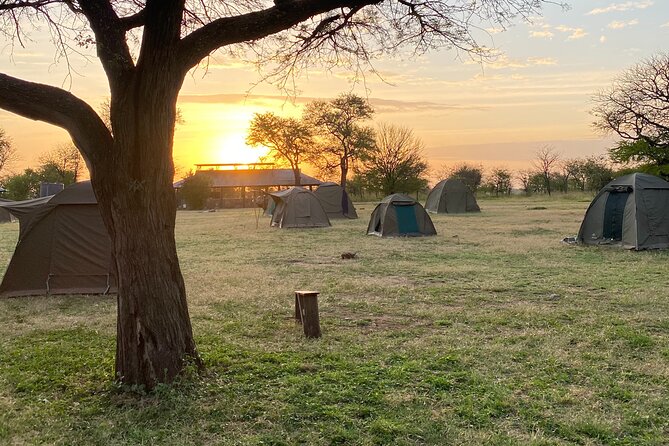
Lodging includes a mix of lodge and campsite overnights, including Fig tree lodge, Seronera campsite, and Simba campsite. If you’re expecting a soft bed every night with no connection to the outdoors, this is the part to think through. Campsites can be fun and authentic, but they’re also more basic than full-on lodge stays.
Guides and the Real Value of Spotting Skills
This tour is private, which means your guide’s strengths matter a lot. In reviews for Serengeti Wakanda Tours & Safaris, guides are repeatedly named, including Tom, Bashiri, Francis, Andrew, Felix, Benjamin, Zefa (Zefania), and Edward. The common thread isn’t just knowing animals in theory. It’s keeping your drive efficient, helping you find wildlife, and explaining what you’re looking at in a way that makes the hour feel worthwhile.
You’ll also see praise for planning and communication. Names tied to smooth coordination include Glory, Joshua, Aishwarya, Goodluck, and Ushma. Even when arrivals were delayed due to flight issues, the trip still got described as smooth and well handled, which tells you the operation is used to real-world travel hiccups.
How this affects you: if you’re paying for a safari, you’re paying for time on the road and your odds of good sightings. A strong guide turns those odds into more moments you’ll remember.
Price and Value: Is $2,300 Worth It for This Route?
At $2,300 per person for about six days, you’re not buying the cheapest safari in Tanzania, but you are buying structure and time. The value comes from three things:
- Private use of vehicle and schedule (only your group participates), so you’re not stuck behind other people’s plans.
- Meals included, including breakfast and multiple lunches, plus dinner on most nights. That can save real money and stress.
- A route that actually hits the big Tanzanian wildlife regions: Tarangire, Serengeti, Ngorongoro, and Lake Manyara.
Where the “budget” shows is in the mix of lodging styles. Campsites appear, and the emphasis is on time outdoors rather than indoor comforts. If that sounds good to you, this price starts to make sense fast.
If you’re the type who needs hotel-level comfort and short days, you might find the schedule tiring. But for most wildlife-focused travelers, the itinerary hits the right balance between cost and time in the parks.
If You Book: Practical Tips That Match This Schedule
Here are smart, schedule-shaped moves that help with this exact kind of safari:
- Plan for early mornings. One day starts around 6 am for sunrise viewing. Another starts with a 7:30 am start in Arusha. Sleep matters, so pack for chilly early hours.
- Hydrate like it’s your job. Game drives are long, and you’ll be out in the sun.
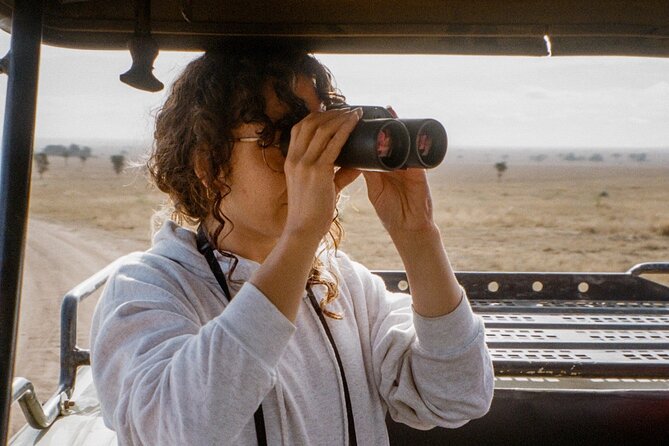
- Bring binoculars if you can. This route is bird-heavy in Serengeti and Lake Manyara, and spotting animals at distance helps.
- Don’t overpack your daydream. Wildlife timing is unpredictable. If your guide changes direction, trust it.
- Budget for tips. Tips aren’t included, so keep some Tanzanian shillings or cash set aside for staff.
Should You Book This 6-Day Private Budget Safari?
If your goal is real wildlife time across Tarangire, Serengeti, Ngorongoro, and Lake Manyara, this tour makes a lot of sense. The private setup, multiple sunrise-focused drives, and fully handled meals are strong value drivers, and the operator has a consistent reputation for good guiding and food (with chefs and guides frequently named in past experiences).
I’d especially recommend it if you’re:
- comfortable with long days and road time,
- excited by animals plus bird life, and
- happy with a mix of lodge and campsite overnights.
I’d think twice if you want a super relaxed pace, minimal early mornings, or all-lodge comfort. Also remember the tour is weather-dependent, so you’ll get the best outcomes with flexible expectations and dates.
FAQ
Where does the safari start?
The tour starts in Arusha, with pickup offered from your hotel. The start time is listed as 7:30 am.
What parks are visited on this 6-day safari?
You’ll visit Tarangire National Park, Serengeti National Park, Ngorongoro Crater, and Lake Manyara National Park.
What kind of transportation is used during game drives?
You’ll travel in a vehicle used for game drives, and the Tarangire portion specifically mentions open-roof vehicle viewing.
Are meals included?
Yes. The tour includes breakfast for 6 days, lunch for 6 days, and dinner for 5 days. It also includes picnic and hot lunch options during the safari.
What lodging types are included?
Overnights include Fig tree lodge, Seronera campsite, and Simba campsite.
Is this a private safari?
Yes. It’s a private tour/activity, and only your group participates.
Are park admission tickets included?
The tour notes admission tickets as free on some days, and admission ticket included on the Ngorongoro Crater and Lake Manyara days. Check your confirmation for the exact coverage for each day.
What wildlife highlights can I expect?
Tarangire is known for elephants and baobab trees. Serengeti focuses on game drives plus bird life. Ngorongoro offers a chance to spot the rare black rhino. Lake Manyara is known for flamingos and tree climbing lions.
What time will I likely return to Arusha on the last day?
You’re expected to be back in Arusha around 4 pm on Day 6, with flexibility if you need to catch a flight.