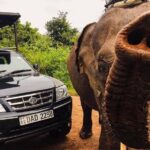
Wildlife rewards patience on every turn. I like the setup: a private 4×4 jeep with a long-experienced driver-guide, plus binocular bird-watching that helps you slow down and actually spot what’s around the bend. One caveat: on one morning run, the driver arrived late and other jeeps had already taken positions, which can reduce your early wildlife odds.
You can choose a morning or afternoon start (half-day), or book the full-day option if you want more time in Udawalawe National Park. Pickup is offered, communication is easy (WhatsApp coordination has gone smoothly for some people), and the whole thing is priced low enough that you can focus on wildlife instead of budgeting stress.
In This Review
- Key Highlights to Expect
- Udawalawe National Park, The Practical Way
- The Private 4×4 Jeep: Why It Changes the Safari
- Binocular Bird-Watching You Can Actually Use
- Half-Day vs Full-Day: Choosing the Right Safari Block
- Inside Udawalawe: What Your Drive Looks Like
- A realistic downside to plan for
- Guide Quality: The Difference Between Seeing and Noticing
- Price and Logistics: The Real Value Check
- Weather Rules and Timing Reality
- Who Should Book This Safari (and Who Might Not)
- Should You Book Green View Safari in Udawalawe?
- FAQ
- Where does the safari take place?
- How long is the safari?
- Is this tour private?
- Do I get pickup?
- Are binoculars included?
- Is the national park entrance fee included?
- What ticket do I receive?
- What happens if I need to cancel?
Key Highlights to Expect
- Private 4×4 safari jeep: You move at your group’s pace, not a big shared bus rhythm.
- Binoculars included: You’ll get help scanning for birds and wildlife details.
- Half-day or full-day options: Pick morning/afternoon or stay out longer.
- Guide experience matters: A skilled driver-guide can spot animals and birds others miss.
- Pickup and mobile ticket: Makes getting started less of a hassle.
- Park entrance fee not included: Plan for that extra cost so your total is accurate.
Udawalawe National Park, The Practical Way
Udawalawe National Park is one of those Sri Lanka wildlife spots where the experience is all about timing and not rushing. What makes this safari format work well is that you’re in a private 4×4 with a driver-guide, so you’re not stuck watching other groups decide where to stop.
In a place like Udawalawe, you’re often scanning roadsides, tree lines, and open stretches from inside the jeep. That’s exactly why having binoculars and a guide who actively looks matters. You don’t just pass through and hope for the best—you slow down at the right moments.
The biggest thing to know up front: wildlife viewing is never guaranteed. If you’re the type who needs the day to feel predictable, build in some flexibility. If you’re okay with a bit of waiting and scanning, you’ll enjoy this style of safari much more.
You can also read our reviews of more tours and experiences in Udawalawa.
The Private 4×4 Jeep: Why It Changes the Safari
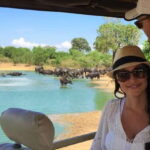
The included vehicle is a 4×4 safari jeep designed for rougher tracks and the stop-and-go nature of wildlife drives. Since this is private, your group is the only group in that jeep, which usually means fewer compromises:
- You can ask for an extra scan when you spot birds or movement.
- You don’t have to align with a larger tour schedule.
- Your guide can tailor stops to what you’re actually noticing.
For photography and bird-spotting, the jeep also helps you reposition quickly. Even small changes in where you stop can turn a blurry glimpse into something you can identify. And because you’re not sharing the “attention” with a large group, your guide can focus on the areas you keep asking about.
One more practical detail: some safaris start with a quick greeting and orientation before heading into the park. That matters because once the drive begins, you’ll spend less time trying to figure out what’s happening.
Binocular Bird-Watching You Can Actually Use
Binoculars are provided, and that’s a big deal. A lot of safari tours talk about wildlife, but binoculars change the experience from spotting to understanding. Birds are often easier to miss than mammals because they move quickly and show less “big moment” energy.
You’ll get bird watching as part of the drive, and the guide’s job is to help you see the details—shape, color, and behavior—rather than only the obvious silhouettes. In Udawalawe, that means you may find yourself taking more pauses, watching perches, and scanning for movement in bushes and near water.
In fact, one name that kept coming up in guide feedback is Amila, praised for having an eye that finds birds others miss. Even if you’re not assigned the same person, the format is clearly built around an active search, not a passive drive.
Tip for your own viewing: when you stop, give the guide a few seconds to scan first. Then compare what you’re seeing with what the guide points out. That’s when binoculars become fun instead of awkward.
Half-Day vs Full-Day: Choosing the Right Safari Block
You get a choice between half-day and full-day, with half-day options starting in the morning or afternoon. The half-day timing is roughly 4–5 hours, which is perfect if you’re on a tighter itinerary and still want a real safari ride.
If you choose a full-day tour, you’re essentially buying time. More time usually means more chances to hit different light conditions and different areas of the park (within the guide’s plan). It can also reduce the pressure to “make every minute count.”
Here’s how I’d choose between the two:
- Pick half-day if you want a strong wildlife hit and you’ve already planned other things for the day.
- Pick full-day if you’re traveling with wildlife as a main priority or you hate the idea of leaving right before the best sightings.
Also, consider the morning/afternoon decision as a comfort choice. If you want a calmer start, go morning. If you’re more flexible and like later starts, go afternoon. The tour is structured to work both ways.
Inside Udawalawe: What Your Drive Looks Like
Your safari starts at Udawalawe National Park with a warm greeting from Green View Safari Resort. After that, your driver-guide leads the drive in a private, fully equipped 4×4 safari jeep. The emphasis here is on safety and comfort—important when you’re on a bumpy road and your attention is split between scenery and wildlife.
From there, the itinerary is simple: you’re out in the park, scanning for wildlife, pausing when the guide spots action, and using binoculars for birds and smaller sightings. The “admission ticket free” note shows up in the quick park stop description, but the entrance fee is listed separately as not included—so it’s smart to budget for the national park entry cost.
What you should expect as the experience unfolds:
- You’ll likely spend a lot of time looking before you spend time celebrating a sighting.
- When the guide calls a stop, it’s usually because something is happening nearby—birds calling, animals moving, or tracks in the area.
- The safari style is guided scanning, not a quick drive-by.
A realistic downside to plan for
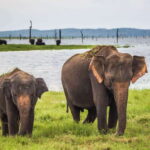
Udawalawe safari roads involve a lot of other jeeps. If your start is late, the prime spots may already be taken by the time you begin. One morning trip described this exact problem: the driver arrived late, started after other jeeps had already positioned, and sightings were affected early on. That doesn’t mean every trip is like that—but it’s a good reason to choose a schedule where you can be ready on time, and to keep expectations flexible.
Guide Quality: The Difference Between Seeing and Noticing
The tour includes a driver and guide with significant experience (over 10 years for the guide team in the overview, with 12 years noted for the knowledgeable guide). That experience shows up in how often your jeep stops and what the guide chooses to point out.
From the names shared in feedback, Amila and Gayan are two guides who received strong mentions for performance:
- Amila is noted for wildlife and bird knowledge, plus a particularly strong bird-spotting eye.
- Gayan is described as a super guide, with the experience feeling fun and worth it for the price.
Even if you don’t get one of those exact guides, the takeaway is clear: this safari isn’t just transportation. The guiding is built around observation.
One of the most valuable things a good guide does is manage your focus. You’ll hear fewer random stops and more stops that match what your eyes might miss—movement in shrubs, a distant call, or the way animals respond to nearby activity.
If you want to get the most from your time, ask simple questions during the stops, like what the guide thinks you’re likely to see next. The best results usually come when you treat the guide like a partner in looking.
Price and Logistics: The Real Value Check
At $32, this safari is priced for affordability, especially because it includes a private 4×4 jeep and a driver-guide. That combination is what makes it good value: you’re not paying “only for access,” you’re paying for transportation plus interpretation.
But you should calculate your total carefully. The national park entrance fee is not included in the list of inclusions. That means $32 is the tour price, and then you may add the park entry cost on top.
What you do get for your base price:
- A private jeep
- The guidance/driver support
- Binoculars for wildlife observation
- Pickup offered
- A mobile ticket
For many travelers, the biggest value is mental, not just financial: private transport and a skilled guide reduce decision fatigue. You don’t need to map routes, negotiate with drivers, or guess where animals might be. Your job becomes simple: show up, look, and listen.
If you’re comparing options, the key is to weigh private jeep time against any “cheaper” shared setups. If budget is tight, this format is a strong candidate.
Weather Rules and Timing Reality
This experience requires good weather. That’s not just a legal line—it matters because safaris depend on roads and visibility. If conditions are poor and the tour is canceled due to weather, you’ll be offered a different date or a full refund.
On timing, also expect that the drive can be affected by what’s happening on the roads and where wildlife is currently active. One reason tours often take longer than you expect is that a guide will stop when something good is happening. If you build your day with buffer time, you’ll feel less rushed and enjoy the ride more.
Who Should Book This Safari (and Who Might Not)
This is a great fit if you want:
- A private experience with only your group in the jeep
- Provided binoculars for wildlife viewing and bird watching
- Flexibility with morning/afternoon half-day starts or a full-day option
- A budget-friendly safari price point compared to many private tours
It may not be ideal if:
- You strongly dislike any chance of schedule hiccups (late starts can reduce early viewing opportunities)
- You’re expecting a guaranteed “elephant in the first hour” style outcome (wildlife sightings depend on conditions and timing)
If you’re traveling as a couple, a small family, or solo and you want a focused safari instead of a crowded itinerary, this is the kind of option that makes sense.
Should You Book Green View Safari in Udawalawe?
Yes—if your top priority is a private, guided safari experience at a price that won’t dominate your budget. The combination of a private 4×4 jeep, binoculars, and real bird-watching attention is the heart of why this works.
Before you book, do two quick checks:
- Make sure you’re ready for your pickup time so you’re not starting late and missing the best early positioning.
- Budget for the national park entrance fee since it’s not included in the tour price.
If you want a safari where the guide actively helps you see more than just the obvious, this is a smart call.
FAQ
Where does the safari take place?
It takes place in Udawalawe National Park, in the Udawalawa area of Sri Lanka.
How long is the safari?
The experience runs about 4 to 5 hours approximately. You can also choose a full-day option.
Is this tour private?
Yes. It’s a private safari, so only your group participates.
Do I get pickup?
Pickup is offered.
Are binoculars included?
Yes, binoculars are provided for wildlife observation and bird watching.
Is the national park entrance fee included?
No. The national park entrance fee is not included.
What ticket do I receive?
You receive a mobile ticket.
What happens if I need to cancel?
You can cancel for free up to 24 hours in advance for a full refund. If the experience is canceled due to poor weather, you’ll be offered a different date or a full refund.