REVIEW · JACKSON
Half Day Grand Teton Wildlife Safari Tour
Book on Viator →Operated by Jackson Hole Wildlife Safaris · Bookable on Viator
Wildlife spotting starts before breakfast. This half-day safari in and around Grand Teton National Park and Jackson Hole turns driving time into real animal-finding moments, guided by a naturalist who adjusts the route to roads, weather, and what the animals are doing. I really liked the small-group setup (max 8) because it keeps the stops calmer and the spotting better.
My other favorite part is the gear: UHD binoculars and spotting scopes are part of the deal, plus bottled water, snacks, and hot and cold drinks. One thing to consider: the route is not a strict checklist. You’ll visit key areas like the National Elk Refuge, Antelope Flats, and Moose Wilson Road, but exact stops and timing can shift with conditions.
In This Review
- Key highlights I’d plan around
- Why this safari is built for actually spotting animals
- The 4-hour flow: what the day feels like
- Morning vs. afternoon departures
- Stop-by-stop: what you’ll likely see and why each place matters
- Stop 1: Grand Teton National Park (about 30 minutes)
- Stop 2: National Elk Refuge (about 30 minutes)
- Stop 3: Antelope Flats (about 30 minutes)
- Stop 4: Moose Wilson Road (about 30 minutes)
- Guides make the difference: what you should listen for
- Gear you’ll actually use: binoculars, scopes, and sighting etiquette
- Snacks, drinks, and the real comfort side of winter
- Dress warm, especially for pickup and winter viewing
- Bathrooms: expect “basic,” but not always
- Pickup and timing: how to make it painless from Jackson Hole
- Price and value: $170 for a half-day with gear and a guide
- The one possible extra cost: Grand Teton entrance fee
- Who should book this safari (and who might not)
- Should you book the Half Day Grand Teton Wildlife Safari?
- FAQ
- How long is the Half Day Grand Teton Wildlife Safari Tour?
- Where do I meet the guide, and is pickup included?
- What animal-viewing tools are included?
- Are Grand Teton National Park entrance fees included?
- What are the included stops?
- What is the minimum age for wildlife safaris?
Key highlights I’d plan around
- Small group of 8 means more time looking, less time waiting.
- UHD binoculars and scopes help you see wildlife clearly from safe distances.
- Pickup and drop-off from your lodging makes the day easy, especially in winter.
- Route changes based on roads and wildlife movement so the guide can chase the best opportunities.
- Snacks, hot and cold drinks, and light breakfast (AM only) keep energy steady during the 4-hour window.
- Naturalist storytelling connects what you’re seeing to geology, history, and how animals use the area.
Why this safari is built for actually spotting animals
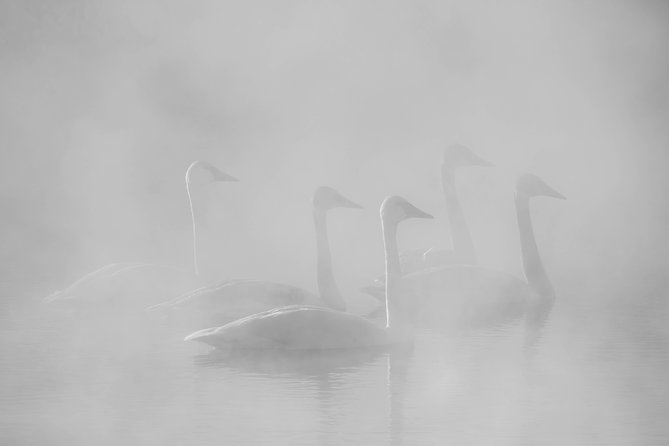
Jackson Hole is stunning, but stunning doesn’t automatically equal sightings. This tour is designed around the practical stuff that matters for wildlife watching: knowing where animals tend to show up, reading seasonal behavior, and using pull-offs at the right moments. The big advantage is that you’re not just driving around hoping for luck.
You also get a naturalist guide, and the value here is not only pointing at animals. It’s the explanations that make your sightings feel less random. Expect context about the land and the wildlife patterns around Grand Teton and the Jackson Hole area, so every stop has a purpose.
Finally, the small group size matters more than it sounds. In a group of eight, people spread out enough to look, the guide can keep an eye on everyone, and you’re more likely to get that calm, unhurried “watch for a while” vibe that wildlife demands.
You can also read our reviews of more tours and experiences in Jackson.
- Grand Teton Wildlife Safari in a Enclosed or Open-Air Vehicle (season dependent)
★ 5.0 · 1,212 reviews
The 4-hour flow: what the day feels like
This is a true half-day experience, roughly 4 hours, offered with pickup from Jackson and Teton Village areas. The tour timing is flexible by season and daylight, and your exact pickup time comes from your lodging location. From there, your guide manages the pacing: short education stops, wildlife scanning, and time to pull over and look.
A useful expectation to set: you’re not on a long hike. You’ll get regular stops where you can step out and focus. Most stops are around 30 minutes, and the guide uses that time to both talk and let you watch.
Morning vs. afternoon departures
If you’re planning around light, sunrise and sunset departures are different games. The company offers set pickup windows for sunrise departures (around 7:00 AM to 7:30 AM) and sunset departures (around 1:00 PM to 1:30 PM, with March/April running later). Earlier and later light can make a big difference for animal activity, and the guide’s route adjustments help you capitalize on it.
Stop-by-stop: what you’ll likely see and why each place matters
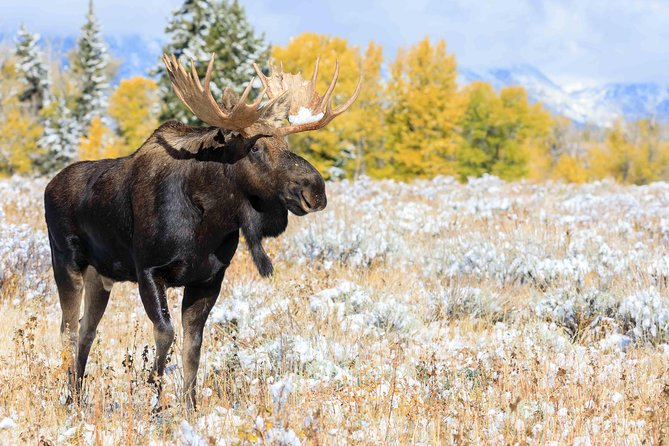
Your itinerary is designed around major wildlife zones, but your guide can swap the order or skip a stop depending on road conditions, weather, and group interests. Treat it as a menu, not a guarantee.
Stop 1: Grand Teton National Park (about 30 minutes)
This is where your wildlife safari often starts, or where it folds in depending on the day. At Grand Teton, the guide may share historical or geological significance, which helps you understand why the wildlife uses this particular terrain. In practical terms: the Tetons shape movement, shelter, and feeding patterns, so the talk makes your animal sightings feel more connected to the landscape.
A possible drawback: this stop depends on current road access. In winter, closures can limit where you can go, so don’t expect the tour to act like a summer drive.
Stop 2: National Elk Refuge (about 30 minutes)
The National Elk Refuge is a classic Jackson Hole wildlife area, and it’s built for winter-time viewing. This stop is admission included in the tour listing, and it’s usually a strong “scan and learn” moment. Expect the guide to connect what you’re seeing to how animals move through the region.
The practical upside: even when other areas are slower, elk country often gives you a higher chance of meaningful sightings. And because you get time to look, you’re not just glimpsing and moving on.
Stop 3: Antelope Flats (about 30 minutes)
Antelope Flats is another prime area for wildlife viewing, especially for people who want a chance at seeing species that aren’t always right beside the road in other zones. This stop is admission free in the itinerary listing, but again, timing and access depend on the day’s conditions.
This is also one of those stops where the guide’s approach pays off. Instead of random scanning, you’ll likely be taught what to watch for and where to focus your binoculars or scope.
Stop 4: Moose Wilson Road (about 30 minutes)
Moose Wilson Road often sounds like a single stretch, but in real life it’s a wildlife hotspot where timing can make the difference between seeing a moose at a distance and watching it calmly in its routine. This stop lists admission included.
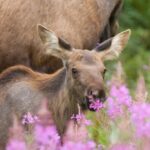
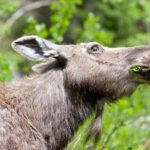
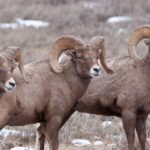
If your top goal is moose, this is the area you’ll hope to hit. On recent departures, guides have helped people spot moose and other animals like bighorn sheep and birds from the area. Still, wildlife isn’t predictable, so the best mindset is patience and quiet observation.
Guides make the difference: what you should listen for
The biggest repeat theme in the experience is that the guide drives the safari from informative to memorable. You’ll see names like Corey, Cheech, Jeffery, Scott, Dan Green, Jordan, Dave, Barry, Kayla, and Lee Ramella tied to positive experiences. Across these guides, people highlight three things:
- They work actively to help you spot wildlife.
- They explain what you’re seeing in a way that clicks.
- They keep the pace comfortable, with frequent chances to stop and look.
One small but meaningful detail: several guides are praised for helping people get great photos and even video through the scopes. If you’re a “I want proof” person, that’s a real value add.
Gear you’ll actually use: binoculars, scopes, and sighting etiquette
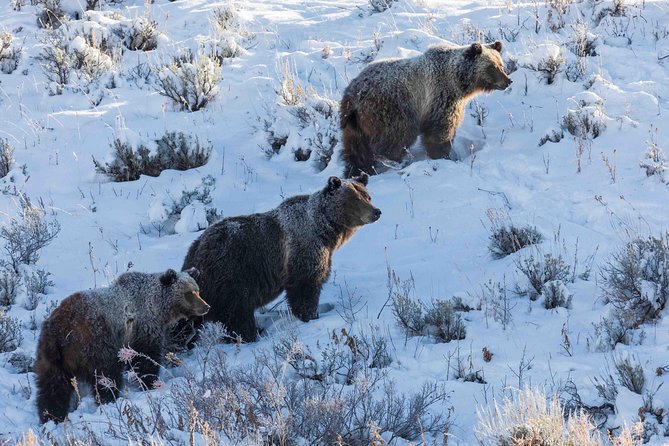
The tour includes UHD binoculars and spotting scopes, which is huge for families, first-timers, and anyone who doesn’t travel with their own wildlife gear. On a wildlife safari, magnification changes everything. You can go from spotting a dark shape to tracking movement, watching feeding behavior, and spotting telltale details.
Here’s how to use the gear well:
- Start with binoculars to find motion, then shift to the scope for clearer details once you’re confident you’ve got the subject.
- Be patient. Many animals don’t show their best behavior instantly.
- Keep your listening skills on too. Wildlife talk is often timed to what you’re about to see.
Also, the small-group size supports good viewing etiquette. You won’t feel like you’re wedged into a crush, which makes it easier to stay focused and not constantly reposition.
Snacks, drinks, and the real comfort side of winter
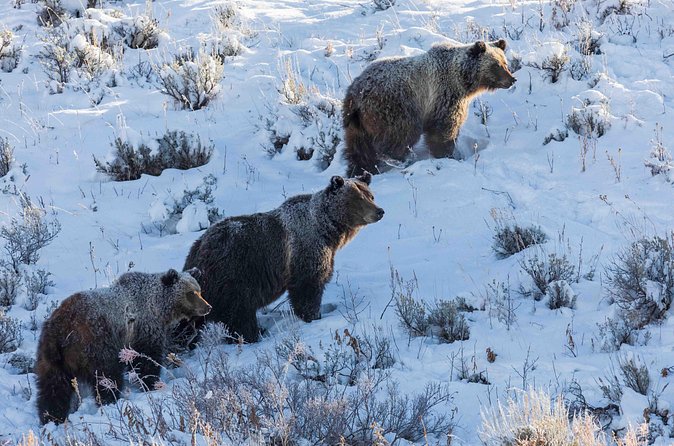
This tour is not just eyes and ears. You get bottled water, snacks, and hot and cold drinks. If you’re going on an AM departure, there’s a light breakfast included, though some people note it’s more like a snack than a full meal.
That’s worth planning around. If you’re the type who needs real food early, eat a proper breakfast before pickup. But if you’re happy to top up during the drive, the snack basket setup works well.
Dress warm, especially for pickup and winter viewing
Multiple people stress the same practical advice: dress warm. Winter in Jackson Hole means waiting outdoors while you scan, and pickup times can be early. Layers beat a single thick jacket because you’ll warm up and cool down fast in the vehicle.
Bathrooms: expect “basic,” but not always
Bathroom situations are a mixed bag. One person mentioned bathrooms that felt like camping-style facilities, while another praised a clean modern restroom during their day. The safest expectation is that you may not have hotel-level comfort, so use bathroom opportunities when you get them.
Pickup and timing: how to make it painless from Jackson Hole
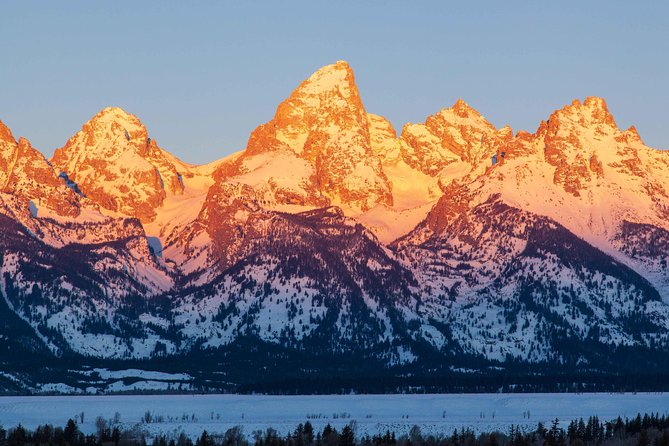
The tour offers hotel or lodging pickup and drop-off in Jackson and Teton Village. Your exact pickup time depends on where you’re staying, and the company confirms that closer to departure. That matters because Jackson isn’t a flat grid, and winter roads can slow travel.
If you’re departing at sunrise, the approximate pickup windows are:
- 7:00 AM for Teton Village locations
- 7:15 AM for Aspens, Amangani, Spring Creek locations
- 7:30 AM for Town of Jackson locations
For sunset departures, approximate windows are:
- 1:00 PM for Teton Village locations (and 2:00 PM during March/April)
- 1:15 PM for Aspens, Amangani, Spring Creek locations (and 2:15 PM during March/April)
- 1:30 PM for Town of Jackson locations (and 2:30 PM during March/April)
So plan your morning or afternoon like a real appointment. You’ll get back at your lodging too, which is a big deal in a place where parking and winter driving can eat into time.
Price and value: $170 for a half-day with gear and a guide
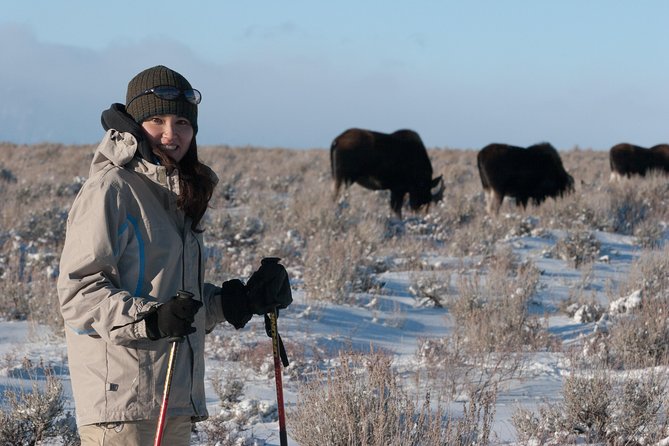
At $170 per person, this is not the cheapest thing in Jackson Hole. But it’s also not a random sightseeing van ride.
Here’s what you’re paying for, in plain terms:
- Round-trip transport from your lodging
- A professional naturalist guide
- Snacks and drinks, plus light breakfast on AM departures
- UHD binoculars and spotting scopes
- A small group capped at 8
If you tried to do this on your own, you’d still need a plan for routes, parking, timing, and visibility. You might also find that your own binoculars (if you have them) don’t match what’s included here.
The one possible extra cost: Grand Teton entrance fee
The tour listing says Grand Teton National Park admission is not included and lists a $20 per person entrance fee. At the same time, the itinerary stop details show admission as free for some stops and included for others. Since the data conflicts slightly, my practical advice is simple: assume there may be a park fee and confirm at booking so you’re not surprised at the gate.
Who should book this safari (and who might not)
This is a great match if you want:
- Wildlife viewing without renting a car for multiple hours of searching
- A guide who can explain what you’re seeing and adjust when conditions change
- A comfortable pace with time to actually watch, not just drive past
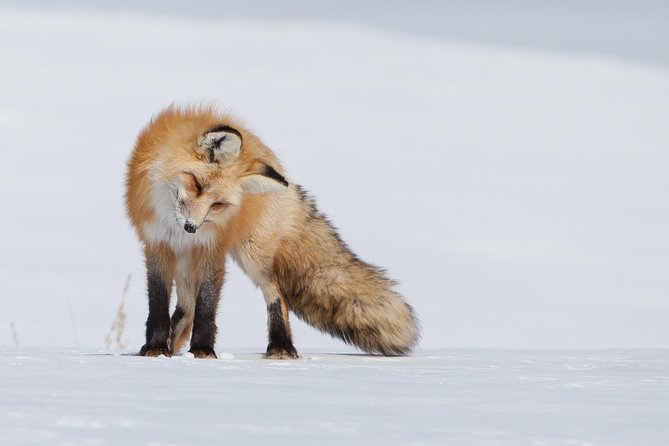
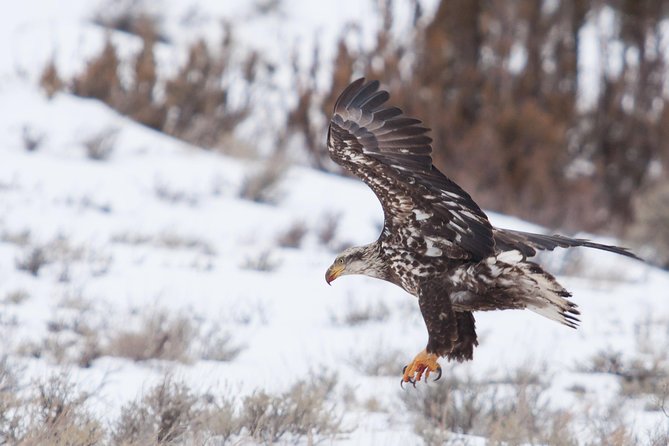
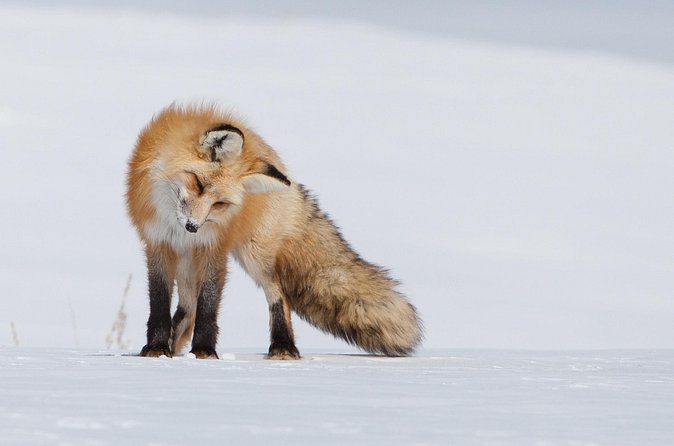
It’s especially good for families and couples. The minimum age is 8 years old for wildlife safaris (private safaris have no age minimum). Reviews also show plenty of families and couples enjoying the experience, including winter sightings of moose, elk, bighorn sheep, coyotes, fox, and birds.
You might consider a different option if:
- You need a strict itinerary with no route changes
- You hate cold-weather stops and scanning
- You’re looking for a long, on-foot park day rather than guided pull-offs and observation
Should you book the Half Day Grand Teton Wildlife Safari?
If you want the odds to feel better, book it. The combination of a naturalist guide, small group size, and binoculars/scopes makes this easier and more effective than most do-it-yourself wildlife days. The price is fair when you factor in transport, snacks, and equipment, and the half-day timing works well for Jackson Hole itineraries.
My call: book this if your priority is wildlife sightings with context, not if your priority is checking off a fixed route no matter what. If you go in expecting flexible stops and bringing warm layers, you’ll get a day that’s genuinely built for seeing animals up close.
FAQ
How long is the Half Day Grand Teton Wildlife Safari Tour?
It runs about 4 hours.
Where do I meet the guide, and is pickup included?
Pickup and drop-off are provided from your hotel or lodging in Jackson and Teton Village. You pick up and return to your lodging, and your exact pickup time is determined based on your location.
What animal-viewing tools are included?
You get UHD binoculars and spotting scopes during the tour, along with bottled water and snacks and hot and cold drinks.
Are Grand Teton National Park entrance fees included?
Grand Teton National Park admission is listed as not included with a $20 per person fee, though the stop listing shows free and included admission for different areas. Confirm the exact situation when you book.
What are the included stops?
The tour lists possible stops at Grand Teton National Park, National Elk Refuge, Antelope Flats, and Moose Wilson Road, with timing around 30 minutes each.
What is the minimum age for wildlife safaris?
The minimum age is 8 years old for wildlife safaris. Private safaris have no age minimum.
You Might Also Enjoy


More Tour Reviews in Jackson
- Grand Teton Wildlife Safari in a Enclosed or Open-Air Vehicle (season dependent)
★ 5.0 · 1,212 reviews
Not for you? Here's more nearby things to do in Jackson we have reviewed
- Grand Teton Wildlife Safari in a Enclosed or Open-Air Vehicle (season dependent)
★ 5.0 · 1,212 reviews