REVIEW · JACKSON
Grand Teton Wildlife Safari in a Enclosed or Open-Air Vehicle (season dependent)
Book on Viator →Operated by BrushBuck Wildlife Tours · Bookable on Viator
Grand Teton wildlife feels close—because you ride right into it. This small-group safari runs around dawn or dusk, when animals are most active, and you’ll use binoculars while your guide scans for moose, elk, wolves, and more. I especially like the mix of real-time spotting plus the on-the-road teaching from guides like Kyle and Kelsey.
What I also like is the small group size (max 12), which means you’re not lost in the crowd. Guides consistently steer the vehicle to where sightings are happening, and several guides (like Jack, Neil, and Ellie) also helped people with photos at scenic stops and even shared images or videos afterward.
One consideration: the ride is weather- and season-dependent. In open-air months you get wind and cold snaps, and in at least one case an audio/speaker issue cut down on commentary, so don’t plan on relying on narration the whole time without backup.
In This Review
- Key things you’ll notice on this safari
- How the Grand Teton safari hunt actually plays out
- Open-air vs enclosed: comfort can change everything
- Your guide’s job: finding wildlife and reading the park
- Stop 1: Grand Teton National Park spotting for mammals and birds
- The famous barn stops: Mormon Row photos (and when they happen)
- What you actually get included (and what you’ll pay extra for)
- Timing and seasons: choosing sunrise vs sunset
- The ride experience: small group, lots of attention
- Price and value: is $159 worth it?
- Who should book this safari (and who might not)
- Quick practical advice before you go
- Should you book the Grand Teton Wildlife Safari?
- FAQ
- What time of day does this safari run?
- Is the vehicle open-air or enclosed?
- How long is the tour?
- What wildlife might I see?
- Are binoculars included?
- Are there stops for Mormon Row and the barns?
- What should I bring for comfort?
- Is hotel pickup included?
Key things you’ll notice on this safari
- Dawn/dusk timing: you’re out when wolves, moose, and elk are most likely to move.
- Two vehicle styles, one goal: open-air in summer, enclosed/temperature-controlled in cooler months.
- Binoculars and a scope in play: you’ll get help seeing animals that are often at a distance.
- Frequent photo stops: your guide pauses for landscape views, wildlife sightings, and terrain.
- Real park talk, not just animal spotting: ecology, history, and geology are part of the ride.
How the Grand Teton safari hunt actually plays out
This is the kind of tour that works because it’s built around animal behavior. You’ll be driving inside Grand Teton National Park during low-light hours, when mammals often feed and predators move through their routes more openly. That’s also why your guide is scanning constantly—headlights off the search, then quick stops when something shows up.
What makes this more than a scenic drive is the way you’re set up to see. You’re provided binoculars/scope, plus snacks, bottled water, and soda, so you’re not fighting hunger or dehydration while you wait for that head lift or ear flick that gives away a spotting. The best results come when you treat it like a slow chase: stop, look, listen, and then look again from a slightly different angle.
You can also read our reviews of more tours and experiences in Jackson.
- Grand Teton Wildlife Safari in a Enclosed or Open-Air Vehicle (season dependent)
★ 5.0 · 1,212 reviews
Open-air vs enclosed: comfort can change everything
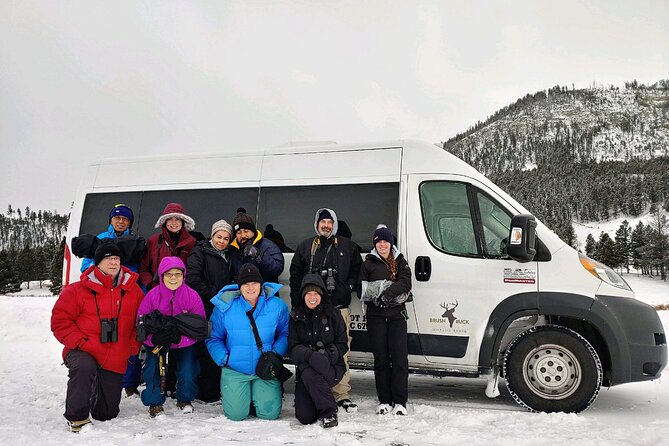
Grand Teton Wildlife Safari uses two different vehicles depending on the season. From June through mid-September it’s an open-air safari vehicle (weather dependent). From mid-September through May, it switches to an enclosed, heated or air-conditioned vehicle.
That difference matters. Open-air is fun because you feel the wind, you hear the place more clearly, and your sightlines can be excellent. But it also means you’ll want sensible clothing even in summer. One review advice that matches what you should plan for: bring a coat anyway. Early mornings can bite, and late evenings can be colder than you expect.
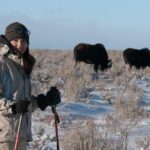
If you’re planning for winter months, treat it as a true snow-season outing: you’ll want winter snow gear (snow boots, winter jacket, gloves, scarf, and more). Also, summer open-air tours are not recommended for anyone with back problems, since the ride can be rough on dirt roads.
Your guide’s job: finding wildlife and reading the park
The core value here is that your guide is not just driving. They’re interpreting what you’re seeing and what you might be missing. Expect talk about ecology, history, geology, and culture, plus practical scanning strategies while you move across the park.
Guides in the reviews are repeatedly praised for two things: spotting animals and keeping the group engaged while you search. Names that came up often include Kyle, Kelsey, Anthony, Phil, Cameron, Kevin, Ellie, Jack, and Neil. People also noted that guides were patient, took extra time so everyone could view wildlife, and used optics well.
Here’s the thing to know: in a park like this, sightings aren’t guaranteed. What you’re paying for is better odds plus better information—so when something appears, you’re ready to see it, photograph it, and understand what you’re looking at.
Stop 1: Grand Teton National Park spotting for mammals and birds
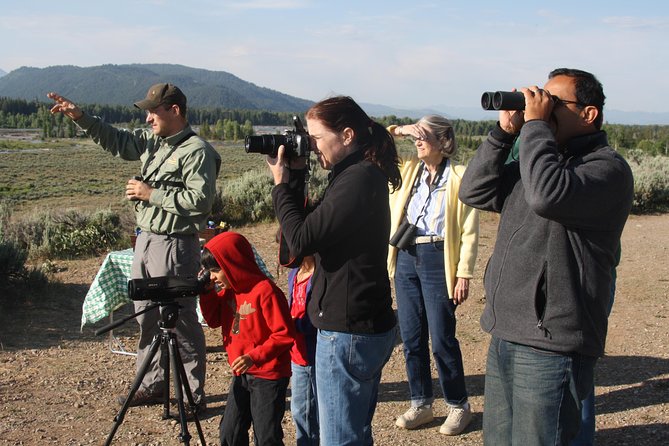
Most of your safari time is spent in Grand Teton National Park, covering a slice of the park’s huge 310,000 acres. Your guide is scanning for mammals and birds—think of it as a moving watch station.
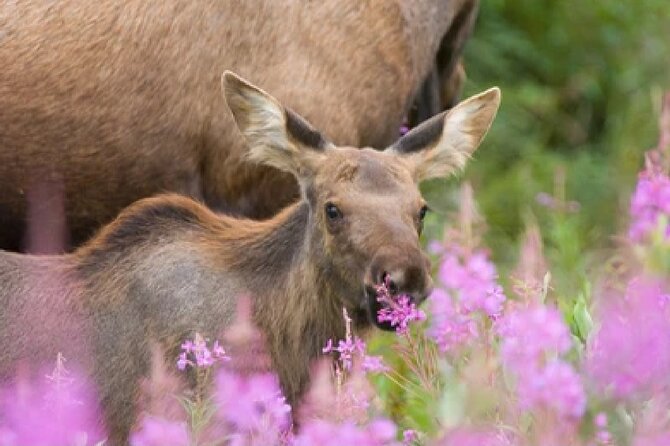
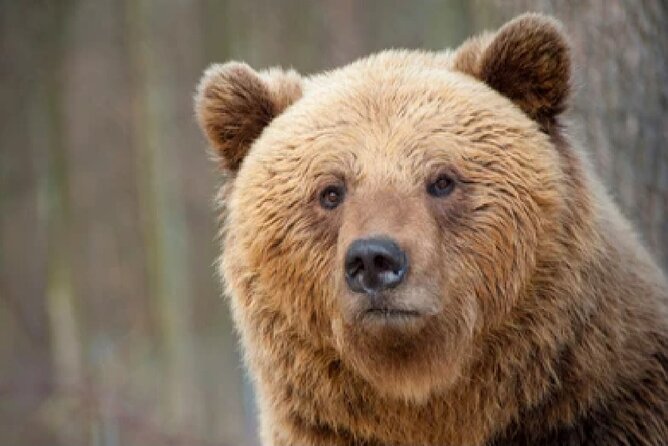
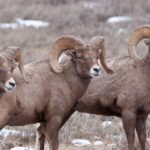
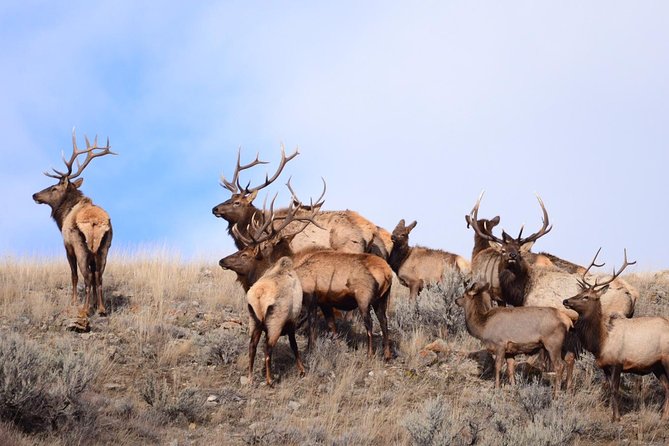
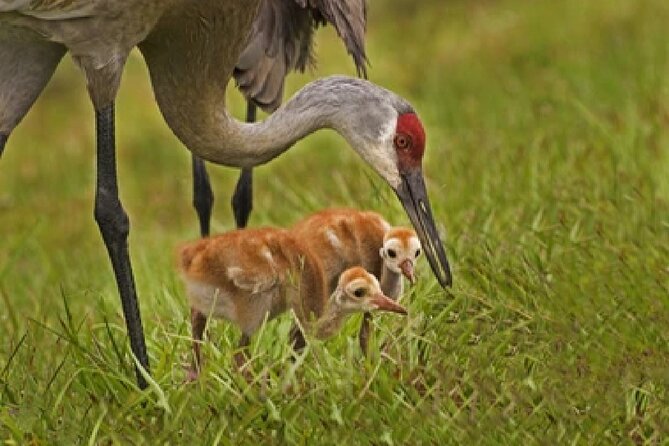
For wildlife, you may spot elk, moose, mule deer, pronghorn, bison, bighorn sheep, and sometimes predators like wolves. There’s also a chance for black and grizzly bears, with bears sometimes seen near roads. Overhead, the bird list is where surprises happen: you could see bald eagles plus other raptors like osprey, owls, and hawks, depending on the season. In spring and summer, it can be a standout for birders, with opportunities tied to species like sandhill cranes and both bald and golden eagles.
Your guide also weaves in the park’s bigger story—how the terrain formed, how animals move through habitat, and how the ecosystem fits together. Even if you’re not a hardcore birder, you’ll likely learn why certain areas become “busy” at dawn or dusk.
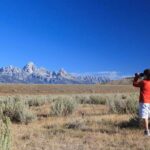
One practical plus: your guide makes frequent stops for wildlife viewing and photo opportunities. That helps because some sightings happen fast. Being stopped at the right moment can be the difference between a blur and a usable photo.
The famous barn stops: Mormon Row photos (and when they happen)
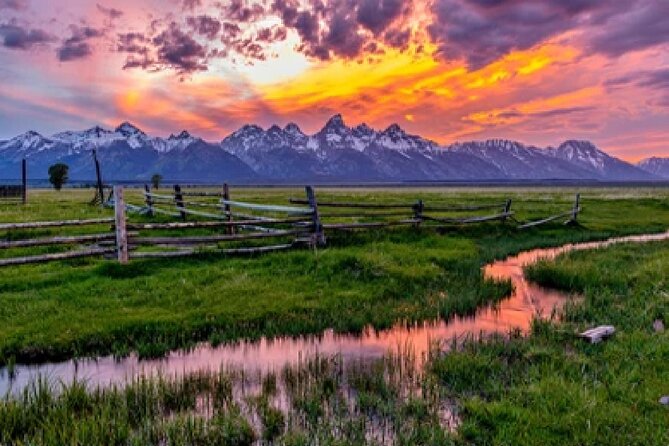
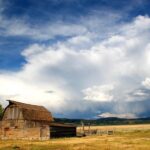
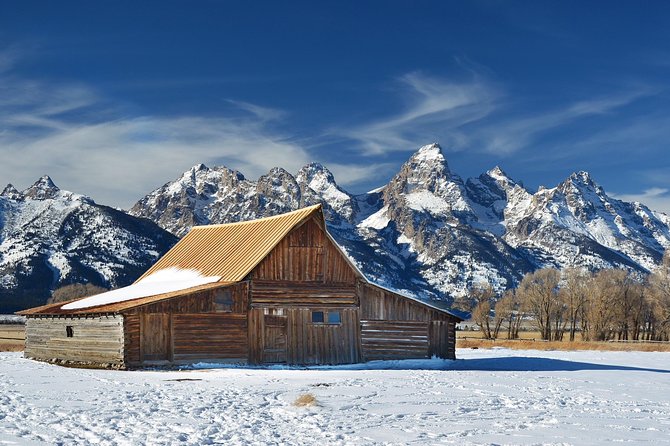
You’ll also get a classic Jackson Hole photo break at Mormon Row Historic District. For tours running March through November, this is one of the scheduled stops. The time here is about 20 minutes, and you’ll pull up for the well-known barn scene that many people recognize as one of the most photographed barns in the U.S.
This stop is special for a different reason than the wildlife portion. It’s about seeing how human history fits against the Teton backdrop—original Mormon homesteaders used this area, and the barns are a visual reminder that the park isn’t just wilderness; it’s also layers of settlement and land use.
There’s a second barn option depending on timing and conditions. In the same March through November window, your guide will stop at either the T. A. Moulton Barn or the John Moulton Barn. Tours running December through February do not make these barn stops due to snow coverage, so plan your expectations based on when you go.
What you actually get included (and what you’ll pay extra for)
The essentials are handled for you:
- Binoculars/scope use
- Snacks, bottled water, and soda
- Tour transport via open-air safari vehicle in summer or an enclosed heated/air-conditioned vehicle in cooler months
A few items are not included:
- National park entrance fees
- Gratuities (recommended around 10–15%)
- Hotel pickup and drop-off: this is listed as available in the Jackson Hole area from November to mid-May. In summer, pickup is not listed as included, though the tour info notes it may be available upon request.
If you’re doing this as part of a multi-day plan, it’s worth budgeting park fees and a tip so there are no surprises. Also, build in time at the meeting point: the tour starts and ends back at 210 N Cache St, Jackson, WY.
Timing and seasons: choosing sunrise vs sunset
This safari runs in the morning or evening, built for peak animal activity. If you’re flexible, I’d choose based on your tolerance for weather.
- Sunrise rides can be rewarding, but expect chill. Reviews mention blankets for colder moments, and even summer can feel cold early.
- Sunset rides often feel calmer and can be easier for people who dislike early starts, while still hitting the animals during their active window.
Season also affects what you’ll likely see. Your guide will adapt the search based on seasonal changes, and your bird species chances shift too. Barn photo stops are season-bound, so your best “two-for-one” (wildlife plus classic Mormon Row) usually comes with March–November dates.
The ride experience: small group, lots of attention
One of the biggest quality markers here is that the group stays small—maximum 12 travelers. That changes the whole vibe. It’s easier to hear instructions, harder to get separated from the guide’s viewing stops, and more likely everyone gets a turn with the best sightlines.
From the reviews you can also infer how guides run the vehicle: people call out guides who keep the group safe and follow state laws, who take time for photos, and who help everyone see without rushing. If you’re traveling with kids, this can be a relief because the guide can pace the stop-and-scan rhythm instead of tossing everyone out for quick sightings.
Price and value: is $159 worth it?
At $159 per person for about 4 hours, the price is not just for transportation—it’s for (1) access to wildlife areas with a trained scanner, (2) provided optics, and (3) guided interpretation.
Here’s how I’d judge the value for you:
- If you’re arriving in Jackson Hole without a wildlife game plan, paying for a guide can save time. A local naturalist knows where animals tend to show up and how to work the roads for safe viewing.
- If you don’t own binoculars, the included optics are a direct value boost. Several reviews point out how effective the binoculars and scopes were for spotting animals at distance.
- If you care about context—why animals are active, what the geology explains, how the ecosystem behaves—this tour delivers that as part of the driving and stop sequence.
If you’re a confident DIY wildlife driver with your own equipment and patience, you might see wildlife on your own too. But this tour is designed to stack the odds: the timing, the scanning, and the guide’s ability to turn random sightings into clear ones.
Who should book this safari (and who might not)
This is a strong fit if you:
- want your best shot at seeing wolves, moose, elk, and birds during active hours
- like getting out of your own head and letting a guide do the heavy lifting
- value guided stops where you can photograph properly, not just drive past
It can be less ideal if:
- you hate uneven dirt roads (open-air summer rides can be bumpy)
- you’re extremely reliant on onboard audio—rare tech issues have shown up in feedback, and you don’t want a broken sound system to ruin your expectations
- you’re expecting a guaranteed animal checklist. This is wildlife viewing. The guide improves your odds, but nature writes the script.
Quick practical advice before you go
- Dress for wind. Even in summer, mornings and evenings can feel colder than midday.
- Wear sturdy walking shoes in summer and plan on long pants plus a jacket.
- For winter dates, bring full snow gear.
- If you want photos, assume you’ll be stopping often—wearing layers that move well makes it easier to step out and shoot.
Also, children 5 and younger are not allowed, so it’s worth planning accordingly if you’re traveling with younger kids.
Should you book the Grand Teton Wildlife Safari?
If your goal is a guided wildlife hunt with better sightlines and real park context, this is a solid choice. The tour’s biggest strengths are the timing, the small group attention, and the guide-led spotting support (including binoculars and scope). At $159 for ~4 hours, it’s priced like a focused experience, not a generic bus tour.
Book it if you’re willing to be flexible on sightings and you want to maximize your odds during dawn or dusk. I’d skip it only if you’re set on DIY viewing without paying for optics, or if an open-air ride would be uncomfortable for your body. Otherwise, it’s a great way to spend a half-day in Grand Teton when animals are most likely to show themselves.
FAQ
What time of day does this safari run?
It’s designed for dawn or dusk, when animals are most active.
Is the vehicle open-air or enclosed?
It depends on the season. In summer (June through mid-September) it’s an open-air safari vehicle (weather dependent). From mid-September through May it’s enclosed and heated or air-conditioned.
How long is the tour?
The duration is about 4 hours.
What wildlife might I see?
Your guide will scan for animals such as wolves, moose, elk, bison, mule deer, pronghorn, and sometimes bears. Bird viewing can include bald eagles and raptors, plus additional species depending on the season.
Are binoculars included?
Yes. Binoculars/scope use are included.
Are there stops for Mormon Row and the barns?
Yes, but only on tours March through November. December through February tours do not make the Mormon Row barn stops due to snow coverage. Your guide stops at either the T. A. Moulton Barn or the John Moulton Barn.
What should I bring for comfort?
Wear sturdy walking shoes and bring a jacket and long pants for June to mid-September tours. For winter months, plan on full snow gear like snow boots, winter jacket, gloves, and layers.
Is hotel pickup included?
From November to mid-May, hotel pickup in the approved Jackson Hole area is included. Summer pickup isn’t listed as included, though it notes hotel pickup in the Jackson Hole area may be available upon request.
You Might Also Enjoy
More Tour Reviews in Jackson
Not for you? Here's more nearby things to do in Jackson we have reviewed
- Grand Teton Wildlife Safari in a Enclosed or Open-Air Vehicle (season dependent)
★ 5.0 · 1,212 reviews