REVIEW · JACKSON
Half-Day Wildlife Safari Tour in Grand Teton National Park
Book on Viator →Operated by Jackson Hole Wildlife Safaris · Bookable on Viator
Bison sightings come fast in Grand Teton. This small-group half-day safari runs about four hours, with hotel pickup and a naturalist guide helping you read the country from the road. You’ll also use UHD binoculars to turn distant animals into real sightings.
I love how the pickup and drop-off removes driving stress, especially when mornings start early or afternoons end late. I also like that the tour supplies spotting gear plus snacks (and a light breakfast on morning trips), so you’re not scrambling mid-drive. The guides who show up often in top ratings, like Jeff, Abby, Barry, and Brolin, get praised for strong wildlife-spotting habits and clear, safety-first guidance.
One thing to plan for: National Park entrance fees are not included, and wildlife viewing is never a guarantee. That means you’re buying odds, gear, and interpretation, not a promise of a specific animal.
In This Review
- Key things to know before you go
- The best use of 4 hours in Grand Teton
- Jackson Hole pickup makes or breaks the day
- Small-group safari math: why 8 people helps your sightings
- Stop-by-stop: what each location adds
- Stop 1: National Elk Refuge
- Stop 2: Moose Wilson Road
- Stop 3: Grand Teton National Park
- Stop 4: Craig Thomas Discovery & Visitor Center in Moose
- Stop 5: Mormon Row Historic District
- Stop 6: Jackson Hole & Greater Yellowstone Visitor Center
- Guides who get mentioned a lot—and why
- Wildlife viewing: manage expectations the right way
- What the tour includes (and why it matters)
- Price and value: $170 plus what you still pay
- Practical tips for your day (based on what shows up often)
- Who should book this safari
- Should you book Half-Day Wildlife Safari in Grand Teton?
- FAQ
- How long is the Half-Day Wildlife Safari in Grand Teton National Park?
- Is hotel pickup and drop-off included?
- What does the tour include?
- Are National Park entrance fees included?
- How many people are on the tour?
- Is there a minimum age?
- What happens if the weather is bad, or if I cancel?
Key things to know before you go
- Max 8 people per vehicle means more eyes scanning the roadside and more time for Q and A.
- About four hours, six stop-style pacing keeps you moving to different habitats without turning it into a long day.
- UHD binoculars and spotting scopes included help you see wildlife you might miss from the car window.
- A naturalist guide adds meaning at each stop with history or geology you can connect to what you’re seeing.
- Park entrance fees are extra, even though several stop locations show free admission tickets.
The best use of 4 hours in Grand Teton
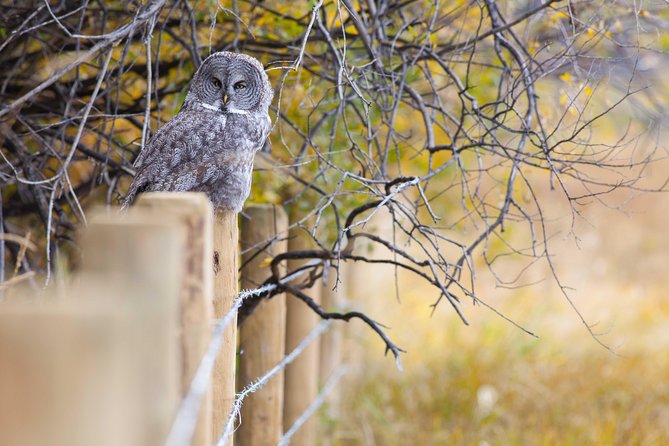
If your time in Jackson Hole is tight, this tour solves a classic problem: you want wildlife and the Tetons, but you do not want to spend your day guessing where to look. The half-day format is built around short, efficient stops, then moving on before the light and animal activity slip away.
You’ll typically ride out from Jackson Hole or Teton Village, then work through a route that mixes wildlife refuges, park areas, and visitor centers. The timing matters because this area changes fast—weather, animal behavior, and even how far animals are willing to hang near the road can shift in a single morning or afternoon.
And yes, the drive time adds up. One review notes there is a fair amount of time in the van, which is true. But in exchange, you get transport, interpretation, and multiple chances at different species in one package.
You can also read our reviews of more tours and experiences in Jackson.
- Grand Teton Wildlife Safari in a Enclosed or Open-Air Vehicle (season dependent)
★ 5.0 · 1,212 reviews
Jackson Hole pickup makes or breaks the day
This is one of the easiest tours to fit into a trip schedule because hotel or lodging pickup and drop-off is included. You meet in the lobby and give your guide a small arrival window (think 5 to 10 minutes). The exact pickup time depends on where you’re staying, and the operator confirms your time before departure.
Pickup covers hotels, condos, and private residences in Jackson and Teton Village. If you’re outside those areas, you’ll need to double-check what they can do for you, because requests beyond the usual pickup zones may require a different meeting location.
Timing is seasonal. For morning trips between May 1 and September 14, pickup runs roughly from 6:30 AM in Teton Village areas to about 7:00 AM in the Town of Jackson. For afternoon trips in that same window, expect roughly 3:30 PM to 4:00 PM pickups. September 15 to October 31 shifts those windows later in the day.
Bottom line: if you want the Tetons without map-and-moral-dilemma driving, pickup is the big win.
Small-group safari math: why 8 people helps your sightings
With a maximum of 8 travelers per vehicle, the tour feels less like mass transit and more like a guided scouting ride. When the guide calls out movement ahead, you can actually react—stop timing, where you place your attention, and how quickly you can get your binoculars up all matter.
This also changes the social dynamic. You’re not waiting for a crowd to line up for the next photo stop. It stays calm enough that people can ask questions while the guide keeps an eye on traffic and wildlife.
Binoculars and scopes are part of the package. UHD binoculars plus spotting scopes are included, and the equipment is meant to be used during sightings. Reviews also specifically mention that binoculars were provided for each person, which is exactly what you want on a short tour.
Stop-by-stop: what each location adds
Each stop is about 30 minutes, with the guide explaining historical or geological significance. Think of these stops as mini lessons tied to wildlife spotting—why this area matters, what to look for, and what the land tells you.
Stop 1: National Elk Refuge
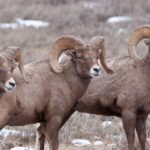
You start at the National Elk Refuge, where your guide frames the place with context—history and/or geology—so the wildlife spotting feels less random. Refuges tend to concentrate animals, and that concentration is what you’re paying for on a half-day format.
This stop is also a photo-and-scan moment. You’re not just driving past. You get time to step back, look around, and use the spotting gear.
Stop 2: Moose Wilson Road
Next you head to Moose Wilson Road, another 30-minute stop built for wildlife odds. The guide again connects the setting to what you might see and what to watch for from roadside pullouts.
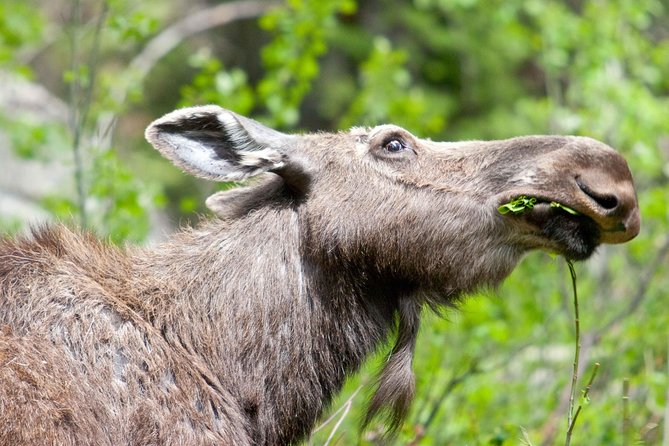
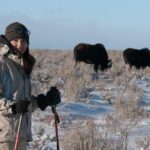
This is a good spot for pronghorn, moose, and other species that show up when conditions line up. Even if you do not get everything on your wish list, this is where learning to spot signs helps—movement, feeding patterns, and how animals react to vehicles.
Stop 3: Grand Teton National Park
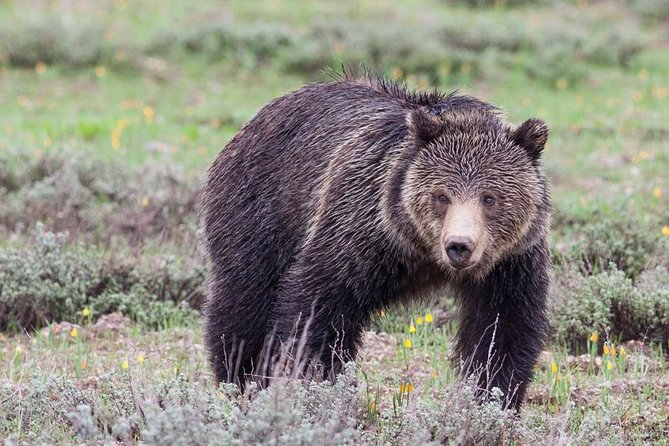
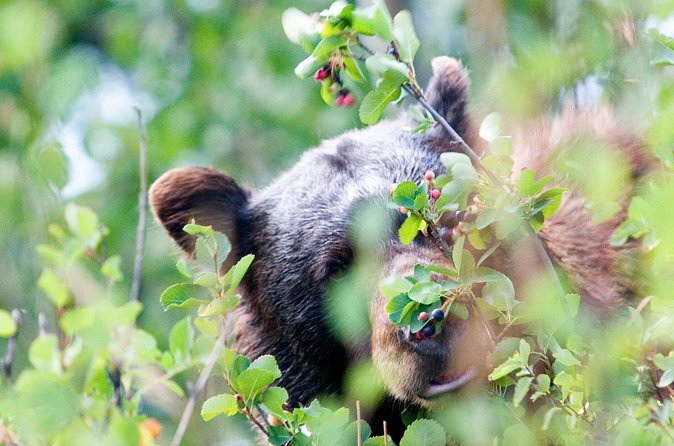
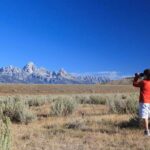
Then you spend time inside Grand Teton National Park areas as part of the route. This is where the tour’s promise—bears and moose sightings, plus bison and pronghorn herds—becomes the main event.
The reality check: wildlife shows up when wildlife wants to. But with a guide actively searching and equipment in hand, you get a better shot at good views than you would with a self-driven plan.
Stop 4: Craig Thomas Discovery & Visitor Center in Moose
You also stop at the Craig Thomas Discovery & Visitor Center in Moose. This is less about chasing a single animal and more about grounding the whole trip. Visitor centers can help you connect species and habitats to how the Tetons formed and how the ecosystem works.
It’s also a practical pause. Breaks matter on a short tour, and this one can help you recharge for the last stretch.
Stop 5: Mormon Row Historic District
Next is Mormon Row Historic District, another 30-minute stop with guided education on historical significance. This is a change of pace from wildlife-only scanning. You shift from spotting animals to reading the human imprint on the land—useful context in a place where wildlife and settlement stories are intertwined.
If you’re the type who likes your photos with meaning behind them, this stop helps.
Stop 6: Jackson Hole & Greater Yellowstone Visitor Center
Finally, you wrap at the Jackson Hole & Greater Yellowstone Visitor Center. This is where the guide’s explanations can help you plan what to do next—what habitats you might want to revisit on your own, and what to keep an eye out for when you’re off the tour van.
It also gives the day a satisfying finish: you end with understanding, not just images.
Guides who get mentioned a lot—and why
The tour quality is closely tied to the guide, and you’ll see certain names in high scores. For example:
- Jeff gets credit for being informative and putting guests on wildlife sightings.
- Abby is praised for being outgoing and personable, with extra effort to help people see moose, bison, and pronghorn.
- Barry earns strong marks for considerate handling of the group, plus helpful suggestions beyond the safari itself.
- Brolin stands out in one account for coordinating with other guides and making room for a major wildlife sighting, then checking that everyone was okay with timing.
- Jeremy gets called out for pairing area knowledge with nature photography skills.
- Grant is noted for working hard to find wildlife, then helping people think about where moose might show up later.
Even the best planning can’t force an animal to appear. What you can control is whether the guide spots opportunities quickly, uses the scopes well, and keeps the group safe. The most praised guides hit all three.
Wildlife viewing: manage expectations the right way
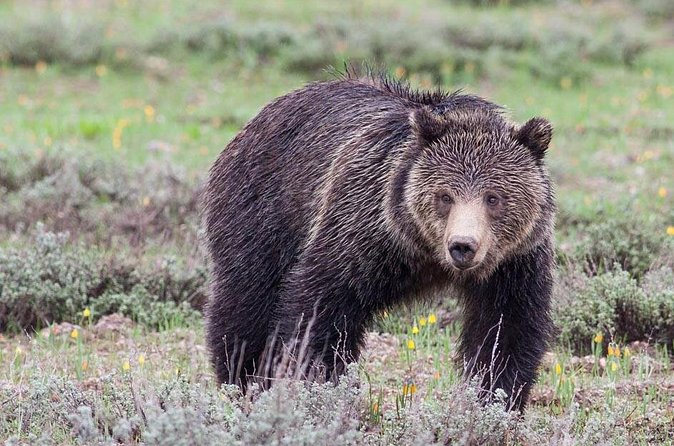
This is wildlife country, so your results will depend on season, weather, and animal behavior. The tour does require good weather, and in one case a rainy day still produced solid wildlife sightings. That tells you the guide can work with conditions—but you still should be ready for lower activity if visibility drops.
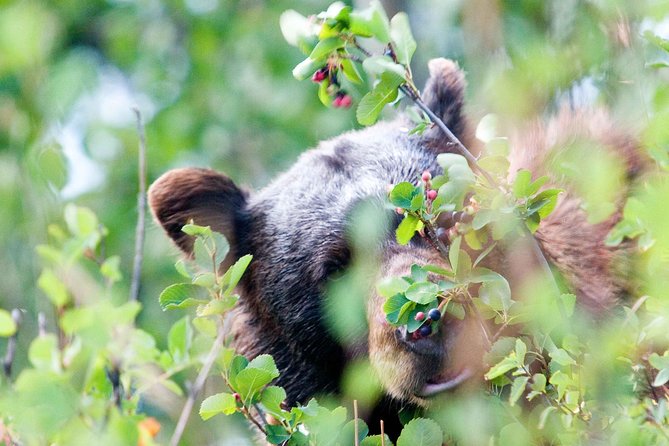
It also helps to remember a key truth: seeing a big animal up close is luck plus skill. The guide can improve your odds by scanning from the right positions and timing pullouts. But animals sometimes hold back, and bears in particular can be visible as top-of-brush moments rather than full-stage views.
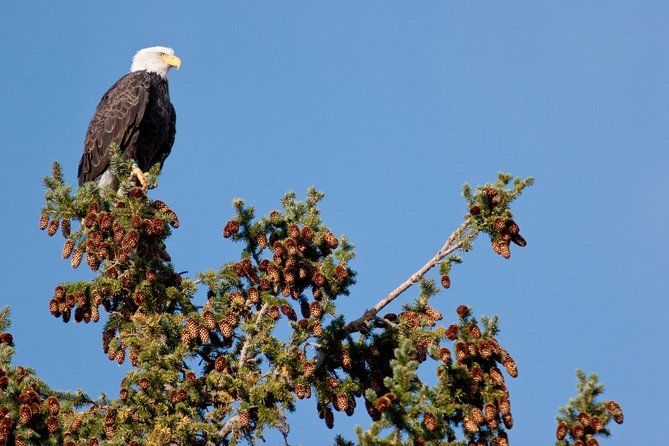
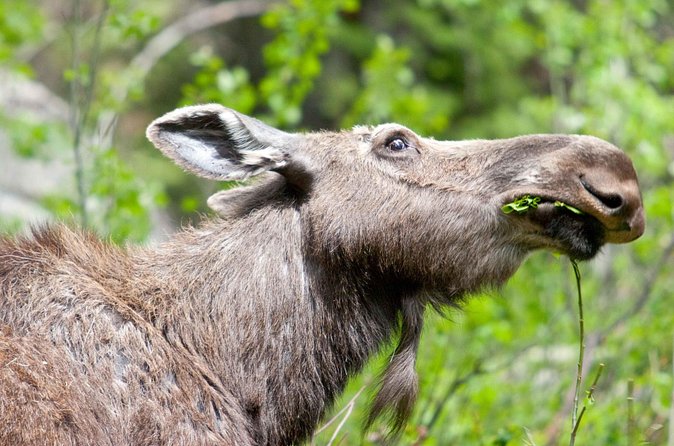
So I treat this tour as a strong probability play. If you get moose, bison, pronghorn, eagles, and other species, great. If you miss one target, you likely still come away with real sightings plus a better mental map of how to spot wildlife during the rest of your trip.
What the tour includes (and why it matters)
This tour includes practical basics and field tools that reduce friction:
- Bottled water and snacks during the ride
- Light breakfast on AM trips
- Professional naturalist guide
- UHD binoculars and spotting scopes, plus use of the equipment
- Small group setup (up to 8)
- Hotel or lodging pickup and drop-off
These inclusions matter because they keep you focused. You do not lose time searching for food or buying gear. You also do not end up sharing a single pair of binoculars while everyone tries to look at the same spot.
Price and value: $170 plus what you still pay
At $170 per person for a roughly four-hour experience, the value depends on two things: how much you’d pay to do the same route yourself, and how much you value the guide + equipment combo.
Your tour price covers transport from your lodging, snack and water support, and the guide’s active searching. It also covers UHD optics, which can be expensive if you try to replicate the setup on your own.
The catch is simple: National Park entrance fees are not included. One account calls out that the van does not come with park tickets, so you need to get your own entrance before going on the tour or handle payment at the entrance. Budget for that add-on so there are no surprises when you arrive.
Practical tips for your day (based on what shows up often)
From the way this tour operates, a few practical moves help.
First, show up ready to go in your lobby a few minutes early. The guide’s arrival window is small. If you’re late, you delay the whole route.
Second, bring a camera plan that works with scopes. You do not just want a quick snap from the van. You want stable framing when animals show up at a distance.
Third, expect that the day can include weather shifts. The tour runs only when conditions are workable, and even rain doesn’t automatically ruin the experience. If wet weather hits, keep your gear protected and plan for slower visibility.
Who should book this safari
This tour is a good fit for:
- First-time visitors who want Tetons wildlife chances without building a route
- Couples who like a guided day but do not want a full day out
- Families with kids age 8+ (there is a minimum age of 8 for the standard safari)
- People who value field equipment and short, focused stops
If you’re traveling with someone under 8, the standard tour has an age minimum, but private safaris have no age minimum. If you cannot get pickup within their usual Jackson Hole and Teton Village zones, consider a private option as a practical workaround.
Should you book Half-Day Wildlife Safari in Grand Teton?
I’d book it if you want a tight, guided wildlife day with pickup convenience, UHD optics, and a naturalist who connects what you’re seeing to what the land is doing. It’s also a great way to maximize your chances when your schedule only allows a short window.
I’d think twice if you hate extra costs once you arrive, because park entrance fees are on you. And if you need guaranteed bear or moose sightings no matter what, this is wildlife. That’s not how it works.
If you can accept odds and you want to come home with real sightings plus context, this half-day safari is a strong choice.
FAQ
How long is the Half-Day Wildlife Safari in Grand Teton National Park?
It runs about 4 hours.
Is hotel pickup and drop-off included?
Yes. Pickup and drop-off are included from hotels, condos, and private residences in Jackson and Teton Village.
What does the tour include?
Included items are bottled water, snacks, UHD binoculars and spotting scopes (and their use), a professional naturalist guide, and a small-group tour (maximum 8 people per vehicle). Morning trips also include a light breakfast.
Are National Park entrance fees included?
No. National Park entrance fees are not included.
How many people are on the tour?
The maximum group size is 8 travelers per vehicle.
Is there a minimum age?
The minimum age is 8 years old for wildlife safaris. Private safaris have no age minimum.
What happens if the weather is bad, or if I cancel?
The tour requires good weather. If canceled due to poor weather, you’ll be offered a different date or a full refund. For cancellations, you can cancel up to 24 hours in advance for a full refund; canceling less than 24 hours before the start time does not receive a refund.
You Might Also Enjoy

More Tour Reviews in Jackson
- Grand Teton Wildlife Safari in a Enclosed or Open-Air Vehicle (season dependent)
★ 5.0 · 1,212 reviews
Not for you? Here's more nearby things to do in Jackson we have reviewed
- Grand Teton Wildlife Safari in a Enclosed or Open-Air Vehicle (season dependent)
★ 5.0 · 1,212 reviews