REVIEW · ARUSHA
3 days fly in safari
Book on Viator →Operated by safari soles tours · Bookable on Viator
There’s no road-trip slog here. This 3-day fly-in safari cuts your driving time by getting you quickly into the Serengeti, then stacking classic game drives across Seronera and the Ngorongoro Crater. I especially like how the schedule is built around prime wildlife hours and sunset timing, plus the fact that meals are handled so you can focus on spotting animals.
You’ll also get comfort that matters after long days: private lodge nights and a smooth, supported flow from hotel pick-up to the airport and onward. One thing to keep in mind is the tradeoff of a tight window: spotting black rhinos in Ngorongoro can be challenging, and the long day format plus no onboard restroom can make the ride feel a bit more intense.
In This Review
- Key highlights at a glance
- Flying in to Serengeti: why this format feels smarter
- Day 1: Arrival around 11:00 and a Seronera sunset game drive
- Day 2: Early Seronera spotting, lunch on the move, then heading toward Ngorongoro
- Day 3: Ngorongoro Crater descent and the black rhino search
- Lodges, meals, and the comfort that saves your energy
- Guides and on-the-ground support: where quality shows
- Price and value: is $2,600 worth it for a 3-day flying safari?
- Timing tips and practical expectations for a short, intense safari
- Should you book this 3-day flying safari with Safari Soles Tours?
- FAQ
- What is included in the safari package?
- What’s the main itinerary focus across the days?
- Where do you start from for the flying safari?
- How long is the safari?
- Is this tour private or shared?
- Is there WiFi during the trip?
- Can I cancel if weather is bad?
Key highlights at a glance
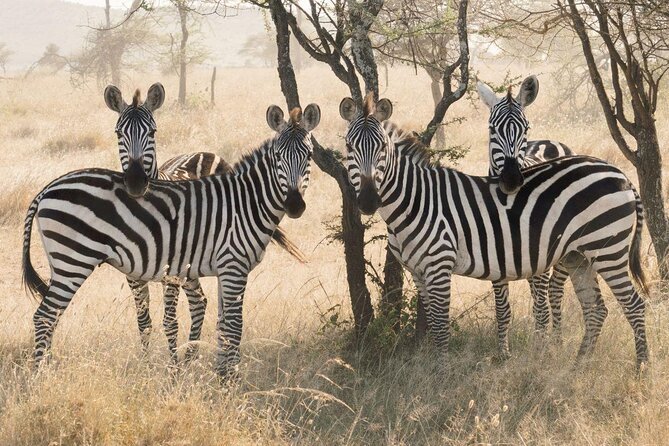
- Flying in saves you hours of overland time before you even start game drives
- Seronera game drives with sunset give you later-afternoon action, not just early-morning searching
- Ngorongoro descent is the black rhino focus, even though the species can be hard to spot
- Meals are included on safari (breakfast, lunch, dinner), so you’re not hunting for food or adding stops
- Guides and setup get real praise, including pickup by Bryson and a standout guide/driver, Ernest
Flying in to Serengeti: why this format feels smarter
If you’ve ever done safari by road, you know the rhythm: long transfers, fewer hours for actual game drives, and a lot of “when will we finally get in the park?” With a fly-in set-up, that pressure drops fast. You’re not spending the day stuck between viewpoints and checkpoints. You’re getting to the Serengeti zone and starting wildlife time sooner.
This kind of routing also helps you maximize a short trip. Three days sounds quick until you realize you’re not only visiting Serengeti, you’re also squeezing in Ngorongoro—one of the most dramatic wildlife settings in Tanzania. The flight day doesn’t feel like dead time. You arrive late morning and still get a game drive through the day into the evening.
The practical bonus: you’re going in with less guesswork. Hotel pick-up, transport to the airport, the flight, and the first drive are all handled as part of the package. You’re still responsible for your own readiness—cash for tips if you do that, weather-appropriate clothing, and patience—but the logistics load is carried for you.
You can also read our reviews of more tours and experiences in Arusha.
Day 1: Arrival around 11:00 and a Seronera sunset game drive
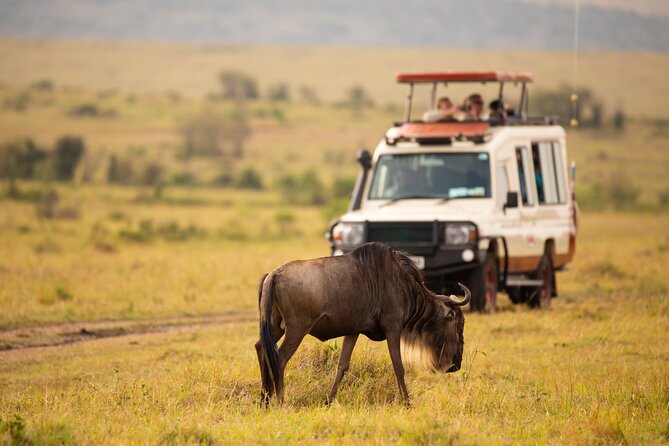
Day 1 starts with a hotel pick-up, then a transfer to the airport. You’ll fly into the Serengeti and land in the late morning—around 11:00am in the schedule you’ll follow. That matters because late morning can be a sweet spot for wildlife activity before the day shifts toward evening.
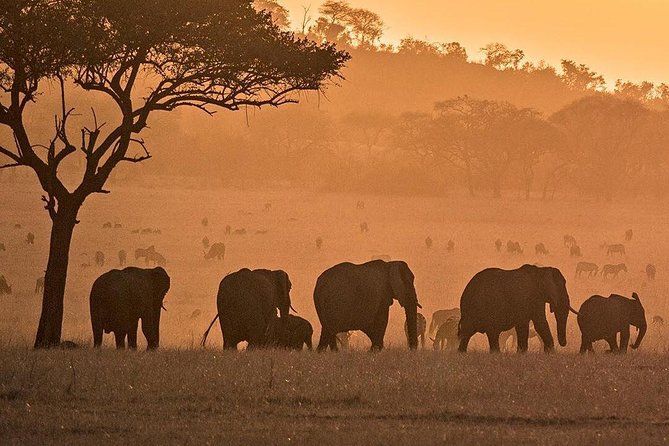
Once you’re in, you’ll head to Seronera, in the central Serengeti area. Your game drive runs from late afternoon into the evening. The timing is intentional: you get a chance at that classic sunset light when animals look sharper in the viewfinder and predators can appear out of nowhere.
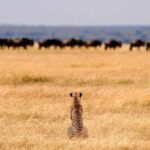
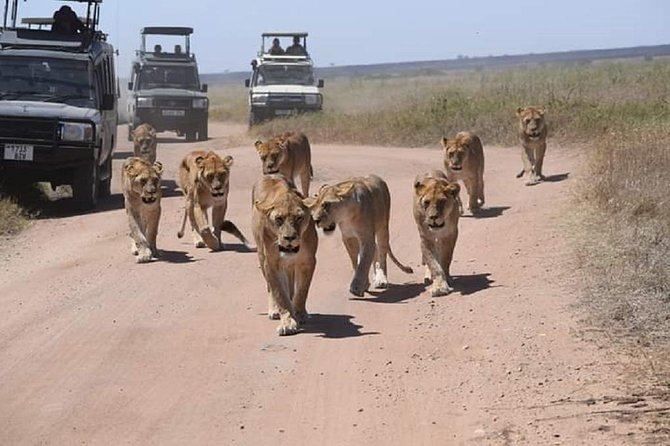
This is also where I like the tone of the trip: it doesn’t promise one guaranteed sighting, it just gives you quality time in the right places. You’re aiming for the kind of moments safari is famous for—like watching predators hunt or catch a kill—then rolling straight to your lodge afterward.
One small comfort note: your safari day is long, and evening drives run into late hours. You’ll feel it. That’s normal. Just plan to be flexible and let the day run its course.
Day 2: Early Seronera spotting, lunch on the move, then heading toward Ngorongoro
Day 2 begins with an early breakfast, followed by an early game drive from Seronera. This is the day structure that typically pays off for animal sightings: you’re on the road when visibility is good and animals are often more active. Your drive continues through the morning and into afternoon.
The middle of the day is handled smoothly. You’ll return toward your lodge area for lunch, then continue with park time and game driving as you exit the Serengeti and head toward Ngorongoro lodging. In a three-day trip, transitions are the make-or-break part, and this one is designed to keep you moving without turning the day into pure transport.
Why I think this works for you: it balances wildlife time with breaks. The early start helps you get back into the action quickly, and the day doesn’t end right after lunch. You still get an additional game-drive segment before your Ngorongoro base.
The only consideration here is stamina. Two full safari-focused days is a lot, especially if you’re not used to sitting in a vehicle for extended stretches while scanning for animals. The tradeoff is that you’re using the limited time you have in a high-efficiency way.
Day 3: Ngorongoro Crater descent and the black rhino search
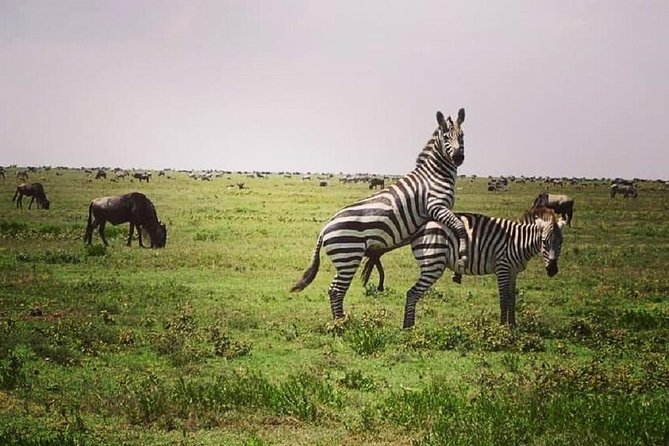
Day 3 is shorter on paper—about 7 hours—but it’s packed. You’ll start early with breakfast, then descend into the Ngorongoro Crater. The goal on this day is explicit: find the black rhinos.
Ngorongoro is a “floor crater,” which changes the sighting game. From ground level inside the crater, you may find that some animals feel easier to spot than others, while the rhinos remain the hardest to locate. That’s not a downside so much as a reality check—and it’s why the day is built around that effort rather than treating it like an afterthought.
After the crater time, you’ll have lunch, then do another game drive and ascend the crater back toward lodging. You’ll then pack up and transfer back toward Arusha town to end the trip.
What you should take from this final day: Ngorongoro is the emotional highlight for many people, but it’s also where you’ll feel how unpredictable wildlife can be. If you go in expecting a guaranteed rhino sighting, you’ll be disappointed. If you go in ready for a real search in a classic setting, it tends to feel worth it—because even when a specific animal doesn’t appear, the crater experience is still dramatic.
Lodges, meals, and the comfort that saves your energy
One of the most underrated parts of a safari package is not the view—it’s what happens when you’re tired. Here, meals are included to keep you from losing game-drive time to food runs.
Your schedule includes:
- Breakfast (2)
- Lunch (3)
- Dinner (2)
That means you can treat each day like a set rhythm: eat, drive, rest, eat again, and then drive. It also reduces stress because you’re not trying to coordinate with restaurants or figuring out where to buy snacks in between parks.
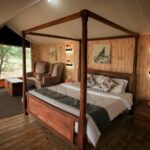
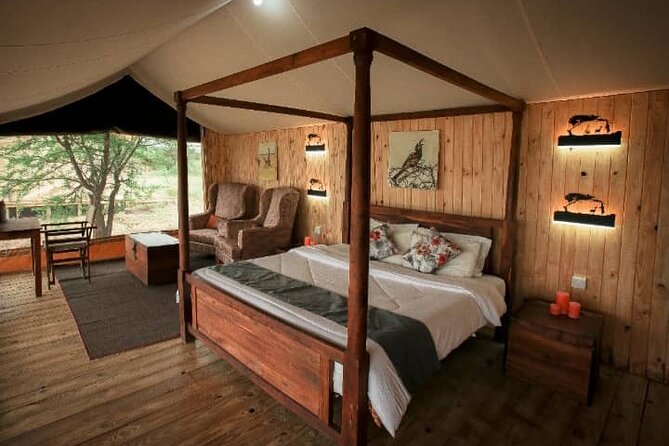
On top of that, you’ll be staying in private, comfortable lodge accommodation each night. The word private matters here. It generally means you’re not stuck sharing space with random strangers in a way that disrupts sleep or decompress time. After long drives and early mornings, you’ll appreciate being able to actually recharge.
From the feedback you provided, the food side also lands well. One guest noted the safari was wonderful and mentioned the chef was good. Another shared they enjoyed the overall Safari Soles experience. That’s the kind of small detail that often makes a difference on days that run long.
Guides and on-the-ground support: where quality shows
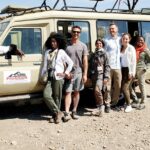
Safari success isn’t only about where you go. It’s also about how you’re guided. Two names came through clearly in the feedback: Bryson handled a pickup that guests described as personable and charming, and Ernest was called out as a super driver and guide.
That’s a big deal because the “guide skill” you feel on safari is practical:
- spotting animals before you notice them
- positioning the vehicle for better viewing
- reading the terrain and adjusting when things change
- keeping the pace workable when you’re on a tight schedule
Even if you’re just there for the iconic scenery, you’ll feel the difference when your guide is confident and smooth.
A few more helpful touches are included:
- binoculars (so you’re not scrambling for gear)
- WiFi on board (nice for quick messages or maps, though you shouldn’t rely on it like it’s home)
- all fees and taxes handled as part of the package
There’s also a mobile ticket, which is one less thing to track when you’re switching between transport and time-sensitive drives.
Price and value: is $2,600 worth it for a 3-day flying safari?
Let’s talk real value, because $2,600 is not a small number.
You’re paying for three big things:
1) Time savings from flying into the Serengeti instead of spending hours on the road
2) A complete safari day setup (transport, park access fees included, guides, and game-drive time)
3) On-the-ground essentials like meals and lodge nights, which removes a bunch of “extra costs” people often forget
In other words, you’re buying efficiency. You’re also buying predictability. When meals and fees are handled, your budget stays stable. That matters on trips where you’d otherwise spend your energy on logistics instead of wildlife.
There’s also a private-tour factor. The trip is private in the sense that only your group participates. Private doesn’t always mean “more money is always better.” But in safari, it often means you can keep a smoother flow and avoid waiting around in a shared vehicle schedule.
The biggest value question for you is this: do you want Serengeti + Ngorongoro in just three days? If yes, flying is the only way the math tends to work comfortably. If you’d rather move slower and spend more nights in one area, you might question the need for this tight timing. But for a short trip, this is built to maximize game-drive hours.
Timing tips and practical expectations for a short, intense safari
This is a fast-moving plan. Your days run long in the style of classic safari schedules:
- Day 1 runs about 12 hours
- Day 2 runs about 12 hours
- Day 3 runs about 7 hours
You’ll do early drives, afternoon drives, and then evenings. That’s great for wildlife variety, but it’s not “light travel.”
A couple practical notes you should plan around:
- There’s no restroom on board, so don’t assume you’ll have a convenient stop if nature calls.
- You’ll be operating in a plan that depends on good weather. If conditions are poor, the experience can be canceled and you’ll be offered another date or a full refund.
- You’ll be doing a lot of vehicle time while scanning the bush. Bring patience, not just a camera.
Also, even though the trip is described as private, it’s still connected to shared systems on the ground—airports, lodge routines, and park movements. So the best mindset is calm and flexible.
Should you book this 3-day flying safari with Safari Soles Tours?
I’d recommend booking if you want:
- Serengeti and Ngorongoro in three days without burning your time on long drives
- a plan where meals and lodge nights are included, so you can conserve energy
- strong guide support, especially based on names like Ernest and pickup care from Bryson
- a safari pace that’s efficient rather than slow and wandering
I’d hesitate if:
- you’re very sensitive to long days on safari and vehicle time
- you’re traveling with expectations of a guaranteed black rhino sighting
- you hate fixed schedules and prefer more open-ended time
If you’re aiming for a memorable “see-the-icons” trip, this one has a clean logic. You’re not hoping your schedule magically works. It’s designed to keep you in wildlife country, hitting key areas with real focus, and getting you back out in just three days.
FAQ
What is included in the safari package?
The package includes binoculars, WiFi on board, all fees and taxes, plus safari meals: breakfast (2), dinner (2), and lunch (3). It also includes lodge accommodation, and you’ll have pickup offered.
What’s the main itinerary focus across the days?
You’ll fly into the Serengeti and do game drives in Seronera, then spend a day centered on Ngorongoro Crater, including time to descend the crater in search of black rhinos, followed by more game driving and the return toward Arusha.
Where do you start from for the flying safari?
The tour can be arranged as a private safari from Arusha, Zanzibar, or Dar Es Salaam, with a hotel pick-up and transfer to the airport before your flight into the Serengeti.
How long is the safari?
It’s listed as 3 days (approx.), with Day 1 and Day 2 running about 12 hours each, and Day 3 running about 7 hours.
Is this tour private or shared?
It’s described as a private tour/activity. Only your group will participate.
Is there WiFi during the trip?
Yes. WiFi on board is included.
Can I cancel if weather is bad?
You can cancel up to 6 days in advance for a full refund. If it’s canceled due to poor weather, you’ll be offered a different date or a full refund.