REVIEW · POLONNARUWA
Polonnaruwa Day Tour With Minneriya NP Elephant Safari
Book on GetYourGuide →Operated by Shan Jeep Safari & Tour · Bookable on GetYourGuide
One word: elephants and ancient ruins in one day. This tour mixes Polonnaruwa’s royal temples and carved statues with a Minneriya safari where elephants can be shockingly close. I like the pacing because you’re not stuck rushing through either half.
Two things I really like: the guided Polonnaruwa ruins focus (you’ll get meaning, not just stones) and the 4×4 safari format in Minneriya, which is built for real wildlife spotting. One consideration: you’ll spend extra once you’re there, since entrance fees and lunch aren’t included, and Polonnaruwa is big enough that you’ll feel it if you’re wearing lousy shoes.
In This Review
- Key Points Worth Knowing Before You Go
- Polonnaruwa: What You’ll Actually See and Why It Matters
- Dress Code and Walking Comfort at Sacred Gal Vihara
- Lunch Break Choices: How to Eat Well Without Throwing Off the Day
- Minneriya 4×4 Safari: How to Increase Your Elephant Odds
- Who’s Driving and Guiding: The Human Difference
- Price and Logistics: Getting Value From the $65 Ticket
- Timing and Pacing: An 8-Hour Day That Needs Real Expectations
- Who Should Book This Polonnaruwa + Minneriya Combo
- Should You Book This Tour?
- FAQ
- How long is the Polonnaruwa and Minneriya tour?
- What’s included in the price?
- What’s not included?
- What should I wear for Polonnaruwa?
- What animals can I expect to see in Minneriya?
- Is this tour suitable for pregnant women?
Key Points Worth Knowing Before You Go
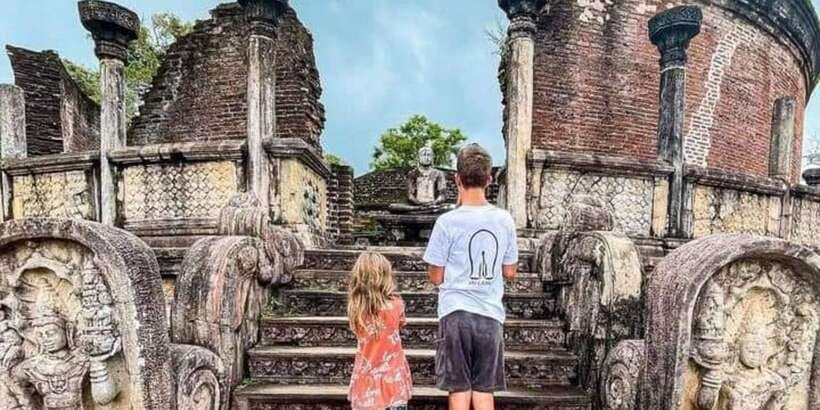
- Polonnaruwa gets better with a ruins guide so you understand the Royal Palace layouts and Gal Vihara’s Buddha carvings
- 4×4 safari in Minneriya gives you the best chance of seeing elephants in the wild, plus deer, monkeys, and lots of birds
- You get water and refreshments during the tour, which helps on a long, outdoor day
- Lunch is on your own, but the day often includes calm local-food stops (including rice-field views in some plans)
- Budget for entrance fees and the optional add-on guide linked to Polonnaruwa
- Not recommended for pregnant women, since it’s a full day with outdoor walking and safari driving
Polonnaruwa: What You’ll Actually See and Why It Matters
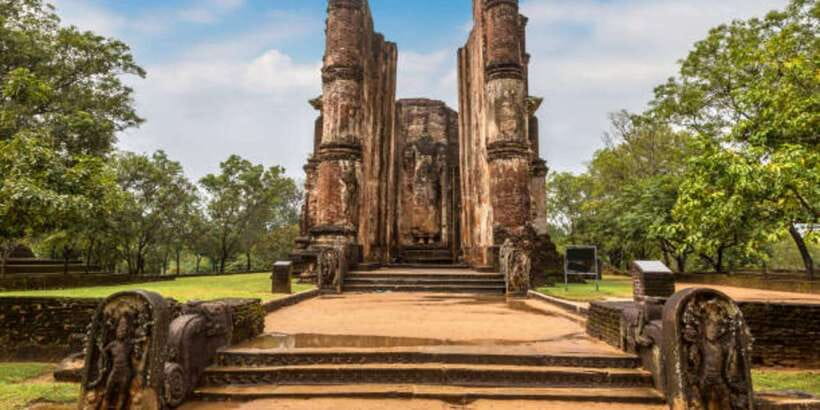
Polonnaruwa isn’t just a pile of old ruins. It was a major royal capital, so the buildings and sacred sites were designed to impress. When you arrive, you’re basically stepping into a “how did they live, rule, worship, and build?” timeline, all in one area.
At Polonnaruwa, you’ll focus on the core set of sights that make the place feel coherent: the Royal Palace area, temples and stupas, and the famously detailed Buddha statues at Gal Vihara. The point of starting here is simple: once you understand the royal and religious purpose behind what you’re looking at, the carvings stop feeling random.
If you can get a Polonnaruwa ruins guide (listed with a +20£ note), the visit tends to click fast. Without a guide, it’s still beautiful, but you might spend a lot of time trying to figure out what you’re seeing and why. With a guide, you’ll get stories tied to the structures you’re standing in front of.
Also, Polonnaruwa is large. One guide-led approach helps you move efficiently while still letting you pause. You’ll want that balance, because this is a day trip—your afternoon is waiting.
Dress Code and Walking Comfort at Sacred Gal Vihara
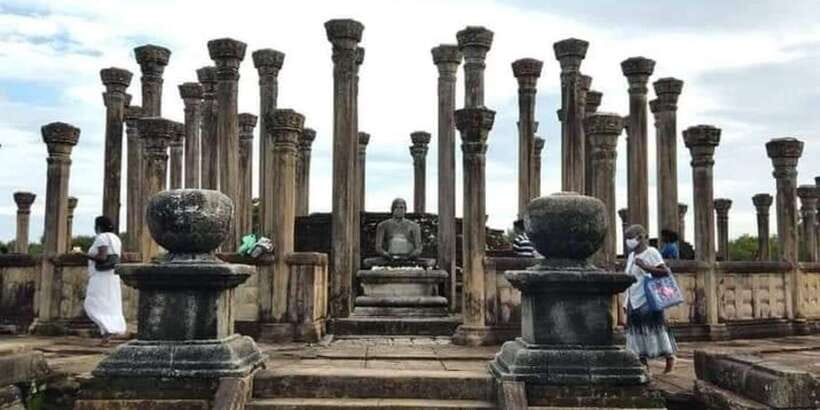
Polonnaruwa includes sacred spaces, so you need to dress respectfully. Plan on covering shoulders and knees. It’s not just “nice to have.” This is the local custom at religious sites, and it helps you stay comfortable as you move between temple areas.
For footwear, think practical. You’ll be on uneven ground and you’ll likely walk more than you expect if you’re also stopping for photos. Bring comfortable shoes, not sneakers you only wear on flat city streets. A hat helps too, especially if your day starts bright and stays hot.
Finally, bring a passport or ID card since you’ll need it with you for the day. It’s an easy thing to forget until you’re already out the door.
Lunch Break Choices: How to Eat Well Without Throwing Off the Day
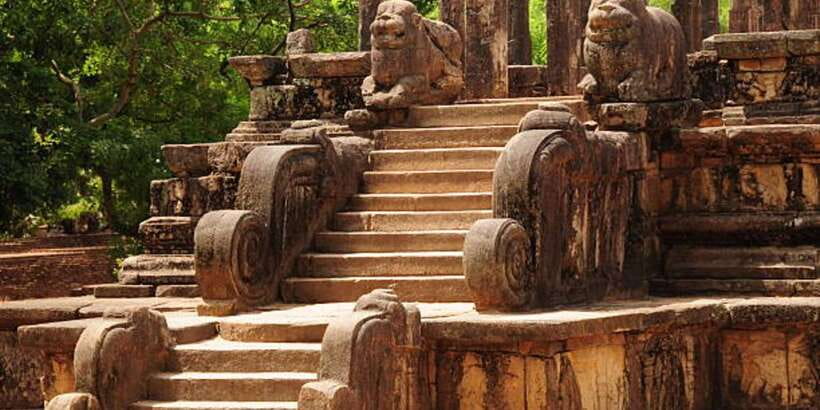
Lunch isn’t included, but you do have options during the gap between your culture block and your safari. Depending on the plan for the day, you might get a sit-down meal at a local restaurant, sometimes described as peaceful and even with views over rice fields.
Some plans also swing toward quick local bites, including street-food style lunch choices. The advantage of any local-food stop is you eat what people nearby actually eat, not just a generic “tourist restaurant” setup. The risk is timing—if you leave lunch too late, you can end up eating much later than you planned. One practical takeaway: if lunch is offered in the middle of the day, it’s usually worth taking it.
There’s also mention of a gallery café stop with coffee and tiny bats endemic to the area. That kind of pause is exactly why this tour can feel smoother than “ruins now, safari later, good luck.”
Minneriya 4×4 Safari: How to Increase Your Elephant Odds
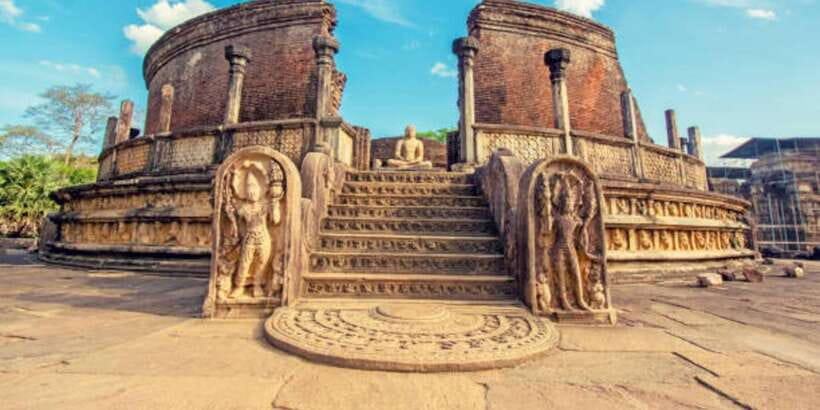
After Polonnaruwa, the tone shifts. In the afternoon you’ll drive into Minneriya National Park for a 4×4 safari. This matters because safari vehicles are positioned and driven for animal viewing. On the ground, you’re basically at the mercy of where animals are. With a proper safari setup, you can react faster when herds move.
Minneriya is known for large elephant populations, and the best part of this tour’s structure is that you’re supported by an experienced safari guide while you’re in the park. The guide’s job is not just to narrate. It’s to help you spot animals and understand what you’re seeing in the ecosystem—where animals feed, how the landscape shapes movement, and what “normal behavior” looks like during a safari.
Expect other wildlife too, not just elephants: deer, monkeys, and various bird species can show up alongside the big stars. In at least one account of the day, the safari included elephant groups on the order of around a hundred across the sightings—so you’re not only hoping for one herd.
One small detail that makes a difference: you’ll have refreshing beverages and bottled water during the tour. On safari days, hydration is a real comfort issue, not a luxury. Bring your patience and let the guide do the scouting.
Who’s Driving and Guiding: The Human Difference
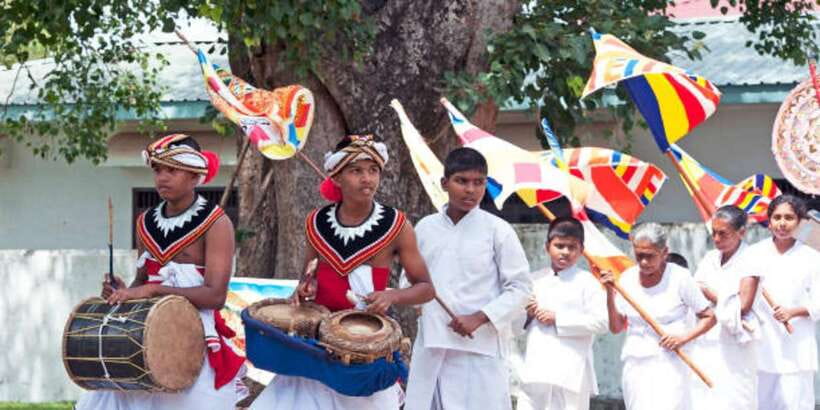
The driver is English-speaking, and the transport is in a private jeep. That means you’re not competing with strangers for time at each stop in the way you often do on big group tours.
The quality of a day like this often comes down to the people. Two names come up in connection with this style of trip: Shan and Thilina. When guides like these are involved, the story behind Polonnaruwa can feel like it belongs to your trip, not like a textbook reading you barely remember.
In practical terms, a good driver also helps with pacing. You’ll be able to stop for key points, explore at each location, and still make it to Minneriya without the day turning into a stressed blur.
Price and Logistics: Getting Value From the $65 Ticket

The headline price is $65 per person for an 8-hour day. That’s the “start here” number. The real value question is: what does the tour already handle, and what will you pay on top?
Here’s what’s included:
- Hotel pickup and drop-off
- Private jeep transport
- Guidance inside the National Park (so your safari isn’t just you guessing)
- Refreshments and bottled water
- A Polonnaruwa ruins guide is listed with +20£
Not included:
- National park entrance fees
- Polonnaruwa city entrance fees
- Lunch
So is $65 a good deal? Usually, yes—if you want the combo of culture + safari without stitching it together yourself. You save the hassle of arranging transport between sites and you get safari guiding where it counts.
Where the cost can creep up:
- Entrance fees add up once you’re on-site.
- Polonnaruwa guidance may be extra depending on how you select it.
- Lunch is on you.
One additional practical note from an observed pain point: if you don’t plan lunch in the middle window, the day can stretch and you might eat late. This matters because you’re doing ruins walking, then safari heat and waiting. You don’t want your energy to crater.
Also, transport quality gets attention here. A 94% perfect score rate for transport suggests the vehicle and driving experience are generally solid, which is what you want on long drive days.
Timing and Pacing: An 8-Hour Day That Needs Real Expectations
This is a full-day loop: you’ll be picked up from your hotel and return by around late afternoon or early evening (some days have been described as dropping you around 5pm). The setup is usually meant to let you enjoy Polonnaruwa at a comfortable pace, then shift to Minneriya when wildlife viewing is active.
Pickup is included, and you should wait in the hotel lobby 10 minutes before the scheduled pickup time. That tiny detail prevents the most common travel-day issue—missing the vehicle because you’re still grabbing a last-minute water bottle.
Polonnaruwa itself can easily feel like more than you expect. It’s not a “quick stop.” With a guide, you’ll likely spend time absorbing the layout and carvings. One practical strategy: wear shoes you can walk in for a while and keep your expectations flexible.
A caution worth noting: if something mechanical goes wrong, the safari timing can shift. One account described a jeep breakdown that cut the safari short, even though elephants were still seen. That’s not something you should plan for, but it’s a reminder that these are outdoor, real-world operations—sometimes vehicles fail and schedules adjust.
Who Should Book This Polonnaruwa + Minneriya Combo
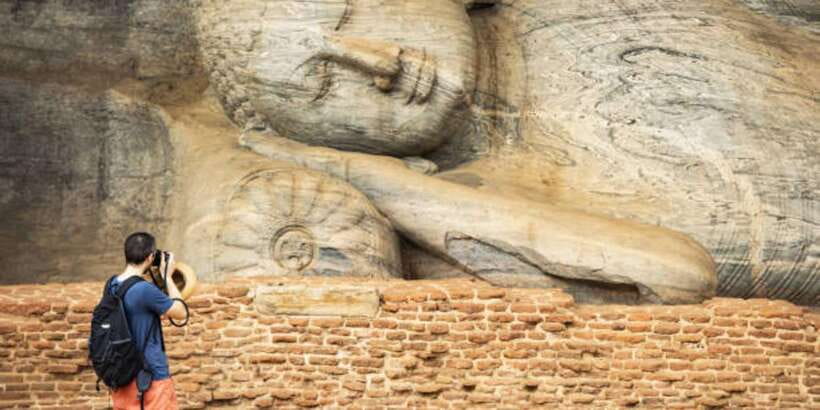
This day trip fits best if you want one ticket to handle both:
- Ancient ruins with context (Royal Palace, Gal Vihara, temples and stupas)
- A genuine wildlife safari experience in Minneriya
It’s also a good fit if you’re the type who likes being guided—especially at a complex site like Polonnaruwa, where a guide can turn guessing into understanding fast.
I’d think twice if:
- You’re tight on walking tolerance. Polonnaruwa can be spread out.
- You strongly prefer unguided wandering. Sacred-site rules and the sheer size make navigation tougher without help.
- You’re pregnant. This tour is listed as not suitable for pregnant women.
Should You Book This Tour?
Yes—if you’re planning a Sri Lanka stop that includes North Central cultural sites and you also want a real chance at elephants. The best reason to book is the pairing: Polonnaruwa gives you meaning and atmosphere, and Minneriya gives you the living wildlife contrast that makes the day memorable.
Book it especially if:
- You like having an English-speaking driver plus guidance inside the park
- You want transport handled for you
- You’ll take the Polonnaruwa guide seriously (because it turns the ruins into a story)
If you’re trying to keep costs ultra-low, remember you’ll still pay entrance fees and lunch. And if you hate long days, you might find 8 hours with outdoor time a bit much.
FAQ
How long is the Polonnaruwa and Minneriya tour?
The tour duration is 8 hours.
What’s included in the price?
Included are hotel pickup and drop-off, private jeep transport, guidance within Minneriya National Park, refreshing beverages, bottled water during the tour, and a Polonnaruwa ruins guide listed with +20£.
What’s not included?
Entrance fees for the national park and Polonnaruwa city are not included, and lunch is also not included.
What should I wear for Polonnaruwa?
Because Polonnaruwa is a sacred site, you should cover your shoulders and knees.
What animals can I expect to see in Minneriya?
Minneriya is known for a large elephant population. You may also see deer, monkeys, and various bird species.
Is this tour suitable for pregnant women?
No. The tour is listed as not suitable for pregnant women.
If you tell me your travel month and where you’re staying near Polonnaruwa or Sigiriya area, I can help you decide whether this timing will fit your day best.