REVIEW · ARUSHA
8 Days Safari (Lake Manyara /Tarangire/Serengeti/Ngorongoro)
Book on Viator →Operated by MERU SLOPES TOURS AND SAFARIS · Bookable on Viator
Big migration, big crater, early starts. This 8-day Tanzania safari strings together Serengeti and Mara River moments, plus Tarangire and the dramatic Ngorongoro Crater, with Lake Manyara for tree-climbing lions. It’s a route built for variety, so you’re not stuck in the same habitat day after day.
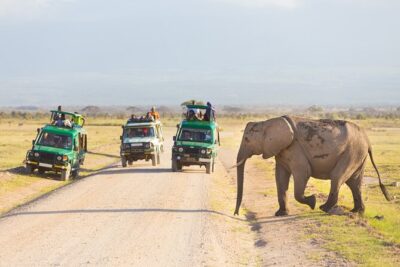
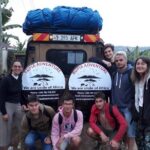
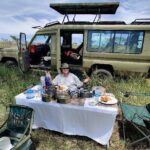
I especially like the focus on getting you into the right places for the wildebeest migration, including the areas tied to the Mara River action and those key northern timing windows. I also like the practical setup: a pop-up-roof 4×4, an English-speaking guide, and meals that keep you fueled through long drives.
One consideration: you’ll start early and spend many hours in the vehicle, and a couple nights are spent at campsites within the parks. If you want a hotel-style stay every night, you’ll need to adjust expectations.
In This Review
- Key things that make this safari work
- Day 1 in Arusha National Park: Ngurdoto Crater as your warm-up
- Day 2 Tarangire National Park: elephants, baobabs, and that river pull
- Serengeti Days 3 to 5: central sunset to Mara River drama
- Day 6: sunrise in Serengeti, then the long move to Ngorongoro
- Day 7 Ngorongoro Crater: descent, big five odds, and flamingos at lunch
- Day 8 Lake Manyara: tree-climbing lions, flamingos, hot springs, and a Maasai boma
- Guides and team: why the people behind the safari matter
- What the daily schedule feels like (and why it’s set this way)
- Where you sleep: lodges in Arusha, camps inside the parks
- Price and logistics: what you’re actually buying for your money
- Who this safari suits best
- Should you book this 8-day Safari?
- FAQ
- How long is the safari?
- What parks are included in this itinerary?
- Is pickup included and where does it start?
- What kind of vehicle is used for game drives?
- Are meals included?
- What should I bring money-wise if I book?
- Is this tour private?
Key things that make this safari work
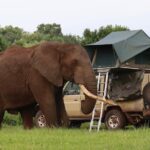
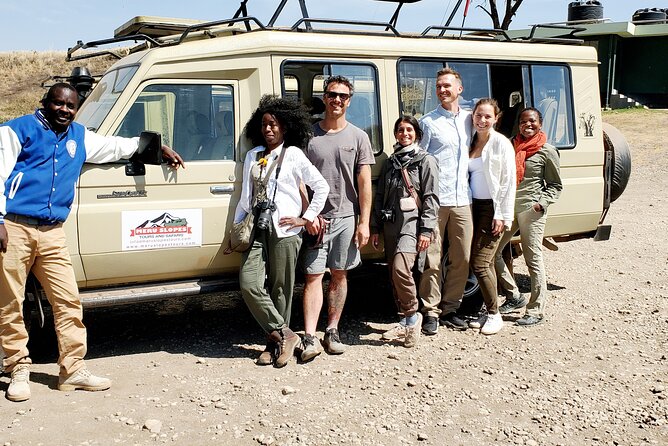
- Pop-up-roof safari jeep so you can actually see over the grass during game drives
- Migration-focused route built around Serengeti regions tied to Mara River movement
- Ngorongoro crater floor time with a full descent and a long game drive in one of Africa’s best natural arenas
- Big wildlife plus human stops including Mto wa Mbu village and a Maasai boma visit
- Meals and timing that match the wildlife schedule with breakfast early and lunches made for the drive
Day 1 in Arusha National Park: Ngurdoto Crater as your warm-up
You kick off with an early morning run into Arusha National Park, with a short drive from Arusha town. The big win here is that it’s not just a quick stop before the main parks. Arusha NP feels like a different world—cooler forest pockets, birds flitting around, and primates you can spot without needing a long wait.
The highlight is the Ngurdoto Crater area inside the park. You get steep rocky cliffs dropping into a marshy floor, which is why you’ll often see wildlife drawn into that damp space. Blue monkeys and black-and-white colobus monkeys can both be seen in the forested stretches, along with colorful birds like turacos and trogons.
How this helps you: after a day of lighter, close-to-the-forest watching, you’re ready for bigger open-country game viewing later. It’s a smart way to start because it gives your eyes time to adapt—forest tracking builds your spotting skills for Serengeti.
You can also read our reviews of more tours and experiences in Arusha.
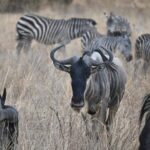
Day 2 Tarangire National Park: elephants, baobabs, and that river pull
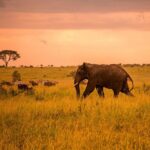
Tarangire is the “power lineup” day. After pickup from Arusha, you’re looking at a drive of about three hours to reach the park, then a full game drive once you’re inside. Tarangire’s star isn’t one single animal—it’s the whole stage: elephant traffic, baobab silhouettes, and that sense that the wildlife is concentrated where the water is.
Tarangire’s name connects to the Tarangire River, and that matters for sightings. When animals gather to drink, you get more chances to see them without constantly chasing new tracks. The park is also described as a place where climbing tree activity (and python sightings) can happen, plus plenty of iconic baobabs that frame photos like natural set pieces.
By dinner, you’re heading to Jambo lodge for an overnight. That’s a helpful balance: one long day of driving and spotting, then a proper sit-down meal and rest before Serengeti.
What you’ll likely notice: Tarangire has a very “structured” feeling. You’re not just searching—you’re watching a system where elephants, predators, and other animals keep showing up because water and forage keep them connected.
Serengeti Days 3 to 5: central sunset to Mara River drama
Then comes Serengeti, and it’s a full-on shift. You travel en route with views of the Rift Valley and even look toward Ngorongoro from the road. You reach Serengeti around mid-afternoon, then do an evening game drive in central Serengeti for sunset—dusk is often when animals feel most active and the light turns everything cinematic.
Night two lands at Seronera campsite inside Serengeti. That’s the kind of detail that changes the whole vibe: you’re truly in the park, not just visiting it for a few hours.
On the next Serengeti day, you’re up early and heading north to key areas where migration activity and big river-related drama can happen. The Mara River and the Ndutu Plains are specifically called out as flash points. There’s also a practical timing note: river crossings tied to the Kogatende area start in July, and between July and October, game viewing is described as at its best with crossing chances that are much more likely.
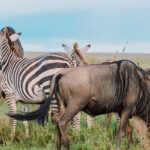
Day 5 keeps you in Serengeti for another full day, with more time spent following where the migration is moving. The guidance here is direct: the great migration varies year to year, so the best chance is during June through September, and July through September is a strong window for northern Serengeti activity and Mara River crossings.
What I like about this approach: it doesn’t promise one miracle moment. Instead, it focuses on the areas and timing where you have the best odds. In Serengeti, that’s how you avoid disappointment.
Day 6: sunrise in Serengeti, then the long move to Ngorongoro
This is one of the most intense days on the calendar. You wake up around 5:45, catch sunrise inside Serengeti, and go for an early morning game drive that runs until about 11:30. Then you head back to the campsite for hot lunch and packing.
After lunch, you’re not done with the wildlife—your schedule shifts into travel mode while continuing game viewing as you head toward Ngorongoro. Dinner and overnight are at Simba campsite near the crater area.
Why this matters: you’re maximizing daylight. Morning game drives tend to be productive because animals move differently at cooler temperatures, and the light makes spotting far easier than midday glare.
A small note that affects the experience: this is a day where comfort is secondary to timing. If you’re the kind of traveler who loves early starts and hates wasting daylight, you’ll fit right in.
Day 7 Ngorongoro Crater: descent, big five odds, and flamingos at lunch
Ngorongoro Crater is the headline, and your day is built like a classic crater visit: early breakfast, then a descent to the crater floor at around 5:30 in the morning. This is where the experience changes from open savannah driving to a bowl-shaped world that feels crowded with wildlife.
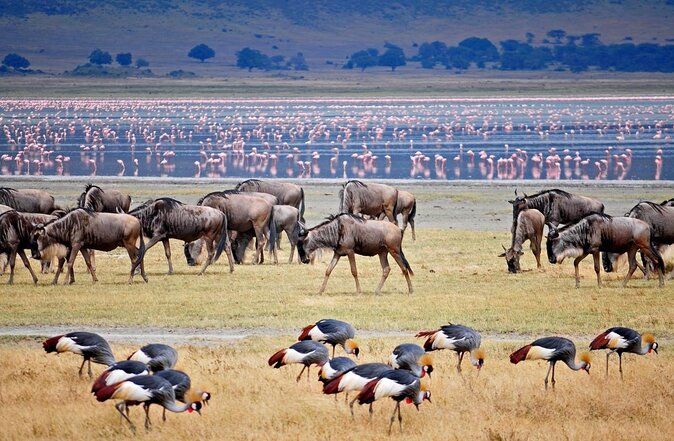
The crater floor is described as a place where you can see all big five, including black rhino. You’ll also find birds, and flamingos are mentioned as being present during the day with high concentrations around lunch time.
Your lunch happens inside the crater while you’re still watching game activity from where you’re seated. Then you do a longer game drive—about six to seven hours—before ascending out. After packing at the campsite, you drive back toward Jambo lodge for dinner and overnight.
And then, because wildlife days can feel like a blur, you add a human layer. After the crater tour, there’s a walking tour in Mto wa Mbu village: you’ll see how local people live, look at banana plantations, and you can taste local food.
The balance here is smart: Ngorongoro gives you the wildlife density. Mto wa Mbu gives you context for the land and the people living alongside it.
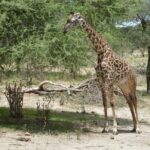
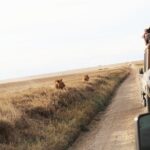
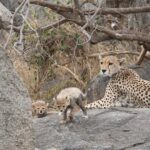
Day 8 Lake Manyara: tree-climbing lions, flamingos, hot springs, and a Maasai boma
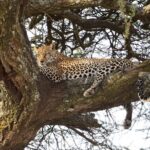
On your final full day, you head to Lake Manyara National Park for a full game drive. This is a park where the wildlife has different “moods” compared to Serengeti. One of the most famous attractions here is the chance to see tree-climbing lions, a rare behavior that can feel almost unreal when you finally spot it.
The lake area also brings flamingos, drawn by algae in the water. You’ll spend time in the park to look for wildlife and then add variety with a hot spring visit, which gives you a break from game-viewing mode.
After the nature stops, you shift into culture with a Maasai boma visit. You’ll see how Maasai people live and learn about culture and traditions. Then you drive back to Arusha for dinner and overnight.
Who this day is for: it’s a great closer if you like variety. You end with wildlife, then relax into landscape and body-friendly hot spring time, then finish with local culture.
Guides and team: why the people behind the safari matter
This safari stands or falls on the guide, and the strongest signal from past journeys is how well the team communicates and how seriously they take organizing the day.
In booking conversations, people highlight friendly, responsive communication through a contact person such as Gift, and there’s also mention of director-level involvement with Geofrey. On the ground, guides named in past experiences include Edson (airport pickup), Germán, Nuru, Samwel, Benson, Jacob, Douglas, and Nelson (for planning help). Drivers mentioned include Iddy, described as a pro in guiding and even compared to an expert pilot.
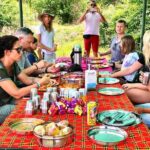
Food is another big deal here. You’ll have breakfast, lunches, and dinners as part of the schedule, and chefs named in past experiences include Dula and Eric, with descriptions of home-made meals. That matters because it keeps energy steady when you’re doing full-day game drives and back-to-back travel legs.
If you want one key takeaway: this itinerary gives you the right sights, but the team is what turns them into real sightings instead of just moving from park to park.
What the daily schedule feels like (and why it’s set this way)
Across the eight days, mornings are early. You start around 7:30 for pickup, then you’ll see wake-up times like 5:45 in Serengeti and 5:30 for Ngorongoro crater. Game drives run long—often full-day blocks inside parks—because animals don’t politely show up on a schedule.
Lunch is often built into the driving day, including lunches inside the jeep. That keeps you out of long breaks and keeps the day aligned with prime viewing hours. Unlimited drinking water is included, which is a simple thing but makes a difference when you’re out for hours in the heat.
Possible drawback to keep in mind: these days can be tiring if you’re used to slower travel. But if you like a “start early, see a lot, sleep well” rhythm, it’s a strong match.
Where you sleep: lodges in Arusha, camps inside the parks
You get two nights in Arusha town—one the night before the safari starts and one after it finishes. That’s a nice way to anchor the trip with comfortable rest. Then, inside the safari circuit, the itinerary moves you through park-based camping setups.
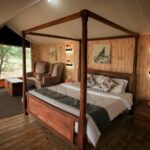
Seronera campsite is mentioned for Serengeti nights, and Simba campsite is mentioned for the Ngorongoro crater area. Campsites don’t automatically mean uncomfortable, but they do mean the setting is more rustic than a city hotel. If you’re expecting a spa-style stay every night, you should plan for a more outdoorsy version of comfort during those park nights.
The upside is huge: you’re closer to where wildlife happens, and your days feel less like “driving to see nature” and more like “living inside it for a week.”
Price and logistics: what you’re actually buying for your money
The price shown here lists $0.00 per person, so treat that as a placeholder rather than a real quote. What’s still useful is the structure of the package and what it covers.
Included:
- All fees and taxes
- Transfers between the international airport and Arusha
- Two nights accommodation in Arusha town
- Extended 4×4 luxury safari jeep with pop-up roof
- Professional English-speaking guide
- Unlimited drinking water
- Meals: breakfast (8), lunch (8), and dinner (9)
Not included:
- Tanzania visa
- Personal expenses (like laundry, phone, beverages)
- Tips for guide and cook
For value, the big points are the bundled park-related costs and the jeep/guide setup that drives the game-viewing quality. For many first-time safari planners, the hidden costs are often where budgets get messy. This kind of package reduces that headache.
Who this safari suits best
This is a strong fit if you:
- Want a classic northern Tanzania loop (Tarangire, Serengeti, Ngorongoro, Lake Manyara)
- Care about the migration, especially timing tied to the Mara River
- Like long day game drives and early mornings more than late starts
- Prefer a private group experience (only your group participates)
It’s also a good option if you’re traveling as a couple or family because the route is structured and the schedule keeps everyone in the same flow. It’s less ideal if you hate vehicle time or want a vacation that feels slow and hotel-based every day.
Should you book this 8-day Safari?
I’d book it if you want one trip that covers the key Tanzanian icons—Serengeti migration chances, Ngorongoro’s crater density, and Lake Manyara’s tree-climbing lions—without wasting days on random detours. The itinerary is built around the realities of wildlife timing, and the inclusion of a pop-up-roof 4×4 plus a full set of meals helps the days run smoothly.
I’d pause if you’re very sensitive to early starts or you expect lodge comfort every night. But if you’re buying into the idea of waking before sunrise, chasing the migration where it’s most likely, and finishing with village culture and Maasai boma time, this route makes a lot of sense.
If you do book, ask your operator which migration timing window you’re targeting and how flexible the route can be based on what the animals are doing. That’s where the best safaris usually separate from the just-okay ones.
FAQ
How long is the safari?
It’s an 8-day safari experience.
What parks are included in this itinerary?
The itinerary includes Arusha National Park, Tarangire National Park, Serengeti National Park, Ngorongoro Crater, and Lake Manyara National Park. It also includes Mto wa Mbu village and a Maasai boma visit.
Is pickup included and where does it start?
Pickup is offered, with a start time of 7:30 am. Transfers between the international airport and Arusha are included.
What kind of vehicle is used for game drives?
You’ll use an extended 4×4 luxury safari jeep with a pop up roof for game viewing.
Are meals included?
Yes. Breakfast is included for 8 days, lunch for 8 days, and dinner for 9 days.
What should I bring money-wise if I book?
The package does not include your Tanzania visa, personal expenses, or tips and gratuities for your guide and cook.
Is this tour private?
Yes. It’s listed as private, meaning only your group participates.