REVIEW · MOSHI
Safari Serengeti And Ngorongoro
Book on Viator →Operated by Savannah Explorers · Bookable on Viator
Serengeti and Ngorongoro in five days sounds unreal. This Northern Circuit safari lines up Serengeti game drives with a standout day in Ngorongoro crater, where wildlife viewing is the main event. You’ll also get cultural texture along the way through Karatu stops and the human-plus-wildlife setting of the conservation area.
I love that your days run on a simple promise: all meals are included, and the food is set up for dietary requirements. I also like the way this trip is built around real wildlife time, with guides from Savannah Explorers repeatedly praised for staying sharp and putting sightings into a big-five frame.
One consideration: the schedule is intense. You should plan for long stretches in the vehicle, with 10-hour days on the park and crater drives, including the crater descent day.
In This Review
- Key things to know before you go
- Northern Circuit in 5 Days: Why Serengeti and Ngorongoro Work
- From Kilimanjaro Airport to Karatu: Your First Night Setup
- Two Days in Serengeti: Full-On Game Drive Time for the Big Names
- Ngorongoro Crater: Descend for High-Density Wildlife and a Picnic Lunch
- Karatu Markets and Local Culture Time Without the Hard Sell
- Price and Value: What You’re Paying for (and What’s Not Included)
- Comfort and Timing: Long Game Drives, Real Meals, and the 8:00 Start
- Guides Matter: When Spotting Turns Into Big-Five Moments
- Who This Safari Fits Best (and Who Might Want a Different Pace)
- Should You Book Safari Serengeti And Ngorongoro?
Key things to know before you go
- Ngorongoro crater descent with picnic lunch inside the world’s largest caldera
- Big wildlife focus across two Serengeti game-drive days
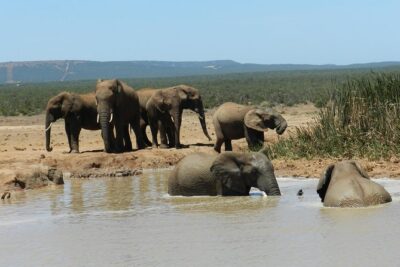
- High-density elephants in the crater for a classic Tanzania safari moment
- Karatu village market stop to meet locals and slow down from the road
- Meals included with dietary needs covered, so you don’t need to plan food daily
- AMREF Flying Doctors insurance (500 Km radius) added for air-medical evacuation coverage
Northern Circuit in 5 Days: Why Serengeti and Ngorongoro Work
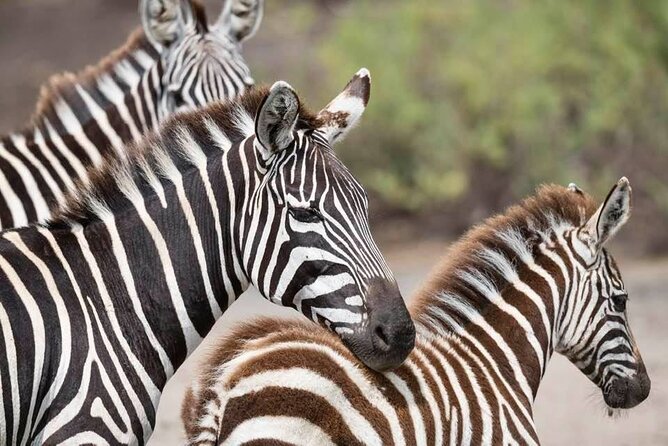
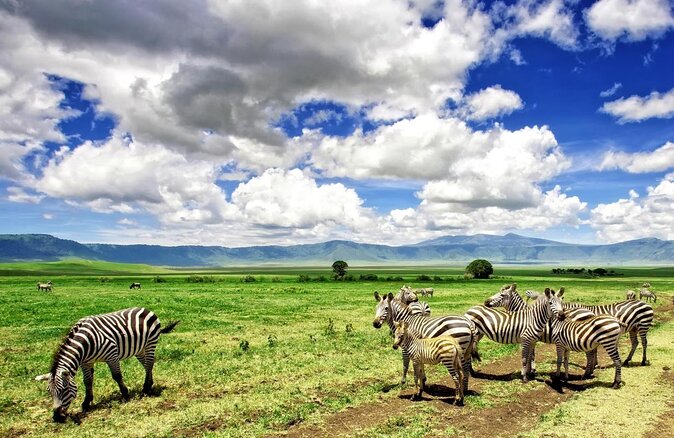
This is one of those safari combinations that makes sense on the calendar. You get two full days in Serengeti, then you shift to the Ngorongoro side for a crater experience that’s famous for dense wildlife. In a short trip window, that kind of pairing is how you give yourself more chances for big sightings.
Another smart piece is the route context. On the way into Serengeti, you cross through the Ngorongoro Highlands and the Ngorongoro Conservation Area. That matters because this area isn’t just fenced-away wilderness; it’s described as a conservation project where Maasai and their livestock live alongside wild animals. You’re not only seeing animals. You’re seeing the real-world arrangement that keeps wildlife and people in the same region.
And if you care about that iconic Tanzania checklist—big cats, big herds, and that crater bowl look—this plan gives you the core hits without dragging you across the country for weeks. The pace is fast, yes, but it’s focused.
You can also read our reviews of more tours and experiences in Moshi.


From Kilimanjaro Airport to Karatu: Your First Night Setup
Day 1 is all about getting you off the airport stress and onto safari timing. The tour pickup happens at Kilimanjaro Airport, with a transfer to Karatu for overnight. This is a practical way to start: you arrive, you settle, and you don’t waste the first daylight hours doing paperwork and logistics.
There’s also an optional chance to stop at local markets in Karatu if there’s time on the drive. If you’re jet-lagged or you want to save energy for the next day’s long drives, you can also simply relax at the lodge. Either way, you’re arriving in a calmer rhythm than the typical grab-your-stuff-and-go style.
One small detail that helps: you’re not expected to figure out your own ground transfer puzzle. The tour handles the transfer from Kilimanjaro to Karatu, then later it moves you toward the parks and back out again at the end.
Two Days in Serengeti: Full-On Game Drive Time for the Big Names
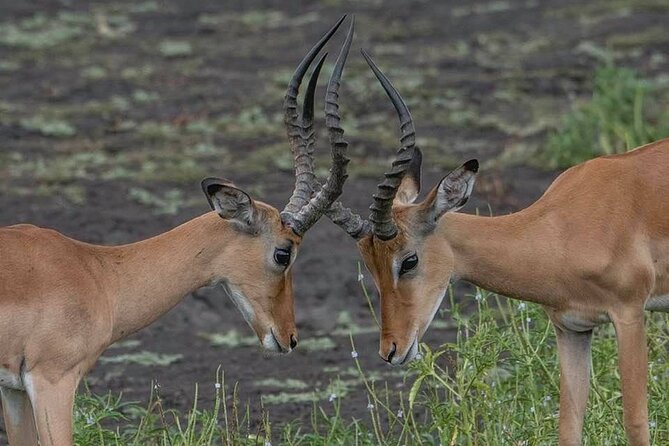
Once you’re out of Karatu, Serengeti becomes the main show. After breakfast you leave Karatu village, enter the Ngorongoro Conservation Area, and continue across the Ngorongoro Highlands until you reach the Serengeti gate. Then the game drive clock starts.
This tour schedules two Serengeti days, each with a long game drive block. That’s valuable because wildlife viewing isn’t a vending machine. Animals move, and good sightings often depend on where you are at the right moment. Two full park days improve your odds more than a quick half-day ever will.
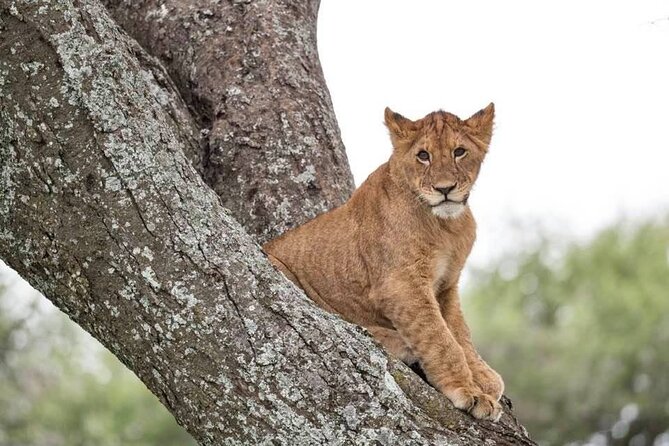
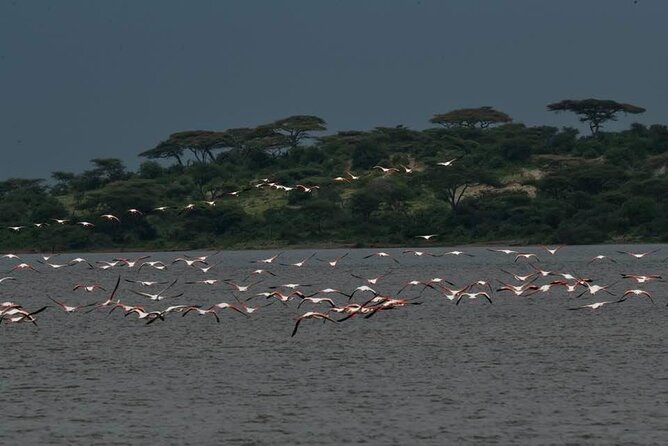
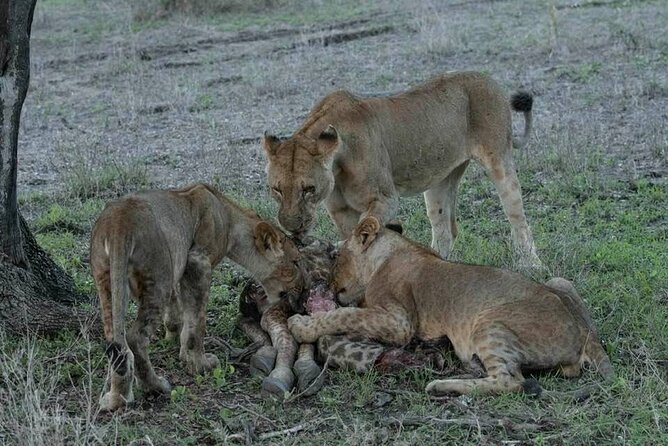
Serengeti is described as savannah covering more than 15,000 square kilometers, packed with lions, leopards, cheetahs, giraffes, elephants, and many other animals. That list is useful because it tells you the safari is aimed at variety, not just one species. When a region has enough different animals, your guide can work a wider range of strategies during the drive.
Here’s what you’ll feel on the ground: the day isn’t broken into a dozen stops. It’s mostly focused driving and scanning—then driving and scanning again. If you like the rhythm of staying alert and patient, it’s exactly the right tempo.
Practical note: you’re signing up for about 10 hours on each day in the park environment. Bring your comfort mindset. Think of it like a marathon viewing session, not a quick sightseeing loop.
Ngorongoro Crater: Descend for High-Density Wildlife and a Picnic Lunch
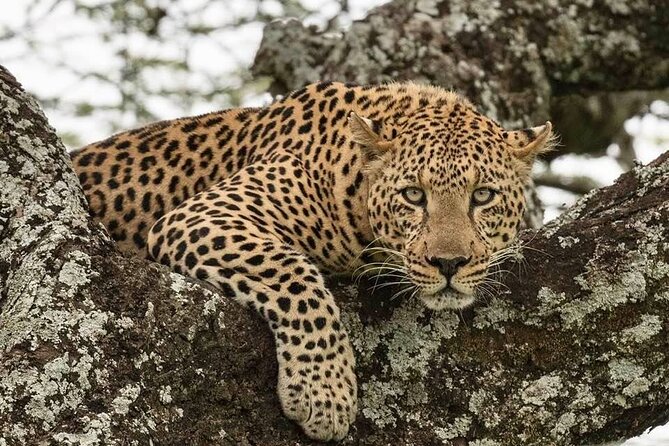
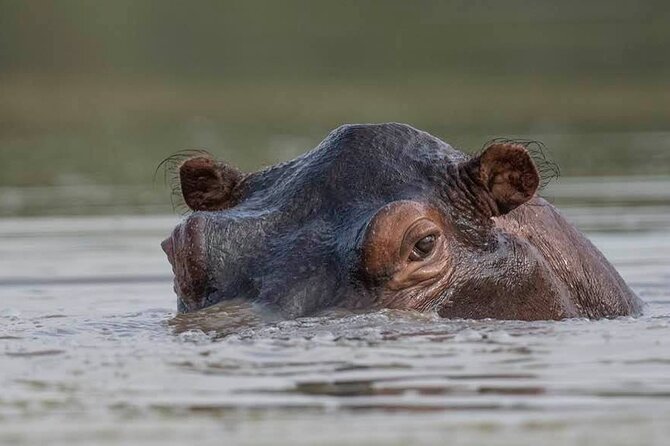
Day 4 is the one people remember: driving to the Ngorongoro Conservation Area, then descending into Ngorongoro crater for a game drive with a picnic lunch. The crater is highlighted as a must-see, with one of the highest densities of elephants in Africa.
That elephant emphasis is a big deal for value. When you pick a safari, you’re trying to trade money and time for real animal payoff. The crater’s reputation for dense wildlife means you’re not just hoping for luck—you’re heading to a specific setting where sightings are more likely to stack up.
The tour also includes a picnic lunch during the crater drive. That’s not a small thing, because it reduces the mid-day hassle. Instead of searching for food options, you’re kept in the viewing flow.
And there’s a human angle again. The conservation area is described as living space where Maasai and their livestock share the environment with wild animals. So when you’re looking out from the crater day, you’re seeing a place shaped by both conservation and traditional livelihoods—not just a remote backdrop.
Just like Serengeti day, the crater day runs long—about 10 hours total. If you’re someone who likes frequent stretching breaks, you may want to prepare for a more seated, steady day.
Karatu Markets and Local Culture Time Without the Hard Sell
This safari does include a cultural moment, but it doesn’t pretend every cultural interaction is a museum stop. On day 1, there’s a possible stop at local markets in Karatu, depending on timing, with the option to skip and rest. On day 2 and 3, your focus shifts fully into the parks.
What’s worth your attention here is the placement. Karatu isn’t shoved into the middle of a chaotic day. It acts as a reset and a short bridge between airport and safari, and it gives you a chance to see everyday life near the route.
You’ll also be surrounded by conservation-zone context during your drives. Even when you’re not stopping, the fact that Maasai and livestock live within the conservation project is part of what makes this Northern Circuit feel real rather than staged.
If you want souvenirs, you’ll have a natural moment to browse rather than squeezing shopping into a parking-lot rush.

Price and Value: What You’re Paying for (and What’s Not Included)
The price is $2,845 per person for roughly 5 days, based in Moshi and designed around Serengeti and Ngorongoro. That number can look big until you zoom in on what’s handled for you.
First, the tour includes meals every day in the schedule: breakfast and dinner counts are listed across the trip, plus lunch on the crater day (and additional lunches within the included meal plan). It also states meals are catered to your dietary requirements. For many people, that’s immediate value because safari time is short and decision fatigue is real.
Second, there’s wildlife access value. Admission is listed as free for the Serengeti-focused days, and the Ngorongoro crater admission is included. When park access is covered, you don’t have to chase separate entry fees mid-trip.
Third, there’s the safety/medical layer. AMREF Flying Doctors insurance for air medical evacuation service within a 500 Km radius is included. That’s not a guarantee you won’t get sick, but it helps you feel better about worst-case planning.
What’s not included is clear: international flights. So you’ll need to cover getting to Kilimanjaro, then you’ll join the tour pickup there.
One more angle on value: the operator supports group discounts and provides a mobile ticket. A mobile ticket isn’t exciting, but it usually means fewer paper hassles once you’re in-country.
Comfort and Timing: Long Game Drives, Real Meals, and the 8:00 Start
This tour is built around a classic safari rhythm: early starts, long drives, and big blocks of wildlife searching. The start time is listed as 8:00 am, and day-to-day timing is anchored to breakfast and then park entry or crater descent.
The upside is straightforward. You’re not constantly waiting around for transfers and random add-ons. Your time is aimed at game drive hours.
The upside on a human level is food planning. All meals are included, and your dietary requirements are catered to. During a safari, that matters more than people expect. When your day is all vehicle time and scanning, having meals already arranged can keep your energy steady instead of spending mental energy on what you’ll eat later.
The trade-off is physical. With 10-hour days on the park and crater drives, this tour rewards travelers who handle long seated time well. If you’re planning to go, think about how you’ll stay comfortable during extended vehicle hours.
Guides Matter: When Spotting Turns Into Big-Five Moments
A safari isn’t only about where you go. It’s also about who’s driving, reading the land, and noticing animal cues fast.
Across Savannah Explorers experiences, guides have been repeatedly praised for being alert at spotting animals and guiding trips in a way that helps guests see the Big Five. Names that come up include Maulidi, Timba, Emmanuel, Evarest, Semle, Daudi, Isaac, and Thomas, often called Uncle T. You’ll also see mention of excellent driving support from staff like Chambuso and careful attention from Samwel.
You can’t book a guide by name from the information here, so I can’t promise who you’ll get. But I can tell you what to look for in how your day feels: when a guide is strong, the animals don’t have to be rare sightings. You tend to get more time with what you find, and the stops feel purposeful rather than random.
If you’re serious about seeing the full range—lions, leopards, cheetahs, and the elephants and other big animals this itinerary targets—choosing a tour provider with a track record of experienced spotters is part of your value decision.
Who This Safari Fits Best (and Who Might Want a Different Pace)
This is a good fit for you if you want the Northern Circuit highlights in about five days. It’s also a strong choice if you like structured days that focus on wildlife rather than optional side trips.
It’s especially suitable if you value:
- clear meal support with dietary requirements handled,
- included park access for the Serengeti days and the crater day,
- an organized transfer flow from Kilimanjaro to Karatu and into the parks.
This tour may feel like a lot if you need a low-key pace. The long game-drive blocks—around 10 hours—are central to the experience. If you want more downtime, more stops, and shorter days, you might feel better with a slower-length safari.
Based on past Savannah Explorers experiences that include families with wide age ranges, the trip can work for mixed groups too, as long as everyone is comfortable with the daily schedule.
Should You Book Safari Serengeti And Ngorongoro?
Yes, if you want a tightly focused Serengeti + Ngorongoro crater safari built around big wildlife time. The strongest booking reasons are the included meals with dietary support, the inclusion of Ngorongoro crater access, and the added AMREF Flying Doctors evacuation coverage. The schedule is long, but it’s aimed at giving you meaningful chances at top sightings.
No, if you’re looking for a relaxed, stop-and-smell-the-flowers itinerary. This one is about time in the parks and crater, not about many cultural detours. If long vehicle days would wear you down fast, consider a different length or a different pacing style.
If you do book, do one thing to make it smoother: plan your dietary needs in advance so the included meals match what you require. Then treat your camera, your patience, and your comfort planning as part of the safari toolkit. That’s how you get the most out of a short window in northern Tanzania.