REVIEW · BOZEMAN
Yellowstone Wildlife Safari from Bozeman – Private Tour
Book on Viator →Operated by Yellowstone Safari Co. · Bookable on Viator
Yellowstone can feel huge, but this route makes it manageable. A private safari from Bozeman is all about early starts, smart stops, and wildlife viewing with optics so you don’t just drive past the action. I like that the guides mix animals with geology and history, so every pull-off has a reason, not just a photo stop. You’ll also hear plenty of real-world wildlife habits as you go, with guides like Kelsey and Nate showing how to read the park in the moment.
The biggest perk for me is the pacing: you’re not stuck in a rigid script. The day is designed for walking, viewing, picnicking, and quieter moments, and that flexibility matters when animals show up where you least expect them. One consideration: the park entrance fee is not included, and summer construction can affect drive times and stop duration even when the guide is actively working around it.
In This Review
- Key highlights to pay attention to
- Bozeman to Yellowstone: the value of an early, private start
- Price and what it really buys you
- Stop-by-stop: what each part is good for (and what to watch)
- Paradise Valley: a wildlife corridor you can feel
- Mammoth Hot Springs: geothermal colors that teach
- Petrified Tree: a time-capsule reminder
- Tower Fall: a classic northern waterfall stop
- Yellowstone River: where food, movement, and patience meet
- Slough Creek: multiple stops that raise your odds
- Lamar Valley: the wildlife-viewing centerpiece
- Albright Visitor Center and Museum: context with a stop
- Roosevelt Arch: the park’s symbolic north entrance
- The guide factor: how naturalist leadership changes your day
- What to pack so the long day stays comfortable
- Wildlife expectations: how to think like a safari hunter
- Lunch, snacks, and the small comforts that matter
- Who should book this safari
- Should you book? My take
- FAQ
- What time does the tour start?
- Where do we meet?
- How long is the Yellowstone wildlife safari?
- Is this a private tour?
- Does the tour include pickup?
- What’s included in the price?
- Are Yellowstone National Park entrance fees included?
- Is the tour ticket mobile?
- What if Yellowstone roads are affected by construction?
- What should I bring for kids?
Key highlights to pay attention to
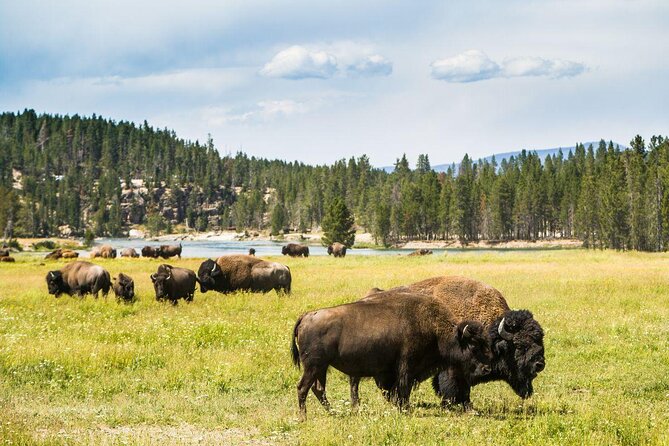
- Private group + tailored route based on your interests, sightings, and weather/road conditions
- UHD binoculars and spotting scopes to turn long-range sightings into close-up moments
- Naturalist-led wildlife strategy for places like Lamar Valley and Slough Creek
- Thoughtful stops beyond the headlines, including Paradise Valley, Mammoth Hot Springs, and Roosevelt Arch
- Local picnic lunch + snacks that keep you fueled for the long day
- Early start (6:00 am), which helps you get to prime viewing areas with daylight on your side
Bozeman to Yellowstone: the value of an early, private start
You start from Café M777 on E Main St in Bozeman at 6:00 am, and the timing is practical. Yellowstone wildlife often looks best at the edges of the day, when animals are moving and roads are less jammed. With a private tour, you’re not stuck waiting for a long line of people to finish the same photo moment, either. Your guide can move at the pace that fits your group.
The “private” part is more than a marketing word. It changes how the day feels. You can ask questions that come up in real time, you can request more time at a promising turnout, and your guide can adjust the schedule if the weather shifts or if a road slows you down.
I also like the format: you receive a mobile ticket, and the tour ends back at the meeting point. You don’t have to think about getting back to town on your own.
Price and what it really buys you
At $697.50 per person, this isn’t a cheap day trip. But it also isn’t just a seat on a bus. You’re paying for a guide who’s actively scanning, choosing pull-offs, and using optics to help you see farther and more clearly. You’re also getting lunch, snacks, and non-alcoholic beverages included, which matters in Yellowstone where food options can get pricey and inconvenient.
Another value point: the itinerary is full-day and purpose-built for wildlife areas like Lamar Valley and Slough Creek, not only the easier-to-reach scenic spots. That’s the difference between seeing a few animals and actually getting a wildlife safari experience.
The one cost to plan for is the Yellowstone National Park entrance fee, which is not included. Add that to your total budget before you book, so there are no surprises.
Stop-by-stop: what each part is good for (and what to watch)
The route runs about 10 to 11 hours, and your exact order can shift based on wildlife activity, weather, and road conditions. That’s a good thing. Yellowstone is not predictable, and a guide who changes plans on the fly is often the difference between a so-so day and a memorable one.
Paradise Valley: a wildlife corridor you can feel
Your first wildlife-focused stop is Paradise Valley, the north-south valley between the Gallatin Range (west) and the Absaroka Range (east). It’s also tied to the Yellowstone River, and that combination tends to attract animals that need water and food.
This is a great early stop because you’re often hunting for the first signs of the day: tracks, movement across openings, and birds using the valley edges. Your guide can also point out geological or historical significance while you watch, which helps the wait feel productive rather than passive.
Consideration: wildlife here still depends on day conditions. If the morning is windy or visibility is limited, you’ll want to rely on your guide’s scanning and patience.
Mammoth Hot Springs: geothermal colors that teach
At Mammoth Hot Springs, the main show is travertine terraces formed by mineral deposits. You’ll also see thermal pools colored by algae, often showing brownish or reddish tones.
This stop isn’t just scenery. Your guide can explain how the geothermal activity shapes the area, and you can connect that to what animals need around warm-water zones and feeding areas nearby. Even if you’re primarily there for wildlife, geothermal terrain is part of the bigger Yellowstone “system.”
Good tip: spend a bit of time looking before you start snapping photos. The colors shift with the light, and optics aren’t just for animals.
Petrified Tree: a time-capsule reminder
The Petrified Tree stop is a natural relic from Yellowstone’s volcanic past. A petrified redwood can look out of place in today’s Yellowstone, and that contrast is exactly why it works. It gives you a quick geology lesson without turning the day into a classroom.
If you like understanding how the park formed, this is the kind of stop that makes later wildlife sightings feel more meaningful. You’re not just watching; you’re learning what created the terrain animals use.
Tower Fall: a classic northern waterfall stop
Tower Fall sits in the northern region, named for rock pinnacles at the brink. The key detail here is erosion: the falls are slowly moving upriver over long timescales.
This stop is mostly about atmosphere and observation. Water draws birds and other wildlife along routes nearby, and it can be easier to spot animals when you have a clear landmark to orient from.
Timing note: you’ll have about 30 minutes here. It’s enough to see the waterfall well, but if you want longer walking time, tell your guide early in the day.
Yellowstone River: where food, movement, and patience meet
A stop at the Yellowstone River is a smart pivot point because it’s a major habitat corridor through the park. The river is also known for excellent trout, which matters because predators follow food.
This is another place where your guide’s ability to find the right pull-offs pays off. You’re looking for subtle signs: birds acting restless, distant shapes moving along edges, and the way animal behavior changes with shoreline and wind.
Consideration: from the road, you won’t get close-up views of everything. This is where the provided optics can make or break your experience.
Slough Creek: multiple stops that raise your odds
At Slough Creek, the tour shifts into a more active wildlife strategy with multiple pull-offs in the area. Slough Creek is a tributary of the Lamar River, and the watershed supports a variety of plants and animals.
What I like here is the “multiple stops” approach. Instead of one long look at one spot, you’re covering more ground and learning what the guide thinks is worth scanning. That’s how wildlife days are won. Animals don’t schedule your tour for you, so your guide has to cover the options.
Lamar Valley: the wildlife-viewing centerpiece
If you want the “wow” moments, Lamar Valley is the heart of this safari. It’s famous for natural beauty and wildlife density, often compared to the Serengeti of North America.
Expect multiple stops here for wildlife searching. This is where you’ll really appreciate the combination of early timing, steady scanning, and spotting tools. With a private guide using binoculars and a scope, you’re not just guessing what you’re seeing at the distance. You’re getting help identifying activity and interpreting behavior.
What you might see depends on season and conditions, but it’s the kind of place where big animals and predators are part of the normal conversation.
Albright Visitor Center and Museum: context with a stop
The Albright Visitor Center and Museum is housed in a historic structure that once served as quarters for cavalry troops charged with protecting the park before the National Park Service existed.
I like this stop because it resets your brain for a few minutes. After scanning for animals, it helps to understand the human side of how people tried to manage and protect Yellowstone. It also gives your guide a chance to connect wildlife stories to conservation and place history.
Roosevelt Arch: the park’s symbolic north entrance
The Roosevelt Arch at the north entrance in Gardiner is built of hexagonal basalt blocks and stands about 52 ft (16 m) high. It’s from 1903, intended as a grand entrance for the world’s first national park. The design didn’t fully get finished as planned, and the official entrance shifted south, but the arch remained and is listed on the National Register of Historic Places.
This stop is short, but it’s a meaningful bookend to the day. You’re going into the park’s older identity while also seeing its living wildlife system in action.
The guide factor: how naturalist leadership changes your day
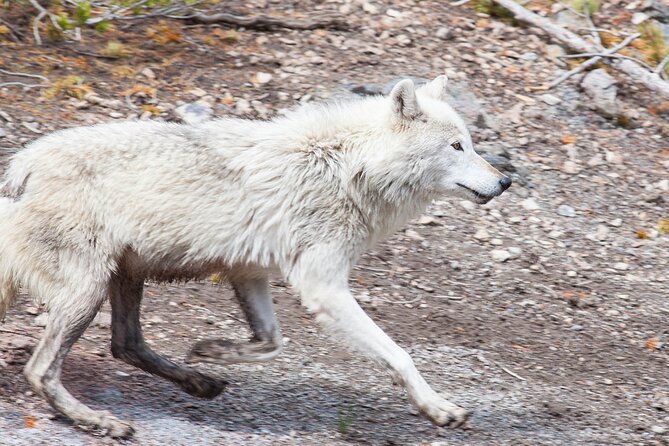
The common theme across high ratings is not just “we saw animals,” it’s how the day was guided. Guides like Kelsey, Gary, Randolph, Grant, and Nate are praised for connecting wildlife sightings to history, geography, and geology, and for being tuned in to what the group wants.
Here’s what that should mean for you on the day:
- You’ll get help spotting animals, not just driving around until you get lucky.
- You’ll hear explanations that make animal behavior make sense.
- You’ll get support with viewing—binocular tips, when to use a scope, and how to wait for the right moment.
One review specifically highlights how the provided optics and spotting scopes make the day feel like a real safari. That’s exactly what you want: not just looking, but seeing clearly enough to identify what you’re looking at.
And because it’s private, your guide can adapt. If your group loves large mammals, the focus can lean that direction. If you’re more into birds or geology, the guide can shift emphasis without derailing the wildlife goal.
What to pack so the long day stays comfortable
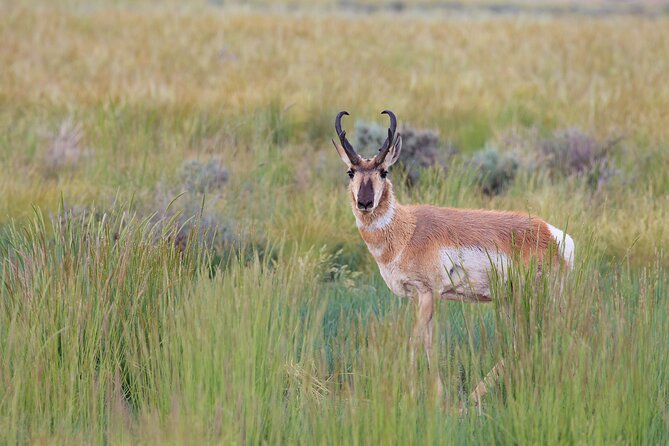
The tour is long, and you’ll be outside more than you might expect. The data you have doesn’t list a gear checklist, so I’ll stick to what usually matters in Yellowstone mornings.
Bring layers you can adjust quickly, especially for early departures when temperatures can feel sharp. Wear sturdy shoes for short walks and uneven ground at viewing pull-offs. If you’re traveling with kids who need a car seat, the tour asks you to bring it.
Also, since parking and viewing can involve standing for stretches, bring something simple for comfort—like a hat or sunglasses—so you can keep your focus on wildlife rather than fighting the sun.
Wildlife expectations: how to think like a safari hunter
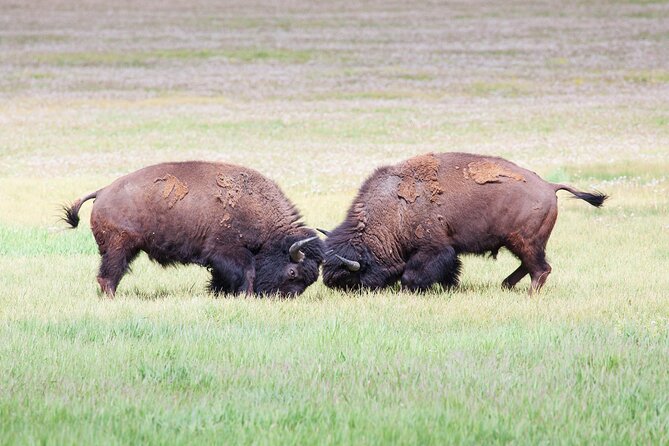
I’ll be honest: Yellowstone isn’t a guarantee factory. But this safari is built to raise your chances by using the right areas and giving you tools to make sightings count.
Lamar Valley and Slough Creek are the big hunting grounds here, with Paradise Valley and the Yellowstone River also set up for observation. The rest of the day adds geothermal and historical context, which means you’re learning even when animals take their time.
The best mindset is to treat every stop as a scan-and-wait opportunity. That’s where optics help. With binoculars and a scope, a distant shape becomes a story instead of a blurry mystery.
If your goal is to maximize wildlife odds, you’ll also want to be flexible. Road conditions and summer construction can change travel time, and the guide is expected to navigate closures and slowdowns as needed.
Lunch, snacks, and the small comforts that matter
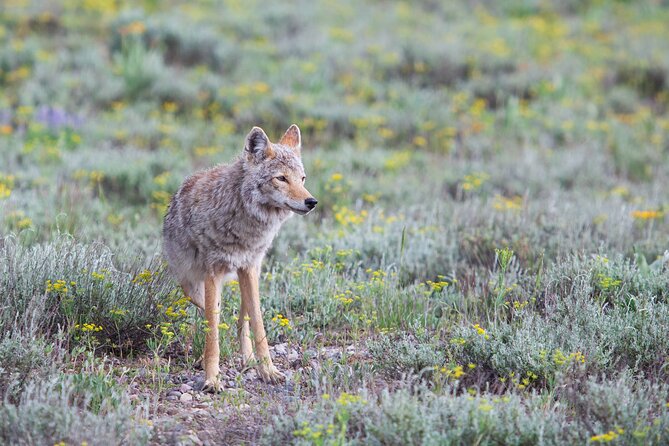
Long wildlife days can run you dry fast, especially when you’re waiting and watching. This tour includes lunch—described as a picnic lunch with locally sourced seasonal ingredients, plus recyclable and compostable packaging.
You also get snacks sourced locally (organic when possible) and non-alcoholic beverages. This is practical value. It means you don’t lose half your day tracking down food, and it helps keep your energy steady for spotting.
A local-business lunch was praised as awesome in feedback, which lines up with why I think included meals improve the whole experience.
Who should book this safari
This is a strong choice if:
- You want a private naturalist-led day rather than a group shuttle.
- Wildlife is your priority, and you want help seeing farther with UHD binoculars and spotting scopes.
- You like understanding how Yellowstone works: geology, geothermal features, and why habitats matter.
- You’re okay with a full-day commitment and the entrance fee being separate.
It’s also a good fit for families who want structure without losing kid attention. One review calls out a 9-year-old enjoying the day because the guide kept things fun while still informative.
If you’re traveling on a tight budget, the price may be the deal-breaker. But if you can swing it, the value comes from guide attention, optics, and the way the day is designed around wildlife time.
Should you book? My take
Book it if you want a wildlife-first Yellowstone day with a guide who can explain what you’re seeing and help you see it clearly. The high ratings make sense: private pacing, strong naturalist storytelling, and standout optics are a combination that turns a long day into real sightings.
Skip or reconsider if you’re trying to do Yellowstone on the cheap or if you’d rather spend your time on your own schedule with no guide help. Also, go in knowing that Yellowstone is weather-and-road dependent, especially in summer.
If you want a safari feel without sacrificing context, this is one of the better ways to do it from Bozeman.
FAQ
What time does the tour start?
The tour starts at 6:00 am in Bozeman.
Where do we meet?
You meet at Café M777, E Main St, Bozeman, MT 59715.
How long is the Yellowstone wildlife safari?
The tour runs about 10 to 11 hours.
Is this a private tour?
Yes. It’s a private tour/activity, meaning only your group participates.
Does the tour include pickup?
Pickup is offered, and you’ll be picked up depending on your arrangements.
What’s included in the price?
Included are a professional naturalist guide, lunch (picnic style), snacks, use of UHD binoculars and spotting scopes, and non-alcoholic beverages.
Are Yellowstone National Park entrance fees included?
No. The Yellowstone entrance fee is not included.
Is the tour ticket mobile?
Yes, the tour uses a mobile ticket.
What if Yellowstone roads are affected by construction?
Summer is construction season, and the guide will do their best to navigate road closures, traffic slowdowns, and wait times based on your interests and current conditions.
What should I bring for kids?
If your child requires a car seat, bring it with you.