REVIEW · BOZEMAN
Yellowstone Wildlife Safari in Lamar Valley from Bozeman
Book on Viator →Operated by Yellowstone Safari Co. · Bookable on Viator
Dawn hits Yellowstone fast. This small-group wildlife safari targets the prime hours for big animals. I love the naturalist-led spotting (guides like Alan, Grant, and Allen are repeatedly praised for their animal instincts), and I love that you’re not just driving blind—you get serious viewing gear and a full day of planned stops. One thing to consider: summer construction and road conditions can slow the route, and a few stops depend on what’s working that morning.
You’ll start at 6:00 am in Bozeman and spend most of the day in Yellowstone’s northern half, with Lamar Valley as the headline act. The itinerary is flexible and adjusts to sightings, weather, and road closures, so it’s built for results, not checkboxes. If you hate early mornings or you’re expecting an exact, fixed route with zero changes, plan mentally for a bit of improvisation.
In This Review
- Key things I’d circle before you book
- 6:00 am Departure From Bozeman: Why the start time matters
- Lamar Valley: the wildlife safari payoff
- North Entrance gate stop: first lesson in Yellowstone logistics
- Petrified Tree: a geology stop that actually helps you look
- Tower Fall and Mammoth Hot Springs: two northern stops with different vibes
- Slough Creek scouting: where the “maybe” turns into “there it is”
- Albright Visitor Center and Roosevelt Arch: history you can stand inside
- Yellowstone River and Paradise Valley drive: the in-between scenes count
- What $350 buys you (and what costs extra)
- Practical tips to make the day easier (and better)
- Who should book this Lamar Valley safari?
- Should you book this Yellowstone Wildlife Safari from Bozeman?
- FAQ
- What time does the tour start, and where do I meet?
- How long is the Yellowstone wildlife safari?
- Is the Yellowstone National Park entrance fee included?
- How big is the group?
- What wildlife viewing gear is included?
- Does the tour offer hotel pickup and drop-off?
Key things I’d circle before you book
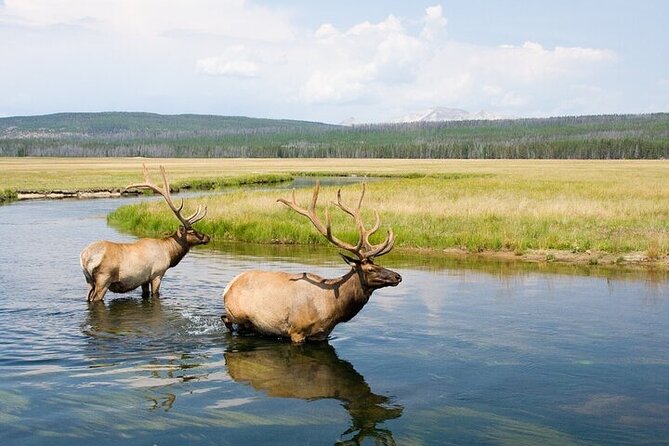
- Lamar Valley focus: built around prime wildlife viewing time, with multiple stops nearby
- UHD binoculars and spotting scopes: you’ll actually be able to see what you drive past
- Max 8 travelers: smaller groups mean more eyes on wildlife and better pacing
- Flexible stop plan: sites like Petrified Tree and Tower Fall may vary by departure based on conditions
- Local picnic lunch plus snacks: food is handled, with non-alcoholic drinks included
- Guide expertise that moves with the day: route and timing adjust to traffic, weather, and what animals are doing
6:00 am Departure From Bozeman: Why the start time matters
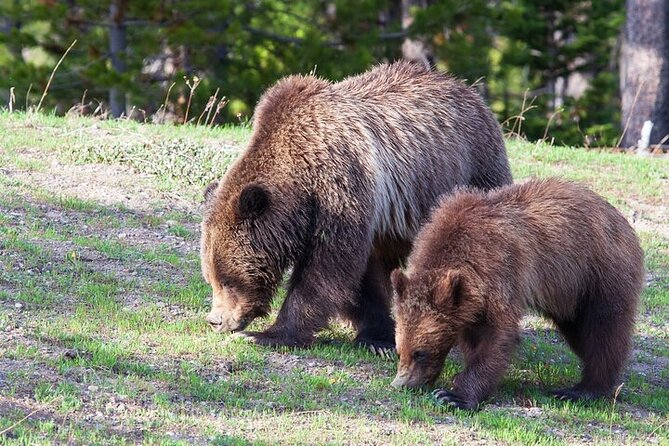
This safari begins at 6:00 am at Café M777 on East Main St in Bozeman. That early start isn’t just tradition—it lines you up with the best odds for wildlife activity before crowds and after the animals have had a quiet night.
You should also know the day runs about 10 to 11 hours. That’s long, but it’s the right length for getting from Bozeman into Yellowstone, working through the northern sites, and still spending real time in Lamar Valley where sightings often stack up. You’ll end back at the same meeting point, so you’re not left guessing about evening transportation.
Because the route changes with sightings and conditions, it’s smart to tell your guide what matters most to you. Yellowstone is too big to treat it like a rigid tour script, especially in summer when road issues can pile up.
You can also read our reviews of more tours and experiences in Bozeman.
Lamar Valley: the wildlife safari payoff
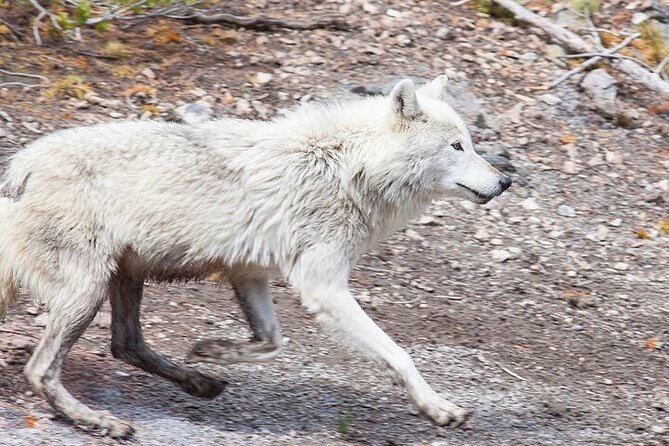
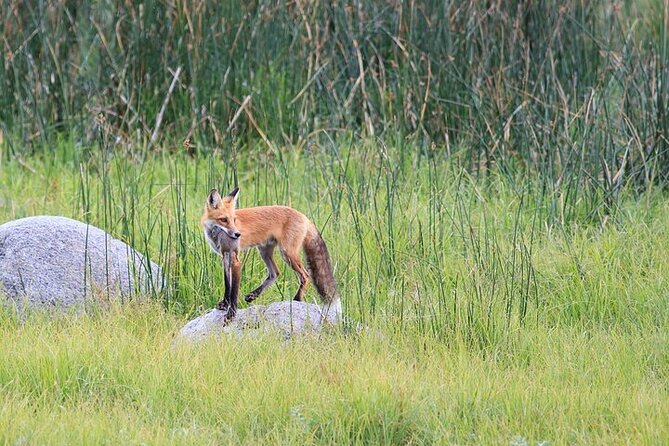
Lamar Valley is where the day earns its name. It’s in the northeastern part of Yellowstone and is famous for frequent wildlife viewing. The key advantage is time plus positioning: the tour doesn’t just drive through, it gives you about two hours with several stops in the area.
What you’re really doing here is learning how to read animal movement in real time. Lamar’s open stretches and river corridors can make spotting easier from the right pull-offs, and your guide’s job is to know where to look first and when to pause. With the spotting scopes and UHD binoculars included, you’re not stuck with the “maybe that was something” game.
I also like that the tour builds in time at Slough Creek and other northern zones before and after Lamar. Wildlife patterns don’t obey a schedule, and the guide can shift emphasis based on what’s showing up that morning.
North Entrance gate stop: first lesson in Yellowstone logistics
You’ll enter through the North Entrance Gate (the tour notes this as Yellowstone National Park entrance access). There’s a 20-minute stop here, and it’s also where the park entrance fee comes into play.
A practical tip: budget for that cost in your total planning. The Yellowstone entrance fee is $20 per person and is not included in the tour price. If you’re traveling as a couple or small group, that adds up fast, so it’s best to tally it early rather than deal with it at the last second.
This initial segment is also a good mental warm-up. Your guide can set expectations for the day, explain what to watch for, and help you use the optics without wasting time later.
Petrified Tree: a geology stop that actually helps you look
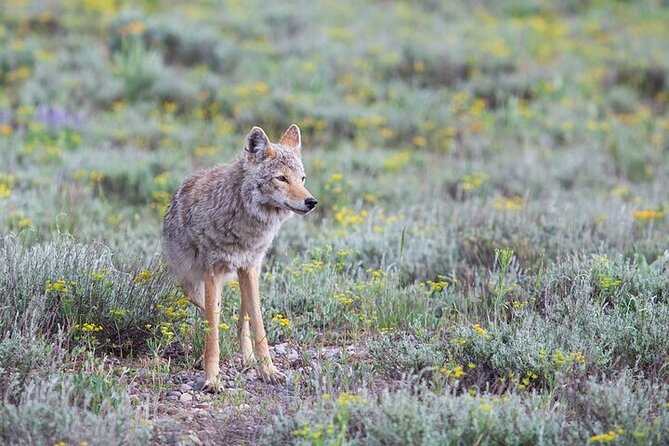
Next is a 30-minute stop at Petrified Tree. At first glance it can seem like an odd detour—why would you look at ancient wood in a park that’s all fresh heat and living wildlife?
But that’s exactly the point. Yellowstone isn’t only about animals. It’s also about the volcanic and geologic forces that shaped the whole region. A petrified tree is a natural relic from a very different landscape, and when your guide connects it to Yellowstone’s volcanic past, the stop starts to feel useful. It helps you understand why parts of the park look the way they do, and that makes your whole day more meaningful even if you’re a “just show me the animals” type.
One consideration: the tour says this stop may not happen on every departure. If Petrified Tree is a must for you, tell your guide early so they can prioritize what’s possible based on road and sighting conditions.
Tower Fall and Mammoth Hot Springs: two northern stops with different vibes
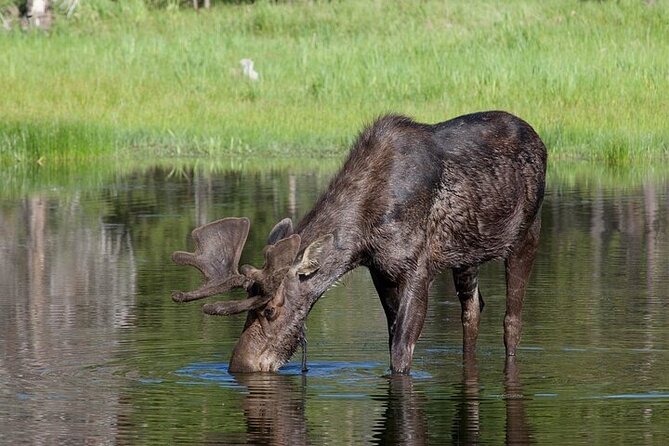
You’ll get a 30-minute visit to Tower Fall, named for rock pinnacles at the brink. The tour notes that erosion is slowly moving the falls upriver, though you won’t witness that in our lifetime. The value here is in the explanation: you’re learning how Yellowstone’s terrain keeps changing, one process at a time.
After that comes Mammoth Hot Springs—a longer stop (about one hour). This area is known for travertine terraces formed from mineral deposits. You’ll also notice color in the pools, influenced by algae living in the geothermal features. This is a great contrast day: while Lamar is about wildlife momentum, Mammoth Hot Springs is about learning to slow down and look closely at thermal detail.
Again, note the flexibility: the tour indicates Mammoth Hot Springs may not be included on every run. That’s not a red flag—it’s how the operator keeps the itinerary responsive. If your #1 priority is specific geothermal sights, make that clear when you meet your guide.
Slough Creek scouting: where the “maybe” turns into “there it is”
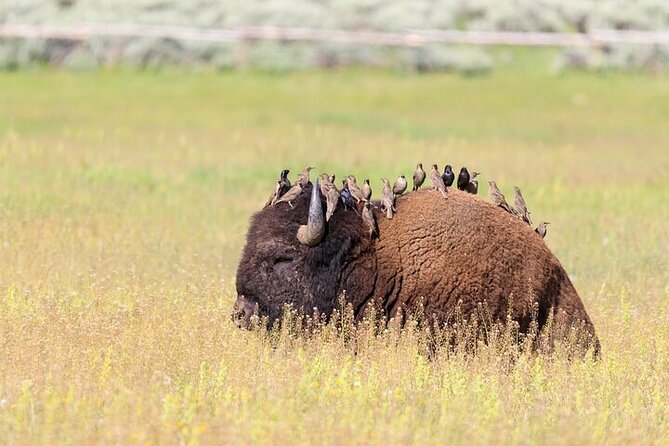
Slough Creek is described as a tributary of the Lamar River, fed by origins in the Absaroka Range. The tour emphasizes that the watershed supports a variety of flora and fauna, and the guide makes multiple stops in the Slough Creek area to track and spot wildlife.
This is a smart move because it widens your shot list. Wildlife doesn’t only hang out in one famous valley. By working Slough Creek and nearby areas, the tour increases the odds that you’ll get great views even if Lamar’s conditions are slower than expected.
And because your viewing tools are included—UHD binoculars and spotting scopes—these “scouting” moments matter. A good guide doesn’t just point. They help you focus fast, track movement, and understand what you’re seeing.
Albright Visitor Center and Roosevelt Arch: history you can stand inside
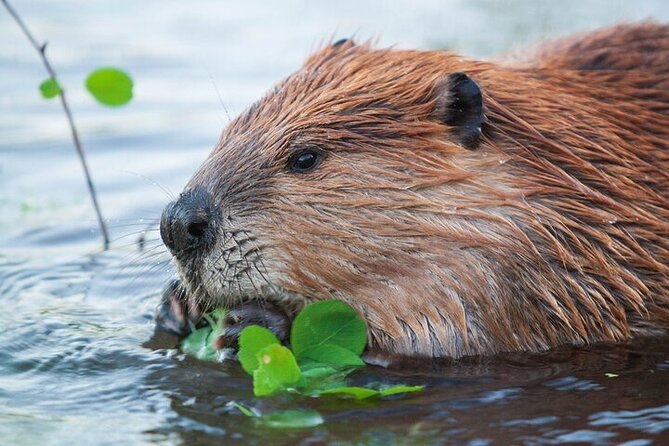
You’ll spend about 30 minutes at the Albright Visitor Center and Museum. The site is housed in a historic structure that previously served as quarters for cavalry troops responsible for protecting the park before the National Park Service system.
That matters because it adds context to the landscape you’re driving through. Yellowstone isn’t only wilderness; it’s also human effort—early protection, early infrastructure, and the ongoing job of managing a place that draws millions.
Then comes Roosevelt Arch (about 30 minutes). It was built in 1903, stands 52 feet (16 meters) high, and is made from hexagonal blocks of columnar basalt. The tour notes that the arch was meant as a grand entrance, though later plans shifted and the official entrance location moved. Still, the arch remains and is listed on the National Register of Historic Places.
This stop is less about sitting and reading, more about getting your bearings. After a long morning of wildlife searching, it’s a nice reset—plus it’s a memorable photo moment without needing a photo-op costume.
Yellowstone River and Paradise Valley drive: the in-between scenes count
Next is a 30-minute stop for the Yellowstone River. The river originates at the Continental Divide and flows through Yellowstone before heading east across Montana toward the Missouri River. The tour highlights that the river supports many species in the Greater Yellowstone ecosystem and is known for an excellent trout population.
For you, that means the stop isn’t only scenic. It’s another opportunity for the guide to spot wildlife and explain habitat connections. Rivers in Yellowstone are wildlife highways, and your guide can often translate what you see—movement, vegetation, shorelines—into where animals are likely to be next.
After that, you travel through Paradise Valley in Montana on the way back toward the north entrance. This is about 1 hour 30 minutes of driving time, and it serves two purposes: you get a break from constant stop-and-go, and you get Montana views while Yellowstone energy cools off for the evening.
What $350 buys you (and what costs extra)
Let’s talk value, because Yellowstone safari pricing can look high until you break it down.
Your base price is $350 per person for a 10 to 11 hour group safari. Included is a professional naturalist guide, a picnic lunch (locally sourced with seasonal ingredients) packed with recyclable and compostable materials, plus snacks and non-alcoholic beverages. You also get UHD binoculars and spotting scopes, which is huge—good optics are often the difference between “I saw movement” and “I understand what that animal was.”
What’s not included is the Yellowstone entrance fee ($20 per person). That’s separate, so your realistic total for many people is $370 plus any optional add-ons. The good news is that the core experience—guide, food, snacks, and wildlife gear—is built into the fee.
Two more value notes:
- The group size caps at 8 travelers, which keeps attention focused and makes it easier to hear the guide.
- The tour includes a mobile ticket, so you’re not spending your morning hunting paperwork.
Practical tips to make the day easier (and better)
Yellowstone is weather-driven, and this tour requires good weather. If conditions are poor, you’ll be offered a different date or a full refund, so don’t stress if you need to switch plans.
Still, you should plan for real field conditions:
- Bring layers. Mornings can be chilly, and later you’ll feel the sun.
- Have rain gear ready even in summer. Water and wildlife both mean damp air sometimes.
- Use the provided optics often. Don’t wait until you’re sure you’ve found something; practice focusing when you stop, so you’re ready fast.
Also, summer is listed as a construction season, and road slowdowns and closures can affect timing. Here’s the best strategy: when you meet your guide, share your top priorities plainly. If you want predators, say so. If you care more about thermal features or waterfalls, say that too. The tour explicitly tailors route decisions around your interests and current sightings.
Finally, pack for a full day away from the hotel. There’s no hotel pickup or drop-off, and you start at the meeting point in Bozeman. If you’re relying on rides, schedule them early so your 6:00 am start doesn’t turn into a morning scramble.
Who should book this Lamar Valley safari?
I think this tour is a strong fit if you:
- want a guided wildlife day with real spotting tools
- prefer a small group (max 8) over big-bus crowds
- like learning while you look—history and geology stops are included
- can handle an early morning and a long day in the field
It may be less ideal if you:
- need a perfectly fixed route with guaranteed stops at every listed site
- hate driving around because the plan can adjust based on road and wildlife conditions
- aren’t comfortable with cold-to-warm temperature swings and possible weather
If you’re traveling with kids, the tour notes children 8 and older can participate, and if a child needs a car seat, bring it. That’s worth planning for early.
Should you book this Yellowstone Wildlife Safari from Bozeman?
If your Yellowstone trip depends on seeing wildlife, I’d seriously consider booking. The tour is built around the right logic: start early, spend real time in Lamar Valley, and use scopes and UHD binoculars to turn sightings into something you can actually identify. Add in the naturalist guidance, a picnic lunch, and a group size that stays small, and you’ve got a day that feels practical, not just scenic.
One last tip: the tour is commonly booked about 86 days in advance, so if your dates matter, don’t wait for a “maybe we’ll do it” moment. Book early, set expectations with your guide about what you most want to see, and then let the day work on its own.
FAQ
What time does the tour start, and where do I meet?
The safari starts at 6:00 am at Café M777, E Main St, Bozeman, MT 59715.
How long is the Yellowstone wildlife safari?
It runs about 10 to 11 hours.
Is the Yellowstone National Park entrance fee included?
No. The Yellowstone entrance fee is $20 per person and is not included.
How big is the group?
The tour has a maximum of 8 travelers.
What wildlife viewing gear is included?
You get UHD binoculars and spotting scopes.
Does the tour offer hotel pickup and drop-off?
No. Hotel pick-up and drop-off are not included, and the tour ends back at the meeting point.