REVIEW · BOZEMAN
Yellowstone Winter Wildlife Safari from Bozeman
Book on Viator →Operated by Yellowstone Safari Co. · Bookable on Viator
Yellowstone in winter feels like a different planet. This safari from Bozeman mixes serious wildlife searching with geothermal stops that keep the morning interesting even before you spot anything big. You’ll roll through the park’s north side with a naturalist guide, UHD binoculars, and spotting scopes so you can actually see what everyone came for.
Two things I like right away: the guide-led focus on spotting and learning, and the day-long comfort plan with local snacks plus a locally sourced picnic lunch that’s built for cold-weather pacing. You also get a small group experience, with a maximum of 8 people, which makes it easier to hear what your guide is calling out and to get a look through the scopes.
One possible drawback to consider: this trip needs good weather, and you should budget for the Yellowstone entrance fee (it’s not included in the $350 price). Also, there’s no hotel pickup, so you’ll need to get yourself to the meeting point early.
In This Review
- Key highlights (the stuff that matters)
- First Light Safari: What a 7:00 am Winter Start Does for You
- Small Group Size (Max 8) and the Wildlife-Spotting Tools
- Geothermal Warm-Ups at Mammoth Hot Springs and the Petrified Tree
- Water and Wildlife Corridors: Tower Fall and the Yellowstone River
- Slough Creek to Lamar Valley: Where Winter Wildlife Shows Up
- Albright Visitor Center and Roosevelt Arch Stops for Park Context
- Finishing in Paradise Valley and the North Entrance Gate
- Food, Snacks, and Bathroom Breaks: Staying Comfortable All Day
- Price in Plain English: $350 plus the Park Fee
- Who Should Book This Yellowstone Winter Wildlife Safari
- Should You Book from Bozeman on This Safari Route?
- FAQ
- How long is the Yellowstone Winter Wildlife Safari from Bozeman?
- What time does it start, and where is the meeting point?
- What’s included in the $350 price, and what costs extra?
- Do you provide binoculars or spotting scopes?
- Is hotel pickup or drop-off included?
- Is this tour suitable for kids, and what if the weather is poor?
Key highlights (the stuff that matters)
- Max 8 travelers means more attention and easier scope time
- Spotting scopes + UHD binoculars help you see wildlife at a distance
- Geothermal first stops (Mammoth Hot Springs, Petrified Tree) make the day feel full even before sightings
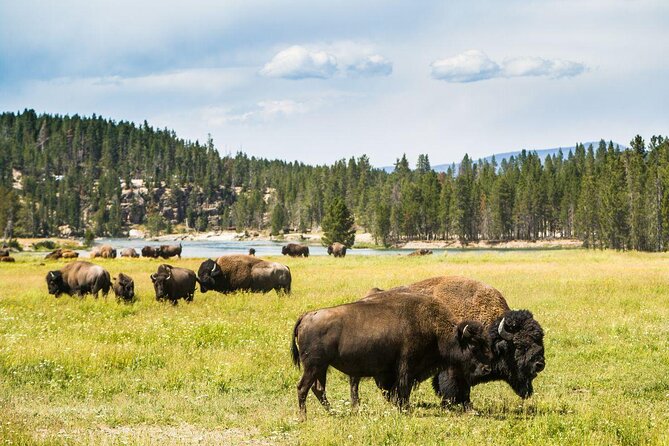
- Lamar Valley and Slough Creek are built into the route for prime winter wildlife time
- Local snacks and a seasonal picnic lunch keep energy steady during long drives
First Light Safari: What a 7:00 am Winter Start Does for You
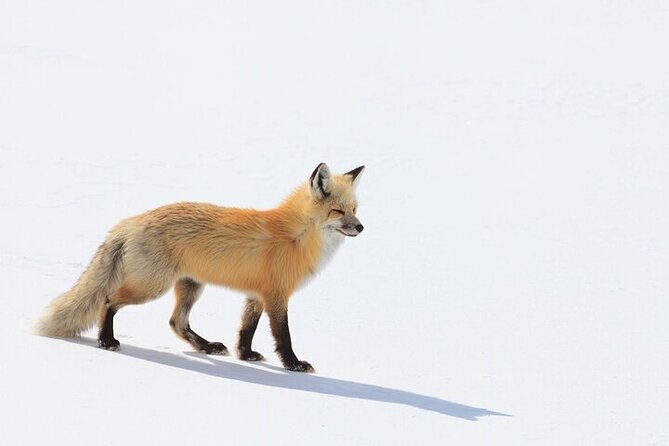
This safari kicks off at 7:00 am from Café M777 on East Main St in Bozeman. Winter mornings in Yellowstone are when animals are most active and when the light helps you pick out movement at a distance. The early start also means you’re not fighting late-day crowds or sitting around waiting for daybreak.
The day is long, about 10 to 11 hours, but the schedule is paced so you’re not just driving. You stop for geothermal sights, fossils, waterfalls, and visitor-center history, then pivot back into wildlife country.
You can also read our reviews of more tours and experiences in Bozeman.
Small Group Size (Max 8) and the Wildlife-Spotting Tools
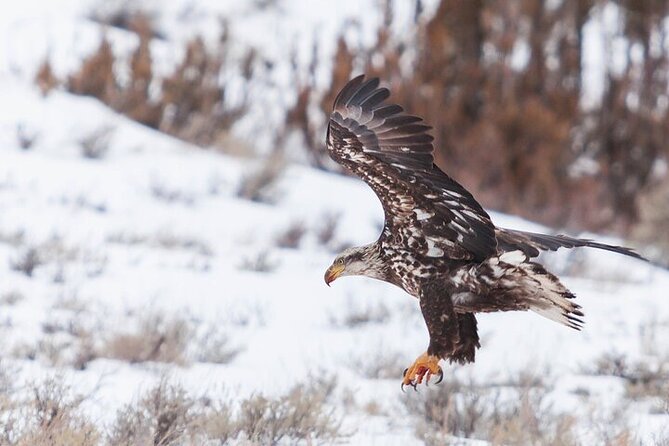
A big part of why this works is the group size. With a maximum of 8 travelers, your naturalist guide can actually manage the “where should we look” moments that make or break a wildlife day. It’s easier to hear instructions, easier to line up for the scope, and less chaotic when wildlife pops up where you least expect it.
The tour includes UHD binoculars and spotting scopes, which is exactly what you want in winter when animals are often far off and snow can make tracking harder. In past experiences with this company’s guides, people have described the difference scopes made for seeing wolves and other animals without guessing at distance. I’d treat the scopes as part of the experience, not a bonus.
Geothermal Warm-Ups at Mammoth Hot Springs and the Petrified Tree
Before you chase wildlife, you get a strong geology opener. The first stop is Mammoth Hot Springs, a set of thermal features known for its travertine terraces formed by mineral deposits. Winter color can look especially striking because algae in the pools creates brownish and reddish tones. Your guide will explain the geological and historical meaning of what you’re seeing, which helps it click beyond just “pretty steam.”
Next comes the Petrified Tree, a natural relic that looks totally out of place. In today’s Yellowstone it’s easy to wonder how a redwood ended up here, and the answer is time: petrified trees like this point to a volcanic and forested past. The stop is short, but it’s a good reminder that Yellowstone isn’t only about wildlife; it’s also about deep time.
What to watch for: in winter, geothermal areas can be slick and windy. Wear layers you can adjust fast, and keep your eyes on where you step, not just what you’re staring at.
Water and Wildlife Corridors: Tower Fall and the Yellowstone River
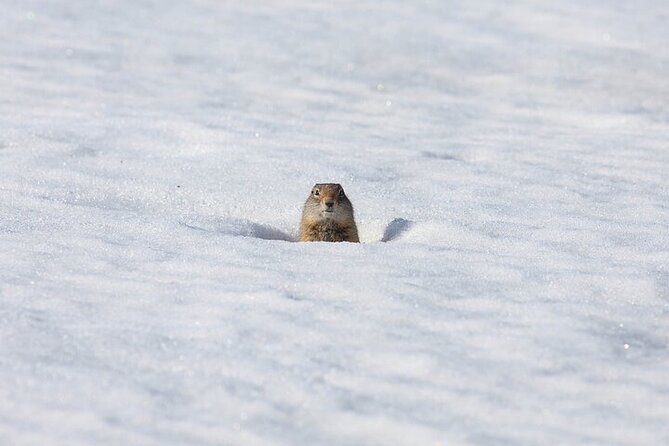
After geothermal and fossil stops, the route shifts to water. Tower Fall is named for the rock pinnacles at the edge of the falls. Erosion slowly pushes the falls upriver over time, and the guide uses that idea to connect motion you can’t see instantly with landscape change you can witness over years.
Then you move to the Yellowstone River, a major corridor for wildlife. This river starts in the Absaroka Range at the Continental Divide, then flows north through the park and out toward the Missouri River basin. In winter, rivers can act like travel paths and feeding zones, so your guide builds in a stop here with wildlife scouting in mind, along with context about how the river supports the greater ecosystem.
Why this stop is useful for you: it breaks the day into smaller “focus blocks.” Even if wildlife sightings are quiet in one area, the guide can explain what to look for at water edges, where animals often pause and where you might spot tracks or movement.
Slough Creek to Lamar Valley: Where Winter Wildlife Shows Up
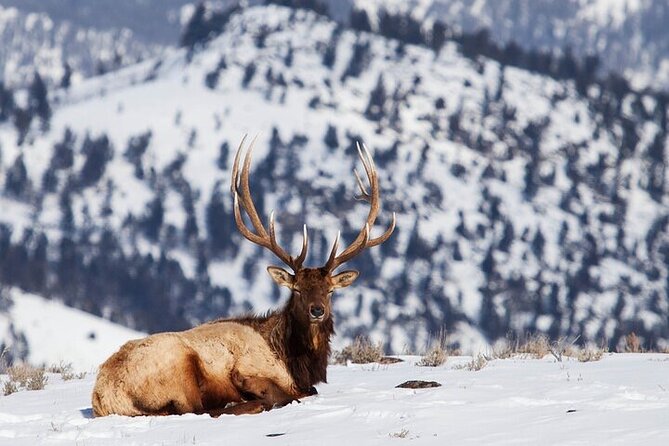
This is the heart of the safari route. Slough Creek is a tributary feeding into the Lamar River system, and the tour makes multiple stops in this area to track and spot wildlife. The point isn’t to rush; it’s to use the winter terrain intelligently, scanning for where animals are likely to move and where they’ll pause.
Then you spend time in Lamar Valley, often called the Serengeti of North America. Your guide makes several stops here, and the idea is simple: Lamar Valley tends to offer broad sight lines and frequent wildlife activity, so you spend more time where success chances are higher.
In the feedback for this safari style, the biggest “this is why I paid” moments tend to center on how efficiently guides locate wildlife and how much easier it becomes to actually see it through scopes once it’s found. Some guides also share short clips and scope views afterward, which can help you relive sightings when winter light is long gone.
Quick practical tip: dress for standing still. Winter wildlife watching means long pauses—your job is to stay warm enough that you can keep looking.
Albright Visitor Center and Roosevelt Arch Stops for Park Context
Not every Yellowstone moment needs to be a wildlife “hit.” The tour includes Albright Visitor Center and Museum for a solid hour. The building has history tied to cavalry quarters that predate the National Park Service era. It’s a good time to ground yourself: learn the park’s story, then carry that knowledge into the driving and spotting.
Next you visit Roosevelt Arch, built in 1903 and standing about 52 feet (16 meters) high. It’s made of hexagonal columnar basalt blocks and sits at the north entrance near Gardiner. The arch was meant to be a grand entrance, but later changes shifted other features and relocation plans. What matters on your day: it’s a recognizable Yellowstone landmark, and your guide uses it to connect the park’s early vision to the place you’re walking into now.
These stops add variety. You get breaks from scanning and a chance to ask questions while you’re still inside the flow of the day.
Finishing in Paradise Valley and the North Entrance Gate
The route includes time back at the Yellowstone north entrance gate. The tour lists the north gate entrance time as part of the day, and the Yellowstone National Park entrance gate fee is not included. So it’s worth planning for that extra cost so it doesn’t surprise you at the end of an already full day.
Then comes Paradise Valley, a corridor that runs north-south between the Gallatin Range and the Absaroka Range. It also links to the Yellowstone River, which is part of why wildlife shows up here too. You get about 1.5 hours for sightseeing and wildlife searching, plus guide context on the valley’s mix of habitat and geology.
Why this ending helps you: by the time you reach Paradise Valley, you’ve already had a full morning of geology and a solid stretch of wildlife country. This final segment keeps the momentum going without simply repeating the earlier stops.
Food, Snacks, and Bathroom Breaks: Staying Comfortable All Day
Long winter tours live or die on comfort. This safari includes local snacks to keep your energy up and a picnic lunch sourced locally with seasonal ingredients. Lunch is packaged using recyclable and compostable materials, which is a nice detail if you care about waste.
There are also non-alcoholic beverages, which matters in winter because thirst can sneak up on you even when you don’t feel warm. In the feedback, people praised how guides handle snacks, beverages, and planned bathroom breaks without turning the day into a rushed sprint.
What I’d do as a winter pro: bring an extra layer you can put on fast (for wind), and keep a hand-warmer or similar item ready if you run cold. Even with included snacks, staying comfortable helps you actually enjoy the scanning part.
Price in Plain English: $350 plus the Park Fee
At $350 per person, this isn’t a bargain-basement outing. But it’s also not an expensive-only-for-brand-name kind of day. Here’s what you’re paying for in practical terms:
- A professional naturalist guide who’s there to help you identify what you’re seeing
- UHD binoculars and spotting scopes (equipment that makes wildlife viewing real instead of vague)
- All-day routing through multiple areas on Yellowstone’s north side
- Local snacks plus a locally sourced picnic lunch
- Non-alcoholic beverages
Then there’s the extra cost: Yellowstone National Park entrance fee is $20 per person, and it’s not included. Also, hotel pickup and drop-off aren’t included, so you’ll need to handle transportation to the meeting point.
If you’re comparing options, think about the cost of building this kind of day yourself. A guided scouting route plus the viewing tools can be worth it, especially if you have limited time and want to maximize your odds in winter. The “maximum 8” factor also matters for value, because you’re not getting shipped into a huge group.
Who Should Book This Yellowstone Winter Wildlife Safari
This safari fits best if you want a structured, guided winter day with real wildlife focus. It’s a great match for people visiting Yellowstone for the first time, anyone who doesn’t want to guess at where to look, and families who want learning plus sightings without turning the day into a logistics puzzle.
It also suits travelers who care about asking questions. The format gives you multiple opportunities for your guide to explain what you’re seeing, from travertine terraces to the logic behind picking scouting stops in wildlife corridors.
If you’re a solo adventurer, you’ll still get the attention and scope time that small-group tours promise. If you’re traveling as a couple or small group, it’s a nice way to spend a full day without feeling rushed or spread out.
Should You Book from Bozeman on This Safari Route?
Yes, if you want a winter Yellowstone day that’s built around seeing animals and understanding what you’re looking at. The combination of small group size, UHD binoculars/spotting scopes, and frequent stops in wildlife-prone areas makes this feel like a serious wildlife outing, not just a scenic drive.
I’d book with extra confidence if wildlife sightings are your top goal and you’re okay paying the entrance fee on top of the tour price. And if you can handle dressing for cold and standing still in winter wind, you’ll get a lot out of the scope-driven viewing.
One reason to pause: if weather looks questionable, be ready for the tour to be offered a different date or a full refund. That’s not a dealbreaker, but winter can be unpredictable.
FAQ
How long is the Yellowstone Winter Wildlife Safari from Bozeman?
The tour runs about 10 to 11 hours.
What time does it start, and where is the meeting point?
It starts at 7:00 am and meets at Café M777, E Main St, Bozeman, MT 59715.
What’s included in the $350 price, and what costs extra?
Included are the naturalist guide, UHD binoculars and spotting scopes, local snacks, and a locally sourced picnic lunch plus non-alcoholic beverages. The Yellowstone National Park entrance fee ($20 per person) is not included.
Do you provide binoculars or spotting scopes?
Yes. You get UHD binoculars and spotting scopes as part of the safari.
Is hotel pickup or drop-off included?
No. Hotel pickup and drop-off aren’t included.
Is this tour suitable for kids, and what if the weather is poor?
Children 8 and older may participate. If a child needs a booster or car seat, you should bring it. The experience requires good weather; if it’s canceled due to poor weather, you’ll be offered a different date or a full refund.