
REVIEW · NEW DELHI
4-Day Private Delhi, Agra & Jaipur with Ranthambore Tiger Safari
Book on Viator →Operated by Taj Mirror Tours · Bookable on Viator
Four days, three cities, and real tiger odds. This private route stitches together Delhi landmarks, a sunrise Taj Mahal, and Jaipur’s key sights, then adds the morning push for a Ranthambore tiger safari.
What makes it especially interesting is the way the transport and guiding are packaged. You get a live guide, an air-conditioned car, and the long drives between cities are handled so you’re not stuck coordinating buses, tolls, or parking. You’ll also be able to swap in the 3- or 5-star hotel option if you want comfort without extra planning.
I like the clean, practical setup for first-time India. It’s still a lot to pack in, though, and the big sites mean early starts (especially for the Taj Mahal), plus monument tickets and safari charges are not included.
In This Review
- Key Highlights at a Glance
- First Impressions: What Makes This 4-Day Route Work
- Price and Value: What You’re Really Paying For
- Private Transport Details That Save Your Trip
- Day 1 in Delhi: Monuments, Markets, and Mughal Giants
- Day 2: Sunrise Taj Mahal and Agra Fort Time
- Day 3 Ranthambore: Morning Safari and the Fort Within the Park
- Day 4 Jaipur: Hawa Mahal, City Palace, Jantar Mantar, and More
- The Best Part: How the Guides and Chauffeur Improve the Day
- What Might Feel Tough (And How to Handle It)
- Who This Tour Suits Best
- Should You Book This Private Delhi–Agra–Jaipur + Ranthambore Safari?
- FAQ
- Is round-trip transportation from Delhi included?
- Do I need to pay for monument tickets?
- Is the Taj Mahal included in the tour price?
- Is the tiger safari in Ranthambore included?
- Are hotels included?
- Do I get a guide?
- Is this tour private?
- What should I bring for monument visits?
- Can I cancel and get a full refund?
Key Highlights at a Glance
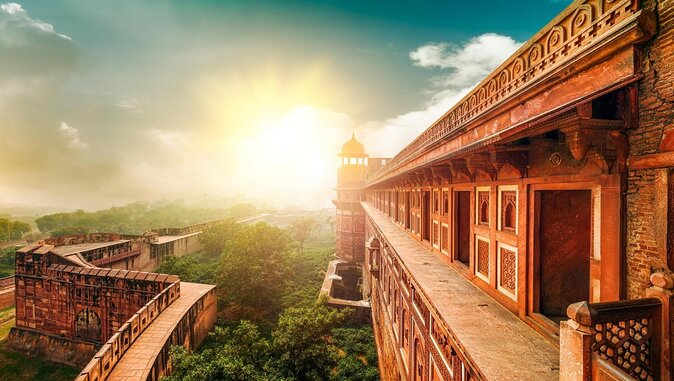
- Private chauffeur and air-conditioned vehicle: all parking, tolls, and fuel are included, so the itinerary stays on track
- Sunrise Taj Mahal focus: timed for the most photogenic light, with a full morning structure
- Ranthambore morning tiger safari: the day starts in the park when wildlife activity is often best
- Golden Triangle route, streamlined: Delhi to Agra to Ranthambore to Jaipur, with overnight stops handled
- Live guide in multiple languages: you get explanations on the spot, not just a printed checklist
First Impressions: What Makes This 4-Day Route Work
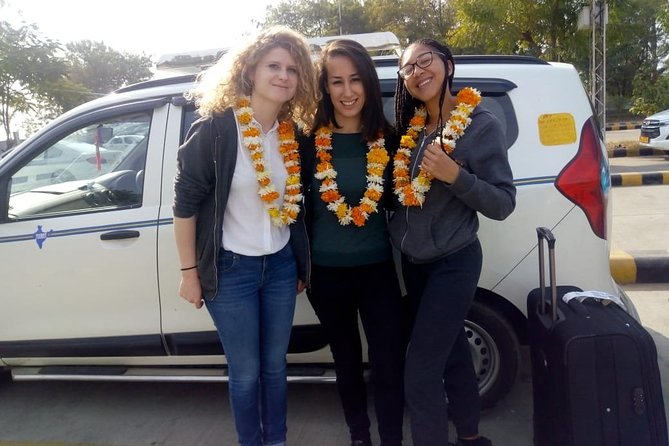
This tour hits the classic India starter set: Delhi, Agra, and Jaipur, then it changes gears with Ranthambore’s wild side. The best part is that the driving is not an afterthought. You’re taken care of start to finish with a private, uniformed chauffeur and an air-conditioned vehicle built for comfort through long road stretches.
I also like how the experience is guided rather than self-guided. You’ll have a live tour guide through most of the major stops, which matters because the stories behind the buildings help you notice details instead of just snapping photos. On top of that, the itinerary is designed to reduce decision fatigue: you arrive, you see what matters, you move to the next place.
The one thing to keep in mind is the day load. Four days can feel like a sprint when you’re doing Qutub Minar, Lotus Temple, Mughal forts, sunrise Taj Mahal, forts in Agra, a tiger safari morning, then Jaipur’s big-city monuments all in sequence. It’s doable, but it’s not a slow vacation.
You can also read our reviews of more tours and experiences in New Delhi.



Price and Value: What You’re Really Paying For

The tour price is $259 per person, and it’s priced around a big chunk of “hard logistics.” That includes round-trip transportation from Delhi, parking fees, tolls, fuel, and the day-to-day travel between cities. For many people, that’s where budget tours often fall apart: you pay less on paper, then end up spending time and money on separate transport, tickets, and transfers.
What’s not included is equally important. Monument and major attraction tickets are listed as approximately USD 60 per person, and they’re on you. The safari is described as a shared tiger safari on jeep/canter if you choose that option, but tiger-safari entry tickets are not listed as included in the base inclusions. So your true all-in cost depends on how you select the hotel and safari options and how you spend on entrances.
If you want value that feels predictable, this is one of the cleaner setups: your biggest travel costs are handled, and your time is spent sightseeing rather than bargaining for logistics. If you prefer a trip where every museum ticket and entry fee is included, you’ll need to budget separately here.
Private Transport Details That Save Your Trip
This tour’s “secret sauce” is the transport package. You’ll have pickup and drop-off arranged in Delhi (and the drop-off can be arranged in Jaipur instead if you prefer). Your vehicle is air-conditioned, and the route between Delhi → Agra → Ranthambore/Sawai Madhopur → Jaipur → Delhi is done by a private chauffeur.
That sounds like normal tour stuff, but it matters in India where city traffic and route timing can turn even short transfers into a headache. Having fuel, tolls, and parking built into the plan helps you keep the schedule, especially when you’re moving on tight site windows like sunrise Taj Mahal.
The tour also notes mobile tickets and a live guide in multiple languages. In practice, that means fewer friction points when you arrive at the big monuments and need to check in with an ID. You should plan to carry a valid photo ID.
Day 1 in Delhi: Monuments, Markets, and Mughal Giants
Day 1 is a full Delhi introduction, with a mix of iconic landmarks and quick stops that help you get oriented fast.
Qutub Minar is first on the list. It’s one of Delhi’s signature sights, and the Qutub complex includes other structures you can glance at during your visit, like Alai Minar and Alai Darwaza. You’ll want comfortable shoes here because you’ll be on foot for a while, and the weather can make walking feel longer than expected.
Next is Lotus Temple, known for its striking architectural form. It’s often a restful change of pace because it feels more open and modern in design compared with the older Islamic monuments around the city.
Then you hit India Gate, a war memorial in the center of New Delhi. After that, you see Rashtrapati Bhavan and Parliament House from the exterior only. That’s normal for many tours since interior access isn’t permitted, but even exterior views give you a sense of the grand governmental layout created during the city’s planned development.
Lunch is planned in Chandni Chowk, and this is one of the most enjoyable parts of the day. The idea isn’t fine dining; it’s eating real North Indian food in a place that feels like Delhi’s pulse. After lunch, the itinerary continues with Jama Masjid (time-boxed) and then Red Fort (exterior view) before ending with Humayun’s Tomb.
A practical tip: wear shoes you can easily slip on and off. The tour info specifically warns you’ll need to remove them at temples and sacred places, and you’ll be doing that multiple times during the day.
Day 1 ends with a transfer to Agra for overnight. That’s a big jump, but it sets you up for the best part of the trip on Day 2: Taj Mahal at sunrise.
Day 2: Sunrise Taj Mahal and Agra Fort Time
Day 2 is built around the sunrise Taj Mahal experience. The itinerary encourages an early start so you get the light when it’s most flattering and the crowds are usually more manageable. You’ll have about three hours here, which is enough time to appreciate the white marble work and still not feel completely rushed.
After Taj Mahal, you’ll go to breakfast at a local restaurant with a choice of Indian or continental. This is a smart break because it gives you energy before you tackle the Mughal sites that follow.
Then you visit Agra Fort, a UNESCO World Heritage Site tied to Mughal power and architecture. Even with limited time, you can read the fort like a timeline: it’s built to feel imposing and functional at the same time.
Next is Itmad-ud-Daula, often called the Baby Taj. It’s smaller than the Taj Mahal, but it’s still famous for its intricate design details. If you like architectural craftsmanship, this is a good “second look” site that helps you see how Mughal builders refined ornamentation beyond the most famous monument.
Finally, you leave for Sawai Madhopur / Ranthambore for overnight. This shift is important: Day 2 is about history and stonework; Day 3 is about moving through the forest looking for living wildlife.


Day 3 Ranthambore: Morning Safari and the Fort Within the Park
Day 3 starts with the morning tiger safari in Ranthambore National Park. The itinerary frames it as a 3-hour safari guided by expert naturalists, moving through forests, grasslands, and lakes in search of the elusive tiger. You should treat this as a wildlife-viewing experience, not a guarantee of sightings. The value is the habitat experience plus the expertise of the people guiding the search.
After the safari, you’ll enjoy breakfast and then visit Ranthambhore Fort, perched on a hill within the park. The fort is tied to the 10th century Chauhan dynasty and blends Hindu and Mughal architectural influences. It’s a nice contrast to the safari: you go from the unpredictability of wildlife to a human-made landmark that has shaped the region for centuries.
Then you move on to Jaipur for overnight. That road transfer can feel long, but the schedule keeps you from rushing the next day’s Jaipur highlights at full speed.
Day 4 Jaipur: Hawa Mahal, City Palace, Jantar Mantar, and More
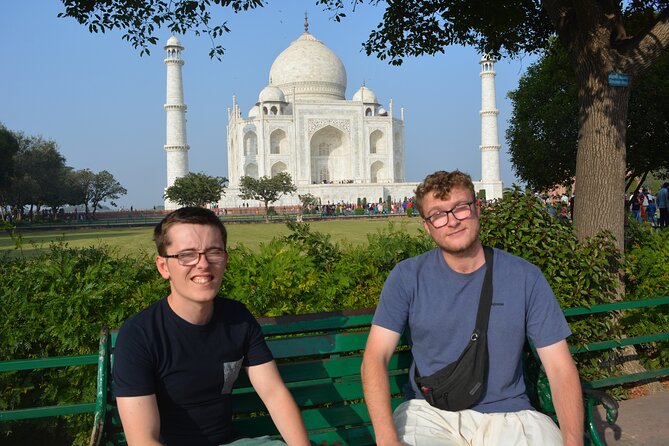
Day 4 is a classic Jaipur highlights sweep, with enough variety to satisfy both first-timers and people who love details.
First is Hawa Mahal (Palace of Wind). You’ll have time to see the famous façade with its 953 jharokhas (latticed windows). This stop is short enough to keep it from feeling like a checklist item, but it’s detailed enough that you can spot why the design mattered for royal women to observe street life.
Next comes City Palace, a major complex in Jaipur’s center with courtyards, gardens, and palace buildings. It’s also tied to the Maharaja and royal administration of the region, so it’s one of those stops where a guide really helps you connect the architecture to the people who used it.
Then you head to Jantar Mantar, the 18th-century astronomical observatory by Maharaja Jai Singh II. This is one of the most different kinds of sights on the whole trip: it’s science you can walk around. You’ll see massive instruments like the Samrat Yantra and other structures designed to measure time and celestial positions.
Lunch is planned after Jantar Mantar at a local restaurant serving Rajasthani food. This is the spot to refuel before the last stretch of afternoon sights.
Then you visit Jal Mahal, the Water Palace sitting in the middle of Man Sagar Lake. It’s a visual stop that works best when you’re not trying to race. Next is Albert Hall Museum, described as the oldest museum in Rajasthan and known for Indo-Saracenic architecture. It’s a good closing museum because it provides a different angle on culture after the monuments.
Finally, you depart to Delhi in the evening, with drop-off arranged to your desired location.
The Best Part: How the Guides and Chauffeur Improve the Day
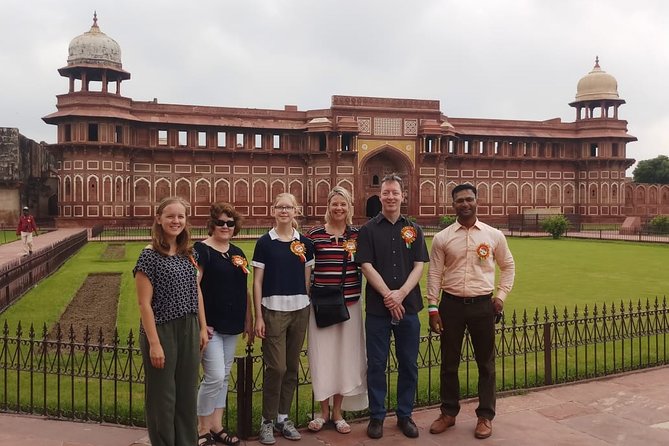
One theme that stands out with this kind of tour is how much less stressful it feels when your driver and guide are on the job all day. The itinerary assumes you’ll travel between major sites without constant stops to figure out logistics, and that’s where the chauffeur matters.
The supplied feedback you have includes examples of a driver named Neeraj Sharma being praised for calm handling of traffic and staying on time. There are also mentions of a guide named Kamran doing sunrise Taj Mahal explaining well and even helping with photos. I can’t promise who you’ll get, but the structure suggests you’re meant to have a real human lead, not a handoff.
If you like tours where someone explains what you’re seeing while you walk, this setup fits. If you prefer total freedom with no guidance, you might feel the pace is a bit scheduled.
What Might Feel Tough (And How to Handle It)
This itinerary is packed. The toughest moments are usually the transitions: the long drives after you’ve already done major walking, and the early starts built around sunrise Taj Mahal and the morning safari.
Also, remember the tour explicitly lists monument tickets as not included (around USD 60 per person). That means budgeting ahead, because you don’t want to hit the day with a surprise payment.
Lastly, the safari is described as a shared safari option on jeep/canter if you choose it. Shared viewing changes the dynamic a bit: you’re following wildlife viewing rules and the vehicle schedule, not moving independently.
If you want to feel less rushed, consider the optional 3- or 5-star hotels. The difference isn’t just comfort. Better rest helps you stay sharp for sunrise and for the day-long sightseeing blocks.
Who This Tour Suits Best
This tour is a strong match if you want to see India’s most famous highlights without spending your trip on planning. You’ll like it if you’re traveling in a group that wants shared experiences, and if you value having a private vehicle to manage the distance.
It also makes sense for first-timers who want the Golden Triangle route done in a logical order, plus an add-on wildlife moment in Ranthambore. The day-by-day structure is built to avoid backtracking.
If you’re a hardcore wildlife pro who wants multiple safari days and lots of quiet time, you might find the safari is too short and too scheduled. But if you want a single, high-quality wildlife outing plus the big cultural stops, this fits the bill.
Should You Book This Private Delhi–Agra–Jaipur + Ranthambore Safari?
I’d book it if you want a single organized package that handles Delhi traffic headaches, long intercity drives, and guided sightseeing, while giving you a real shot at a Ranthambore morning safari. The $259 price works especially well when you consider that transport logistics are included, and when you know you’ll already be paying for entrances and optional hotel upgrades anyway.
Skip it if you hate early starts, or if you strongly prefer to build your own routing with zero ticket surprises. Also, if tiger safari inclusion is a top priority, make sure you select the safari option clearly, since the listing describes it as dependent on the chosen option.
If you’re okay with a fast but well-organized pace, this is the kind of trip that leaves you feeling you got the essentials, plus something wild and memorable.
FAQ
Is round-trip transportation from Delhi included?
Yes. Round-trip transportation from Delhi is included, with pickup and drop-off arranged in Delhi (and you can request drop-off in Jaipur instead).
Do I need to pay for monument tickets?
Yes. Monument tickets are not included and are listed as approximately USD 60 per person.
Is the Taj Mahal included in the tour price?
The Taj Mahal is part of the itinerary, but admission tickets are not included.
Is the tiger safari in Ranthambore included?
A tiger safari on a shared jeep/canter is included only if you choose the relevant option. Safari admission is not listed as included in the base inclusions.
Are hotels included?
Hotel accommodation is included only if you select the 3- or 5-star option, with breakfast included in that case.
Do I get a guide?
Yes. The tour includes a live tour guide with various foreign languages.
Is this tour private?
Yes. It’s private, and only your group participates.
What should I bring for monument visits?
Bring a valid photo ID for monument check-in, and wear comfortable shoes since you may need to remove them at temples or sacred places.
Can I cancel and get a full refund?
Yes. You can cancel up to 24 hours in advance for a full refund. If you cancel less than 24 hours before the start time, the amount paid is not refunded.