REVIEW · NAIROBI
3-Day Masai Mara Jeep Safari
Book on Viator →Operated by Bencia Africa Adventure & Safaris · Bookable on Viator
Masai Mara hits hard, even on day one. This 3-day jeep safari out of Nairobi is a solid first-timer budget option because it bundles the basics you’d otherwise juggle: transport, park fees, and a tented camp/lodge with full meals. You also get a small group (six or fewer), so your guide can actually focus on spotting wildlife and adjusting the day.
What I like most is the rhythm: multiple game drives across two full days, including a Mara River session geared toward hippos and crocodiles. I also like that the guiding is practical and results-focused, with top feedback calling out drivers such as George and Titus for finding animals closely for better photos. One thing to consider: the trip can be bumpy on rough tracks, and one review noted an older vehicle breaking down for a few hours—rare, but it’s the kind of logistics hiccup you should mentally allow for.
If you want a high-value safari that feels organized, this does the job. You’ll trade total flexibility for fewer headaches, and you’ll put your time where it counts: on the move in the reserve, not stuck planning.
In This Review
- Quick hits before you book
- Getting from Nairobi to Masai Mara: Rift Valley viewpoint and Mount Longonot stop
- One practical note
- Your Day 1 game drive: settling in by late afternoon
- What could feel off
- Day 2 Big Five chase: why the Mara road network helps you see more
- The guide effect is real
- Mara River: the hippos and crocs window you don’t want to miss
- How to think about this stop
- Optional Maasai village visit: cultural time plus expected gratuities
- Keep it respectful
- Camp life in the tented camp/lodge: hot showers, full board, and food that matters
- A practical thought
- Vehicle comfort and logistics: value in a modified-safari vehicle, with one real risk
- How I’d plan around that possibility
- Price and value: what $980 covers (and how to judge if it’s a good deal)
- The trade-off
- Packing and comfort: how to make the most of a fast-moving 3-day schedule
- Should you book the 3-Day Masai Mara Jeep Safari?
- FAQ
- How long is the 3-Day Masai Mara Jeep Safari?
- What does the tour cost per person?
- What time do pickups start in Nairobi?
- What’s the group size limit?
- What’s included in the price?
- Are meals included during the safari days?
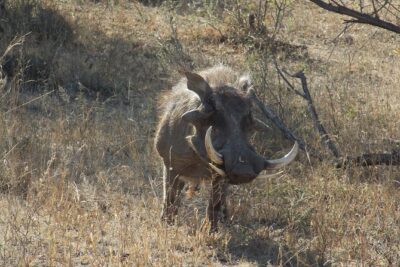
- What wildlife are you aiming to see?
- Do you do a Mara River stop?
- Is a Maasai village visit included?
- Can I cancel for a full refund?
Quick hits before you book
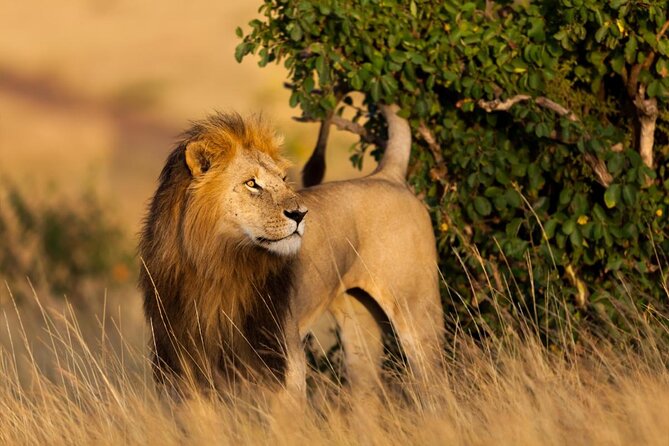
- Up-close savannah time: multiple game drives spread across Day 1 afternoon and two more major blocks on Days 2
- Big Five pursuit built into the schedule: Day 2 is structured around trying for lion, leopard, buffalo, rhino, and elephant
- Mara River window for hippos and crocs: a dedicated drive with emphasis on migration-related sightings
- Rift Valley viewpoint + Longonot stop: quick picture break plus a peek at Mt. Longonot on the drive out
- Small-group feel (max six): easier spotting, more attention from your guide, and less chaos in the vehicle
- Meals and park access included: full board at the camp/lodge plus park fees, so your budget stays predictable
Getting from Nairobi to Masai Mara: Rift Valley viewpoint and Mount Longonot stop
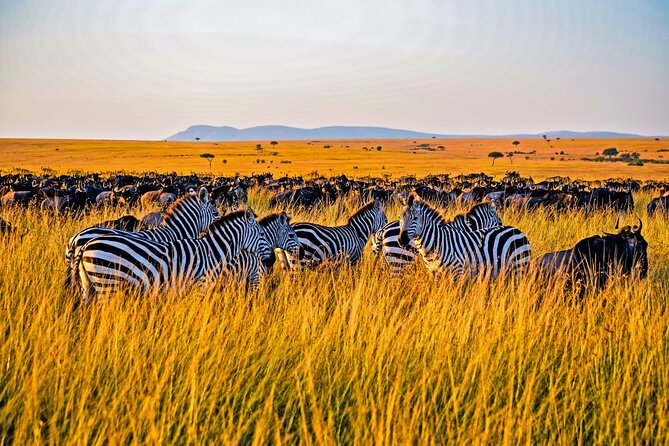
Day 1 is all about getting out of the city and into safari mode without wasting your whole day on transfers. Pickup happens in Nairobi in the morning, and you’ll get your exact pickup time after you confirm where you’re staying. The tour also lists a start time of 7:30 am, so plan for an early start and be ready for a straightforward meet-and-go.
Right after pickup, you head toward the western Great Rift Valley with a short stop at a viewpoint for pictures. It’s not a long stretch—just enough to get your bearings and snap a few shots before the long drive settles in. After that, the itinerary includes a stop at Mount Longonot National Park. You’re not there for a hike; it’s more of a quick roadside chance to spot the mountain—an area that’s associated with a volcano that’s currently dormant.
The drive continues toward Narok town, where lunch is served around noon. That matters for one simple reason: when you’re doing a multi-day safari, you want fewer surprises about meals and timing. Then the day finally turns into actual safari time with arrival at the Masai Mara area around 3 pm, check-in at the tented camp/lodge, and a first taste of the reserve before evening.
You can also read our reviews of more tours and experiences in Nairobi.
One practical note
If it’s been rainy recently, expect that roads and tracks can get rough. One review described heavy rain making the drive brutal and bumpy, but it also credited the driver’s skill—George came up specifically—for keeping things under control. Bottom line: you’ll enjoy the day more if you’re comfortable with jeep-safari travel, not expecting airport-smooth roads.
Your Day 1 game drive: settling in by late afternoon
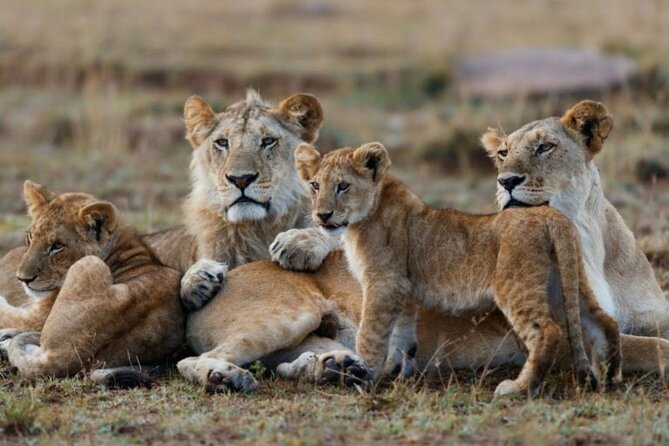
Once you check in around 3 pm, you don’t sit around waiting for tomorrow. You get an afternoon game drive where your guide actively looks for animals and birds, and you’re taught what to watch for beyond just spotting motion.
This is a smart way to start for first-timers. Many people think they need a full day, but an afternoon drive can be surprisingly effective because animals move differently as temperatures shift. Plus, you get a chance to see how your guide works—how they read the terrain, scan for movement, and manage the jeep so you’re not just passing the same spots.
The day ends with returning to the camp around 6:30 pm. You’ll have a hot shower, dinner, and then sleep overnight at the tented camp/lodge. That hot shower detail is small, but it’s the kind of practical comfort that makes the rest of the trip feel worth it.
What could feel off
If you’re expecting a slow, leisurely first day, you might find it packed. You’re moving from pickup to viewpoint to mountain stop to lunch to check-in to a drive, all before the first night. For most people it’s fine—just don’t book this if you’re looking for pure downtime.
Day 2 Big Five chase: why the Mara road network helps you see more
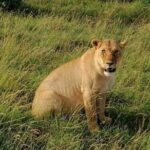
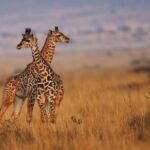
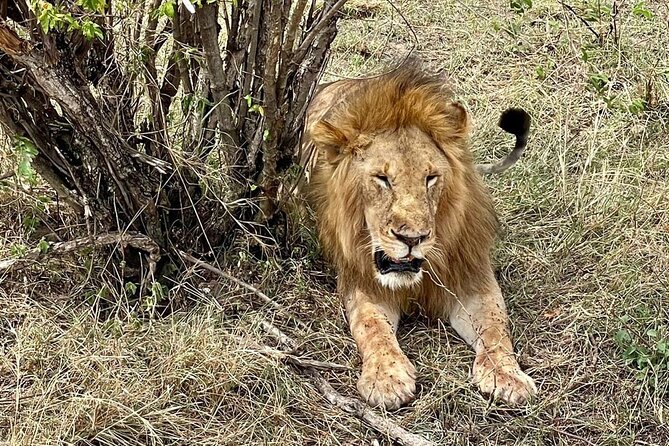
Day 2 is the heart of the safari. You’ll start with breakfast at the camp/lodge, and by 8 am you head out with picnic lunches for a long game-drive push. This day is geared toward trying for the Big Five: lion, leopard, buffalo, rhino, and elephant.
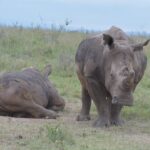
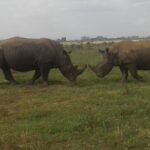
Here’s why this matters for your expectations. Big Five sightings aren’t guaranteed—no safari can promise that. But the schedule is built for maximum chances: early departure, long time on the tracks, and lots of searching. Also, the Masai Mara is described as having an extensive road and track network, which means you’re not stuck far away. That can make a difference for both photography and how long you can spend with an animal once you find it.
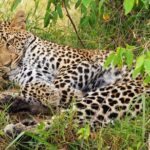
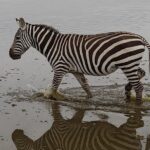
The terrain is rolling savannah grassland, and your guide’s job is to keep the jeep positioned for visibility while also respecting safe distances and animal behavior. Your viewing style here is close-range and practical: your guide identifies what you’re seeing and explains behavior and way of life, not just the species name.
Then in the afternoon you shift toward the Mara River drive for hippos and crocodiles. Your Day 2 ends back at the camp with dinner and another overnight.
The guide effect is real
This safari stands or falls on the drive skill. In top feedback, drivers like Titus are praised for knowing where to find animals and for getting the jeep close enough for great photos. That’s not luck you can book—it’s the result of guide experience and time in the reserve. When that clicks, your “Big Five day” can feel like it’s working hard for you.
Mara River: the hippos and crocs window you don’t want to miss
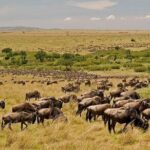
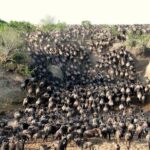
After lunch planning on Day 2, you get a dedicated game drive to the Mara River. This is described as a point of migration, with guides emphasizing the chance to spot crocodiles and hippos. The river session is scheduled for about two hours.
Two hours might sound short on paper, but it’s actually a good pacing choice in the middle of a full day. You’ve already driven heavily, and this becomes a more focused “hunt the sightings” block. When hippos and crocodiles are active, you want time to spot their patterns and wait for the right moment rather than rushing constantly.
Lunch on Day 2 happens after the river viewing window, around 1 pm, with picnic-style pacing. Then the safari keeps moving toward more sightings (or, in lucky cases, a final chance at the Big Five before the day’s close).
How to think about this stop
If you care about classic East African safari icons, this is where they show up. If you’re more into cats, don’t worry—you can still find lions and leopards during game drives—but the river block is specifically built for crocs and hippos, so it earns its place in the itinerary.
Optional Maasai village visit: cultural time plus expected gratuities
On the way back toward Nairobi, there’s an optional Maasai village visit. The itinerary gives you an option to visit a Maasai village for about an hour, and it notes that gratuities are typically given to Maasai people, around $15 per person.
The tour pricing also lists an optional cultural village visit for $20 per person. That might sound like a double line item, but in practice you’re paying for access/entry to the cultural experience and also planning a gratuity that goes directly to people you’re visiting. Since the exact split can vary by day and setup, your best move is to ask your guide what’s included in the $20 choice before you pay anything.
Keep it respectful
This kind of visit is time-limited, so go in with the mindset of learning rather than collecting photos. Bring small notes for conversations, listen more than you talk, and follow the lead of your guide on when it’s okay to take photos.
Camp life in the tented camp/lodge: hot showers, full board, and food that matters
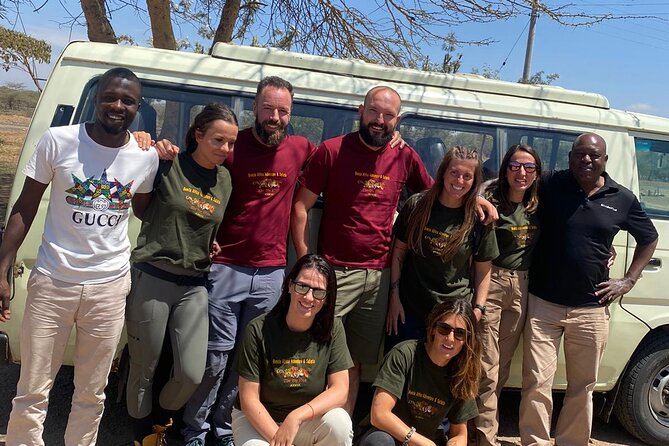
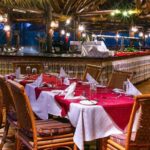
You’re not just sleeping in the middle of nowhere—you’re included in full board at the camp/lodge, with breakfast, lunch, and dinner included. That means your food timing stays predictable across the safari days.
A detail worth calling out: the itinerary specifically mentions a hot shower after the first day’s drive, which can be a big morale boost after a long day in the vehicle. Even if you only get one great shower during the trip, you’ll feel it.
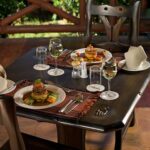
Food quality is another place where this safari can surprise you. One review praised the cook, John, for delicious meals and for catering to specific dietary needs. That doesn’t mean every camp setup will match, but it does suggest that when you tell your provider about dietary needs in advance, you have a real chance of getting looked after.
A practical thought
Because lodging is already included, your budget focus shifts to what you truly control: drinks, tips, and any optional experiences like the cultural village visit. That makes it easier to decide without constantly doing extra math mid-trip.
Vehicle comfort and logistics: value in a modified-safari vehicle, with one real risk
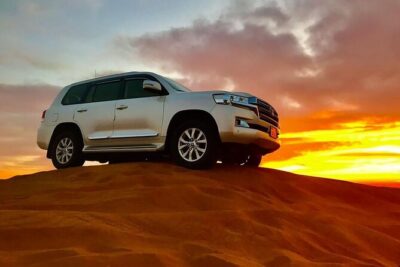
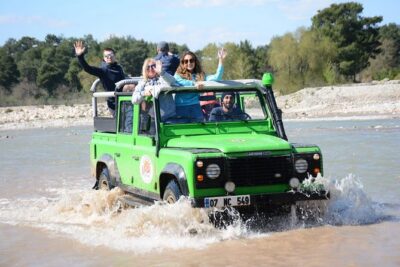
You travel in a modified-safari vehicle with hotel/airport pickup and drop-off in Nairobi. The group is kept small, maximum six travelers, which you’ll feel in how the vehicle operates. Less crowding can mean better sightlines and fewer “who’s blocking who” moments when the animals show up.
That said, jeep safaris are still jeep safaris. There’s no guarantee the vehicle will feel new and quiet. One review noted the vehicle was quite old and broke down for around three hours during an all-day game drive, which reduced the time available in the park.
How I’d plan around that possibility
- Keep your expectations flexible on drive time.
- Pack patience (and water).
- If you’re prone to motion sickness, bring what you use normally, because the roads can be bumpy when conditions aren’t perfect.
The good news: skilled drivers do a lot to reduce stress. Reviews praised drivers like George and Titus for handling both wildlife-finding and rough terrain. Logistics also came up as solid, with a manager named Benson mentioned for handling itinerary walkthrough and on-time pickup in at least one experience.
Price and value: what $980 covers (and how to judge if it’s a good deal)
At $980 per person for three days, this is positioned as a budget safari for first-timers. The key value isn’t just the sticker price—it’s what the price removes from your to-do list.
Included basics:
- Transport in a modified-safari vehicle, including Nairobi pickup/drop-off
- All park entrance fees
- Full board accommodation at the tented camp/lodge
- Meals: breakfast (2), lunch (2), dinner (2)
When you compare that kind of bundle to trying to piece together a safari yourself, the math often swings in favor of the package, especially if you’re short on time and don’t want the headaches of coordinating transport, park access, and lodging.
The other value factor is time. You’re not spending extra hours figuring out logistics—Day 1 is long enough already. You’ll spend that saved time where it matters: on game drives.
The trade-off
You’re still dependent on sightings. Even with the best planning, you might not see every animal every day. This safari’s strength is that it gives you multiple chances: an afternoon intro drive, a big Big Five-focused day, and a river block.
Packing and comfort: how to make the most of a fast-moving 3-day schedule
The tour runs from early morning through long driving blocks, then into evening camp routines. So you want comfort that works in layers and works in a vehicle.
Here’s what I’d prioritize, without overcomplicating it:
- Comfortable closed shoes for camp walk-around time
- A light layer for mornings and for the vehicle
- Sunscreen and a hat for long open-air spotting
- A small day bag you can keep organized for quick stops
Also, plan for dust. Even when conditions look fine, safaris are outdoors most of the day. Keep essentials in one place so you’re not digging through a suitcase when your guide suddenly stops to scan for movement.
Should you book the 3-Day Masai Mara Jeep Safari?
Book it if you want:
- A small-group safari out of Nairobi with meals and lodging handled
- A schedule that gives you multiple game drive opportunities
- A first-timer-friendly setup where a guide does the hard work of finding wildlife
I’d hesitate if:
- You need a very smooth, luxury-quiet vehicle and can’t handle rough roads
- You’re only interested in a single type of animal and won’t enjoy river viewing for hippos and crocodiles
If you’re choosing a first safari, this one is a strong bet because it balances structure (included meals, transport, park fees) with the main thing you came for: time in Masai Mara on real game drives. And when the guide skills click—as they did for people who praised George and Titus—you’ll feel like you’re getting your money’s worth.
FAQ
How long is the 3-Day Masai Mara Jeep Safari?
It runs for 3 days (approx.).
What does the tour cost per person?
The price is $980.00 per person.
What time do pickups start in Nairobi?
The meeting start time is 7:30 am, and you’ll receive your exact pickup time after confirming your accommodation.
What’s the group size limit?
The tour is limited to a maximum of 6 travelers.
What’s included in the price?
Transport in a modified-safari vehicle (with pickup and drop-off), all park entrance fees, and full board accommodation, plus breakfast (2), lunch (2), and dinner (2).
Are meals included during the safari days?
Yes. Breakfast, lunch, and dinner are included as listed (2 breakfasts, 2 lunches, 2 dinners).
What wildlife are you aiming to see?
On Day 2, the tour specifically tries to find the Big Five: lion, leopard, buffalo, rhino, and elephant.
Do you do a Mara River stop?
Yes. There’s a game drive to the Mara River focused on spotting crocodiles and hippos, scheduled for about 2 hours.
Is a Maasai village visit included?
It’s optional. The tour lists an optional cultural village visit for $20 per person, and it also notes gratuities of about $15 per person are given to Maasai people when visiting the village.
Can I cancel for a full refund?
Yes. You can cancel up to 24 hours in advance for a full refund. If you cancel less than 24 hours before the experience start time, the amount paid is not refunded.