REVIEW · ARUSHA
5-Day private Camping Safari Tour in Tanzania
Book on Viator →Operated by Suricata Safaris · Bookable on Viator
Five days, big cats, and real campsite nights.
What makes this safari special is the private pace and the chance to work through three top Tanzanian parks with Serengeti time that is more than a drive-by. You’ll base out of campsites, do game drives in a private 4×4, and end with the crater views people dream about.
I also like how the schedule stacks wildlife time where it counts. Tarangire sets the tone with elephant density and baobabs, then you land in Serengeti for multiple full-on game drive days. One consideration: you’re camping, so comfort is good, but it’s still an outdoor experience, and the days can run long with lots of driving.
In This Review
- Key highlights you’ll feel on day one
- Entering the safari world from Arusha
- Day 1 in Tarangire: elephants, baobabs, and an afternoon rhythm
- Days 2 and 3 in Serengeti: time on the plains, not just a drive
- Day 4: early drives, then heading for Ngorongoro’s crater edge
- Day 5 in Ngorongoro Conservation Area: the 600-meter descent and Lake Magadi
- Camping safari reality: what you’re really buying with a tent
- Transportation and timing: the private 4×4 advantage
- Price and value: is $2,300 per person worth it
- Who this private camping safari fits best
- Practical tips for your best experience
- Should you book this Tanzania private camping safari?
- FAQ
- Where does the safari start and end?
- How long is the private safari?
- Which national parks are included?
- What time do you depart for Tarangire on day one?
- What wildlife viewing moment happens on the last day?
- Is park admission included?
- What meals are included?
- Is this a private safari?
- What is not included in the price?
- What cancellation options are available?
Key highlights you’ll feel on day one
- Private 4×4 game drives with your own guide, so you’re not stuck waiting your turn
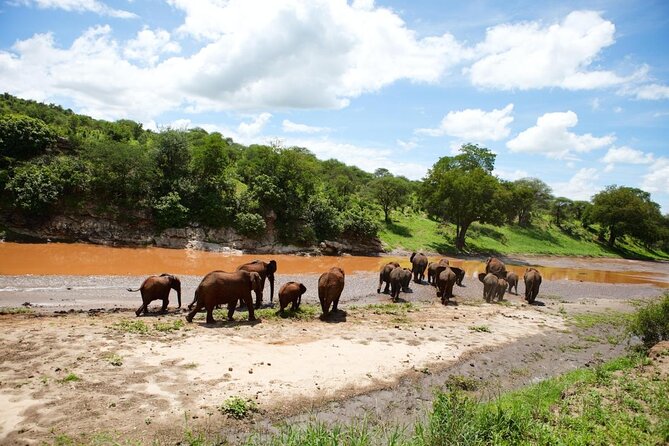
- Tarangire elephants and baobabs as your first big wildlife hit
- Two full days in Serengeti plus another early push for more chances at predators
- Ngorongoro crater descent over 600 meters, where wildlife viewing is intense
- Lake Magadi stop inside the crater area for a very different crater scene
- Meals planned in, with breakfast, lunch, and dinner included during the camping days
Entering the safari world from Arusha
Arusha is a smart starting point. It’s close enough to the parks that your trip doesn’t start with a day of pure transit, and it’s where safari logistics usually get smoother. Your pickup starts from AIM Mall, Mbauda Arusha, and the tour ends back at the same meeting point.
This is a private tour, which matters more than it sounds. Private means you can set a rhythm around your guide’s spotting style and your photo priorities. It also means fewer coordination problems for meal breaks and drive timing.
One more practical note: you’ll be using a mobile ticket for the experience, which helps keep things simple.
You can also read our reviews of more tours and experiences in Arusha.
Day 1 in Tarangire: elephants, baobabs, and an afternoon rhythm
Tarangire National Park is a great first stop because it’s visually iconic fast. You’ll leave Arusha after breakfast, with departure scheduled between 08:30 and 09:00. Then you’ll arrive at the lodge for lunch and slide into an afternoon game drive.
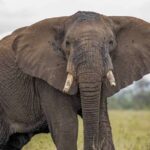
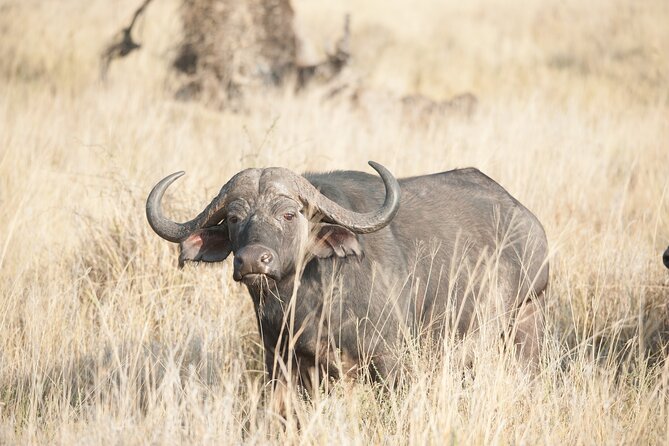
Tarangire’s claim to fame is its high density of elephants and the prevalence of baobab trees. That combination gives you classic safari scenes where the animals feel like part of the landscape instead of just passing through. During the June to November dry season, you can expect large herds of zebra and wildebeest moving through the park, along with cape buffalo.
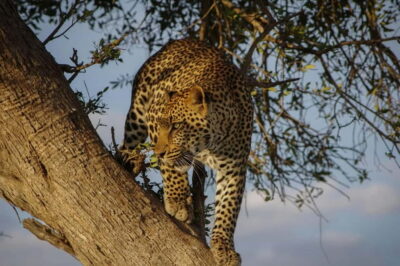
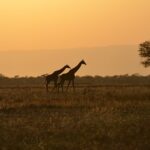
Wildlife variety is strong beyond the headline animals. You might see giraffe and impala, plus smaller residents like dik dik and vervet monkeys. If you’re into spotting, Tarangire also lists banded mongoose and olive baboon. Predator possibilities are real too, including lion, leopard, cheetah, African wild dog, and caracal.
What I like about using Tarangire on day one is the “warm-up effect.” Your eyes learn quickly. You start noticing tracks, movement patterns, and how the driver chooses lanes on the best wildlife routes.
Days 2 and 3 in Serengeti: time on the plains, not just a drive
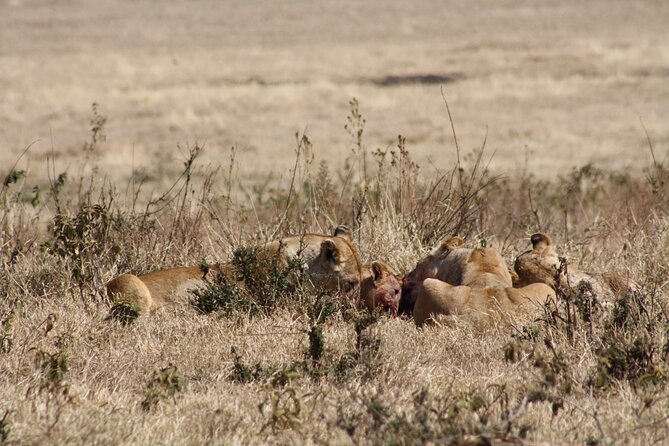
Serengeti is where your safari turns from good to memorable. After an early breakfast on day two, you’ll drive into Serengeti, pass through the Ngorongoro Conservation Area, and have a picnic lunch en route. That day ends with dinner and overnight at Seronera Campsite.
Then you get a full Serengeti day three. After early breakfast, it’s a full day game drive with a picnic lunch. The day is built to run late, and you return to the Seronera campsite for dinner and overnight.
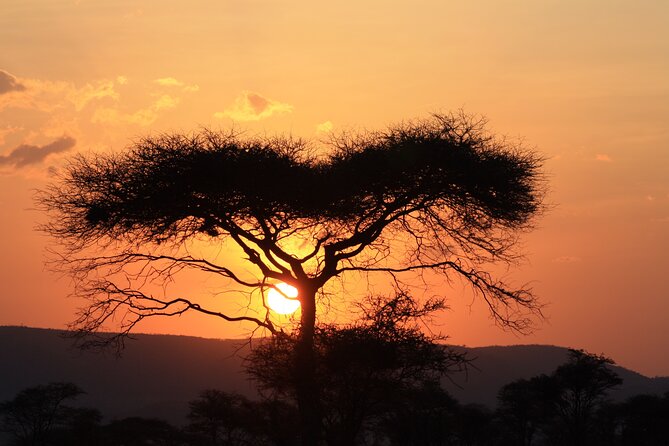
Why this pacing is valuable: predators and big cats don’t follow a timetable. More time in Serengeti increases your odds of different hunt rhythms, different temperature windows, and different animal behavior patterns. It also gives you multiple chances to catch the same family groups in different light.
Even if you’re not focused on a checklist, Serengeti changes by the hour. Morning feeding activity can be different from late-day movement. With this schedule, you’re not relying on a single shot of luck.
Also, your guide can shape the day with real-time spotting. In this safari style, there’s a strong emphasis on interpretation and finding animals where they actually are. You’ll often hear names like Rocky, Gordon, Mandela, Fredy, and Golden associated with spotting and explanations, and that’s a good sign the guiding approach tends to be active, not passive.
Day 4: early drives, then heading for Ngorongoro’s crater edge
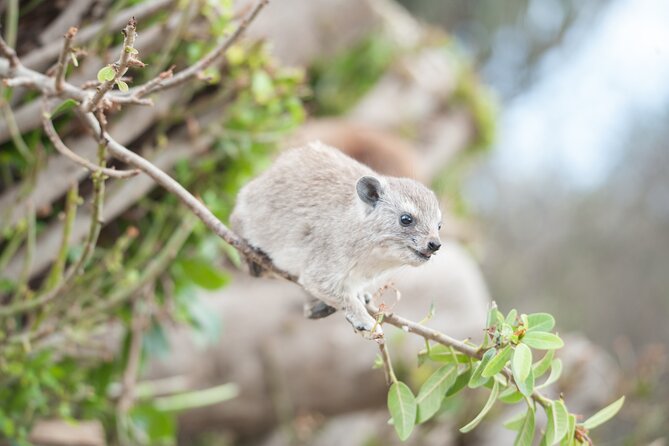
Day four starts with a small morning pause: coffee, tea, and biscuits to refresh you before the next push. Then you go out on an early game drive with lunch boxes, scheduled roughly between 08:00 and 14:30.
After that, you leave Serengeti and head toward the Ngorongoro Conservation Area. You’ll enjoy a game drive en route, then have dinner and overnight at your Ngorongoro-area stay.
This day has a built-in tradeoff. You’re trading part of the day’s driving for positioning near the crater. The upside is you wake up in the right place for the descent on day five. It’s a smart move because Ngorongoro isn’t just another park stop. It’s the kind of viewing that benefits from timing and getting set up properly.
This also means day four feels “busy,” but in a purposeful way. It’s the kind of schedule that keeps the trip moving forward instead of repeating the same park day format.
Day 5 in Ngorongoro Conservation Area: the 600-meter descent and Lake Magadi
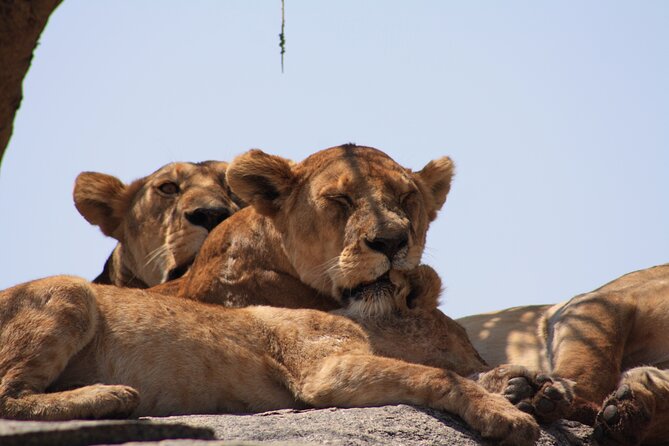
Ngorongoro is the big finish, and the itinerary treats it that way. After an early breakfast of coffee, you descend over 600 meters into the crater to view wildlife.
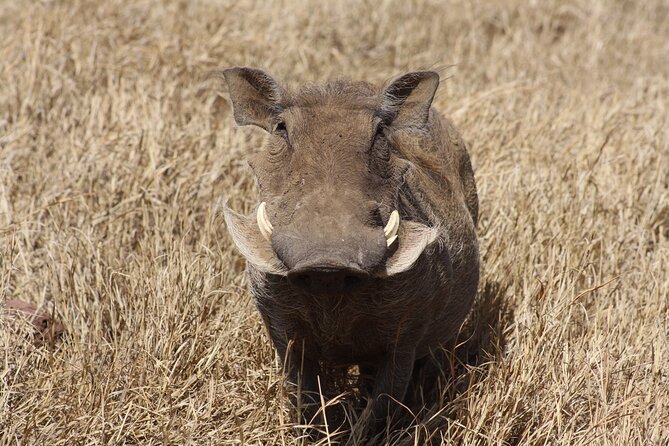
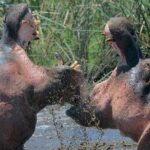
The crater works like its own ecosystem. The data here is specific for a reason: year-round water supply and fodder help support a wide range of animals year-round. You can expect herds of wildebeest and zebra, buffalo and eland, warthog, hippo, and giant African elephants.
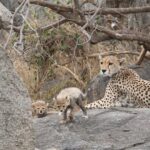
Predator density is also a major draw. The crater lists lions, hyenas, jackals, cheetahs, and the elusive leopard. Leopard sightings are described as sometimes requiring a trained eye, which is exactly where a strong guide makes a difference.
Then you shift to Lake Magadi, a large but shallow alkaline lake in the southwestern corner of the crater. It’s a different kind of scenery and a useful anchor for your day, because it helps break up the mental flow of scanning the same “crater bowl” view.
This is one of those final-day experiences where your photos might not even capture the scale. The crater’s depth changes how animals appear, and the air can feel different once you’re down inside.
Camping safari reality: what you’re really buying with a tent
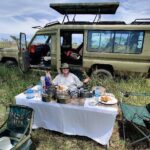
This is a camping safari, so your comfort level comes from how well the camp is set up and how the team runs the day. What’s included is solid on paper: breakfast (4), lunch (5), and dinner (4).
That meal count hints at a practical structure: you’ll have multiple lunches on safari days, plus dinners after game drives when you’re tired and ready for a proper sit-down meal. In the experience you’ll likely find that food is a key part of the trip, not just “fuel.” Names like James and Salim show up in the operator’s story when it comes to cooking and care, which usually points to an approach that takes camp meals seriously.
What to keep in mind: camping means you’ll adapt. It’s not a hotel. Expect basic outdoor living, and plan around cooler mornings and dust days. If you’re the type who hates compromise, consider whether “camping” will feel stressful rather than fun.
The good news is this trip is organized enough that camping stays a comfort, not a hassle. Private vehicle transport and dedicated guiding take a lot of pressure off your day.
Transportation and timing: the private 4×4 advantage
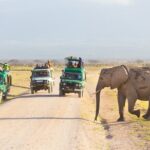
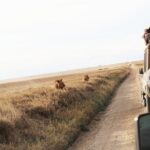
You’ll spend most days in a private 4×4 safari vehicle. That’s not just convenience. It directly affects wildlife time.
Private transport helps in three ways:
- your guide can reposition faster when animals move
- you can build your day around likely sightings instead of matching another group’s schedule
- you can take photo breaks without turning them into a group-event production
The days also reflect real safari timing. Day one’s start is 08:30–09:00, day four’s early drive is set for 08:00–14:30, and day five’s descent is tied to an early morning start. This is about being out during the windows when animals are most active.
If you care about photos, this schedule helps. Different light angles appear early and late, and with a multi-day plan, you get multiple chances to adjust your camera settings to the day’s mood.
Price and value: is $2,300 per person worth it
At $2,300 per person, this isn’t a budget safari. But value in safaris is rarely about the sticker price alone. It’s about how much of your time in Tanzania is actually spent where wildlife happens.
Here’s what you’re paying for that matters:
- Private safari routing across multiple parks
- Multiple full game drive days, not just one or two short excursions
- Park access included as the tour lists admission tickets as free for the days shown
- Meals included across the camping days
- On-the-ground guiding aimed at spotting and explanation, with multiple guides and chefs named in the operator’s feedback history
There’s also a hidden cost to consider: if you tried to recreate this style on your own, you’d still need a good vehicle, park access, timing expertise, and a team to manage camping logistics. Doing it privately usually costs more, but it can also save you from decision fatigue.
So the question becomes: do you want a controlled, guided safari with real time in the biggest wildlife zones? If yes, $2,300 per person starts to look like a “pay once, enjoy more” choice.
Who this private camping safari fits best
This safari fits best if you want the classic Tanzania circuit but with more breathing room than the typical tight schedule. You’ll spend enough time in Serengeti that you can catch different behavior patterns, and you finish with Ngorongoro crater viewing that’s hard to replicate.
It’s also a good match for:
- couples who want private guiding and shared pacing
- families who prefer a structured plan with meals handled
- anyone who likes photography and wants multiple drives across different ecosystems
If you’re traveling only for the easiest, lowest-effort experience, camping might feel like extra work. Also, long driving days mean you should be okay with being in the vehicle a lot.
Practical tips for your best experience
A few simple things will help you get the most out of these days.
1) Plan for early mornings. Several days start with breakfast or refreshments that lead directly into game drives.
2) Pack for dust and sun. Even with good organization, safari conditions can get dry and gritty.
3) Bring a camera strap you trust. The days are long and you’ll be reaching for shots often.
4) Ask your guide about the best time to focus on predators. The itinerary is already set up for predator chances, but your guide’s field judgment is what turns chances into sightings.
And if you have preferences, say them clearly early. This safari style is private, which means your priorities can shape the day.
Should you book this Tanzania private camping safari?
I’d book it if you want a structured, high-impact safari with real time in Serengeti and a crater finish that’s built around the 600-meter descent. The combination of Tarangire elephants, Serengeti multi-day game drives, and Ngorongoro crater density is exactly the kind of “big wildlife trifecta” that pays off when you’re willing to camp and commit to the schedule.
I would hesitate if camping feels like a dealbreaker for you, or if your budget needs to stay flexible. For many people, the decision is simple: you’re not just buying a drive. You’re buying days of guided wildlife time, meals handled, and a private pace that lets your guide actually work.
If that matches your style, this is a strong choice.
FAQ
Where does the safari start and end?
The safari starts at AIM Mall, Mbauda Arusha TZ, Arusha 3424, Tanzania and ends back at the same meeting point.
How long is the private safari?
It runs for 5 days (approx.).
Which national parks are included?
You’ll visit Tarangire National Park, Serengeti National Park, and the Ngorongoro Conservation Area (including Lake Magadi).
What time do you depart for Tarangire on day one?
Departure after breakfast is scheduled between 08:30 and 09:00.
What wildlife viewing moment happens on the last day?
On the last day you descend over 600 meters into the crater for wildlife viewing.
Is park admission included?
The tour notes list admission ticket free for the safari days shown.
What meals are included?
Meals included are breakfast (4), lunch (5), and dinner (4).
Is this a private safari?
Yes. It is a private tour/activity, and only your group participates.
What is not included in the price?
Airport/Departure Tax is not included.
What cancellation options are available?
Cancellation is free up to 24 hours in advance for a full refund. If you cancel less than 24 hours before the start time, the amount paid is not refunded.