REVIEW · NAIROBI
6-Day Private Landcruiser Safari to Masai Mara, Nakuru & Amboseli
Book on Viator →Operated by Lenchada Safaris · Bookable on Viator
The drive from Nairobi into the bush is the whole point of this trip, and it moves fast in the best way. I like that this is a private 4×4 Landcruiser safari with included meals and game drives, so you’re not stuck in a big shuffle. I also love the park mix: Maasai Mara for Big Five odds, Lake Nakuru for flamingoes and rhinos, then Amboseli for elephants and the Kilimanjaro view.
Here’s the one thing to keep in mind: the safari is built on road time between parks, so expect long days in the vehicle. Plan for it with snacks and water, and you’ll enjoy the rhythm instead of fighting it.
In This Review
- Key points before you go
- Nairobi to Maasai Mara: the Rift Valley road trip that frames everything
- Maasai Mara with two full days: Big Five odds and predator timing
- Lake Nakuru National Park: flamingoes and rhino chances in one stop
- A morning at Nakuru, then the jump to Amboseli
- Amboseli full day: elephants, herd energy, and Kilimanjaro if the sky behaves
- The final game drive back toward Nairobi: end with one more hunt
- Private Landcruiser safari value: why the guide matters as much as the route
- Price and logistics: what $2,165 buys you (and what it doesn’t)
- What to pack and how to handle long drives without losing your mood
- Who this safari fits best
- Should you book this 6-day private Masai Mara, Nakuru, and Amboseli safari?
- FAQ
- What time does the safari start, and where do I meet the group?
- Is this tour private?
- Which national parks are included?
- What wildlife highlights should I expect?
- Are park entry fees included?
- What meals are included in the price?
- Is a Masai village visit included?
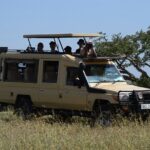
- What transport will I use during the safari?
- What if I need to cancel before the trip?
- What if weather causes the safari to be canceled?
Key points before you go
- Private vehicle, only your group: fewer stops, more control, and more time on the hunt for animals.
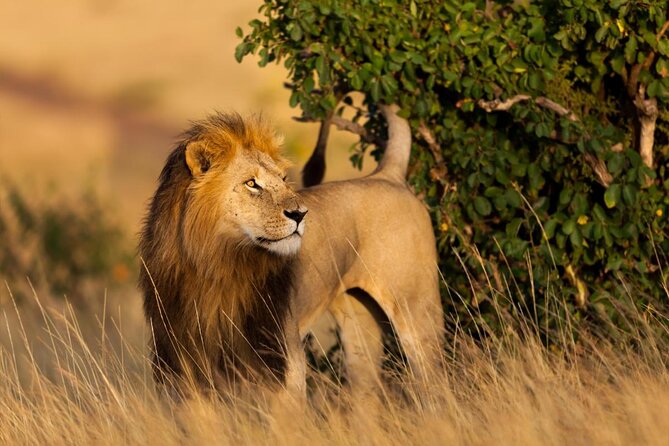
- Maasai Mara focus: serious Big Five and big-cat searching during two full days.
- Lake Nakuru is the show-off: flamingoes in huge numbers plus chances for both white and black rhinos.
- Amboseli’s star is elephants + views: large herds with the chance to see Mt. Kilimanjaro.
- Optional Maasai village visits: cultural add-ons are there if you want them (USD 10 per person).
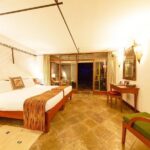
- Budget comfort, but with upgrades: in the feedback, accommodations are often described as better than expected, with some reporting private toilets in tented setups and electricity.
Nairobi to Maasai Mara: the Rift Valley road trip that frames everything
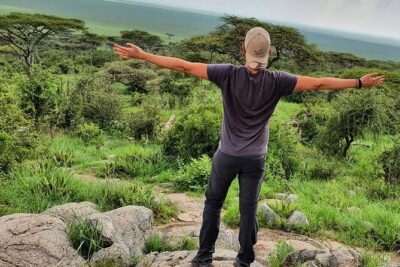
You start at 7:00 am with pickup from your hotel or residence in Nairobi CBD. The first day isn’t just travel; it’s part of the safari mood. You’ll drive toward Maasai Mara with a stop at a Rift Valley viewpoint, where the scenery gives you that quick, wow-this-is-real feeling. Lunch is picnic-style on the way, which is exactly what you want when you’re heading into a long day.
Once you arrive, you check in, then go straight into an afternoon game drive. That pacing matters. If you burn the day waiting around, you lose prime light and animal activity. This itinerary keeps you moving, so you can settle in while the bush is still lively.
What I’d watch for on Day 1: don’t overpack your expectations for the first drive. Early sightings can be great, but the real wins often come from having more time later. Think of Day 1 as your warm-up lap.
You can also read our reviews of more tours and experiences in Nairobi.
Maasai Mara with two full days: Big Five odds and predator timing
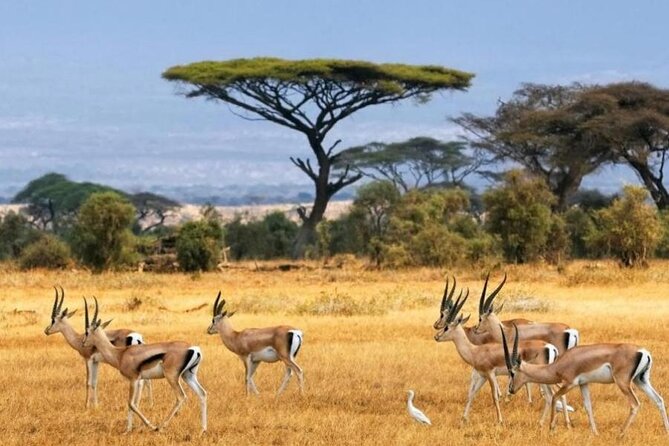
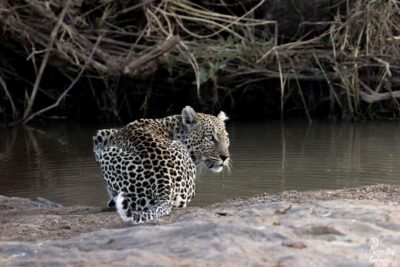
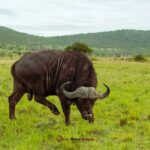
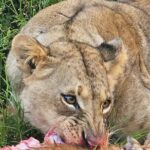
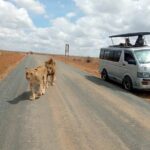
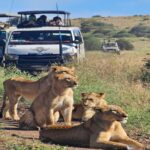
Maasai Mara is the big headline for a reason. You spend the next day doing what safaris are really about: searching. You’ll have a full day in the reserve with picnic lunches inside the area while you look for the Big Five and the cats that make the Mara famous.
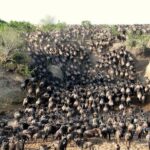
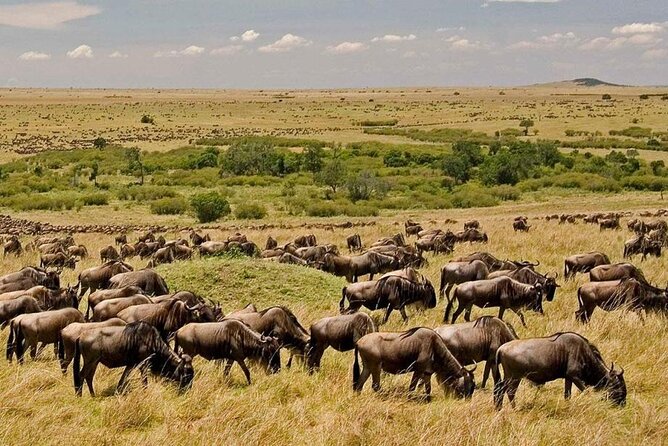
This is also where the timing can feel almost dramatic. In the Mara, wildlife follows patterns. If the season lines up with the huge migration movement, you’ll be in the right place to see the savanna cycle: grazers first, then predators rolling in behind them. Even when you don’t see a full migration event on a single day, the habitat and predator density give you constant chances.
A practical tip: bring patience. Mara animals can be spread out, and great sightings often come from staying flexible—changing viewpoints, watching behaviors, and letting your driver keep hunting. In the tour feedback, guides were repeatedly praised for spotting animals quickly and guiding you to the best angles, including named drivers like Richard, Solomon, Evans, Dickson, and Francis.
Lake Nakuru National Park: flamingoes and rhino chances in one stop
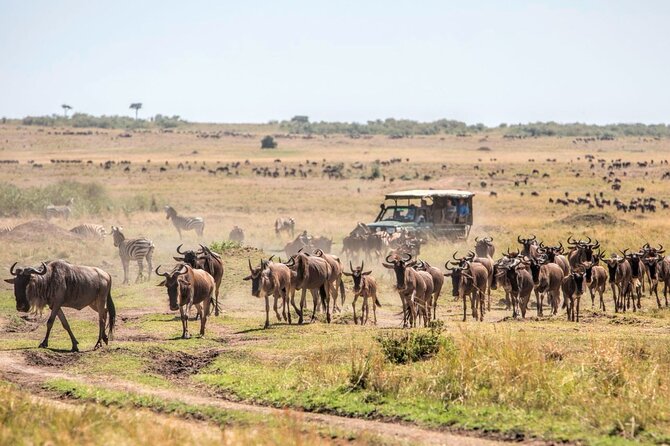
After the Mara, the itinerary shifts gears to Lake Nakuru. You start with an early breakfast, then head out with a picnic lunch on the drive. You arrive in the evening, which helps you avoid trying to do everything in one rushed sitting.
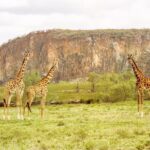
Lake Nakuru is the “wow” park for two reasons you can literally point to: flamingoes and rhinos. The lake attracts massive numbers of waterbirds, and the park is known for both Greater and Lesser flamingoes. It’s also a rhino destination, with the chance to see white and black rhino—a big deal because rhino sightings are never guaranteed anywhere. You’re also in a bird-heavy ecosystem, with lots of terrestrial and water species listed in the tour overview.
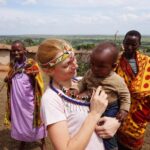
Optional addition: you may have a chance for a Masai village visit (as an add-on, USD 10 per person). If you’re curious about how people live alongside the conservation story, this is the kind of moment that can turn a wildlife trip into a culture-plus-nature trip.
How to make Nakuru work for you: when you arrive, don’t lock into one “spot.” Birds and mammals can show up in different areas depending on the day’s movement patterns. The best plan is to keep scanning and trust the game-drive rhythm.
A morning at Nakuru, then the jump to Amboseli
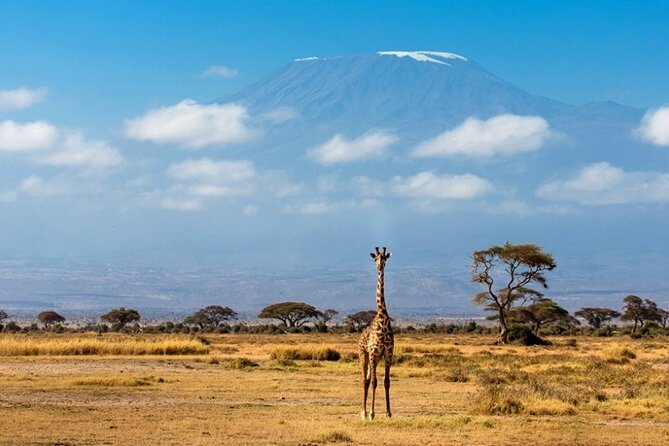
You get an extensive morning game drive after breakfast at Lake Nakuru. Morning drives are often where you catch the animals doing their daily jobs: feeding, moving between cover, and showing up closer to roads. The lake can look almost unreal at times when birds are active, and this is when the flamingoes and waterbirds tend to be most satisfying.
Then you leave Nakuru for Amboseli National Park. The transfer is part of the itinerary’s style: efficient, not slow. Lunch is eaten en route, and dinner happens at your overnight stop in Amboseli.
What to consider here: this is another day with road time. If you tend to feel stiff after long drives, build small resets into your routine—drink water regularly, stand up and stretch during breaks, and keep snacks handy.
Amboseli full day: elephants, herd energy, and Kilimanjaro if the sky behaves
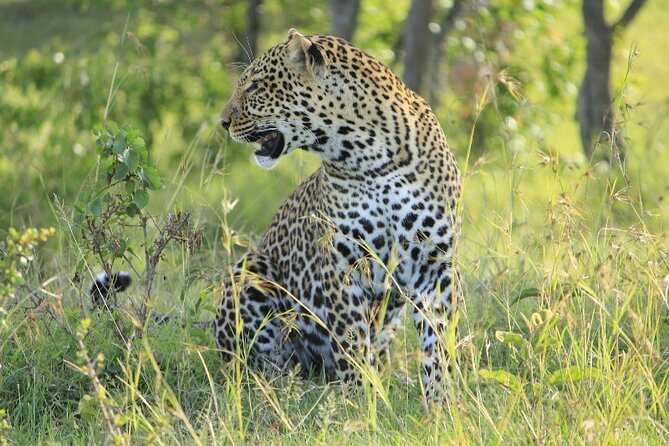
Amboseli is famous for elephants, and this itinerary gives you a full day to enjoy them. After breakfast, you spend most of the day in the park, with time for game viewing plus an optional Masai village tour if you want it.
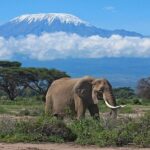
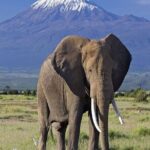
One of the specific highlights in the tour description is the opportunity to view Mt. Kilimanjaro. That doesn’t mean you’ll see it every single day—mountain visibility depends on weather and cloud cover—but having it in the plan is a huge plus for photographers and view-lovers.
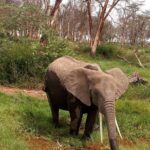
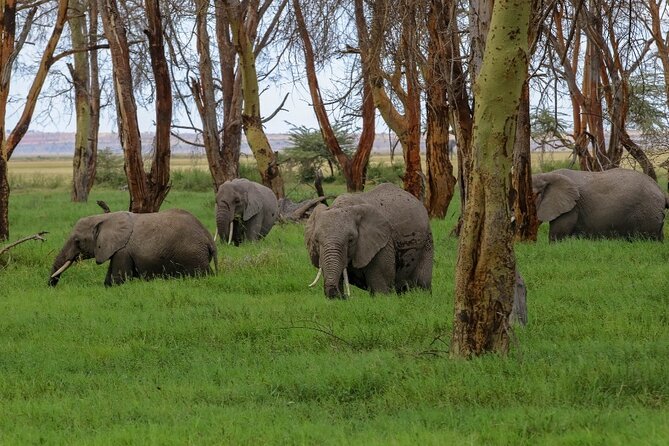
Elephants here aren’t just background wildlife. The park is known for large herds, which changes the feel of the day. When you have multiple elephants moving as a group, the behavior is easier to read: who’s leading, who’s feeding, and how the herd reacts to the environment around them.
If the idea of watching animal interactions for hours appeals to you, this is the day to let your schedule relax a bit and simply follow the action.
The final game drive back toward Nairobi: end with one more hunt
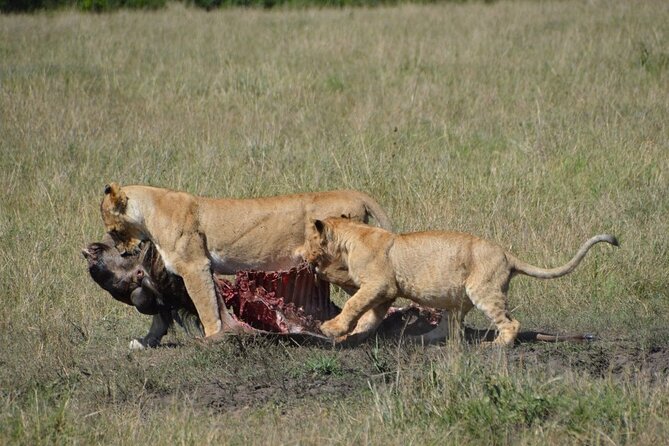
On the last day, you leave camp after breakfast and head out for one last game drive. There’s something satisfying about finishing with a final search rather than just “departing.” You still have a chance to catch a last interesting moment—maybe a predator in the distance, maybe a unique bird, maybe elephants moving under late-day light.
A picnic lunch is served on the route back to Nairobi. The safari ends back at the meeting point, keeping the wrap-up simple.
Private Landcruiser safari value: why the guide matters as much as the route
This is a private safari, meaning only your group participates. That matters more than people expect. In practice, it gives your driver more flexibility: where to stop, when to turn, how long to watch something, and how quickly to adjust when an animal changes location.
In the tour feedback, named guides repeatedly showed up as the reason people felt their trip worked so well—spotting animals, managing sight lines, and keeping you safe and comfortable. Names that came up include Ali, Richard, John, Charles, Dickson, Wilson Mutua, Dennis, Steve, Solomon, Moses, Evans, and Peter. That doesn’t guarantee you’ll get one of these exact guides, but it does tell you the kinds of skills being prioritized: animal finding, driving competence, and calm attention.
What you’ll feel on the ground: even on a budget-style itinerary, the difference between a random driver and a skilled spotter can be the difference between seeing a lot and feeling like you got the best of the day.
Price and logistics: what $2,165 buys you (and what it doesn’t)
At $2,165 per person, you’re paying for a full 6-day private safari circuit through three major wildlife areas, using 4×4 Landcruiser transport and guided game drives. You also get a real meal plan: breakfast (5), lunch (6), and dinner (5), plus picnic lunches during travel days.
That’s the value story: you’re not paying separately for basic meals and you’re not juggling multiple transfers or tour operators. For many people, that reduction in stress is worth real money—especially when you’re trying to see multiple parks without turning your trip into a logistics project.
What’s not included is the optional stuff. The biggest listed extra is the optional Maasai village visit for USD 10 per person. If you want that cultural component, budget for it. If you don’t, you can keep your day focused on wildlife.
Also note the overall “budget” framing: the itinerary is designed to make the safari accessible while keeping it private. Comfort can be totally fine, but you should expect that this is not a luxury lodge-style experience.
What to pack and how to handle long drives without losing your mood
The route between parks is part of the deal. Even when it’s well-managed, you’ll spend a meaningful amount of time in the vehicle. Based on how these trips are paced, here’s what I’d plan around:
- Snacks and water for the longer stretches (the itinerary uses picnic lunches, but having your own backup makes a difference).
- Sunscreen and a hat. Safari light is strong and fast-changing.
- Comfortable layers. Mornings can feel different from midday in East Africa.
- A camera strap you trust. You’ll be at windows and scanning constantly.
- Binoculars if you already own them. If not, you’ll still see plenty without, but they help a lot.
The key mindset: treat the road time as the lead-in to the next game drive. If you fight it, you’ll feel tired. If you plan for it, it becomes part of the adventure.
Who this safari fits best
This 6-day safari is a strong match if you:
- Want a classic Kenya circuit without trying to manage multiple companies.
- Care about wildlife variety: big cats and Big Five in the Mara, flamingoes and rhinos in Nakuru, and elephants in Amboseli.
- Prefer a private setup over joining larger mixed groups.
- Are okay with an itinerary that balances game viewing with transfers and early starts.
It’s also good for couples and solo travelers who want flexibility but still want everything handled. If you’re the type who gets restless with long drives, you’ll enjoy it more if you come prepared for road time rather than hoping every hour is spent in the vehicle actively searching.
Should you book this 6-day private Masai Mara, Nakuru, and Amboseli safari?
If your priority is seeing multiple top parks in a short window, and you want it private with guided game drives and included meals, this is an easy “yes, consider it.” The park order makes sense: Mara for predator action, Nakuru for flamingoes and rhino chances, then Amboseli for elephant time and Kilimanjaro views when conditions allow.
I’d especially recommend it if you value the guide and the spotting skill—because the difference between a good day and a great day is usually who’s driving and where they take you. Guides like Solomon, Evans, Dickson, and Francis showed up in the feedback for exactly that kind of impact.
The only reason not to book is if long road days would ruin your trip. If you can handle transfers and bring snacks, you’ll likely find this itinerary hits the sweet spot between classic safari experience and real value.
FAQ
What time does the safari start, and where do I meet the group?
Pickup starts at 7:00 am from your hotel or residence within Nairobi CBD, with the meeting point listed at Lenchada Safaris, Lakshama House, Biashara St, Nairobi, Kenya.
Is this tour private?
Yes. It’s a private tour/activity, and only your group participates.
Which national parks are included?
The safari includes Maasai Mara National Reserve, Lake Nakuru National Park, and Amboseli National Park, with Nairobi as the start and end.
What wildlife highlights should I expect?
The itinerary is geared toward Big Five and big cats in Maasai Mara, flamingoes plus white and black rhino in Lake Nakuru, and large herds of elephants in Amboseli, with the chance to view Mt. Kilimanjaro.
Are park entry fees included?
The tour information lists admission tickets as free for the featured park days.
What meals are included in the price?
Breakfast is included for 5 days, lunch is included for 6 days, and dinner is included for 5 days.
Is a Masai village visit included?
A Masai village visit is optional. The cost listed is USD 10 per person.
What transport will I use during the safari?
You’ll travel in a 4×4 Landcruiser, with game drives included in that vehicle setup.
What if I need to cancel before the trip?
Free cancellation is available up to 24 hours in advance of the experience start time for a full refund.
What if weather causes the safari to be canceled?
This experience requires good weather. If it’s canceled due to poor weather, you’ll be offered a different date or a full refund.