REVIEW · ARUSHA
6 days Tanzania budget safari
Book on Viator →Operated by safari soles tours · Bookable on Viator
Big cats, cold nights, and the Serengeti magic. This 6-day budget safari stitches together Tarangire, Ngorongoro, and Serengeti from Arusha, with a small group and real Big Five chances. You also get a proper Serengeti sunset experience instead of rushing past it.
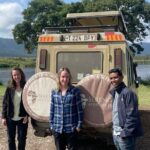
I especially like the max six per jeep setup. That limit matters when you’re trying to line up on a leopard or follow a pride as it moves, because you’re not fighting for space. I also like how the trip leans into camping with included equipment, with food handled well by cooks such as Ibrahim, Dennis, and Action—names that keep popping up in guide/chef feedback.
The main trade-off is that this is camp nights in the parks. You may hear wildlife nearby (including hyenas), and days are long—part of the deal when you want value and more time on the ground, not just a quick hit.
In This Review
- Key things I’d plan around
- Why this parks route hits well on a budget
- Price and logistics: what $2,500 really covers
- Small jeeps, big patience: how group size changes your sightings
- Day 1 in Tarangire: lions, cheetahs, and elephants up close
- Day 2: Ngorongoro crater viewpoints, an optional Maasai village, then Serengeti sunset
- Days 3 and 4: long Serengeti drives and the rhythm of exits
- Day 5 in Ngorongoro: searching for black rhinos
- Day 6 at Lake Manyara: flamingos, hippos, and tree-climbing lions
- Camping life in the parks: food, rangers, and night sounds
- Guides and chefs you’ll hear about again and again
- Who should choose this safari (and who might not)
- Should you book this 6-day budget safari from Arusha?
- FAQ
- How long is the safari?
- What parks are included?
- What is the group size?
- What’s included in the price?
- What costs extra?
- Is pickup offered?
- Do you get a mobile ticket?
- Is free cancellation available?
Key things I’d plan around
- Max six people per jeep keeps wildlife viewing from feeling cramped
- Tarangire to Serengeti to Ngorongoro gives you variety in terrain and animals
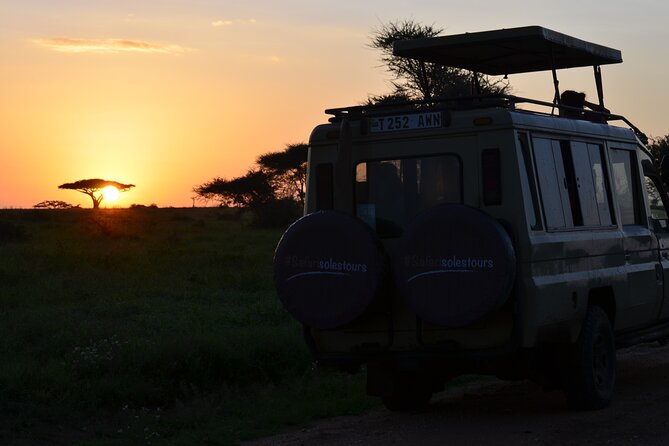
- Serengeti sunset from the Seronera area is built into Day 2
- Ngorongoro black rhino time is the hardest hunt on the route
- Optional Maasai village entrance costs $20 if you choose to go in
- Meals and camping equipment are included, so you travel lighter and eat well
Why this parks route hits well on a budget
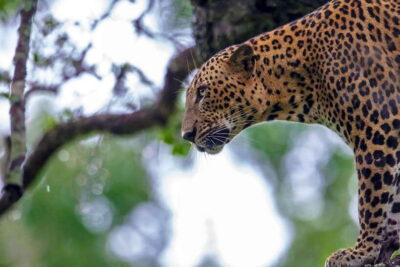
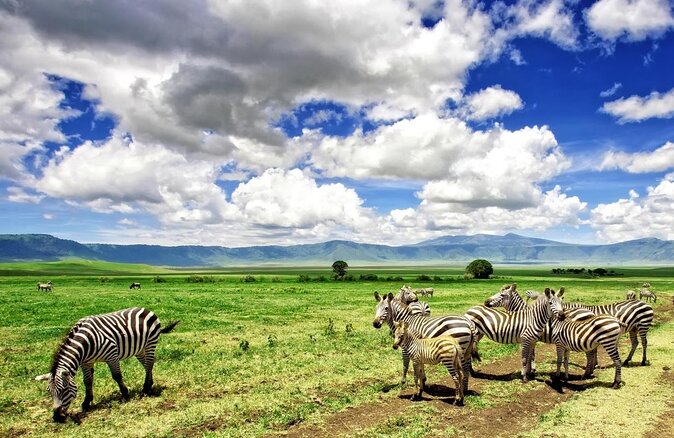
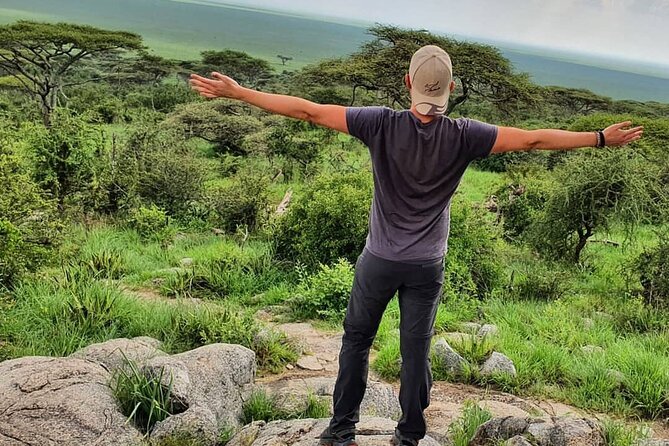
This safari is built around four areas that each “feel” different, which is exactly what you want when you’re doing only six days. Tarangire is the warm-up: big concentrations of animals, plus a strong chance at lions, cheetahs, and leopards early on. Then you pivot to Ngorongoro, where the crater floor compresses wildlife into a smaller space, making sightings easier to manage. After that, Serengeti gives you the classic plains experience—especially around the Seronera area—where movement is constant and predators can pop up at any moment.
Lake Manyara rounds it out with a change of pace: birds on the lake, hippos at the hippo pool, and the famous tree-climbing lions if you’re lucky. This mix keeps you from spending every day staring at the same type of scenery.
You can also read our reviews of more tours and experiences in Arusha.
Price and logistics: what $2,500 really covers
$2,500 per person is a budget-friendly number for a six-day circuit across multiple major parks, and the structure is what makes it feel fair. The trip includes camping equipment, all fees and taxes, and meals for six days: breakfast, lunch, and dinner each day.
Two things to keep straight before you pay attention to anything else: tips are not included, and the Maasai village entrance fee is optional (it’s listed as 20 USD). Also, the safari offers pickup, group discounts, and a mobile ticket—small comforts, but they reduce guesswork when you’re arriving in-country.
One more practical detail: this tour is often booked far in advance (an average of 223 days). If your dates are fixed, plan early so you don’t get stuck choosing a less ideal slot.
Small jeeps, big patience: how group size changes your sightings
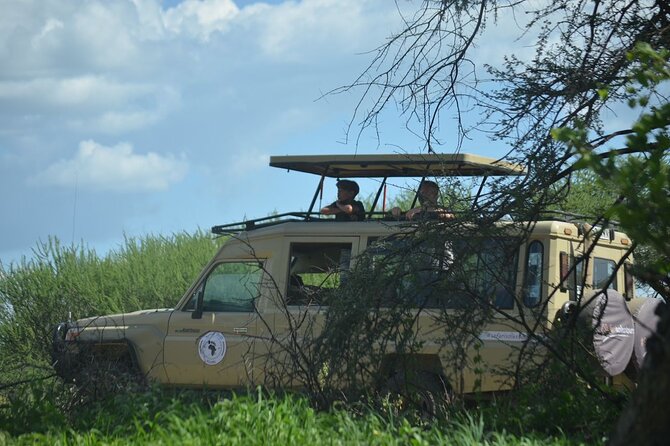
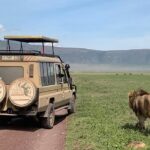
A maximum of six travelers per jeep sounds like a nice number on paper. In real life, it changes how animal viewing works. When your group is small, your driver/guide can react quickly: pull forward, adjust angles, stop where the animals are comfortable, and keep everyone seeing what matters.
It also helps with the mental rhythm of safari. Wildlife doesn’t line up for you. It might be ten minutes of nothing, then sudden movement—like a predator repositioning or herds shifting across the road. With fewer people, you’re less likely to feel boxed in when the action starts.
On this trip, guides are the key, and you’ll likely notice the same themes in feedback: drivers who keep scanning, who listen to your questions, and who work hard to find animals without making the experience feel rushed.
Day 1 in Tarangire: lions, cheetahs, and elephants up close
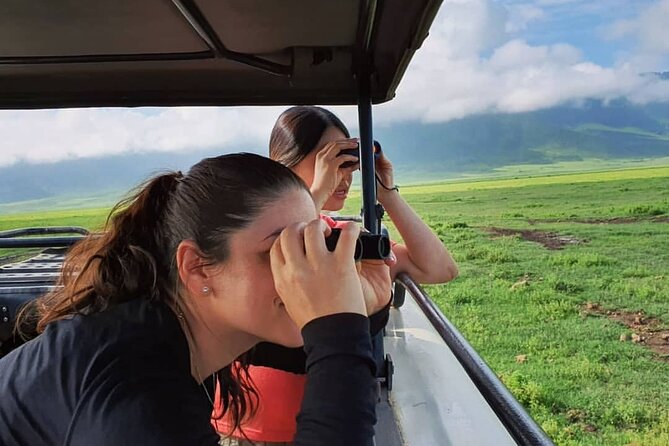
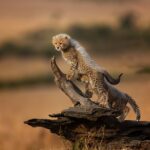
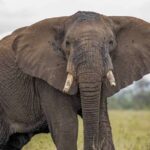
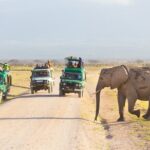
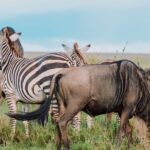
Tarangire National Park is a strong opener. You’ll leave Arusha and drive to the park, then spend a full day on game drives focused on the kind of sightings people travel for: lions, cheetahs, leopards, plus plenty of herbivores like elephants, buffaloes, wildebeest, zebras, and gazelles.
What makes this day valuable is the variety of animal types. You’re not just chasing one category. One moment can be about predators. The next can be about herd behavior—elephants moving to water, or zebras clustering where cover is better. Those patterns help you understand what you’re seeing, even if you’re not a wildlife expert.
The only “consideration” is the pace. This is a full day of driving and scanning, so it helps to bring sun protection and stay patient when sightings are spaced out.
Day 2: Ngorongoro crater viewpoints, an optional Maasai village, then Serengeti sunset
Day 2 starts with Ngorongoro Crater, first from a viewpoint. The listed experience is surreal, and that tracks with what this place does to your brain: the crater view is dramatic, and it helps you understand why the crater floor can feel like a wildlife bowl.
Next, you have an option that adds human context: a Maasai village visit. The entrance fee is 20 USD if you want to go in. Expect cultural storytelling about warrior traditions; the description notes that some practices are historical and have changed, though drinking blood is mentioned as an exception tied to tradition. This is a good moment to go with a respectful mindset and ask what’s current versus what’s remembered.
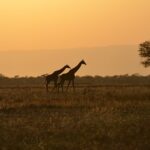
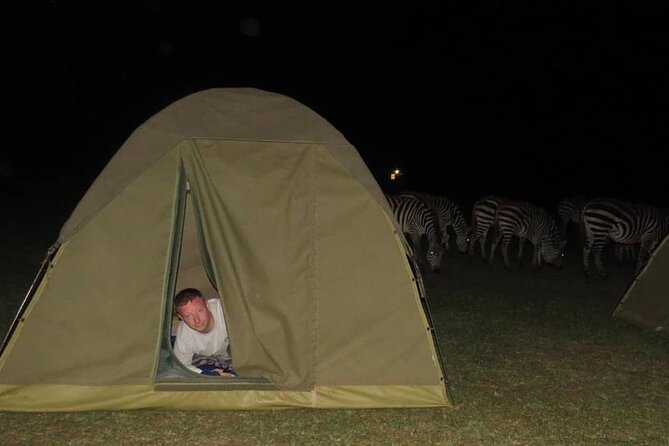
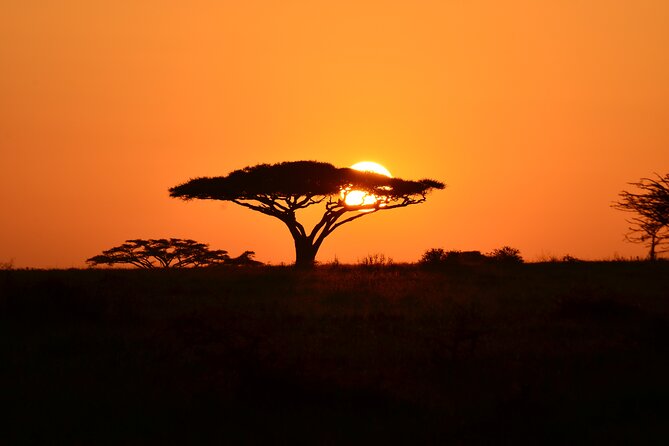
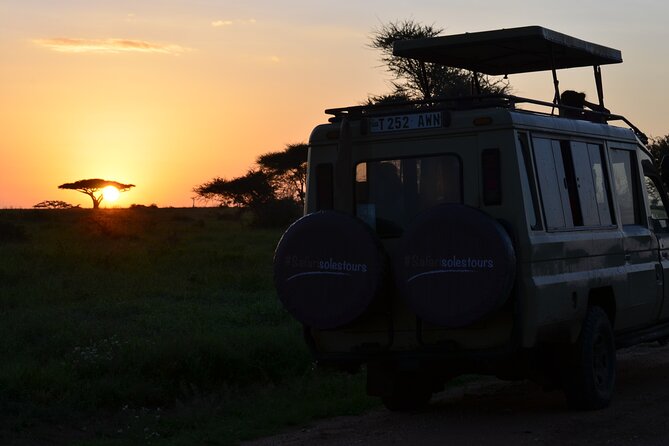
Then you head to Serengeti in the afternoon and end the day with a late-evening game drive around Seronera. The highlight is sunset in Serengeti, with a chance to watch predators hunting or feeding. At camp, you can still spot animals from the site—often hyenas—though ranger protection is noted as close, so you’re not left to fend for yourself out there.
Days 3 and 4: long Serengeti drives and the rhythm of exits
These two days are where the Serengeti experience gets real. You’ll start with a full day game drive on Day 3, moving beyond the Seronera area depending on animal movement. This is important. Serengeti isn’t one fixed “spot.” Animals shift, and a good guide plans around that.
Day 4 keeps the rhythm: early breakfast, then another early game drive while animals are most active and visibility is often better. After that, you return to camp for lunch and then do more park driving while exiting the Serengeti toward the Simba campsite.
The practical upside of this pacing is that you don’t waste every day starting late. The drawback is that you live safari-time: early mornings, long drives, and a day that may feel like “a series of moments” more than one continuous scene. If you love wildlife but hate rushing, this trip still works—it just asks you to accept the natural pace of animals.
Day 5 in Ngorongoro: searching for black rhinos
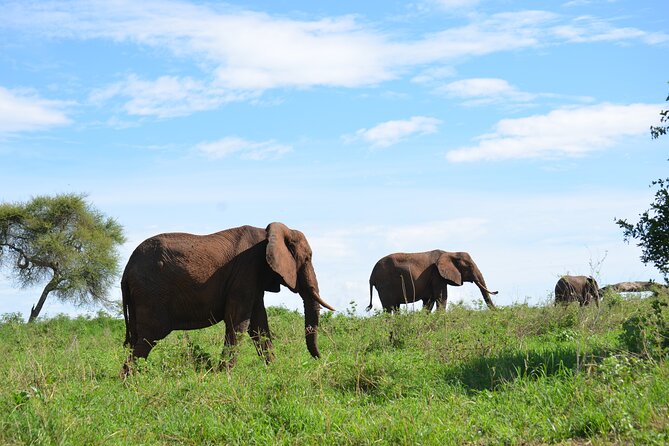
Ngorongoro returns on Day 5, and this is the day with the toughest target: black rhinos. After an early breakfast, you descend into the crater for a game-drive style search. The description is clear that black rhinos are hard to spot, even in such a wildlife-dense setting.
Why it’s still worth it: Ngorongoro’s enclosed bowl concentrates other animals too, so even if the rhino sighting takes time, you’re usually rewarded with plenty of general wildlife along the way. After lunch, you continue the crater game drive and then ascend back out.
The day ends with camping time—then moving onward to Sun bright campsite to relax. If you’re the type who wants one “big challenge” moment on safari, this is it.
Day 6 at Lake Manyara: flamingos, hippos, and tree-climbing lions
Lake Manyara is a smart final day because it focuses on variety. You’ll drive to the park early and spend the day on game drives with birds as a standout—especially flamingos on the lake.
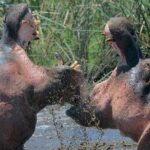
This park also has the tree-climbing lions reputation. The route notes that you can be lucky enough to spot them. Even without that exact sighting, Manyara can still deliver: hippos at the hippo pool for close viewing, and the hot spring experience listed as part of the drive.
The animal mix is broad—buffaloes, wildebeest, warthogs, vultures, eagles, and monkeys. It’s a good closer day because you’re not only hunting for one species. You’re watching an ecosystem do its thing.
Camping life in the parks: food, rangers, and night sounds
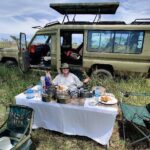
This trip is built around camping, and the included camping equipment is one of the big value points. You’re not paying extra for gear, and that matters because safari costs add up fast when you have to buy everything yourself.
At night, expect the real park soundscape. The description specifically notes hyenas around camp, with close protection from active rangers. That’s the difference between imagining camping in the wilderness and actually doing it with support.
Meals are also handled for you—breakfast, lunch, and dinner across the full trip—so you’re not constantly stopping for food or rationing energy. In feedback, cooks such as Ibrahim and Dennis are praised, along with Action. That matters because on long drive days, a decent meal turns “tough” into “still enjoyable.”
Guides and chefs you’ll hear about again and again
The quality of your guide is what makes a budget safari feel professional. Names showing up in feedback include Ernest, Elias, Estommy, Oscar, Abduly, Isack, and Freddy, with people repeatedly describing guides as organized and persistent in finding animals.
What I take from that for your planning: don’t treat this as a drive-you-around package. Treat it as a partnership where your guide’s knowledge and patience steer the outcomes. With a small jeep group, the guide’s skill has more space to work—less waiting for people to catch up, more chance to get into good viewing positions quickly.
Chef feedback is part of that too. When cooks like Ibrahim, Dennis, and Action are mentioned, it signals that you won’t be living on snacks and disappointment. After all, you can’t appreciate lions if you’re hungry and cold.
Who should choose this safari (and who might not)
Choose this if you want big Tanzanian parks on a six-day timeline without luxury hotel costs, and you’re happy with camping as the price of admission. It’s also a good fit for small groups, since the max jeep size helps you feel less crowded while still sharing the adventure with others.
This may not be ideal if you want a very soft, low-effort vacation. You’ll have long days, early starts, and the “real deal” nighttime sounds. Also, if you hate the idea of optional cultural visits, you can skip the Maasai village since it’s optional and has a 20 USD entrance fee.
If your priority is maximum comfort at every step, you may prefer a lodge-based safari. If your priority is animals and value, this route is built for you.
Should you book this 6-day budget safari from Arusha?
I’d book it if you can handle camping and long days, and you want a strong chance at predator sightings plus the crater factor at Ngorongoro. The price feels reasonable because meals, camping gear, and park fees are wrapped in, while extra costs stay limited to tips and the optional Maasai village entrance.
I’d think twice if camping sounds like a deal-breaker, or if you’re expecting a quiet, hotel-like experience. This is safari life: dust, early mornings, and wildlife nearby after dark.
If you’re flexible, travel with patience, and you’re okay with the adventure side of Tanzania, this is the kind of budget safari that can genuinely feel worth it.
FAQ
How long is the safari?
It’s listed as 6 days.
What parks are included?
You’ll visit Tarangire National Park, Ngorongoro Crater (including crater viewpoints and crater drives), Serengeti National Park, and Lake Manyara.
What is the group size?
The safari has a maximum of 6 travelers, and the maximum number of clients per jeep is six.
What’s included in the price?
Camping equipment is included, along with all fees and taxes. Meals are included: breakfast (6), lunch (6), and dinner (6).
What costs extra?
Tips are not included. The Maasai village entrance fee is listed as 20 USD if you choose to visit.
Is pickup offered?
Yes, pickup is offered.
Do you get a mobile ticket?
Yes, the tour offers a mobile ticket.
Is free cancellation available?
Yes, free cancellation is available up to 24 hours before the experience start time for a full refund. The experience also depends on good weather and a minimum number of travelers; if it’s canceled due to these reasons, you’ll be offered a different date or a full refund.