REVIEW · ARUSHA
Safari Excelente y Safari lujos Tanzania
Book on Viator →Operated by Mi viaje Expedición · Bookable on Viator
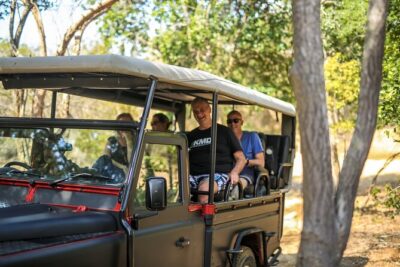
Wildlife is the whole point here. This 6-day Tanzania safari loops through Kilimanjaro National Park, Tarangire, Serengeti, Ngorongoro, and Lake Manyara, with a private setup made for an easy flow from one wildlife area to the next. It is built around fewer logistics and more time watching animals.
What I like most is how much is handled for you: all meals are prepared and supplied, and park entry fees are included. The second big plus is the private, group-restricted format, which keeps the pace sane and gives your guide room to answer questions in multiple languages.
One drawback to plan for: Day 1 is mainly an arrival and orientation day with an airport-to-hotel transfer and a briefing, not a full day of game drives.
In This Review
- Key Things That Make This Safari Worth Your Attention
- Route That Hits Tanzania’s Wildlife Best in 6 Days
- Price and Value: What $7,851.24 Covers (and What It Might Not)
- Day 1: Arusha Pickup, Kilimanjaro National Park Orientation, and Settling In
- Tarangire National Park: The River Lifeline and Elephant Magnet
- Serengeti: Two Days of Big-Open Country and Sunset Timing
- Ngorongoro Crater Day: Down-Crater Photography and Picnic in the Bowl
- Lake Manyara and Mto wa Mbu: Flamingos, Tree-Climbing Lions, and Banana Country
- Private Touring, Guides, and Multilingual Support That Actually Helps
- How to Pack for 6 Long Wildlife Days in Tanzania
- Should You Book This Safari?
- FAQ
- What time does this safari start and where do we meet in Arusha?
- How long is the safari?
- Is this a private safari?
- Does the tour include meals?
- Are park entry fees included?
- What parks and areas are included in the route?
- Do you offer pickup?
- Are there multiple languages available?
- Will I receive a mobile ticket and when do I get confirmation?
- What is the cancellation policy?
- Is this safari suitable for most people?
Key Things That Make This Safari Worth Your Attention
- Private, restricted-to-your-group touring that reduces waiting and keeps the schedule smooth
- Meals are included, so you can focus on wildlife instead of food logistics
- Park admissions are included, which matters for budgeting in Tanzania
- High-quality wildlife variety across Tarangire, Serengeti, Ngorongoro, and Manyara
- Multilingual guide support, including Spanish-speaking guidance based on real-world feedback
- Cultural stop at Mto wa Mbu, with banana plantations, local crafts, and markets
Route That Hits Tanzania’s Wildlife Best in 6 Days
This safari is designed like a highlight reel, but it still stays grounded in what each region does well. You start in the Arusha area with Kilimanjaro National Park, then move into the animal-rich circuit of Tarangire, the predator and spectacle territory of Serengeti, the concentrated magic of Ngorongoro Crater, and finally the bird-and-bush variety of Lake Manyara plus Mto wa Mbu.
The real win for your trip is the pacing. Instead of cramming in extra stops that don’t help your sightings, the route focuses on parks with clear wildlife identities: Tarangire’s river-and-elephant draw, Serengeti’s wide-open game-drive style, Ngorongoro’s crater density, and Manyara’s birds and famous lion behavior.
Because you are on a private itinerary, you should expect the driving days to feel more like a guided expedition than a bus tour. And if you care about learning while you watch, this kind of setup usually shines: your guide can shift attention from one species to another without rushing the group.
You can also read our reviews of more tours and experiences in Arusha.
Price and Value: What $7,851.24 Covers (and What It Might Not)
At $7,851.24 per person, this is not a budget safari. The value comes from what is explicitly included: park admission and entry fees, all meals, and the private, group-restricted format with pickup and transfers tied to the itinerary.
In practical terms, you are paying for convenience and reduced decision fatigue. When park fees and meals are bundled, you avoid that annoying last-minute math that turns into stress. You also get a driver-and-guide service that’s structured around the parks you are visiting, instead of renting a car and trying to solve timing on your own.
What is not spelled out in the information you have is lodging and international flights. This matters because your total trip budget in Tanzania depends on where you are staying before Day 1 and after Day 6. So before you fall in love with the wildlife schedule, I’d confirm what your package does and does not cover for accommodation and air travel.
If you want a smooth safari with less planning, and you’re comfortable paying for it, the pricing starts to look more reasonable. If you prefer self-drive freedom and you already know how to manage park logistics and meals, you may find it pricier than necessary.
Day 1: Arusha Pickup, Kilimanjaro National Park Orientation, and Settling In
Day 1 is about getting you into Tanzania mode without wasting energy. You have a pickup arranged through a representative at the Kilimanjaro Airport, then you’re transferred to your hotel in the Arusha area. You also get an informational session that maps out the days ahead.
This matters more than it sounds. A good safari week is won before you see your first big animal. Orientation helps you understand how the schedule will feel, what to expect from the game-drive rhythm, and how the rest of your route connects.
The one thing to keep in mind is that Day 1 is not presented as a full wildlife day. If you are coming straight off a long flight, that can be a blessing. But if you were hoping to be in a vehicle the entire day, you might feel like you’re starting slow.
Tarangire National Park: The River Lifeline and Elephant Magnet
Tarangire is a favorite for a reason: it holds attention even when conditions are dry. You leave Arusha early, head south toward the park, and aim to arrive before lunch so you can start safari time right away. This day is built for real game-viewing, not just scenic driving.
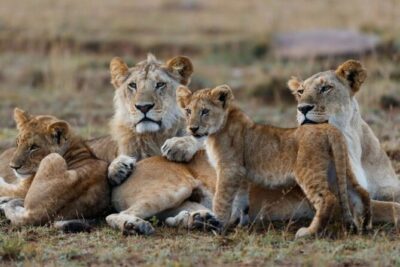
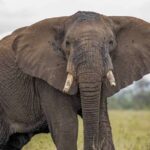
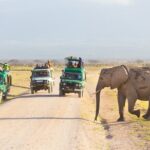
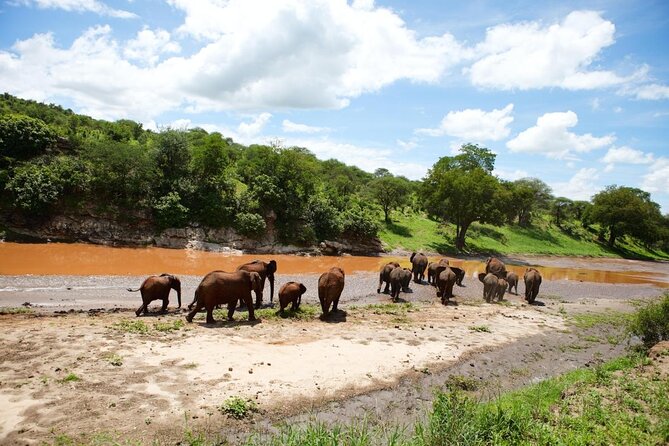
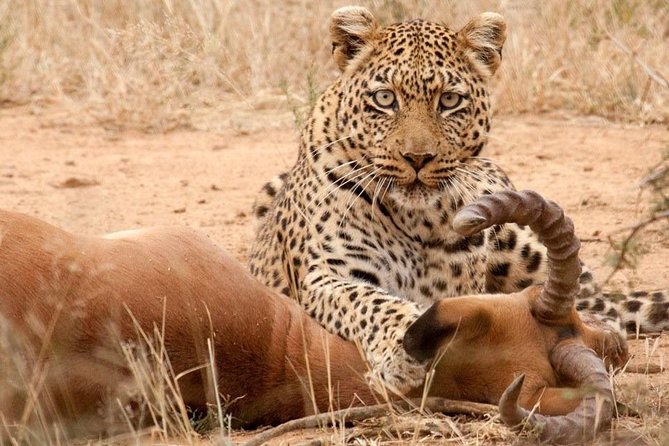
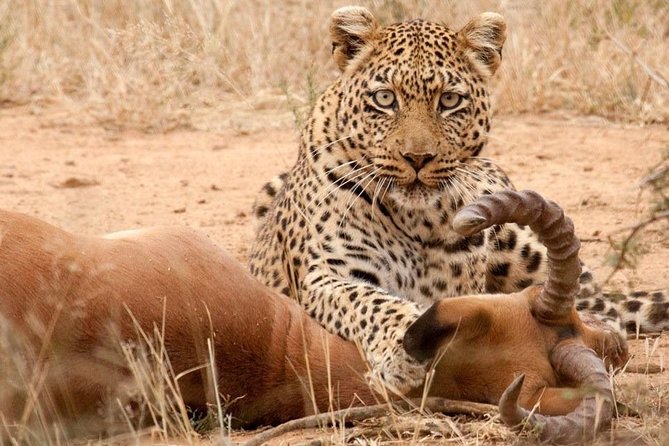
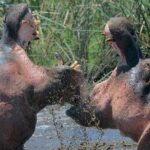
Tarangire’s big draw is the river that keeps water available through drier stretches. That steady water pulls in elephants, buffalo, oryx, and lots of other antelope species, which in turn attracts predators like lions and leopards. Add in reptiles such as pythons, plus smaller creatures and birds, and you get a safari where you don’t only wait for the dramatic moment.
A practical note: this kind of wildlife area rewards patience. You’ll often get better results by keeping your camera ready and your eyes scanning tree lines and river edges, not just staring at open grass. A good guide helps here, because they know what behaviors to watch for and where animals commonly cross.
The time commitment is about 6 hours for this Tarangire day. That’s enough to get meaningful sightings, while still keeping the broader route realistic for your remaining parks.
Serengeti: Two Days of Big-Open Country and Sunset Timing
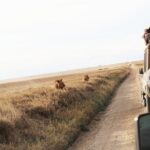
Serengeti is the name people remember, and in this itinerary it gets real time. You move to Serengeti after breakfast, with a drive that gives you a chance to take in the scale of the territory along the way. You then enjoy an outdoor lunch before continuing with game viewing into the late afternoon, aiming for sunset.
This pattern is smart. Afternoon light tends to make animals easier to spot and easier to photograph, especially when shadows stretch and activity rises. Sunset timing also gives your guide a natural end point, so the day doesn’t drag.
You get two Serengeti days. That’s important because wildlife viewing is never guaranteed on a single outing. Two days increases your chances of seeing different species behaving differently across time of day, and it gives your guide room to test different areas if something is slow.
The itinerary also reflects Serengeti’s reputation for being a vast, well-known system. Even the word meaning is part of the park’s identity: it’s described as meaning unlimited plain. In practice, that translates to long lines of sight and vehicles moving through big stretches where your eyes constantly travel.
One consideration: two long Serengeti days mean your body will feel it, especially if you’re sensitive to long drives and dusty roads. Bring layers for morning and evening temperature swings, and keep hydration simple and consistent.
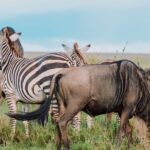
Ngorongoro Crater Day: Down-Crater Photography and Picnic in the Bowl
Ngorongoro Conservation Area is where the trip gets denser and more concentrated. You head out early and then go down into the Crater of Ngorongoro for a day focused on safari viewing and a picnic.
What makes this day special is the crater setting itself. It is described as a volcanic crater formed when the structure collapsed around 2 million years ago, creating a cirque about 20 km in diameter. Over time, the environment transformed into a living arena for animals, not just a dramatic geologic feature.
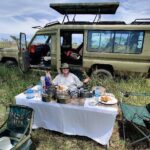
Inside the crater, your plan includes a photographic safari and a picnic within the crater. That’s a big deal for comfort. Instead of repeatedly stepping in and out of the vehicle to hunt for a convenient lunch stop, you get a built-in break at a moment when the viewing environment still makes sense.
The potential drawback is physical timing. Crater days often involve steep routes and you’ll spend time managing getting in and out of the vehicle with changing conditions. If you have mobility concerns, this is the day to pay attention to comfort needs and to ask how the schedule is paced once you’re down in the bowl.
Also, because it is a crater, visibility can feel different than in open plains. Your guide’s spotting skill matters a lot here, and that’s where a good multilingual guide can save your day by pointing you at what’s actually worth focusing on.
Lake Manyara and Mto wa Mbu: Flamingos, Tree-Climbing Lions, and Banana Country
Your final wildlife day mixes classic Lake Manyara viewing with a real-world cultural stop in Mto wa Mbu. You start with the National Park Lake Manyara, named for the lake and its birds, then continue with safari time and finally move into town for community life.
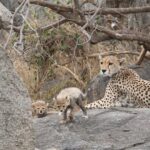
In Lake Manyara, the highlights listed are strong: thousands of flamingos, big herds of herbivores such as wildebeest, zebras, and buffalo, plus monkeys and elephants. You also get the famous tree-climbing lions, which are mentioned as one of the park’s signature attractions. The bird count is noted too: more than 400 species of birds, so even if mammal action slows, there is usually plenty to watch.
You’ll have a picnic inside the park, then continue safari time in the afternoon. After that, you go to Mto wa Mbu for a visit that includes banana plantations, a look at different tribes living in harmony, local crafts, and a market. The trip explicitly encourages you to connect with locals and to support community development.
This day is also a good reminder that safari is not only about animals. It’s about the human layer that shares the same landscape. If you value seeing how people live, this cultural piece adds meaning and keeps the last day from feeling like a simple repeat of earlier parks.
Private Touring, Guides, and Multilingual Support That Actually Helps
This is a private tour restricted to your group. That changes the feel on safari days because the schedule isn’t built around strangers’ needs. You get flexibility within the planned structure, and you avoid the common friction of waiting for people who are slow with getting ready or slow with decisions.
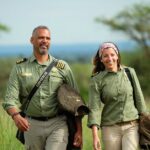
A lot of the praise tied to this operator centers on the guide role. Names that show up in the feedback include Joseph, Moses/Moises, Amiri, Carlos, and Musa, and there is also mention of a driver named Fasili. The pattern is the same: guides who know animals well, explain what you are seeing, and keep things safe and calm while still chasing the best sightings.
The experience also notes multiple languages, which is a practical advantage if you want the safari to be more than just spotting. Even basic animal education turns sightings into memories you can talk about afterward. And in a route like this, where you bounce between different ecosystems, explanations help your brain connect what you’re seeing to why it’s happening.
How to Pack for 6 Long Wildlife Days in Tanzania
You’ll be spending significant time outdoors and in vehicles, and the itinerary clearly includes early starts, outdoor lunches, and picnic meals in parks. That means your packing should focus on comfort, visibility, and staying ready between drives.
I suggest you plan around three needs:
- Heat and sun protection since daytime game drives and outdoor meals are part of the schedule.
- Comfort for long sits in a safari vehicle, especially during the Serengeti and crater day.
- Easy camera handling, because two Serengeti days plus Tarangire and Ngorongoro gives you multiple chances for great shots.
If you like photography, bring binoculars if you already use them. If you don’t, you can still benefit from a good guide who can help you find animals at distance and understand what behavior matters.
Also, since the itinerary mentions a mobile ticket and confirmation at booking, make sure your phone battery is reliable. In safari country, things are practical and fast-moving, so you want your ticket and contact details ready.
Should You Book This Safari?
Book this safari if you want a private, structured Tanzania wildlife trip that already handles the big cost and hassle items: park fees and meals. The route is built to cover multiple ecosystems in a single week, and two Serengeti days plus Ngorongoro make it more than just a quick sampler.
I’d think twice if you want maximum spontaneity or if your biggest goal is the lowest possible price. At this level, it’s clearly paying for comfort, access, and guidance. Also, if you expect Day 1 to be an immediate full game-drive day, you should mentally adjust to an arrival and orientation start.
If your priority is a smooth safari where you can relax, learn, and focus on the sightings, this one is a strong match.
FAQ
What time does this safari start and where do we meet in Arusha?
It starts at 7:30 am. The meeting point is Jevas Hotel EncoreTZ, Makao Mapya, Arusha 0255, Tanzania, and the activity ends back at the meeting point.
How long is the safari?
The tour duration is 6 days (approx.).
Is this a private safari?
Yes. It is a private tour/activity and only your group participates.
Does the tour include meals?
Yes. All meals are prepared and supplied during the tour.
Are park entry fees included?
Yes. The experience includes admission and entry fees to the parks.
What parks and areas are included in the route?
The route includes Kilimanjaro National Park, Tarangire National Park, Serengeti National Park, Ngorongoro Conservation Area, and the Manyara Region / Lake Manyara, plus a visit to Mto wa Mbu.
Do you offer pickup?
Yes. Pickup is offered, including a representative meeting at Kilimanjaro Airport on Day 1 and hotel pickup in Arusha for later days.
Are there multiple languages available?
Yes. The experience is offered in multiple languages.
Will I receive a mobile ticket and when do I get confirmation?
You receive a mobile ticket, and confirmation is received at the time of booking.
What is the cancellation policy?
The experience is non-refundable and cannot be changed for any reason. If it is canceled because a minimum number of travelers is not met, you’ll be offered a different date/experience or a full refund.
Is this safari suitable for most people?
It says most travelers can participate, but no specific accessibility details are provided beyond that.