REVIEW · ARUSHA
5 Days Tanzania Group Joining Safari, Tarangire/Serengeti/Ngorongoro Crater
Book on Viator →Operated by Avocet Tanzania Safaris · Bookable on Viator
Five days, three parks, one big crater. This budget-friendly camping safari threads Tarangire, Serengeti, and Ngorongoro into one tight loop, so you get a lot of Tanzania wildlife without the luxury-lodge price tag. I like how the trip stays practical with picnic lunch boxes that keep you out on safari longer, and I like the payoff of Ngorongoro as a Big Five checklist in one dramatic setting. One thing to consider: this is a camp-and-cook style experience, so comfort and meal style are basic compared with higher-end safaris, and you’ll want to keep expectations aligned.
The best way to enjoy a trip like this is to treat it like a wildlife road trip with “camping as base camp.” When the game drives go well, it feels like magic. When they don’t, it’s usually because pacing, behavior, or crowd control is off—so pay attention to how your driver handles park rules and noise around animals.
In This Review
- Key Reasons This Safari Works
- The 5-Day Northern Tanzania Route That Packs a Lot In
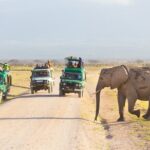
- Day 1 in Tarangire: A Quieter Start and Elephant Energy
- Day 2 and 3 in Serengeti: Predators, Big Plains, and Full-Day Drive Logic
- What Day 2 does right
- What Day 3 does even better
- Day 4 in Serengeti to Ngorongoro Rim: Positioning for the Crater Day
- Day 5 Inside Ngorongoro Crater: Big Five Seeing, Maasai Cultural Encounters
- Camping Safari Reality: Full Board, Simple Comfort, Real Rhythm
- Price and Inclusions: Where the Value Comes From
- What to watch for in a budget camp format
- Guides Like Mike, Bakary, and Others Make or Break Your Sightings
- Who This Safari Suits Best (and Who Might Want Something Else)
- Should You Book This 5-Day Avocet Camping Safari?
- FAQ
- What time does the safari start?
- Is pickup offered?
- What meals are included?
- Are park admission tickets included?
- What is not included in the price?
- What should I pack and what documents do I need?
Key Reasons This Safari Works
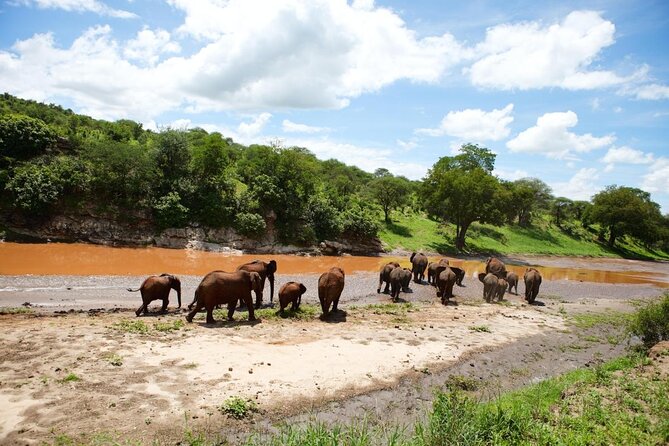
- A route that hits the major wildlife zones fast: Tarangire elephants, Serengeti predators and plains, Ngorongoro Big Five.
- Picnic lunch boxes that protect your game-drive time instead of rushing you back and forth.
- Camping stays in real safari rhythm with full-board support at campsites along the way.
- Strong guide impact: several standout drivers and cooks have been praised for spotting animals and keeping the group moving well.
- Good value for the big highlights: the program shows park admission listed as free/included and includes meals, water, and transportation.
The 5-Day Northern Tanzania Route That Packs a Lot In
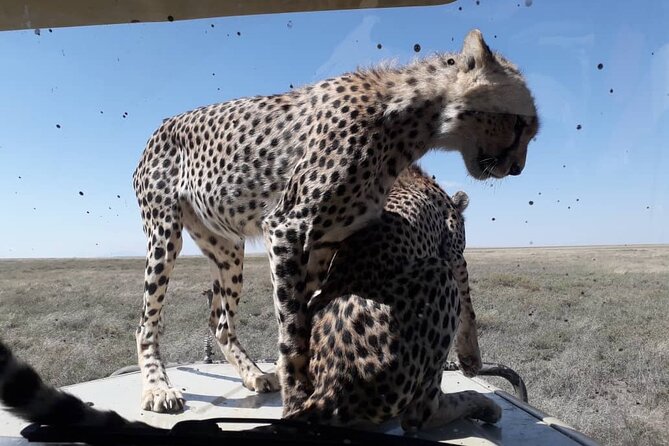
This safari is built for first-timers and budget travelers who still want the real northern circuit. You start in Arusha, then the schedule walks you deeper into Tanzania’s best-known wildlife areas: first Tarangire’s quieter, elephant-heavy feel, then Serengeti’s big-cat and Great Migration stage (depending on timing), and finally Ngorongoro Crater for one of the most concentrated Big Five experiences in the region.
The key idea is time management. You’re not spending extra days bouncing around side roads or sleeping far from the next park. You’re also not stuck waiting for long transfers without game viewing. Even with the camping format, the days are structured around getting you onto the road when wildlife is active and staying on the search just long enough to get real sightings.
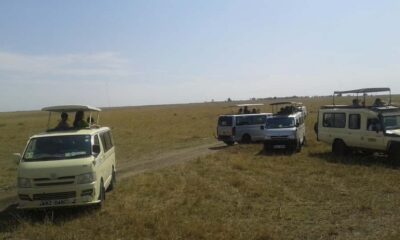
One more practical point: the safari uses a 4WD Land Cruiser and runs on an 8:30 am start time. That matters. Lions, cheetahs, and leopards don’t wait for late risers, and the lighting and animal behavior on safari change quickly through the day.
You can also read our reviews of more tours and experiences in Arusha.
Day 1 in Tarangire: A Quieter Start and Elephant Energy
Day 1 begins with a drive from Arusha to Tarangire National Park. You’ll head out at about 8:30 am with picnic lunch boxes for the game drive—one of those small details that can make a big difference on safari. It means fewer interruptions and more time scanning for wildlife where Tarangire is strongest.
Tarangire is often missed because it’s slightly off the most direct safari path. That’s exactly why I like it: it has a more relaxed feel than the parks people rush through. It’s famous for elephants, strong birding, and a more authentic safari atmosphere. You also get a chance to shake off jet lag, get your eyes tuned, and understand how your guide reads animal movement—before you hit Serengeti, where the scale can feel overwhelming.
Late in the day you drive to Manyara for dinner and overnight at Kizumba Campsite on a full-board basis. For a first night, that’s a smart setup. You’re not just traveling all day and then collapsing. You’ve had real park time, then you settle in and reset.
Day 2 and 3 in Serengeti: Predators, Big Plains, and Full-Day Drive Logic
Serengeti is Africa’s headline act, and this trip treats it like one. After breakfast you head into Serengeti National Park with picnic lunch boxes. You’ll do game drives en route toward Serengeti, which helps you avoid the dead time that can happen when people only enter the park at a late hour.
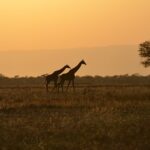
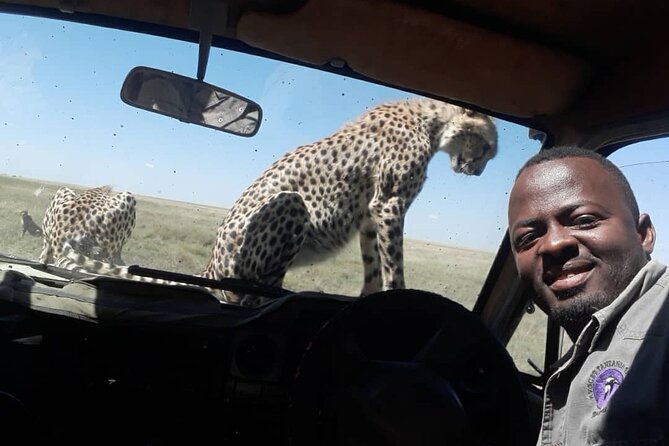
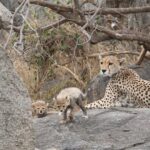
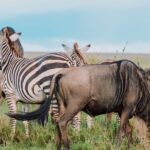
Serengeti’s draw here isn’t vague. The focus is on what makes Serengeti such a magnet: predators in strong concentrations and the Great Migration of grazers (timing-dependent). If you’re hoping for dramatic predator sightings, this is the right park to center your trip around because the ecosystem supports high animal numbers and constant movement.
What Day 2 does right
Day 2 is your first full Serengeti entry day. You’ll spend the day on safari and return to camp for dinner and an overnight stay at Seronera Campsite. This is a common Serengeti base area, and it gives you a useful rhythm: long drives, then recovery.
What Day 3 does even better
Day 3 is a full day in Serengeti again. The schedule includes returning to camp for hot lunch, then you go right back out for an afternoon game drive. That split matters because it keeps you from burning out on the road. Your eyes get tired, your body gets stiff, and animal behavior changes between morning and afternoon.
In practice, this is one of the best parts of the trip for many people: two Serengeti days means you’re not betting your entire safari on a single drive. If you miss a leopard moment one morning, there’s another shot later. If the big cats are quiet, the plains and birds still deliver. And if you’re lucky, you’ll see everything connect into one memorable storyline.

Day 4 in Serengeti to Ngorongoro Rim: Positioning for the Crater Day
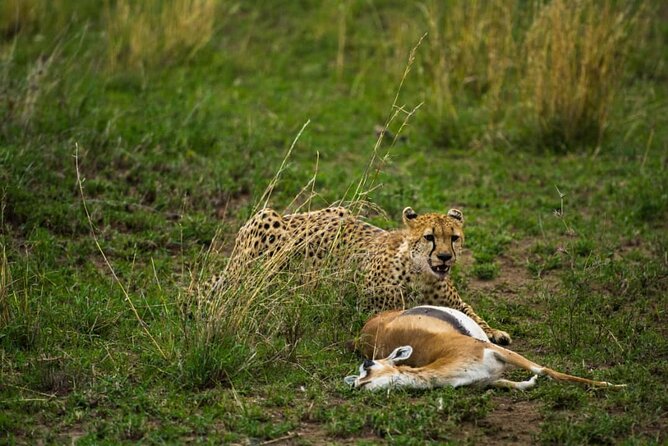
Day 4 shifts from Serengeti to the Ngorongoro Crater rim. After breakfast, you’re back out on safari in Serengeti with the picnic lunch box approach, then you continue toward Ngorongoro for dinner and overnight at Simba Campsite.
This is a smart move because Ngorongoro is the kind of place where timing matters. Descending to the crater and getting good viewing depends on the day’s plan and your ability to be in place. Staying near the rim the night before helps you start Day 5 with less scrambling.
Also, you’re not switching from Serengeti to Ngorongoro like it’s two random stops. Serengeti teaches you how to watch for movement and animal behavior. Then Ngorongoro changes the game: fewer places to roam, a dramatic enclosed setting, and (often) very noticeable animal activity once you’re inside.
Day 5 Inside Ngorongoro Crater: Big Five Seeing, Maasai Cultural Encounters
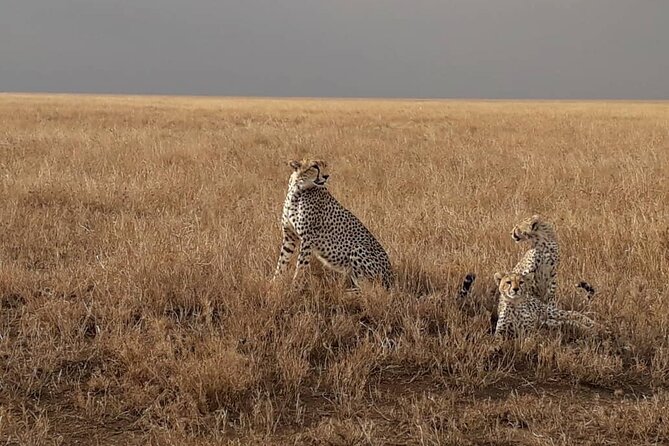
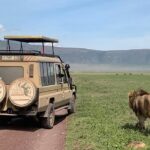
Day 5 is the big moment. After breakfast, you drive to Ngorongoro and descend into the crater for game drives with picnic lunch boxes. Ngorongoro is a breathtaking setting, and it’s one of the best places in East Africa to look for the Big Five in one concentrated area.
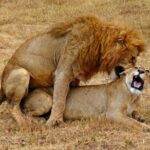
The crater is also where your brain learns a new kind of safari geography. You’re not just scanning savanna on the horizon. You’re watching a bowl-shaped ecosystem with animals using the terrain and shade differently. You often get close enough to see behavior clearly—how a lion rests, how a herd reacts, how birds follow activity patterns.
The program notes an exceptional place to interact with the Maasai tribe. One catch: the schedule does not list a specific Maasai cultural village stop as included. So think of Maasai encounters as something you may be able to connect with while in the area, but don’t assume a formal cultural visit is part of your package.
In the late afternoon you ascend and drive back to Arusha to end services. It’s a long last day, but it’s the right kind of long—full of big cat hope and then a satisfying return when the crater work is done.
Camping Safari Reality: Full Board, Simple Comfort, Real Rhythm
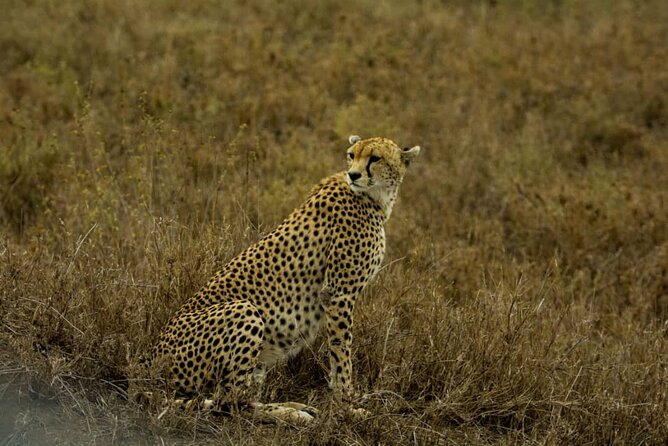
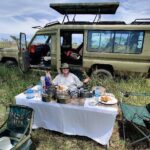
This is a camping safari, but the itinerary is clearly built around keeping you fed and supported. Meals are covered throughout: breakfast (5), lunch (5), and dinner (4), plus snacks and bottled water, along with coffee and/or tea. That is not nothing. It means you’re not constantly buying food during long drives, and it reduces the chance of you getting hangry on day two of Serengeti.
Accommodation is listed as per the itinerary at campsites including Kizumba Campsite, Seronera Campsite, and Simba Campsite. The data doesn’t spell out tent style or bathroom setups, so I’ll keep it honest: you should expect a basic, safari-campsite setup rather than a hotel room. If you need luxury comforts, you’ll likely be happier with a lodge-based safari instead.
One more practical note from the experience requirements: bring only a duffle bag, not a suitcase. That’s a small gear detail that can save you stress during loading and unloading in the bush.
Price and Inclusions: Where the Value Comes From
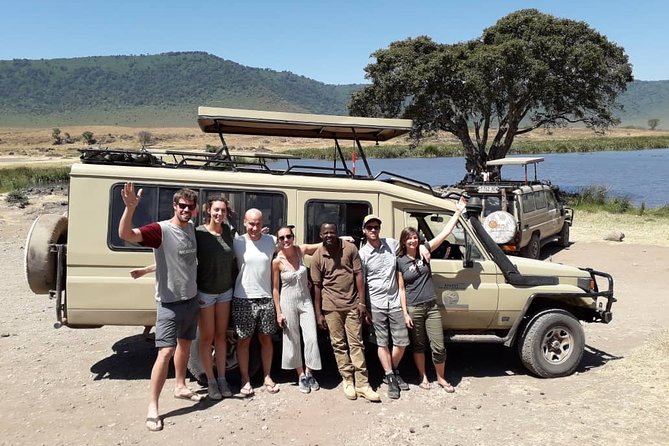
At $1,120 per person for a roughly 5-day safari, you’re paying for a full northern circuit experience without the premium lodge markup. The value comes from two main places: transportation and meals.
You get:
- Road transportation in a 4WD Land Cruiser
- Game drives as per the itinerary
- English-speaking guides available
- Snacks, bottled water, coffee/tea
- Meals across the days (breakfast, lunch, dinner)
The itinerary also lists admission tickets as free/included for the parks in the schedule. Even if the final wording in your confirmation is slightly different, the overall structure suggests park access costs are not meant to surprise you as a separate line item.
Group discounts are mentioned too. In shared safari setups, group value often depends on how smoothly the vehicle plan works and whether you stay with the same guide and driver. Some people have specifically praised trips where they did not need to switch cars during the safari, which is what you want to hear when you’re trying to relax and focus on animals.
What to watch for in a budget camp format
The downside of value is simplicity. Some safari days are long, and breakfasts can be basic. If you’re picky about food, bring your own small comfort items (like instant coffee you love or a few snacks you enjoy). Keep it light because you don’t want to turn your trip into a pantry expedition.
Also, remember that behavior around wildlife matters. There’s at least one negative note in the experience record about a driver playing loud music at Ngorongoro. That’s not a reason to cancel, but it is a reminder to choose a guide who follows rules and respects the environment and animals.
Guides Like Mike, Bakary, and Others Make or Break Your Sightings
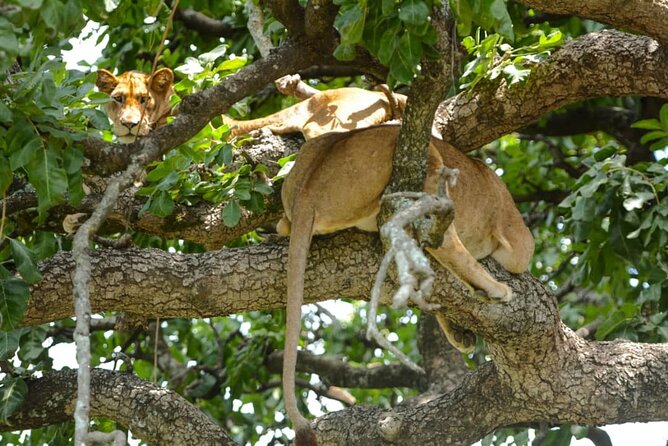
On safari, the “how” is everything. Two groups can visit the same parks on similar days and have totally different outcomes depending on driving skill, animal-reading ability, and how the guide manages time.
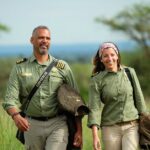
In the experience notes you provided, a set of names comes up again and again: Mike, Bakary, Jonas, Nico, Waldon, Allen, Godfrey, and Zuberi. Cooks also get credit when the food is steady—names like Emanwe, Erika, and Yuzzo appear in the records.
What do these standout roles usually mean for you?
- Better positioning for sightings, so you spend time watching instead of endlessly driving.
- More patience for photos and questions, especially if your group includes kids or multiple generations.
- Clear explanations, so you understand what you’re seeing instead of just ticking boxes.
If you have any ability to request or confirm your guide before departure, do it. If not, you can still set the tone early: ask your guide how they plan to manage the day and remind them you’re hoping for Big Five focus time in Ngorongoro.
Who This Safari Suits Best (and Who Might Want Something Else)
This is a strong choice if you:
- Want the northern Tanzania highlights in a short 5-day trip
- Travel on a budget but still want Big Five potential
- Like the camping safari rhythm and don’t need room service and marble bathrooms
- Prefer a group setting where you can share the cost and the excitement
It may be less ideal if you:
- Need a quieter, more controlled, lodge-level comfort experience
- Want guaranteed private vehicle time with zero shared-group movement (your confirmation will clarify how sharing is handled)
- Are extremely sensitive about meal style or basic accommodations
If you’re flexible, though, the core experience is hard to beat. Tarangire gives you that early elephant-and-birding feeling, Serengeti brings the predator-and-plains drama across two days, and Ngorongoro caps it with Big Five concentration inside a crater.
Should You Book This 5-Day Avocet Camping Safari?
I’d book it if your goal is value plus the core northern circuit in one go. The schedule is built around time on safari, and the inclusion of meals, water, transport, and guide support means you’re not constantly managing logistics while you’re trying to watch lions and elephants.
I’d pause before booking if your top priority is comfort. This is camping-based, and the food is camp-style, even if it’s often good. Also, be mindful of the one recorded complaint about noise in Ngorongoro. You can’t control everything, but you can control whether you set expectations early and whether you speak up if your driver isn’t following the quiet, respectful tone that a crater demands.
If you do book, I’d go in with one mindset: you’re here for wildlife time. Pack duffles, dress for long days, and treat each park like a new chapter. Done right, this circuit delivers the kind of memory you can’t recreate later.
FAQ
What time does the safari start?
It starts at 8:30 am in Arusha.
Is pickup offered?
Yes, pickup is offered.
What meals are included?
The package includes breakfast, lunch, and dinner, plus snacks and bottled water. Coffee and/or tea are also included.
Are park admission tickets included?
The schedule lists park admission as free for the itinerary days. Ngorongoro Crater is listed as included for the final day.
What is not included in the price?
International and local flights, visa fees, travel and personal accident insurance, tips and gratuities, and any excursions not mentioned in the program are not included.
What should I pack and what documents do I need?
Bring a duffle bag (not a suitcase). You may be asked for a Yellow Fever Vaccination Certificate on arrival. You’ll also want your passport/identification for required checks, and make sure your tourist visa situation is in order before you travel.