REVIEW · NAIROBI
Nairobi: 4-Day Maasai Mara & Lake Nakuru Camping Safari
Book on GetYourGuide →Operated by GRACEPATT SAFARIS · Bookable on GetYourGuide
Four days, two Kenyan wildlife worlds.
This is a small-group safari built to squeeze serious sightings into a short trip: Maasai Mara’s plains for lions and cheetahs, then Lake Nakuru for rhinos and flamingos. You start with Nairobi pickup, ride in a custom van with a pop-up roof for better spotting, and spend most of your time on game drives where timing and positioning really matter.
What I like most is the way the days are structured around real animal areas. One day focuses on Mara River odds (crocodiles and hippos often show up near lunch viewpoints), and the next is tuned for Nakuru’s birdlife and endangered species.
One thing to consider: park entry is a big extra cost, and road conditions can mean dust. Bring a face mask if you want to avoid that gritty feeling during drives on non-tar tracks.
In This Review
- Key highlights to know before you go
- 4-Day Maasai Mara and Lake Nakuru Camping Safari Review
- Nairobi pickup to Rift Valley viewpoint: the day starts moving
- First Maasai Mara evening game drive: your warm-up for big cats
- Day two: Mara River focus, lunch by hippos, and the best midday spotting
- Optional Masai village visit: cultural context with a time trade-off
- Day three: Rift Valley to Lake Nakuru with stops on the way
- Naivasha boat cruise option: birds and calm water (if time allows)
- Day four in Lake Nakuru: flamingos, 350+ bird species, and rhino conservation
- Camping and comfort: what the nights are really like
- Wildlife odds: what you can realistically aim for
- Guides and spotting support: the human factor
- Price and logistics: what $475 actually means for your safari budget
- Is it good value?
- Who this safari suits best
- Should you book this Maasai Mara and Lake Nakuru camping safari?
- FAQ
- FAQ
- How long is the safari and where does it start?
- What kind of transport is used for game drives?
- Are meals included in the price?
- Is park entry included in the price?
- What wildlife can I expect in Maasai Mara?
- What wildlife can I expect in Lake Nakuru?
- Are the hot air balloon ride and boat cruise included?
- How much does the Masai village visit cost?
Key highlights to know before you go
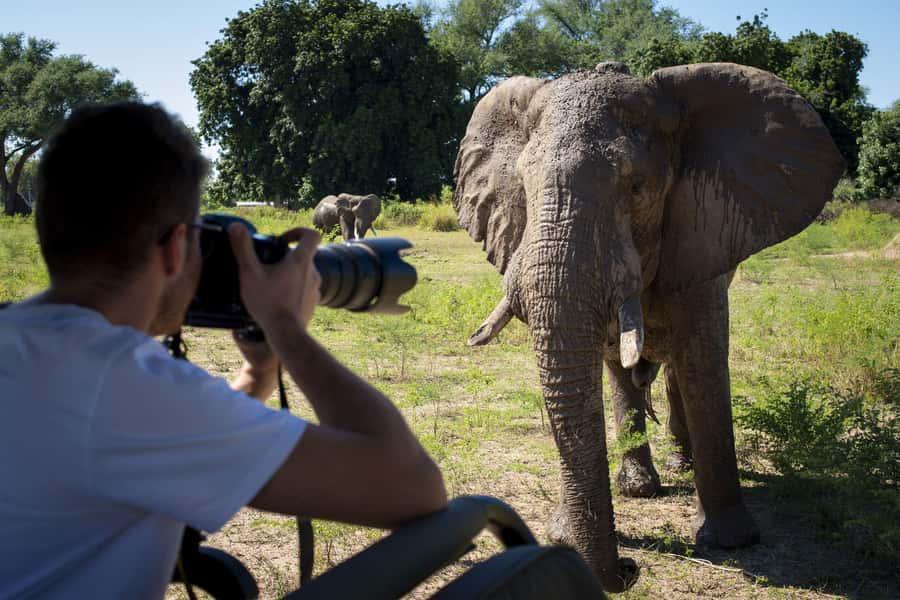
- Pop-up roof game viewing in a custom van makes it easier to spot wildlife without constant leaning and craning.
- Mara River timing gives you a strong chance at concentrated animal action near water.
- Lake Nakuru birding and flamingos: the park is known for 350+ bird species, including flamingos if conditions allow.
- Rhino protection focus in Nakuru adds weight beyond the usual safari checklist.
- Optional add-ons are separate (balloon, Naivasha boat, Masai village) so you control your budget and pacing.
- Camping nights vs. hotel night: two nights are in tents, then you finish with better comfort in Nakuru (depending on the setup that’s used).
4-Day Maasai Mara and Lake Nakuru Camping Safari Review
You can also read our reviews of more tours and experiences in Nairobi.
Nairobi pickup to Rift Valley viewpoint: the day starts moving
This safari doesn’t waste your daylight. You begin in Nairobi with pickup, then head out toward the Great Rift Valley for a photo stop at a major lookout. It’s a quick reality check that Kenya is big and the scenery changes fast.
From there, you travel onward to Maasai Mara in time for lunch. That timing matters because Mara is at its best during the early-to-late viewing windows. By the time you’re on the move again later, you’re not sitting around wondering what to do with the day.
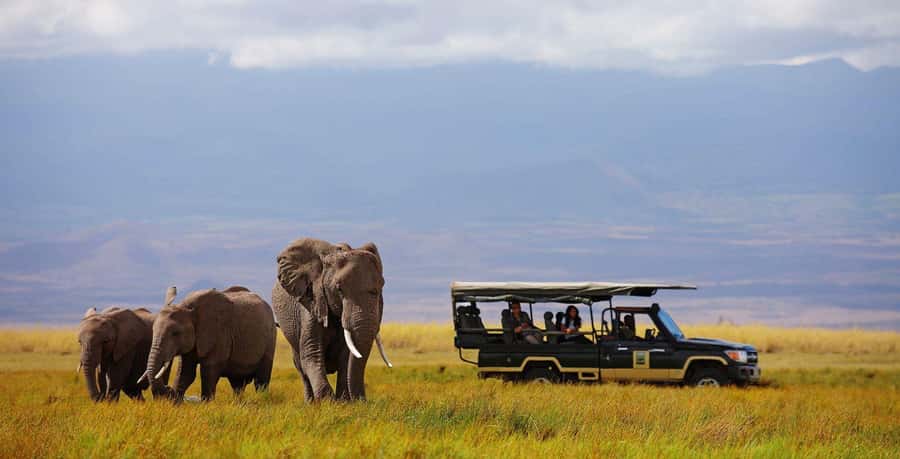
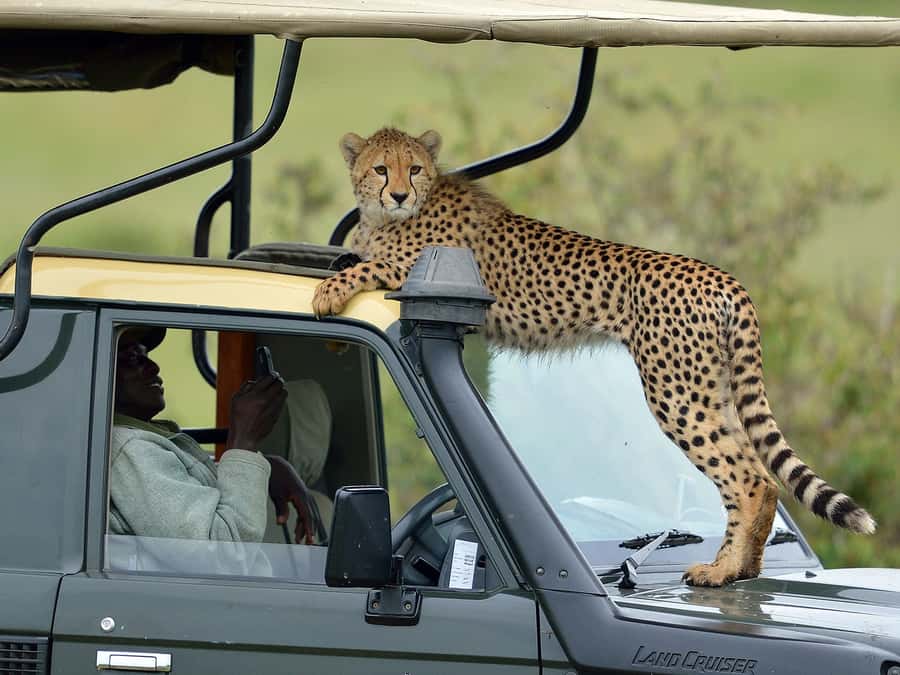
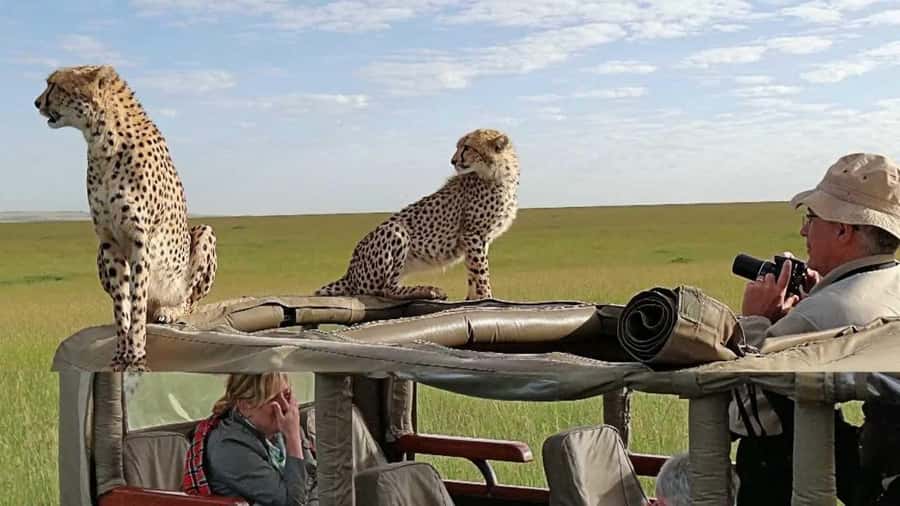
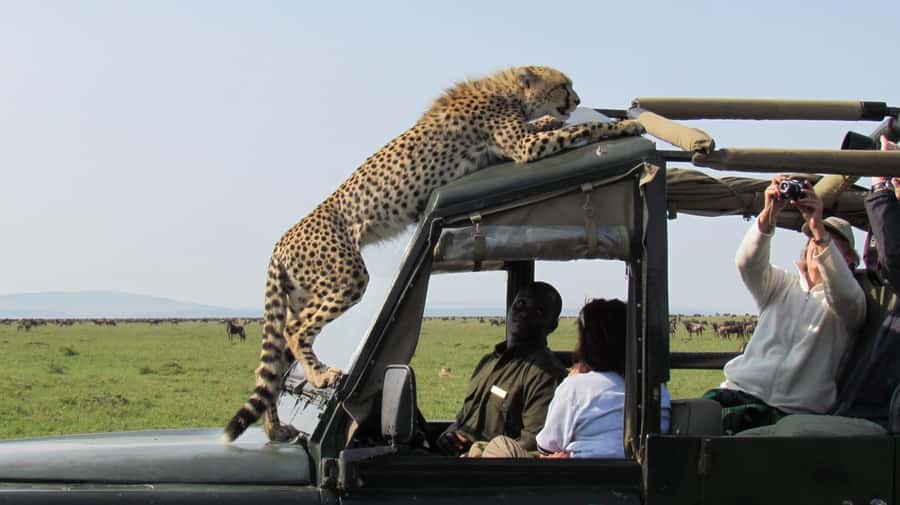
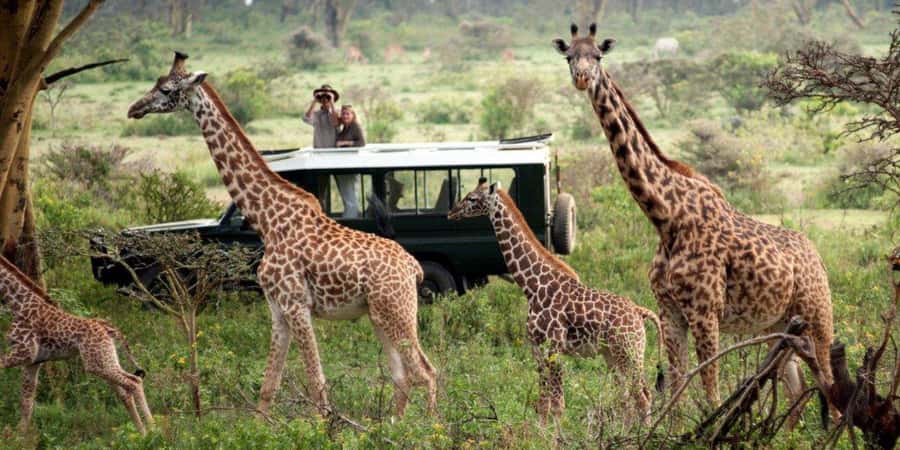
You’ll also notice the transport style right away. The customized van has a pop-up roof, so the whole group can scan the grasslands more easily than with a standard roofline. It’s one of those small details that can make a big difference when the action is far out.
First Maasai Mara evening game drive: your warm-up for big cats
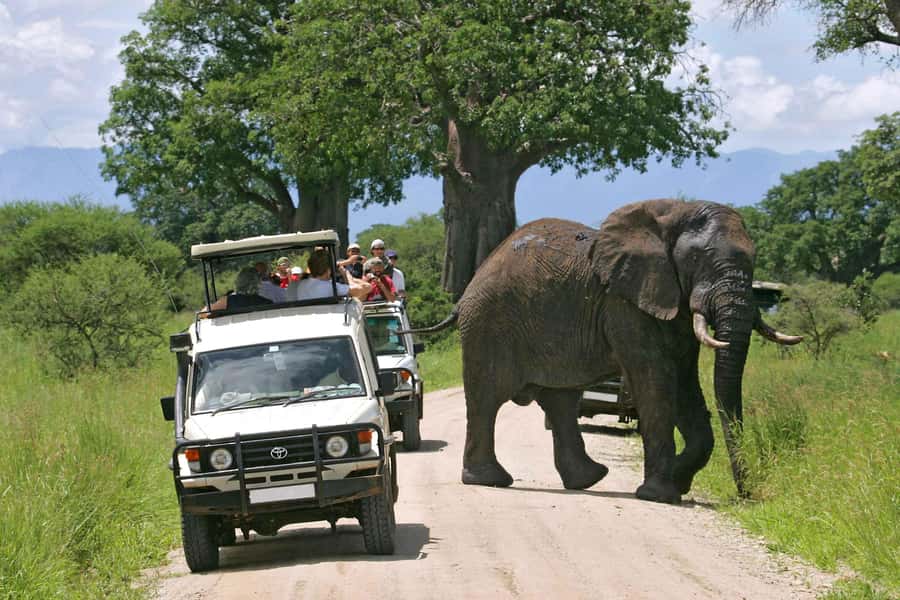
After your first Mara lunch, you’ll head out on an evening game drive across tree-studded grasslands and rolling hills. The vibe is usually less about being in a hurry and more about learning the rhythms of the reserve: where animals gather, how predators move, and how quickly the landscape changes.
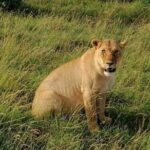
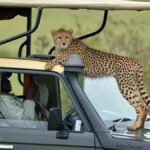
Maasai Mara’s reputation is built on the odds of seeing classic wildlife—lions, cheetahs, elephants, and many other species. The point of that first drive isn’t to guarantee a parade of sightings. It’s to get you into the right mindset and help your driver and guide read the terrain.
Even in a short itinerary, your guide’s skill affects what you catch. Some of the drivers on this route get praise for finding animals by coordinating information with other drivers, and that kind of local “where are they right now?” thinking can improve your chances.
If you’re coming from a city, the first dust-in-the-air drive can feel intense. One practical tip: keep a face mask in your day bag. One traveler flagged dust coming from vehicles because some areas inside parks don’t have tar roads, so it’s an easy comfort upgrade.
Day two: Mara River focus, lunch by hippos, and the best midday spotting
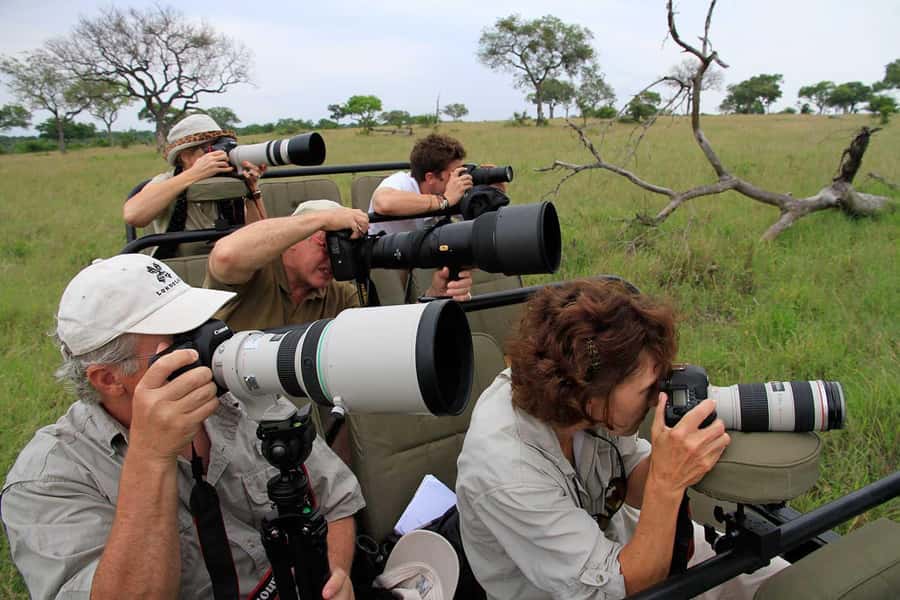
Day two starts with a picnic-style breakfast, then you go out on a full-day game drive. This is the core day, and it’s designed to put you in the right place at the right time rather than just “drive around.”
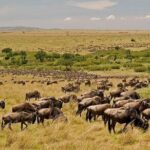
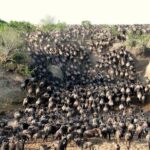
A key stop is the Mara River area, where a large concentration of animals can gather. Water draws wildlife, and it also attracts the whole food chain. If you want the best chance of seeing animals react to predators, feeding, and movement patterns, this is the kind of routing that helps.
Lunch is another smart piece of the plan: you eat at a viewpoint that looks over crocodiles and hippos lazing in the river. That isn’t only scenic—it’s practical. It gives you a window to watch behavior without the constant hunt that can wear you out. You’re also getting out of the vehicle at a strong wildlife node.
Optional Masai village visit: cultural context with a time trade-off
On day two, there’s an option to visit a Masai cultural village to learn about homes and social structure, and how the community lives alongside wildlife. It can be a meaningful stop if you’re genuinely curious about how life works beyond the safari bubble.
Just be aware of pacing. One traveler later noted the Masai village visit affected their ability to do a sunrise game drive on the following morning because of schedule time. If a sunrise drive is on your personal wishlist, decide in advance how you want to balance culture time versus wildlife time.
Day three: Rift Valley to Lake Nakuru with stops on the way
Morning on day three is early, because you’re leaving Maasai Mara and heading to Lake Nakuru National Park. Early starts matter in Kenya safaris. You’re trying to beat fatigue, beat heat, and maximize daylight for wildlife.
You’ll have breakfast, then you depart. There’s another optional Masai village visit option on this day, listed at a separate cost. If you already did the village on day two, you can skip it here and protect your time for the drive and arrival.
The journey includes a stop for a picnic lunch along the way with Kenyan scenery views from the road. That’s another moment where the safari feels like more than animal spotting—it’s also about seeing how the country flows between habitats.
Naivasha boat cruise option: birds and calm water (if time allows)
When you arrive near the Nakuru side, the plan includes a possible stop by Naivasha for a boat ride, at your own expense. It’s positioned as optional, and whether you get it depends on time and your overall schedule.
The practical value here is simple: Naivasha can feel calmer after long game-drive days. If birds and water life interest you, this is often a nice contrast. If you’re more focused on rhinos and dense wildlife viewing, you might prefer to keep the day dedicated to Nakuru.
Day four in Lake Nakuru: flamingos, 350+ bird species, and rhino conservation
Day four begins with an early breakfast, then you go into Lake Nakuru National Park for wildlife viewing and sightseeing. Nakuru is not just a “second park.” It’s a different kind of experience with different star attractions.
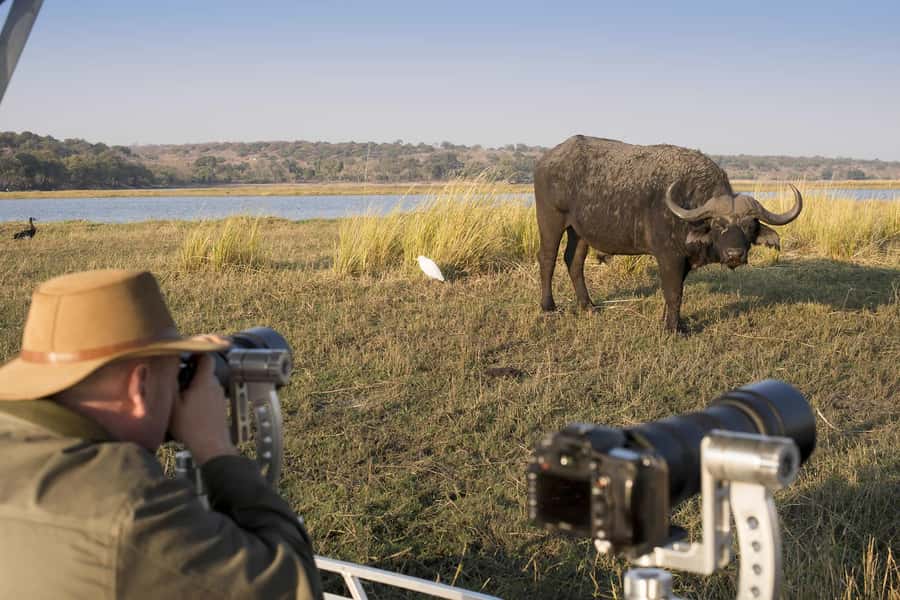
The park is known for over 350 species of birds, and flamingos are specifically mentioned. Even if you’re not a dedicated birder, bird parks can be great for spotting because birds don’t always require the same stalking patience as big cats. You can also get stunning sightings around the lake areas when conditions are right.
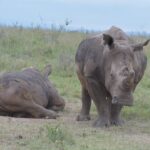
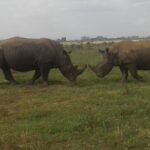
The big wildlife headline is rhinos. Lake Nakuru is home to black and white rhinos, and the park exists in part for protection of endangered species. That matters because it shifts your safari from “sighting safari” to “conservation-supported viewing,” even though you’re still out for pure animal encounters.
And yes, you’ll see plenty of other wildlife too, but the rhino focus is what makes Nakuru feel different from Maasai Mara. It gives your trip range: predators on grasslands in Mara, then endangered species and lake life in Nakuru.
Camping and comfort: what the nights are really like
This safari includes two nights in Maasai Mara and one night in Lake Nakuru. In the Mara, you’ll be in tent accommodation for those two nights. Based on feedback from past guests, the tent nights are described as okay—fine for a budget safari—but not the place to expect luxury.
One traveler noted the last night was a much better hotel stay than expected, which is exactly the kind of “surprise you’re happy about” factor that can make a short safari feel better than it looks on paper.
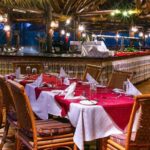
Meals are included (breakfasts, lunches, dinners), and the food is generally viewed as okay. Still, plan for the realities of picnic-style meals in the field. One review mentioned loose stomach after picnic chicken, which is a useful reminder to bring basic stomach-care and don’t treat safari food like a home kitchen.
Wildlife odds: what you can realistically aim for
This itinerary is built around the classic Mara checklist: lions, cheetahs, elephants, and more. The Mara River stop and the full-day drive are designed for concentration points where animals gather.
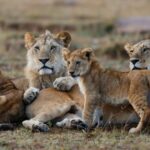
In Maasai Mara, multiple sightings of lions at close range are repeatedly praised, and there are also stories of spotting a wide mix of animals in a short span. In Nakuru, rhinos are the main reason to come, with birds (including flamingos) as the supporting cast.
The most important truth is also the least dramatic: wildlife viewing is never 100% predictable. What this safari does well is improve your chances by using the parks’ known hotspots and giving you enough time in each area to actually find action.
Guides and spotting support: the human factor
In a safari, the vehicle is only half the story. The other half is the driver-guide teamwork: reading the land, tracking where animals have been, and positioning at a safe and effective viewing angle.
You’ll see repeated praise for drivers and guides across different names, including Stephen, Benjamin, Peter, Simon, Isaac, and Kikitu, with comments that they are friendly, informative, and good at locating animals. If you end up with one of the strong operators mentioned, you’ll likely feel more confident that you’re not just paying for driving time—you’re paying for search skill and communication.
Price and logistics: what $475 actually means for your safari budget
At $475 per person for 4 days, this is positioned as a value safari package. The included basics are meaningful: hotel pickup and drop-off in Nairobi, bottled water, a professional guide, and a majority of meals (3 breakfasts, 4 lunches, 3 dinners) plus 3 nights of accommodation.
But your biggest variable is park entry.
Park entry costs are listed like this:
- January–June: USD 295 per adult (2 Maasai Mara entries + 1 Lake Nakuru entry)
- July–December: USD 495 per adult (2 Maasai Mara entries + 1 Lake Nakuru entry)
That means your real all-in cost can jump depending on season. If you’re traveling in the July–December window, it’s smart to treat the advertised price as the “package base” and add park entry as a major line item.
Also keep optional costs in mind:
- Hot air balloon ride: $540 per person (optional)
- Lake Naivasha boat ride: $20 per person (optional)
- Masai village visit: $20 per person (optional)
Is it good value?
If you want a short safari that hits both Maasai Mara and Lake Nakuru without juggling separate planning, the structure is the value. You’re essentially buying time in the right habitats plus meal planning plus transport.
If you’re the kind of traveler who wants full comfort and slow mornings every day, the camping nights and the fixed drive schedule may feel like too much. But if you want high animal time in a tight window, this is a practical way to do it.
Who this safari suits best
You’ll love this trip if you:
- Want a compact 4-day itinerary hitting two major wildlife parks
- Are okay with camping-style nights for the payoff of more game-drive time
- Prefer a small-group feel for a more personal guide relationship
- Want a mix of big cat territory in Mara and rhino-focused conservation in Nakuru
You might think twice if you:
- Hate dust and don’t want to manage it (bring the face mask)
- Treat sunrise drives as a must-have (schedule choices like village visits can shift early viewing)
- Expect top-tier hotel comfort throughout (Mara is tent accommodation)
Should you book this Maasai Mara and Lake Nakuru camping safari?
I’d book it if your priority is animal time across two different parks without complicated planning. The combination of Mara River viewing, Maasai Mara full-day game driving, and Nakuru’s rhino-plus-bird focus is a strong match for a short trip.
I’d hesitate if your budget is tight during peak park-entry months or if you’re extremely sensitive to dust and rougher road conditions. In that case, either plan for the park-entry bump early or pick a different safari style.
FAQ
FAQ
How long is the safari and where does it start?
It’s a 4-day safari starting with pickup in Nairobi, Kenya. The trip runs for 4 days and includes 3 nights of accommodation.
What kind of transport is used for game drives?
You travel in a customized tour van with a pop-up roof for easier wildlife viewing. Hotel pickup and drop-off in Nairobi are included.
Are meals included in the price?
Yes. The package includes 3 breakfasts, 4 lunches, and 3 dinners, plus bottled water.
Is park entry included in the price?
Park entry is not included. Entry costs vary by season: January to June and July to December have different adult prices for Maasai Mara and Lake Nakuru.
What wildlife can I expect in Maasai Mara?
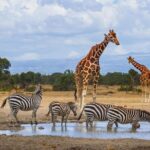
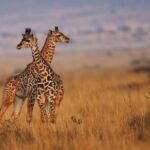
You can look for Big 5 wildlife including lions, cheetahs, and elephants, along with other animals such as hippos, giraffes, gazelles, and more.
What wildlife can I expect in Lake Nakuru?
Lake Nakuru is known for birds (including flamingos) and for rhinos, including black and white rhinos.
Are the hot air balloon ride and boat cruise included?
No. The hot air balloon ride is optional at $540 per person, and a Lake Naivasha boat ride is optional at $20 per person.
How much does the Masai village visit cost?
A Masai village visit is optional and costs $20 per person, payable directly to the Masai Moran as stated.