REVIEW · WINDHOEK
9 Day Canyons, Dunes & Wildlife Camping and Lodge Safari
Book on Viator →Operated by Chameleon Safaris · Bookable on Viator
Namibia hits different when you move fast and sleep outside. This 9-day canyons, dunes, and wildlife route strings together Etosha, Damaraland villages, Swakopmund, Sossusvlei, and the Fish River Canyon. It’s built for people who want real variety without doing the planning headache.
I like the small group size (max 10), because it usually means more time to ask questions and more attention when conditions change. I also like the mix of lodge nights and camping, with guide-prepared meals and sunset stops that feel like the main event, not the side dish. In guides mentioned in past departures, people call out professionals like Gideon, Taime, Kennedy, and Taimi for keeping the pace friendly and the experience safe.
One possible drawback: you’re signing up for long driving days. Even when the scenery is stunning in real life, that much time in the vehicle can feel like a tax if you prefer slower travel. And since this is a social trip, you should know the group can be mixed in language and comfort levels.
In This Review
- Key Things That Make This Tour Worth Your Time
- First Pickup to Etosha Gate: Setting the pace in Windhoek
- Etosha Pan and Etosha Village: Two game-drive styles, two chances
- Damaraland villages to Swakopmund: Culture and a coastline shift
- Swakopmund start, Kuiseb Pass, and the first Sesriem sunset
- Dune 45 sunrise, Sossusvlei on foot, and Dead Vlei contrasts
- Namib Rand camping at Klein-Aus: desert hikes and fire dinners
- Kolmanskop Ghost Town, Luderitz, and wild horses near Aus
- Hell’s Bend over Fish River Canyon and Quiver trees under stars
- Giants Playground to Windhoek drop-off: finishing without rushing
- Price and what $2,568.47 really buys you
- Who this 9-day route suits best
- Should you book this Namibia safari with Chameleon Safaris?
- FAQ
- Where does the tour start?
- What time does the tour begin?
- How many people are on the tour?
- What kind of accommodations and camping are included?
- What meals are included?
- Do you do game drives in Etosha National Park?
- What is provided for camping?
- Is pickup and drop-off included in Windhoek?
- Are optional activities available in Swakopmund?
- Is it safe to book a flight on the last day?
- Is the booking refundable if I cancel?
Key Things That Make This Tour Worth Your Time
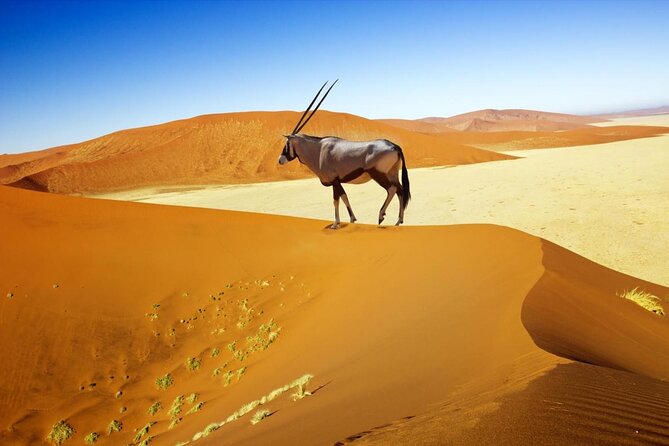
- Etosha game drives with a focus on predators, not just casual stops
- Twin-share lodges plus camping so you get both comfort and that desert-at-night feeling
- Early starts at Sossusvlei, including sunrise timing for Dune 45
- Real desert-meets-coast variety, from Swakopmund to Luderitz and back
- Small-group feel, with guides like Gideon, Taime, and Kennedy mentioned as standouts
- Custom safari vehicle with a pop-up roof, designed for better wildlife viewing and photos
First Pickup to Etosha Gate: Setting the pace in Windhoek
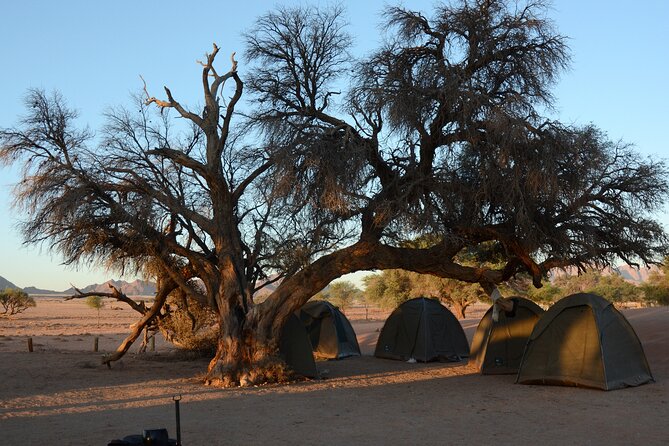
You start in Windhoek at Chameleon Safaris (Ferry Street), with a 7:00 am start. Before you roll, there’s a short pre-departure talk, plus a quick pause in Otjiwarongo for last-minute supplies. It’s a smart way to make Day 1 less chaotic, especially when you’re traveling with camera gear and a cooler bag you promised yourself you’d use.
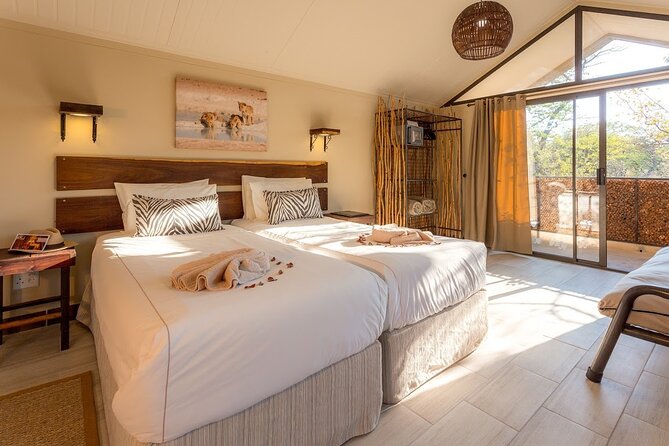
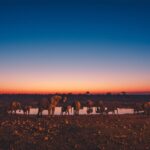
Then you drive toward Etosha via a longer stretch of road time. The arrival is scheduled for the afternoon—Andersson Gate around 2 pm—so you get into the park while there’s still light. You’ll finish the day at Halali, in twin-share rooms. The best practical tip here is simple: spend time at the floodlit waterhole before and after dinner. That’s one of Namibia’s classic wildlife rhythms, and it’s one less thing you have to cram into the next morning.
If you’re hoping to see lots of lions and leopards on the first day, keep expectations flexible. Game viewing is about timing and animal movement, and the value of this route is that you get multiple chances across different parts of the day.
You can also read our reviews of more tours and experiences in Windhoek.
Etosha Pan and Etosha Village: Two game-drive styles, two chances
This is the heart of the wildlife portion. After breakfast, you do a morning drive out searching for predators, and you aim to be at the Etosha Pan by mid-morning. Even if the pan looks quiet, it’s where the name of the park makes sense: it’s a huge salt flat that shapes the entire ecosystem and viewing possibilities.
Later, there’s a picnic lunch inside the park and then a longer final game drive on the way back, exiting just before sunset. You’ll end the day at Etosha Village. The rhythm matters: mornings can be better for activity, while late-day light often helps you spot movement and behavior near water sources.
Practical value for you: the itinerary gives more than one Etosha game-driving moment. That’s important because animal sightings aren’t predictable. More time on the ground usually beats hoping for a miracle in one short window.
Also, because the group is capped at 10, your guide can adjust routes and stops without feeling like a conveyor belt. That’s how you get better eyes on the road and more time to understand what you’re seeing.
Damaraland villages to Swakopmund: Culture and a coastline shift
Day 3 is a long transit day, but it’s not “drive-only.” You go through Damaraland, with a chance to meet the Damara people via a small pop-up shop and a local-environment experience. You’re not just passing through; you’re getting a quick look at how communities live and how they share culture with visitors.
Then you stop near Uis at a Himba settlement. This is built as a short village experience plus resupply time. Again, it’s not a deep academic class. It’s a human-scale pause that helps you understand why Namibia’s different communities stand out so much in daily life.
Next: the Zeila Shipwreck stop while crossing the plains toward the coast. It’s a quick photo and stretch break, but it also marks the weird, memorable transition Namibia does so well: from desert heat to coastal history and wind.
In late afternoon, you reach Swakopmund, checking in at Hotel A La Mer (right across from the beach). Dinner is at your own expense, which I actually like because you can choose the kind of meal you want after a big day on the road.
If you want one practical move here, it’s to plan for an easy evening. Swakopmund can tempt you into optional activities, and you don’t want to burn your energy before the real desert mornings.
Swakopmund start, Kuiseb Pass, and the first Sesriem sunset
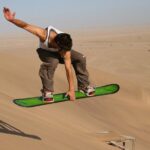
You leave Swakopmund at 11:30, so you get a “sleep in” window. The schedule also leaves room for optional add-ons for adrenaline seekers—things like sandboarding down dunes and quad biking. Those are not required, but the option is there.
Then you drive through the Namib Desert via the Kuiseb Pass and cross the Tropic of Capricorn. That’s a neat moment because it’s not just driving through emptiness—it’s driving through a defined line on Earth. You stop briefly in Solitaire for a snack and leg stretch.
You arrive in the Sesriem area late afternoon and set up camp. Dinner is prepared by your guide, and there’s pool and bar access at camp. The value of that is that you can reset before you start stacking early mornings. Sunset time in this area is one of those Namibia experiences that feels earned after the day’s driving.
One consideration: you’re going from beach-town pacing to desert-camp pacing. Keep your expectation simple—this is where you stop rushing and start living by sunrise and stars.
Dune 45 sunrise, Sossusvlei on foot, and Dead Vlei contrasts
This is the day you schedule for photos you’ll keep for years. You leave camp pre-dawn so you can hit the dunes at first light. You drive down an ancient river bed and stop at Dune 45. The timing is built around sunrise, and you’ll have the chance to climb up for that wide, glowing view.
Then you replenish energy with breakfast and keep moving into Sossusvlei. Here you explore on foot, which is a big deal. You don’t just drive past the scenery; you walk through it, feel the sand, and see the scale change when you’re not inside a vehicle.
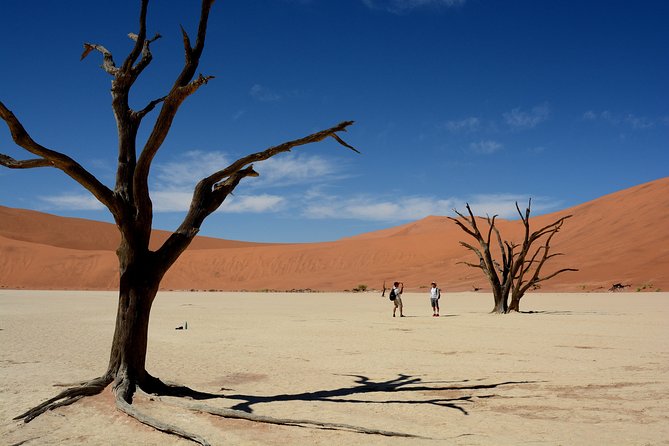
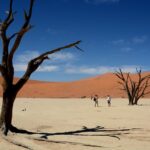
After that comes Deadvlei (Dead Vlei): bleached, cracked clay with skeletal camel thorn trees against massive dunes shifting through colors. The key thing for you is contrast—dry ground, pale trees, and huge dune walls. It reads like a painting, but you experience it with your own eyes and footsteps.
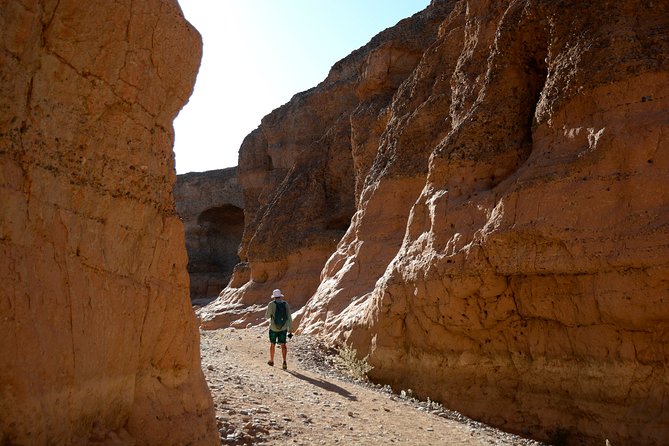
After lunch back at Sesriem, you get downtime during the hottest part of the day—swim, siesta, and letting the dust settle. Later you visit Sesriem Canyon, another classic stop that’s short but scenic.
If you’re deciding what to prioritize mentally, do this: treat the early morning as your main event, and use the rest of the day to rest and recharge. Trying to “do it all” will make you miss the point.
Namib Rand camping at Klein-Aus: desert hikes and fire dinners
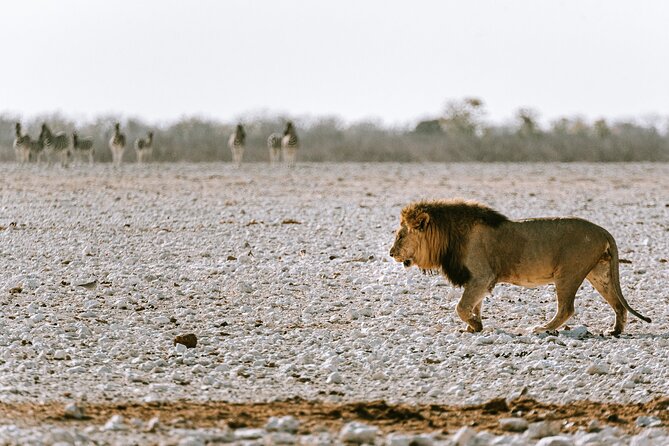
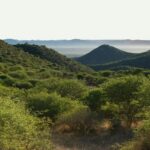
Day 6 shifts the vibe from big-name dunes to quieter desert edges. You depart Sesriem around 09:00 and head south through the Namib Rand Nature Reserve. Your destination is Klein-Aus Vista Desert Horse Campsite, in the Gondwana Sperrgebiet Rand Park area.
This is a smaller outpost, and the itinerary gives you real time there: set up tents in late afternoon, then enjoy short hiking trails and a leisurely sunset. Dinner is prepared by your guide over an open-fire.
For many people, this is the “best sleep” section of the trip. There’s less background noise, and the night sky usually feels closer. If you’re a photographer, this part matters because you’ll be far from city lighting.
Practical reality: camping nights mean you should come prepared for wind, dust, and temperature swings. The tour includes camping equipment except sleeping bags, so you’ll need to plan for that missing piece (more on this in FAQ).
Kolmanskop Ghost Town, Luderitz, and wild horses near Aus
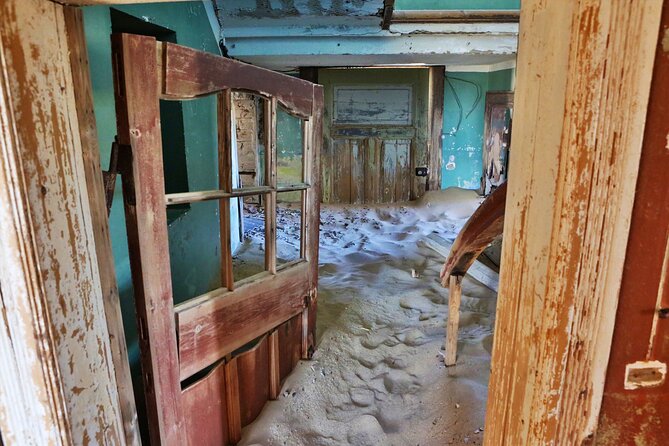
Day 7 is a travel day that still feels like an adventure. After an early breakfast, you go from Klein-Aus to Kolmanskop, a ghost town outside Luderitz. The story here is diamond-era wealth: early 1900s boom, fancy infrastructure, then abandonment when the boom ended. You also hear about unusual history like the southern hemisphere’s first X-ray machine and entertainment-style features like a bowling alley.
Then you continue to Luderitz, where the coast and colorful colonial-style buildings make the town feel like a different world than the dunes. There’s a stop at Diaz Point to see the Original Diaz Cross site.
On the return trip, you keep an eye out for the wild horses of the Namib Desert between Luderitz and Klein-Aus. No one can promise a sighting, but the fact that you build this into your route increases your odds of seeing something rare and hard to plan.
You end the day back at Klein-Aus for another sunset and another guide-prepared dinner. This is where the trip starts feeling like a loop of desert-to-coast-to-desert, which is exactly why the itinerary works.
Hell’s Bend over Fish River Canyon and Quiver trees under stars
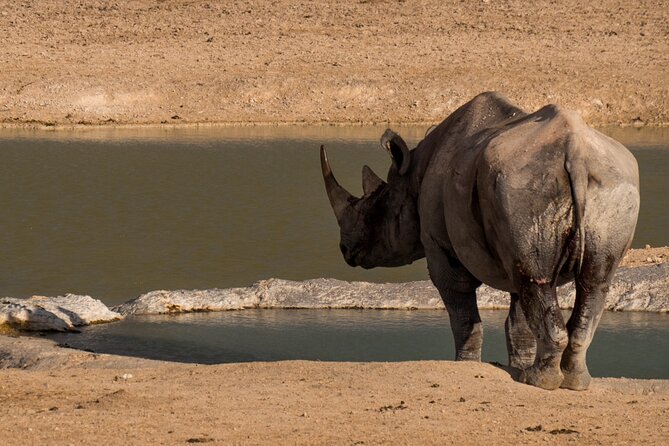
Day 8 moves east to the Fish River Canyon. Your first official stop is the Hell’s Bend viewpoint. It’s described as the second largest canyon in the world, formed millions of years ago through erosion and earth movements. Even if you don’t love geology talk, canyon viewpoints give you that “scale is bigger than my brain” feeling.
After lunch, you drive to Quiver Tree Forest Rest Camp, where you’ll spend your last night camping under the stars. The quiver tree (kokerboom) is Namibia’s national tree, and the forest is protected as a national monument. The itinerary notes around 250 quiver trees here, with estimates that the oldest ones are about 200–300 years old.
If you’re thinking about stargazing, this is your moment. The info also notes permits are not included for night photography, so plan accordingly if you want to do anything more than casual shooting.
This section also gives you a good “wrap up” feeling: you get one more big natural wow, then you slow down and let the night take over.
Giants Playground to Windhoek drop-off: finishing without rushing
Day 9 starts with a relaxed morning at Quiver Tree Forest Rest Camp, plus breakfast. Then you visit the Giants Playground, a geological feature made of dolerite rocks that look stacked by giants.
After that, you drive back to Windhoek through Mariental and Rehoboth, arriving late afternoon. The tour specifically says no flights are recommended on this day. Take that seriously. You don’t want to gamble your return home with a long-distance road finish.
Once you’re back in Windhoek, you’re dropped off back at the meeting point area. It’s a clean end to a trip that has a lot of moving parts.
Price and what $2,568.47 really buys you
At $2,568.47 per person, this tour isn’t cheap. But it also isn’t just “a bus ticket with a few photos.” You’re paying for:
- Multi-day transport across major regions (Etosha, Damaraland, Namib Desert, coast, canyon area)
- Etosha game driving across more than one session
- Lodge nights plus camping for a full blend of comfort and adventure
- Most meals (8 breakfasts, 9 lunches, 7 dinners included)
- A professional English-speaking driver & guide
- Custom safari vehicle with pop-up roof
- Camping equipment excluding sleeping bag
- Pickup and drop-off within Windhoek city limits
For value, I look at what you personally would struggle to organize. This itinerary handles the logistics: accommodations, park days, and meals. If you try to piece together Etosha plus Sossusvlei plus coastal stops by yourself, it’s usually the driving and booking friction that burns time and money.
That said, the price depends on your travel style. If you hate early starts and long car days, you’ll feel the cost more than the value.
Who this 9-day route suits best
This tour fits you best if you want:
- A high-activity intro to Namibia with big highlights in one loop
- A small group and a guide who can adjust pacing and routing
- A mix of wildlife focus (Etosha) and desert-and-coast variety
- To sleep both indoors (twin-share lodge rooms) and outside (tents with open-fire dinners)
It may not fit you as well if:
- You strongly prefer independent travel with your own schedule
- You’re sensitive to group social dynamics (the tour can’t control language or comfort between participants)
- You get worn down by lots of driving days
Should you book this Namibia safari with Chameleon Safaris?
I’d book it if you want an organized Namibia route that hits the famous places while still leaving room for real moments—floodlit waterholes, Dune 45 at sunrise, Deadvlei on foot, and canyon and stars at the end.
Before you say yes, do two practical checks:
1) Confirm you’re okay with long days in the vehicle.
2) Plan for camping properly, especially the sleeping bag, since that isn’t included.
If those two boxes are green for you, this is a strong way to see Namibia’s best hits without turning your trip into a spreadsheet project.
FAQ
Where does the tour start?
The tour starts at Chameleon Safaris, Ferry Street, Windhoek, Namibia.
What time does the tour begin?
The start time is 7:00 am.
How many people are on the tour?
The maximum group size is 10 travelers.
What kind of accommodations and camping are included?
The package includes 3 nights accommodation and 5 nights camping on a twin-share basis. Camping equipment is included, but a sleeping bag is not.
What meals are included?
Breakfast is included (8), lunch is included (9), and dinner is included (7). Drinks are not included.
Do you do game drives in Etosha National Park?
Yes. The tour includes 1 full day and 1 afternoon game drive in Etosha National Park.
What is provided for camping?
Camping equipment is provided, but you must bring your own sleeping bag. Tap water is included.
Is pickup and drop-off included in Windhoek?
Yes, pickup and drop-off within Windhoek city limits is included.
Are optional activities available in Swakopmund?
Optional activities are mentioned for Swakopmund, but they are not included in the package.
Is it safe to book a flight on the last day?
No flights are recommended on Day 9, since you return to Windhoek late afternoon.
Is the booking refundable if I cancel?
No. This experience is non-refundable and cannot be changed for any reason.