
REVIEW · NEW DELHI
Delhi Agra Jaipur Golden Triangle Multiday Trip with Safari
Book on GetYourGuide →Operated by Sameday Taj Mahal · Bookable on GetYourGuide
Delhi-Agra-Jaipur in one clean package. Add a Ranthambore tiger safari and you’ve got the kind of trip that feels efficient but not rushed. This private multiday route mixes famous sights with early-morning access, plus guides who help you make sense of what you’re seeing.
I especially like the sunrise Taj Mahal plan, paired with skip-the-line entry through a separate entrance. I also like the driving structure: a private AC car gets you from monument to monument with less hassle than trying to plan buses, tickets, and guides on your own.
One thing to consider: hotel quality can vary depending on the option you pick and the star rating you choose, and you may see shops/ticket conversations that feel sales-y if you’re not firm about skipping stops.
In This Review
- Key points to know before you go
- Price and value: what $135 covers (and what it doesn’t)
- Private car logistics: why this route works better with a driver
- The sunrise Taj Mahal plan: early entry is the whole game
- Day 1 in Delhi: iconic monuments plus a Chandni Chowk ride
- Day 2 in Agra: Agra Fort and Itmad-ud-Daula after the Taj
- Day 3: Fatehpur Sikri and Abhaneri on the way to Ranthambore
- Day 4: Ranthambore morning safari and a drive into Jaipur
- Day 5 in Jaipur: Pushkar day trip and a slower Rajasthan rhythm
- Day 6 in Jaipur: Amber Fort, City Palace, Jantar Mantar, and the Pink City icons
- Day 7: Jaipur back to Delhi with airport drop
- Shorter 3-, 4-, and 5-day versions: same highlights, tighter days
- Hotels and room setup: the part you should plan around
- Tour guides and driver roles: where the trip gets its personality
- Shopping stops and tip pressure: how to keep control of your day
- Who should book this Golden Triangle with safari
- Should you book this tour?
- FAQ
- How long is the trip?
- Which cities are included?
- Is the Taj Mahal included, and do you go at sunrise?
- Is the tiger safari included?
- Are monument entrance fees included?
- What languages are the tour guides available in?
- Are meals included?
Key points to know before you go
- Sunrise timing for the Taj Mahal makes the experience feel calmer and more photo-friendly
- Private AC car + local guides reduce waiting and help you understand each stop fast
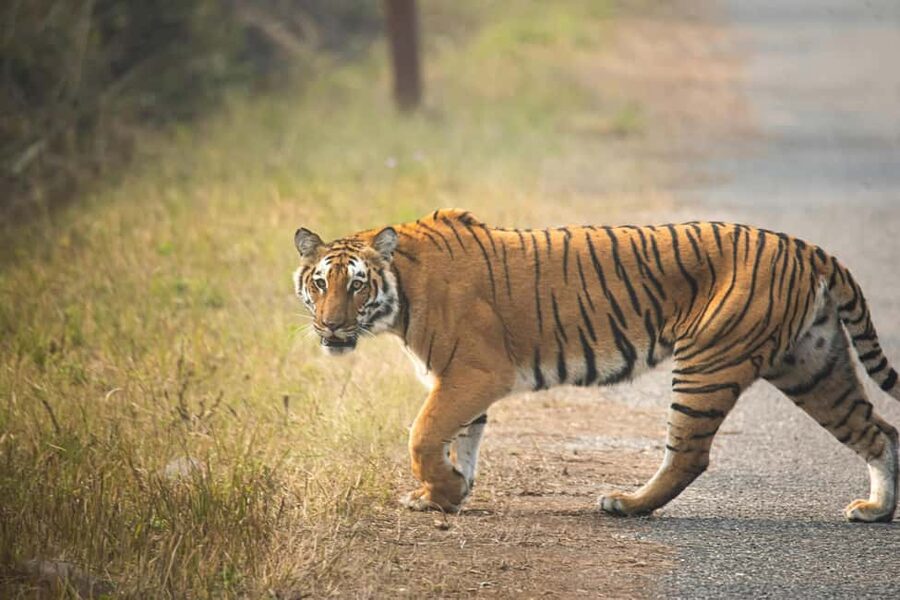
- Ranthambore morning jungle safari adds the wild-card highlight beyond the Golden Triangle classics
- Twin-sharing rooms are standard, so plan your room setup carefully if you’re traveling as a group
- Your guide may suggest optional shopping stops, so bring a clear no and stick to it
- Roughly planned pacing means you’ll see a lot, but you’ll also spend meaningful time on the road
Price and value: what $135 covers (and what it doesn’t)
At $135 per person, the big value is that you’re not just buying sightseeing. You’re buying a setup: private AC transport, local guides, and a route that strings Delhi, Agra, Jaipur, and Ranthambore together with minimal coordination work on your side.
Meals are not included, and personal expenses are also on you. That’s normal for tours like this, but it matters: you’ll want to budget for lunch and dinner on travel days, especially because you’ll be out for long stretches.
Also, hotels depend on the option selected. When you do include hotels, the tour advertises 5-star accommodation—but I’d still read the star label as a starting point, not a guarantee of how it will feel to you.
You can also read our reviews of more tours and experiences in New Delhi.



Private car logistics: why this route works better with a driver
Golden Triangle routes are popular for a reason, but the real challenge is the day-to-day movement. This trip solves that with private air-conditioned car service and pickup/drop-off at your hotel or airport in New Delhi, Noida, or Gurugram.
Transport varies by group size (AC Sedan for 1–2 people, A/C Carens or Innova for 3–5, and a tempo traveller/mini bus for larger groups). That’s helpful because it usually means you won’t be squeezed into an undersized vehicle.
Safety and comfort come up a lot in real experiences. You’ll likely have a driver who gets you right to the monument or hotel door, which is a lifesaver in Delhi’s traffic patterns and around busy historical sites.
The sunrise Taj Mahal plan: early entry is the whole game
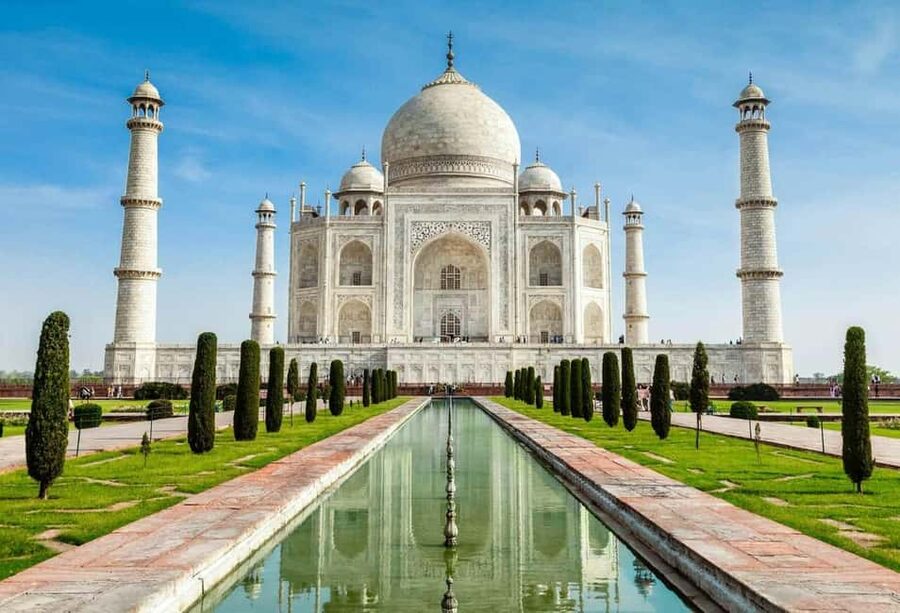
The Taj Mahal is the Taj Mahal, but sunrise changes the feeling. You’ll go early enough to catch soft light and fewer crowds, and the tour includes skip-the-line access via a separate entrance (if monument entrance is selected in your option).
You’ll also see the Taj Mahal on a full day in Agra, not as a quick stop between trains. That matters because it gives you time to slow down for photos, architecture details, and the story behind why this mausoleum still hits hard centuries later.
Practical tip: bring sunglasses. Even in cooler months, early morning brightness and reflective marble can be harder on your eyes than you’d expect.
Day 1 in Delhi: iconic monuments plus a Chandni Chowk ride
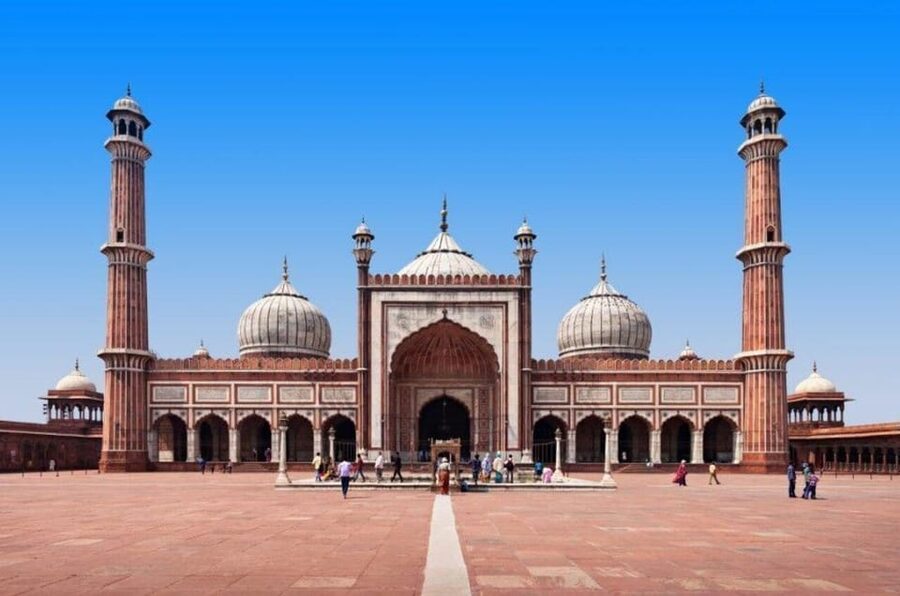
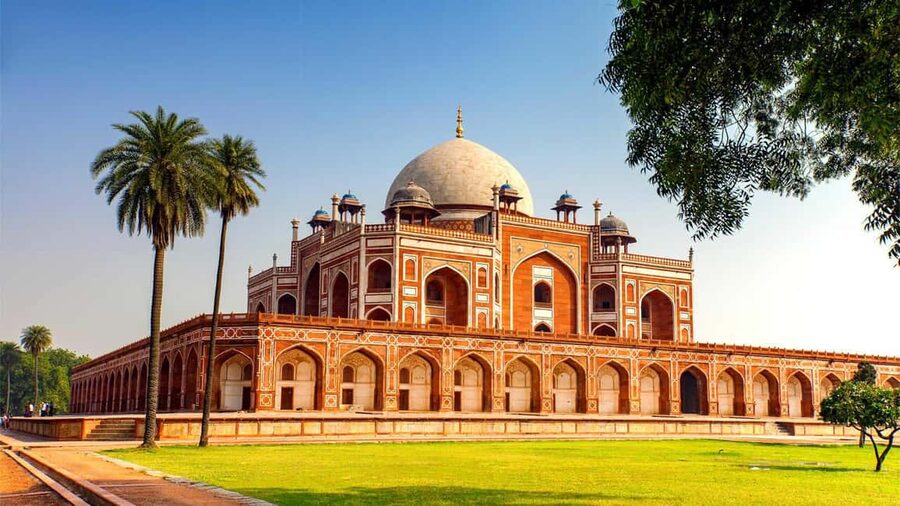
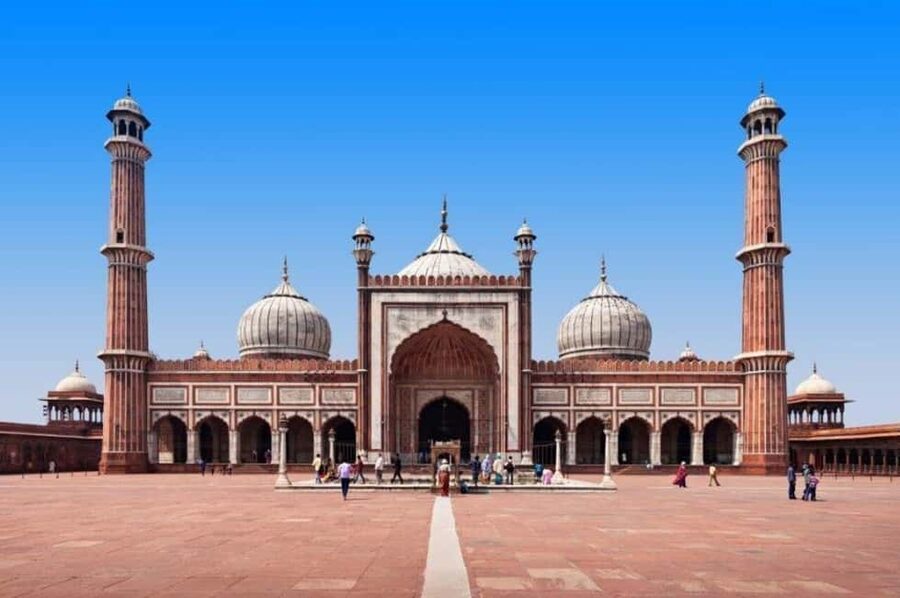
Your first day is built for orientation and contrast. In Delhi, you’ll hit Qutub Minar, India Gate, Humayun’s Tomb, the Lotus Temple, Jama Masjid, and Akshardham, plus a Chandni Chowk rickshaw ride.
Here’s how I’d think about these stops:
- Qutub Minar gives you early medieval scale and design that’s still impressive in person.
- Humayun’s Tomb is a key stepping stone to the later Mughal style you’ll see in Agra.
- Jama Masjid and the Chandni Chowk area work as your street-level Delhi moment: busy lanes, food smells, and the sense of a living city.
One thing to watch: sites can cluster into a long day. You’ll want comfy shoes and a mindset that this is sightseeing-heavy, not a slow morning stroll.
Day 2 in Agra: Agra Fort and Itmad-ud-Daula after the Taj
Day two is the Agra double hit. You’ll start with sunrise at the Taj Mahal, then move into Agra Fort and Itmad-ud-Daula.
Agra Fort is a different kind of wow. It’s not just one main view; it’s about walls, layers, and the way the fort controls the city. If you want to understand how the Mughals thought about power and defense, this stop explains a lot.
Itmad-ud-Daula is smaller than the Taj, but that’s part of the charm. You’ll see the refined, detailed Mughal design that helps you connect the dots between earlier tomb traditions and the grand end result at the Taj.


Day 3: Fatehpur Sikri and Abhaneri on the way to Ranthambore
On the route toward Ranthambore, you’ll go through a classic detour set: Fatehpur Sikri and Abhaneri Stepwell, with an overnight in Ranthambore.
Fatehpur Sikri is a huge “how did they build this?” place. It’s also a site that rewards paying attention to layout rather than only looking for one perfect postcard view. It’s the kind of stop that feels like history in stone.
Abhaneri Stepwell is the wild card. You’re trading one famous monument for a different visual puzzle—geometry, steps, and light. It’s also one of those stops that can be very memorable because it feels less crowded than the headline attractions.
Road time is part of the plan. This day is about stacking sights along the route so you don’t lose the travel day to nothing.
Day 4: Ranthambore morning safari and a drive into Jaipur
Today is split between wild and grand. You’ll enjoy a morning jungle safari in Ranthambore, then continue by road to Jaipur for your overnight.
A tiger safari is always unpredictable in the way real wildlife is. What you can count on is early morning energy and the chance to see the reserve’s ecosystem up close. Even if sightings aren’t guaranteed, the safari itself is still the point.
After the safari, you’ll drive to Jaipur. That’s a long shift, so I recommend treating Jaipur arrival as a “reset” moment—shower, recharge, then plan your main palace day for tomorrow.
Day 5 in Jaipur: Pushkar day trip and a slower Rajasthan rhythm

The itinerary shifts gears on day five with Pushkar. You’ll visit the Brahma Temple, Pushkar Lake, and the local market.
Pushkar feels different from Jaipur. It’s more human-scale: small streets, temple atmosphere, and a lake-centered rhythm that makes it easier to slow down after monument-heavy days. This is the day that can feel most like a cultural pause.
If you’re a photo person, markets and temple edges give you good shots without needing permission for staged set pieces.
Day 6 in Jaipur: Amber Fort, City Palace, Jantar Mantar, and the Pink City icons
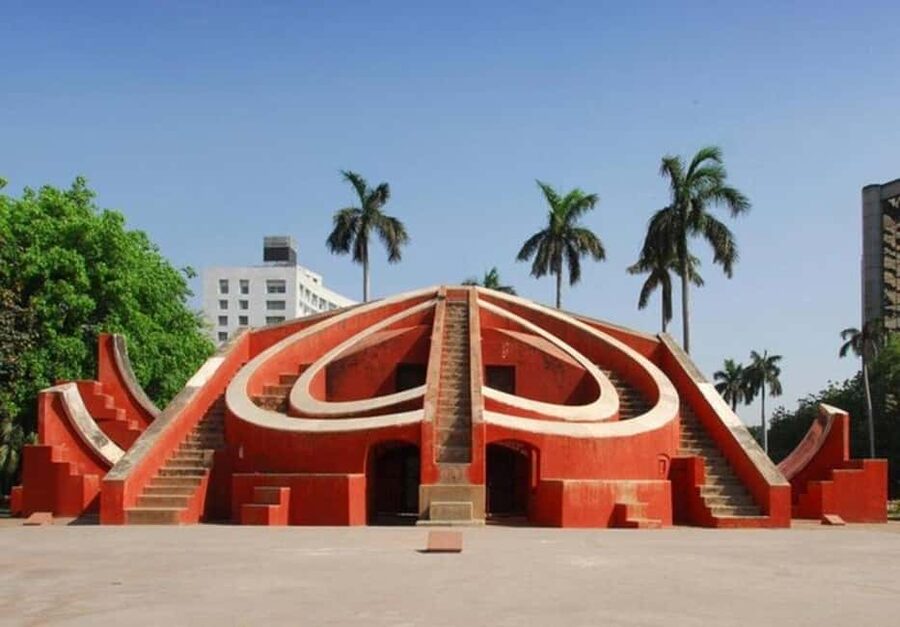
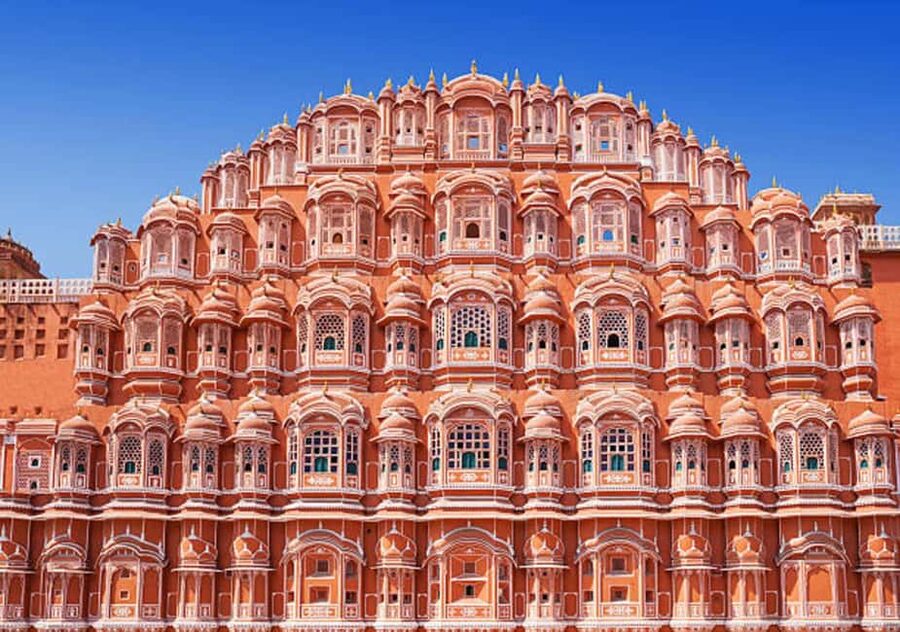
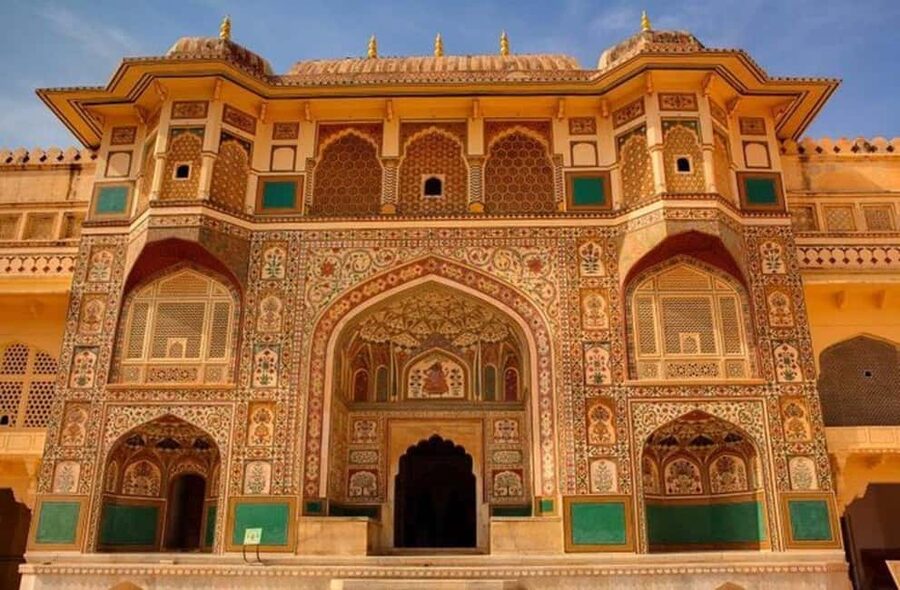
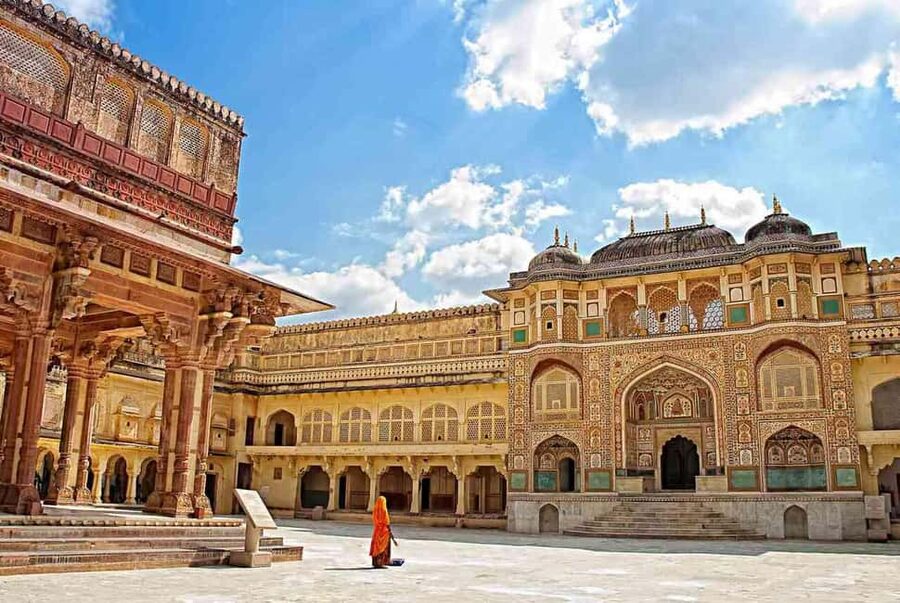
Day six is Jaipur at full volume. You’ll see Amber Fort, City Palace, Jantar Mantar, Hawa Mahal, and Jal Mahal, then shop in the Pink City markets.
How each one works in real life:
- Amber Fort is architecture you can walk through. It gives you scale and texture, not just a view from outside.
- City Palace helps you understand Jaipur’s royal world and how the city used art and power together.
- Jantar Mantar is science-as-monument. It’s a fun place to learn by looking—numbers and shadows become the show.
- Hawa Mahal gives you the iconic honeycomb façade, the kind of view that makes the city look like it belongs in a storybook.
- Jal Mahal is visual contrast—palace-on-water-from-distance.
Shopping time is included. Just remember: markets can be good fun if you’re shopping with a plan, and exhausting if you’re trying to decide every five minutes. If you’re not shopping, keep your boundary gentle but firm.
Day 7: Jaipur back to Delhi with airport drop
For the 7-day option, you’ll return from Jaipur to Delhi and get an airport drop. This keeps the trip “complete” instead of forcing you to figure out your own last transfer.
This is also a good day to leave your biggest shopping targets for early in the Jaipur portion. By the last day, you’ll likely be thinking about packing, souvenirs, and getting out on time.
Shorter 3-, 4-, and 5-day versions: same highlights, tighter days
If you’re choosing a shorter option, the structure stays the same, but the pacing compresses:
- 3 days: Delhi → Agra (sunrise Taj) → Jaipur, then drive back to Delhi.
- 4 days: adds a morning Ranthambore safari stop between Agra and Jaipur.
- 5 days: includes Ranthambore safari and then builds out Jaipur in more depth.
- 7 days: is the full spread, with Pushkar as well.
If your priority is getting the Taj Mahal and the Jaipur classics, a shorter version can feel like the smart move. If your priority is the tiger safari plus Rajasthan culture, I’d lean toward 5 or 7 days so travel days don’t feel like a blur.
Hotels and room setup: the part you should plan around
Hotels are included only if that option is selected. The tour description mentions 5-star hotels, and in real experiences some people felt the comfort matched that expectation.
One caution I’d take seriously: room experience can vary by rating and by how hotels compare across countries. If you see the option to choose higher-rated stays, consider paying for it. It’s not just about luxury; it’s about sleep quality after long road days.
Rooms are on a twin-sharing basis. If three people are booked, a triple-sharing room is allocated by default, unless you pay an additional charge to get two rooms. If this affects your group, decide early so nobody is negotiating on arrival day.
Tour guides and driver roles: where the trip gets its personality
The private guide setup is one of the best parts, because you’re not stuck reading plaques while a driver waits. You’ll have live tour guides in English (plus French, Japanese, Spanish, Italian depending on your group).
You might be paired with guides like SK in Delhi, Imran in Agra, or Abbas in Jaipur, and in Ranthambore/Fatehpur Sikri/Abhaneri/Puskar you may meet specialists such as Soyeb, Sanjay, Azar, Mehfooz, or others listed for different segments.
Drivers also shape the trip. People often highlight drivers like Sahil, Ashok, Manoj, Shalin, Faruk, and Anil for being punctual, safe, and easy to work with—especially in traffic and when timing changes.
My practical advice: ask your guide to set expectations early. Example: confirm your pace, your photo stops, and where you want to spend extra time at Amber Fort or Jantar Mantar.
Shopping stops and tip pressure: how to keep control of your day
This is the one area where I’d be ready with a plan. Some guides may suggest visits to shops, and you could feel sales pressure around rugs, jewels, fabrics, or other souvenirs. There can also be repeated requests for tips.
Here’s what works in practice:
- Decide your shopping budget before you go.
- If you don’t want shop detours, say no early and keep it simple.
- If anything feels off—like being asked to pay for something you believe is already included—speak up right away.
You’ll have a private group option, so you’re not stuck with strangers dragging your pace. Still, your boundary habits matter.
Who should book this Golden Triangle with safari
This tour is a strong fit if you:
- want the classic Golden Triangle hits with less planning work
- care about sunrise Taj Mahal and don’t want to guess timing
- want a true wildlife day via Ranthambore safari
- like the idea of getting historical context from a local guide
It may feel less ideal if you:
- want totally free time each day with no monument schedule
- dislike any shop stops or sales pressure, even if you can say no
- expect hotel star ratings to translate perfectly across countries
Should you book this tour?
I’d book it if your dream list includes Taj Mahal at sunrise, Agra’s fort-and-tomb pairing, Jaipur’s major monuments, and a real shot at seeing wildlife in Ranthambore without doing logistics yourself.
I’d think twice if you’re hotel-snobby about comfort after long drives and you’re not selecting the best accommodation option. In that case, spend the extra effort to confirm what you’re getting, because your sleep quality will decide how much you enjoy Day 6–7.
If you like structure, early starts, and the satisfaction of ticking off big sights with minimal friction, this is a solid way to do it.
FAQ
How long is the trip?
It runs from 3 to 7 days, depending on the option you select.
Which cities are included?
You’ll visit Delhi, Agra, and Jaipur, and you’ll also include Ranthambore for the tiger safari.
Is the Taj Mahal included, and do you go at sunrise?
Yes. The plan includes sunrise Taj Mahal.
Is the tiger safari included?
Yes. The itinerary includes a morning jungle safari in Ranthambore.
Are monument entrance fees included?
Monument entrance is included if you select the option that includes entrance.
What languages are the tour guides available in?
Guides are available in English, French, Japanese, Spanish, and Italian.
Are meals included?
No. Meals are not included. You’ll also have personal expenses on your own.