REVIEW · NEW DELHI
4 Day Golden Triangle with Ranthambore Tiger Safari Tour from Delhi
Book on Viator →Operated by Crystal India Holidays · Bookable on Viator
Four days can feel like sprinting in a monument maze. This Golden Triangle with Ranthambore tiger safari is built for people who want big highlights fast, with private transport and local guides moving you city to city.
I especially like the private, guided format—you’re not decoding bus routes at every stop. And I really like the way the trip “front-loads” the day, with sunrise at the Taj Mahal and an early Ranthambore safari before you hit Jaipur.
One thing to plan for: tiger sightings are not guaranteed. Ranthambore is a luck game, and you’ll be dealing with shared safari vehicles and set safari zones.
In This Review
- Quick Key Points Before You Go
- A 4-Day Golden Triangle That Actually Fits Real Life
- Price and What You’re Getting for $289.58
- Day 1 in Delhi: Qutub Minar, Lotus Temple, India Gate, and Then Off to Agra
- Qutub Minar (with a real guide start)
- Lotus Temple (peaceful, quick, and easy)
- India Gate and the drive-by presidential and parliament views
- Agrasen ki Baoli (your under-the-radar moment)
- Driving time, lunch time, and then Agra check-in
- Day 2: Sunrise Taj Mahal, Agra Fort, and Baby Taj
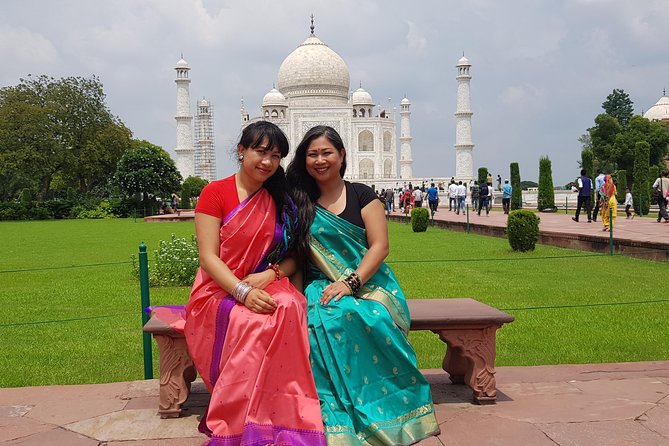
- Taj Mahal at sunrise (with the included battery bus)
- Agra Fort (UNESCO and all the power vibes)
- Itmad-ud-Daula (Baby Taj)
- Transfer onward to Ranthambore
- Day 3: Ranthambore Sunrise Safari and Jaipur Wind-Down
- Ranthambore National Park safari (2 to 3 hours)
- The tiger reality: luck plus the right zone
- Jeep vs canter expectations
- Jaipur check-in and time at leisure
- Day 4: Amer, City Palace, Jantar Mantar, Hawa Mahal, and the Trip Back to Delhi
- Panna Meena ka Kund
- Amer Palace (UNESCO) and panoramic views
- Jal Mahal (the “lake palace” moment)
- City Palace and the option that costs extra
- Jantar Mantar (astronomical instruments)
- Hawa Mahal (Palace of Breeze) as a drive-by or quick visit
- Gaitore Ki Chhatriyan
- Back to Delhi late evening
- Hotels, Car Comfort, and the Small Things That Make It Work
- Guides, Coordination, and Why Names Keep Showing Up
- The Tiger Safari Section Most People Wish They’d Read First
- Should You Book This 4-Day Golden Triangle With Ranthambore?
- FAQ
- How long is the tour?
- Where does pickup happen?
- Is transport included between cities?
- What safari vehicle will I use in Ranthambore?
- Are there guides during the sightseeing and safari?
- Is the Taj Mahal entrance included?
- What meals are included?
- Are hotels included?
- Is tiger spotting guaranteed?
- Is the Lotus Temple always open?
Quick Key Points Before You Go
- Private driver + local guides in Delhi, Agra, Jaipur, and a park guide for the safari
- Sunrise Taj Mahal with the included battery bus ride from the parking area
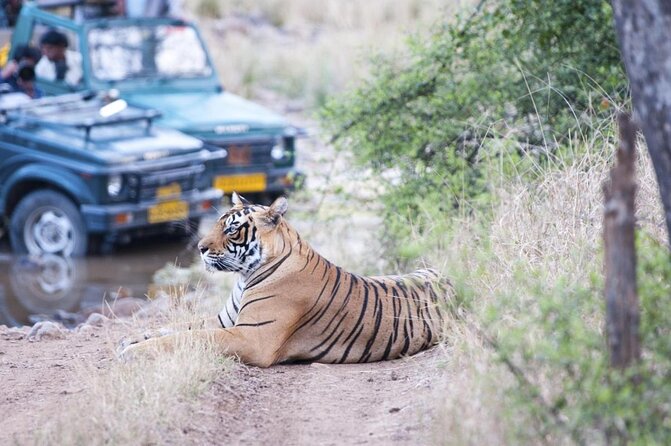
- Ranthambore safari in a shared jeep or shared canter (government-run zones)
- All the main Golden Triangle stops in 4 days, including Amer Palace and Jantar Mantar
- Breakfast every day, plus 1 dinner in Ranthambore (if hotels are included)
A 4-Day Golden Triangle That Actually Fits Real Life
If you only have a short window in North India, this route makes sense. You get Delhi’s iconic monuments, the Mughal masterpieces in Agra, Jaipur’s forts and royal sights, plus a real wildlife outing in Ranthambore National Park. The secret isn’t magic. It’s logistics: pickup, air-conditioned vehicle, set guiding time, and a planned order that keeps you from wasting half your day getting from A to B.
Also, the tour is private. That means your group is the only group using your transport and guides. In practice, that usually equals less stress, fewer misunderstandings, and more flexibility when something runs long at a monument.
You can also read our reviews of more tours and experiences in New Delhi.



Price and What You’re Getting for $289.58
The listed price is $289.58 per person for a 4-day run. That sounds like a bargain until you look at what’s actually included.
You get:
- private, air-conditioned transport with a driver
- hotel or airport pickup and drop-off
- sightseeing with private local guides
- daily breakfast (when booking the hotel-inclusive option)
- a tiger safari in Ranthambore via shared jeep or shared canter
- mineral water during travel
- Taj Mahal battery bus ride (to and from the Taj parking area)
What you don’t get is monument entry fees. Your guide helps with ticket purchase, but entrance fees are listed separately: ₹5,000 per person for monuments.
So the value math looks like this: you’re paying for time saved and guidance time earned. If you’re the type who can get by with DIY public transport, you might spend less money doing it alone. But if you want the smooth version—especially the early starts and long drives—this price is often easier to justify.
Day 1 in Delhi: Qutub Minar, Lotus Temple, India Gate, and Then Off to Agra
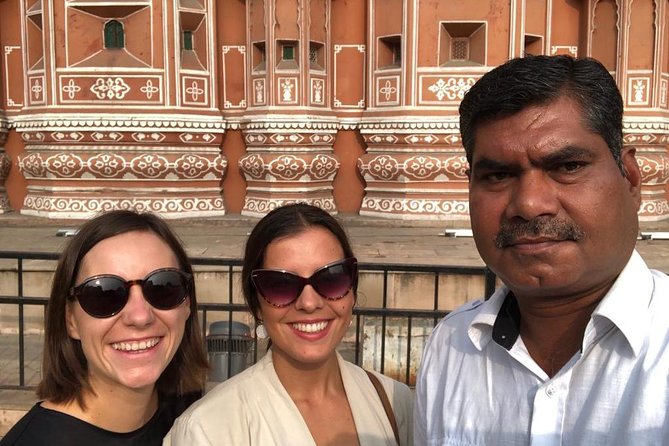
Day 1 is a classic Delhi sampler, but it’s not random. You’ll start with a guided run centered on big-name landmarks, then you’ll shift into driving mode toward Agra.
Qutub Minar (with a real guide start)
Qutub Minar is one of those places where you get your bearings fast. Your guide kicks things off right after pickup, so you’re not just walking into a site and guessing what matters. Admission for this stop is not included, so plan on paying that through the ticket process with your guide.
Lotus Temple (peaceful, quick, and easy)
The Lotus Temple stop is short and focused. It’s also free to enter, and it’s a nice contrast after older Mughal-era architecture nearby. The design is visually strong even if you’re tired.


India Gate and the drive-by presidential and parliament views
India Gate is another quick stop—often a good photo pause. Then you’ll have a drive-by look at the Parliament House and Rashtrapati Bhavan. These are great if you’re short on time and want the visual checkmarks without losing hours.
Agrasen ki Baoli (your under-the-radar moment)
Agrasen ki Baoli is a stepwell setting that feels tucked away and quietly atmospheric. It’s a “slower” stop in an otherwise fast day, and that balance helps you enjoy Delhi instead of rushing through it like a checklist.
Driving time, lunch time, and then Agra check-in
There’s time built in for driving and a lunch opportunity. After that, you reach Agra and check in for the night. The useful part here is that you arrive with a schedule already handled, instead of trying to figure out where to stay once you’re exhausted.
Day 2: Sunrise Taj Mahal, Agra Fort, and Baby Taj
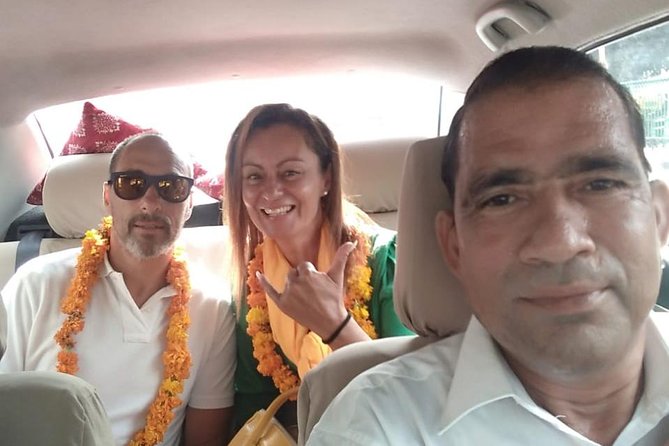
Day 2 is the reason people sign up. It starts early—this is the day you do the sunrise Taj Mahal. Expect an early rise. The payoff is that you’re there before the day gets loud.
Taj Mahal at sunrise (with the included battery bus)
The tour includes a battery bus ride up to the Taj Mahal monument area (and back to the parking lot). That small detail matters because it cuts down walking after an early start. Bring sunscreen and water. Even at sunrise, India can surprise you fast.
Agra Fort (UNESCO and all the power vibes)
Agra Fort gives you a different view of Mughal strength. This stop is about scale, layout, and history you can actually picture once you’re in front of the walls.
Itmad-ud-Daula (Baby Taj)
This is where the trip shows good taste. It’s often less crowded than the Taj Mahal itself, and it’s visually more delicate. If you like details, you’ll likely enjoy the slower mood.
Transfer onward to Ranthambore
After Agra, you move to Ranthambore and check in. The schedule gives you time to settle before tomorrow’s safari morning. In a tour like this, that decompression is worth more than it sounds.
Day 3: Ranthambore Sunrise Safari and Jaipur Wind-Down
This is where the tour flips from monuments to wildlife.
Ranthambore National Park safari (2 to 3 hours)
You’ll head out early to Ranthambore National Park for a shared jeep or shared canter safari. You’ll spend around 2 to 3 hours inside the park, which is long enough for real moments—deer, birds, tracks, and hopefully a tiger.
The tiger reality: luck plus the right zone
Here’s the important part: spotting a tiger depends on luck. Also, the safari zone is assigned based on government availability. That means you can’t always predict where you’ll enter the park.
Your safari guide is English speaking, but the tour info also notes that English fluency can vary. In other words: you’ll get useful wildlife context, but don’t assume perfect storytelling in every moment.
Jeep vs canter expectations
The tour tries for a shared jeep. If a jeep isn’t available, you may get a shared canter. A canter is larger, and one safari review pointed out it can feel colder in an open-style vehicle. Pack accordingly. A light layer helps.
Jaipur check-in and time at leisure
After safari, you arrive in Jaipur and check in. The rest of the day is yours to enjoy at leisure. This is smart. When you’ve done an early wildlife start, you don’t want a packed “every hour” schedule.
Day 4: Amer, City Palace, Jantar Mantar, Hawa Mahal, and the Trip Back to Delhi
Day 4 is pure Jaipur highlight mode. Expect a full day of stops, then a drive back to Delhi later.
Panna Meena ka Kund
This stepwell stop is quick, but it adds flavor. It’s one of those places that shows Jaipur has more than just palaces and photo stops.
Amer Palace (UNESCO) and panoramic views
Amer is a major hit for a reason. You’ll spend enough time to see the palace spaces and take in the broader setting. If you love architecture, this is your anchor stop.
Jal Mahal (the “lake palace” moment)
Jal Mahal sits in Man Sagar Lake. You don’t need hours here. A focused visit is enough to appreciate the contrast of royal design and water setting.
City Palace and the option that costs extra
City Palace is included as a stop, but the admission is listed as not included. Your guide will help you purchase tickets, and that’s helpful when you’re juggling time and crowds.
Jantar Mantar (astronomical instruments)
Jantar Mantar is UNESCO and a great reminder that science was part of royal life. This stop can be short or longer depending on your interest, but the instruments give you a way to “read” the space.
Hawa Mahal (Palace of Breeze) as a drive-by or quick visit
Hawa Mahal is listed as a drive-pass tour stop. You still get the classic façade view, but you won’t spend the whole day inside it. That’s good for keeping the day on track.
Gaitore Ki Chhatriyan
This stop adds a different tone: royal crematoriums and stone memorial architecture. It’s a calmer, quieter final touch in Jaipur before you head back.
Back to Delhi late evening
You’ll drive back to Delhi. The tour info notes a return around 9 pm on Day 4. If you need to arrive earlier, ask before you book so the schedule can be adjusted.
Hotels, Car Comfort, and the Small Things That Make It Work

Three nights of accommodation are included when you choose the hotel-inclusive option. Rooms are generally twin-sharing. If you travel as three people, rooms default to triple-sharing unless you pay extra to get two rooms.
Comfort-wise, you’ll travel in an air-conditioned vehicle, and you should have mineral water available during journeys. Many people also praise their drivers for being prompt and careful on the road, which matters on long Indian driving days.
One review also mentioned the safari vehicle feeling more like an uncovered bus, and cold being a factor. Even in warmer seasons, bring something light you can throw on for morning safari.
Guides, Coordination, and Why Names Keep Showing Up
A nice thing about this tour is the way it leans on local guidance. You’ll have private local guides for the city stops, and a safari guide for Ranthambore. The info also notes guides assist with entrance tickets so you don’t lose time in lines.
From the named guide examples tied to this tour style, I saw Delhi guides like Himashu and Kaushiki, Agra guides like Narender, Rishabh, and others, plus Jaipur guides like Gaurav and Raghu. The pattern is clear: people who want history and practical photo help seem to get it.
On the driving side, certain drivers were repeatedly singled out for keeping things on time and making guests feel safe, including Madan, Rajesh, Paramjeet, Manu, and Subhash in different trips.
If that sounds like “branding,” it’s not. In a tour with early starts and long drives, the guide and driver are the difference between a smooth day and a chaotic one.
The Tiger Safari Section Most People Wish They’d Read First
Ranthambore is not a zoo. It’s wildlife in the wild, and the tour plan respects that by keeping the safari time realistic (about 2 to 3 hours) and using shared safari vehicles with government zone assignments.
So here’s how I’d plan your expectations:
- Tigers are possible, not guaranteed.
- You’ll likely see plenty of other animals and birdlife even without a tiger.
- Your best shot comes from arriving ready for early morning conditions and trusting the guide’s navigation inside the allotted zone.
If you truly need a tiger photo, add cushion time to your schedule in general. But within the 4-day format, you’re doing what you can: an early safari day with professional park guidance.
Should You Book This 4-Day Golden Triangle With Ranthambore?
Yes, if:
- you want Delhi, Agra, Jaipur, and Ranthambore in one efficient plan
- you prefer private transport and guided stops over public-transport juggling
- you’re okay paying monument entry fees on top of the base price
- you understand the safari is luck-based and you’ll enjoy the park even without a tiger
Skip or reconsider if:
- you hate early mornings. Taj sunrise and safari starts are part of the deal
- you want guaranteed wildlife sightings (you won’t get that anywhere in Ranthambore)
- you expect every safari vehicle to feel cozy. A shared jeep or canter can bring chilly conditions, especially mornings
If you book, do this before you go: pack a light layer for safari mornings, keep your passport handy (passport is required on travel day), and bring a positive mindset for the randomness of wildlife. This tour works best when you treat it like a well-run sprint, not a slow wander.
FAQ
How long is the tour?
It runs for 4 days (approx.).
Where does pickup happen?
Pickup is available from your hotel, the airport, or another desired location in Delhi, Noida, or Gurugram.
Is transport included between cities?
Yes. You travel by a private, air-conditioned vehicle with a driver, and hotel/airport transfers are included.
What safari vehicle will I use in Ranthambore?
You’ll do the tiger safari in a shared jeep or shared canter, depending on availability.
Are there guides during the sightseeing and safari?
Yes. The city sightseeing includes private local guides, and Ranthambore includes an English-speaking guide for the safari.
Is the Taj Mahal entrance included?
Entrance fees for monuments are not included. The listed separate monument entrance fee is ₹5,000 per person, and your guides help with ticket purchase.
What meals are included?
The tour includes daily breakfast (when you book with hotel option) and one dinner at the hotel in Ranthambore.
Are hotels included?
You get three nights accommodation if you book an option that includes hotels.
Is tiger spotting guaranteed?
No. Spotting a tiger largely depends on luck, and tiger sightings are not guaranteed.
Is the Lotus Temple always open?
No. The Lotus Temple remains closed every Monday.