REVIEW · ARUSHA
3-Day Tarangire, Ngorongoro and Lake Manyara Camping Safari
Book on Viator →Operated by Bush and Forest Explorers · Bookable on Viator
Tanzania hits different when your days are built around wildlife, not checklists. This 3-day Tarangire, Ngorongoro, and Lake Manyara camping safari is interesting because it strings together three very different ecosystems, and you get game drives plus meals in between.
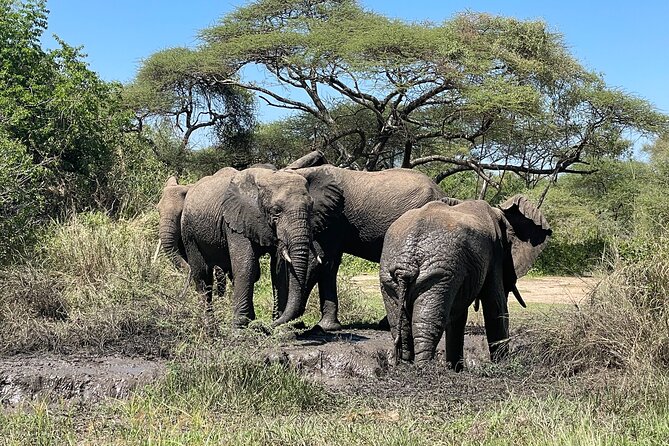
I especially like the open-roof game drive style at Tarangire, plus the chance to focus on elephants along the Tarangire River without the constant churn you can get elsewhere.
What I like even more is the big “wow” day: the Ngorongoro Crater descent where you’re looking at a huge animal mix in one place, plus a packed lunch that keeps the day moving.
The main drawback to consider is simple: this is a classic long-drive schedule (Arusha to parks and back), so you’ll want to be comfortable spending several hours on the road each day.
In This Review
- Key highlights that matter before you book
- The real value of a 3-park safari (and why this one fits)
- Day 1 in Tarangire: giant baobabs, river elephants, and an open-roof search
- Day 2 at Ngorongoro: crater-floor wildlife density and a 9:00 AM descent
- Night in Mto Wa Mbu: why the base town makes the schedule easier
- Day 3 at Lake Manyara: groundwater forest shade and the lake’s wildlife patterns
- Food, timing, and what’s included on this safari
- Price and value: is $750 per person worth it?
- The people who will enjoy this most
- Should you book this 3-Day Tarangire, Ngorongoro and Lake Manyara Safari?
- FAQ
- What parks are included in the 3-day safari?
- Where does the safari start and end?
- What time is pickup on Day 1?
- What time is the crater game drive on Day 2?
- What meals are included in the price?
- Is alcohol included?
- Is this a private safari?
- Is the tour price all-inclusive for park fees and transport?
- FAQ
- What is the price per person?
- How does cancellation work?
Key highlights that matter before you book
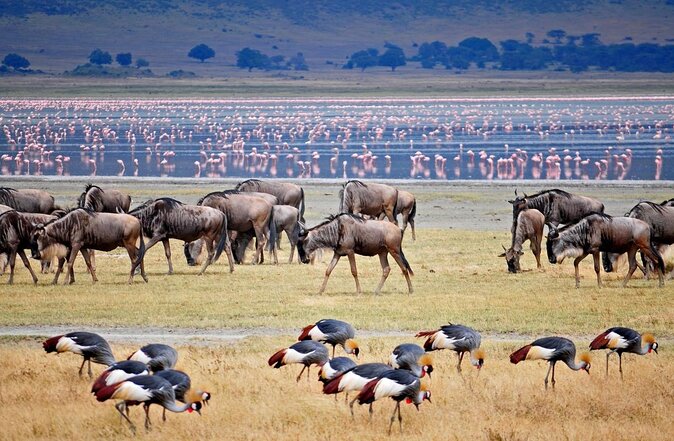
- Tarangire elephant time along the Tarangire River, with a reputation for animals not being as disturbed by vehicles
- Ngorongoro at about 9:00 AM with a crater-floor drive for dense wildlife and birds
- A full “crater-to-camp” pace: crater in the morning, then leaving around mid-afternoon for the night at Mto Wa Mbu
- Lake Manyara’s specific draw: tree-climbing lions are the headline, but elephants, buffalo, primates, and birds often steal the show
- Included meals on a camping safari: 2 breakfasts, 2 lunches, 2 dinners, plus picnic lunch boxes in the field
The real value of a 3-park safari (and why this one fits)
If you’re choosing between a “see a lot” safari and a “slow down and smell the baobabs” safari, this one is built for the former. In three days you’ll cover Tarangire National Park, Ngorongoro Conservation Area, and Lake Manyara National Park. That means less logistics juggling and more time where it counts: on the game-drive roads and in the parks.
It’s also smart that the tour uses Arusha as the base and starts with an early transfer (8:00 AM pickup on Day 1). Early starts matter because animals are often most active when the day is young, and you’re not wasting daylight on slow departures.
One more practical thing: this is a private tour/activity, so it’s only your group. That’s helpful when you want a calmer pace, easier photo stops, or fewer compromises about when to move on. And since it includes private transportation plus all fees and taxes, you’re not hit with surprise extras tied to park access and basic operations.
Now, about camping: the schedule is built around sleeping overnight between park days. The tour includes meals (breakfast, lunch, dinner), but what you’ll think about most is how the rhythm feels—long drives, field time, and meals prepared for you so you don’t spend your day managing hunger.
You can also read our reviews of more tours and experiences in Arusha.
Day 1 in Tarangire: giant baobabs, river elephants, and an open-roof search
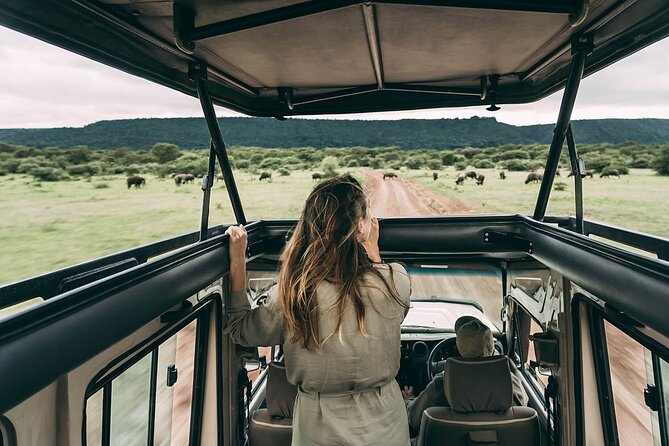
Your Day 1 starts with pickup from Shoppers Supermarket in Arusha at 8:00 AM, then you drive into Tarangire National Park with packed picnic lunch boxes. You’ll typically spend most of the day on the move and in the field; Tarangire is a full wildlife day, not a quick drive-by.
Tarangire’s big charm is variety in a tight area. You’re looking for giant baobab trees, bush savannah, and seasonal marshy spots that can concentrate animals. That combination is exactly why this park works well for a short safari: even if one kind of animal isn’t showing off, another usually is nearby.
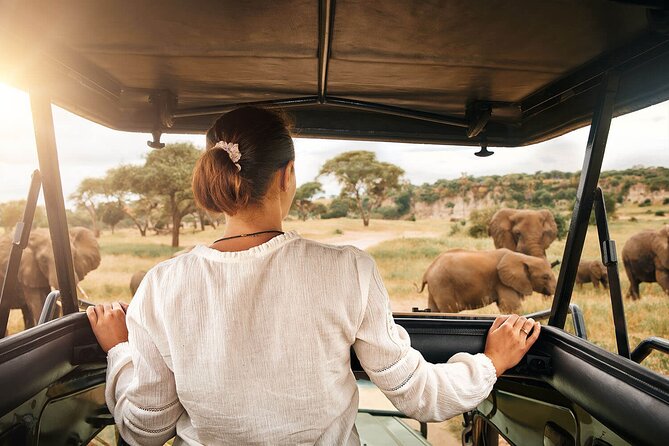
The other reason this day gets attention is elephants. Tarangire is considered one of the better places to see elephants up close, and the tour description points out a key detail: animals here are not as disturbed by vehicles. In plain terms, that can mean calmer wildlife behavior, and more chances for clean viewing rather than constant animal “scatter” when people arrive.
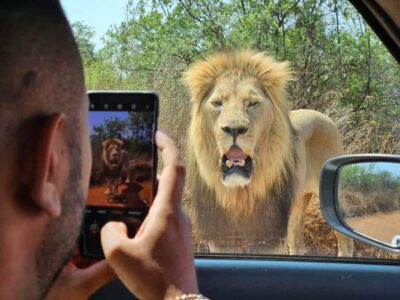
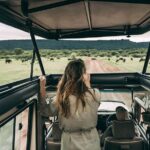
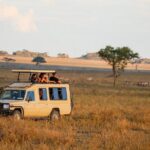
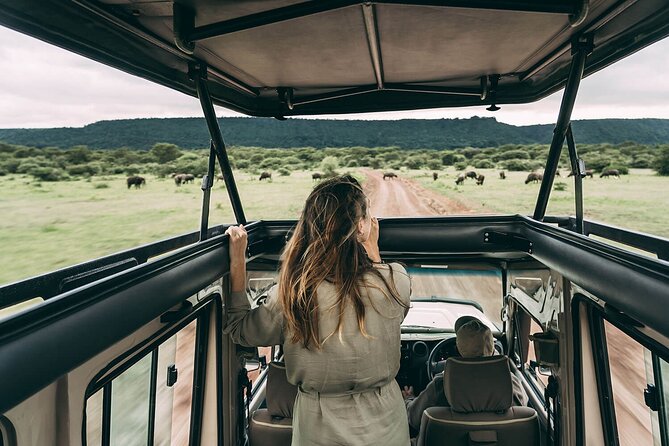
During the game drive, you’ll be doing the classic safari style: spot from the open roof of the safari vehicle. That’s not just a “cute photo option.” It helps you see over bushes and track animals across distances, especially if you’re trying to find where a herd is moving.
Expect to keep an eye out for:
- African elephants and other animals frequenting the Tarangire River habitat
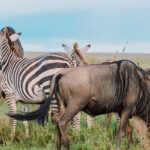
- Buffalo, zebras, and wildebeest, often appearing close together
- Predators like lions (regularly suggested by the area’s predator presence)
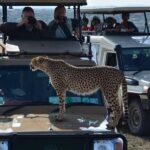
- Leopards now and then, and cheetahs less reliably (so don’t set your heart on a guaranteed sighting)
A balanced mindset helps here. Tarangire can be an excellent elephant park, but it’s still wildlife. The value of this day isn’t a guaranteed Big Five sighting. It’s the way the park supports steady viewing: lots of animals, lots of movement, and enough variety that you stay interested through the whole drive.
By the end of Day 1, your timing sets you up for the next day’s crater experience. You’ll have seen Tarangire’s “river and savannah” identity, which makes Ngorongoro feel even more dramatic.
Day 2 at Ngorongoro: crater-floor wildlife density and a 9:00 AM descent
Day 2 is the heart of the trip: Ngorongoro Conservation Area and the crater itself. After breakfast, you drive to the main gate and then descend into the crater floor around 9:00 AM for a game drive.
The crater is a specific kind of setting. It’s described as the oldest massive collapsed volcano, and the big practical advantage is that wildlife gets funneled into a big bowl. With that kind of concentrated habitat, you’re more likely to experience that “everything is happening here” feeling in a short span of time.
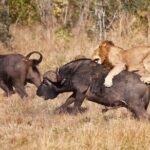
This is also where your Big Five odds improve. The tour description highlights that the area supports over 25,000 mammals, including the “Big Five” (lion, elephant, buffalo, rhino, leopard) plus spotted hyenas and rare wild dogs. You’re also working with a bird-rich ecosystem, with 500+ bird species noted.
What does that mean for your day? It means your game drive can be energetic, because you’re not waiting in one spot for a single animal to appear. You’re typically scanning herds, watching predator patterns, and taking advantage of the crater’s natural viewing zones.
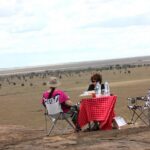
You’ll have packed lunch boxes around 1:30 PM, which matters more than you might think. When you’re deep in the crater schedule, you don’t want to lose time. A timed lunch keeps the day’s momentum, and it also reduces the stress of hunting for food options while you’re trying to watch wildlife.
Then comes a key timing moment: you depart the crater around 3:00 PM. That mid-afternoon exit is a good trade. You get significant crater time in the morning peak, but you’re not stuck driving the entire evening in the same wildlife zone.
After leaving the crater, you head for the night at Mto Wa Mbu. That’s your “reset” between days—more on why that helps in a moment.
One consideration: cheetahs aren’t guaranteed at Tarangire, and even at Ngorongoro, rare animals aren’t promised anywhere. So plan for “good odds” rather than “a guarantee.” You’ll enjoy the day more if you’re watching for patterns and behaviors, not just species lists.
Night in Mto Wa Mbu: why the base town makes the schedule easier
The overnight at Mto Wa Mbu is part of what makes this safari feel doable in only three days. After the crater morning and midday lunch, you get an afternoon transition and then a place to sleep that’s closer to where you need to be for your Lake Manyara exit the next day.
In your planning, think of Mto Wa Mbu as a practical waypoint rather than a “destination day.” It’s where you recharge. You’ll also be fueled—dinner is included—so you can wake up ready for a fresh game drive.
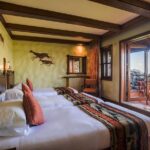
A detail from guest feedback you can keep in mind: someone specifically noted Kizumba Camp as beautiful and comfortable, with a home-like feeling. You can’t treat that as guaranteed for every departure, but it does signal the kind of camping lodge experience you might be offered in the area.
For you, the biggest value of sleeping at Mto Wa Mbu is energy management:
- You avoid stacking too many long crater hours into the next morning.
- You get a smoother start for Day 3’s route toward Lake Manyara.
- You can sleep knowing your meals are part of the package.
Camping safaris can be fantastic, but only if the logistics don’t steal your focus. The itinerary is built to keep you in the parks during daylight and handle the driving between those prime windows.
Day 3 at Lake Manyara: groundwater forest shade and the lake’s wildlife patterns
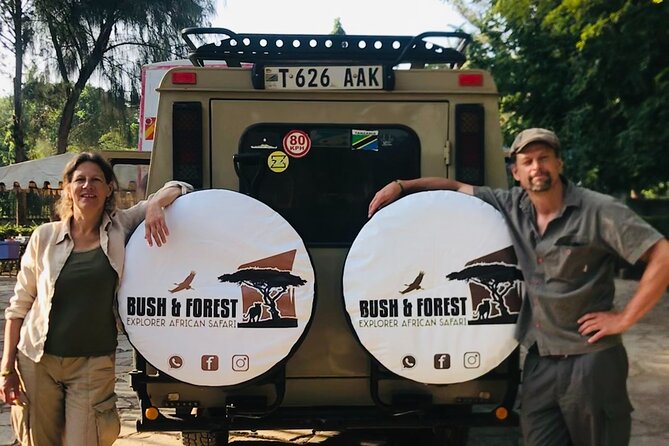
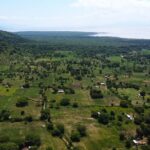
Day 3 starts with pickup around 9:00 AM after breakfast and then heading toward Lake Manyara National Park. Before you even reach the lakeshore, the route is described as passing through the cool shade of groundwater forest, which is a nice change of pace from savannah and crater walls.
Once you reach Lake Manyara, the park is known for tree-climbing lions. That’s the headline. But the tour also sets expectations in a helpful way: you’re more likely to encounter elephants, buffalo, primates, and astounding bird life.
This is where Lake Manyara is worth appreciating beyond one myth-style attraction. Birds, primates, and elephants often deliver a steadier stream of sightings than the single “big cat” storyline. And elephants and buffalo can show up in ways that feel surprisingly close once you’re in the right habitat areas.
Lunch is handled again with packed picnic lunch boxes around 12:00 PM, and then you leave the park in early afternoon to drive back to Arusha.
That timing is practical. You get enough time on the game drive to enjoy the park, but you’re not rushing into an all-day marathon. Since the tour ends back at the meeting point in Arusha, this pacing helps you land in town without losing your entire evening to traffic and fatigue.
One more small note: since you’re ending after Lake Manyara, this day can shape how you remember the entire trip. If your Day 2 was about crater density, Day 3 often becomes the “lighter, bird-and-behavior” day. It’s a good balance.
Food, timing, and what’s included on this safari
Let’s talk about the non-glam parts, because those are often the parts that make or break your experience.
Your package includes:
- 2 breakfasts
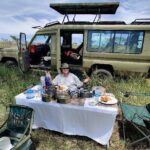
- 2 lunches (served as packed picnic lunch boxes)
- 2 dinners
- Private transportation
- All fees and taxes
You’ll also see “Admission Ticket Free” listed for the park days, which lines up with the idea that entrance and related costs are handled within the tour package.
So what does that do for you? It reduces decision fatigue. When you’re in safari mode, you don’t want your brain juggling where to eat, what to buy, and whether food options are open. Instead, you can focus on the field and the drive.
The tour also states alcohol is not included. That’s common, and it’s good to budget mentally if you like to have a drink with dinner. If you’re the type who prefers to unwind with a beer at camp, plan to purchase it separately.
Timing-wise, Day 1 uses an 8:00 AM start, Day 2 descends around 9:00 AM, and Day 3 is again around 9:00 AM pickup. Consistent morning starts help you stay synced with wildlife activity and also keep your days from drifting too late.
If you’re planning your clothing and gear, think about comfort for open-roof vehicle time and sun exposure, plus layers for cooler morning hours. The tour descriptions don’t list dress code or gear rentals, so the safe approach is to bring what you need for a long field day and flexible weather.
Price and value: is $750 per person worth it?
At $750 per person, this is not a “budget only” safari price, but it also isn’t priced like an ultra-premium private lodge experience. The key question for value is: what are you paying for?
Here’s what the price appears to cover in your favor:
- Three major parks in three days (Tarangire, Ngorongoro, Lake Manyara)
- Private transportation throughout the itinerary
- All fees and taxes handled
- Meals included (2 breakfasts, 2 lunches, 2 dinners)
- Pickup from Arusha and returning you to the same area
- A format that gives you real game drive time, not just sightseeing driving
If you tried to book these pieces separately—especially park access and transportation—you’d likely spend time coordinating and you could lose value in admin and scheduling. Bundled safaris can be worth it when they’re doing the hard work for you.
The reviews attached to this safari also point toward strong satisfaction: consistent praise for organization, drivers, and the feeling that the trip delivered real value. While I won’t treat reviews as proof of your exact outcome, the overall pattern—lots of positive experiences across parks—matches the itinerary logic. You’re getting a concentrated route with multiple wildlife habitats in a short window.
My practical take: $750 feels most like value if you want a one-shot, well-managed safari that doesn’t require you to coordinate logistics across three parks. If you prefer a slower pace, more downtime, or extensive lodge time, you might find this schedule a bit tight. But for many first-time Tanzania visitors, tight and efficient is exactly what they want.
The people who will enjoy this most
This safari is a good match if you:
- Want to see three iconic parks without stacking multiple separate trips
- Prefer a private experience where your group controls the pace a bit more
- Like the mix of safari styles: Tarangire’s river elephants, Ngorongoro’s crater density, Lake Manyara’s bird-and-woodland vibe
- Appreciate that meals and key costs are handled, so you can stay focused on the wildlife
It may be less ideal if you:
- Have very low tolerance for long drives between destinations
- Want lots of free time to wander on your own (this is structured around timed park game drives and departures)
- Expect guaranteed sightings of specific rare animals every day (in any safari, nature decides)
Should you book this 3-Day Tarangire, Ngorongoro and Lake Manyara Safari?
If you’re aiming for a classic first-timer Tanzania route and you want it arranged so you can spend most of your energy looking out the window, I think this is a strong choice. The combination of Tarangire elephants, Ngorongoro crater-floor concentration, and Lake Manyara’s unique mix of birds and big mammals gives you variety, and the meal inclusions keep the schedule from feeling chaotic.
I’d especially recommend booking if you value organization and clear timing. With pickups from Arusha, packed lunch boxes, and defined departure windows (including the crater exit around mid-afternoon), the trip is built to run smoothly.
If you want a safari that feels relaxed and slow, you might want a longer trip length. But if three days is what you have, this itinerary is one of the more sensible ways to get major wildlife experiences without turning your vacation into a logistics project.
FAQ
What parks are included in the 3-day safari?
The safari visits Tarangire National Park, Ngorongoro Conservation Area (Ngorongoro Crater), and Lake Manyara National Park.
Where does the safari start and end?
It starts at Shoppers Supermarket, Arusha and ends back at the meeting point in Arusha.
What time is pickup on Day 1?
Pickup on Day 1 is scheduled for 8:00 AM.
What time is the crater game drive on Day 2?
You descend into the crater floor for a game drive at about 9:00 AM.
What meals are included in the price?
The tour includes 2 breakfasts, 2 lunches, and 2 dinners (with lunches provided as packed picnic lunch boxes).
Is alcohol included?
No. Alcohol is not included.
Is this a private safari?
Yes. It’s listed as a private tour/activity, so only your group participates.
Is the tour price all-inclusive for park fees and transport?
The tour includes private transportation and all fees and taxes, and the itinerary days show admission ticket free.
FAQ
What is the price per person?
The price is $750.00 per person.
How does cancellation work?
You can cancel for free up to 24 hours in advance for a full refund. Changes made less than 24 hours before the start time aren’t accepted, and cancellation within 24 hours doesn’t refund the amount.