REVIEW · ARUSHA
4 Days Group Camping Safari
Book on Viator →Operated by Suricata Safaris · Bookable on Viator
Big cats, right on schedule.
This 4-day camping safari packs three classic Tanzania areas into one tight route, with game drives aimed at spotting as many animals as possible. I like the way the parks connect: Tarangire’s elephant concentration, Serengeti’s big-plains variety, then Ngorongoro’s predator-and-prey drama.
I also like the small-group format. With a maximum of 6 travelers, your guide can keep an eye on who wants what, and you get more back-and-forth instead of a noisy crowd moving as one. And the camping side is planned for you—all camping equipment and meals are included, so you’re not constantly shopping mid-trip.
One possible drawback: this is camping. Expect basic, rough-and-ready conditions, and your tent comfort might feel snug if you’re used to a roomy bed.
In This Review
- Key Things You’ll Remember From This Safari
- A Tight 4-Day Route From Arusha That Actually Fits Wildlife Time
- Tarangire National Park: Elephants, Baobabs, and Strong Animal Density
- Serengeti National Park: Seronera Game Drives and a River Magnet
- Early Morning Serengeti and the Road Shift Toward Ngorongoro
- Ngorongoro Crater: Descending 600 Meters for Predator Drama
- Camping Safari Reality Check: What Basic Means on This Trip
- Guides, Spotting Skills, and the Ecosystem Lesson You’re Paying For
- Value for $900: Why This Route Can Beat Longer Safaris
- Who Should Book This 4-Day Camping Safari (and Who Should Pass)
- Final Call: Should You Book With Suricata Safaris?
- FAQ
- FAQ
- What parks are included on this safari?
- How long is the safari?
- How much does the tour cost?
- How big is the group?
- Is pickup offered, and do I get a ticket?
- How much of the trip is camping, and are meals included?
- Which days include the early game drive?
- Are there any UNESCO World Heritage sites on the route?
- What time does the tour operate?
- Is free cancellation available?
Key Things You’ll Remember From This Safari
- Three parks in four days: Tarangire, Serengeti, and Ngorongoro Crater give you fast variety.
- Small group attention: up to 6 travelers means more focus from your guide.
- UNESCO hits: you’ll visit two UNESCO World Heritage sites on the route.
- Camping with meals included: breakfast, lunch, and dinner are handled.
- Spotting skill matters: the best results come from a guide who knows where to position the vehicle.
- Long drives, big payoffs: you trade comfort time for wildlife time.
A Tight 4-Day Route From Arusha That Actually Fits Wildlife Time
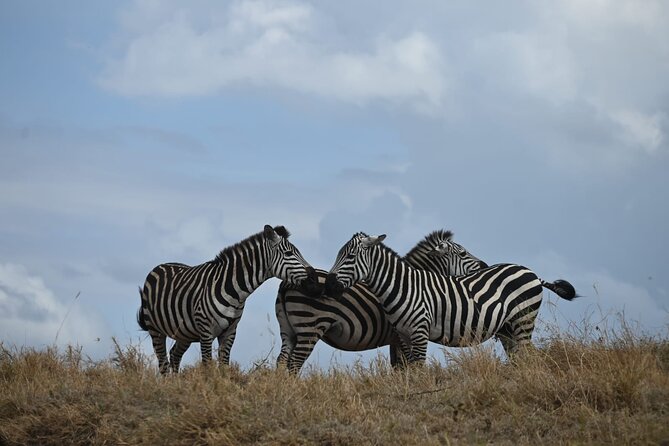
This safari is built for people who want results, not just photos of the vehicle window. You’re staying on a circuit around Arusha, moving through three major wildlife areas with a focus on game drives each day.
The timing is structured too. Day 1 starts between 08:30 and 09:00 after breakfast. Day 3 includes an early drive window starting 08:00, and Day 4 is built around descending into the crater in the morning when animals are easiest to spot.
The big “why it works” is simple: you’re not spread too thin across weeks. You’re doing the core Tanzania experiences—then you’re sleeping under canvas, instead of always changing lodges.
You can also read our reviews of more tours and experiences in Arusha.
Tarangire National Park: Elephants, Baobabs, and Strong Animal Density
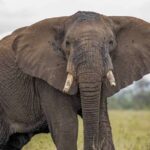
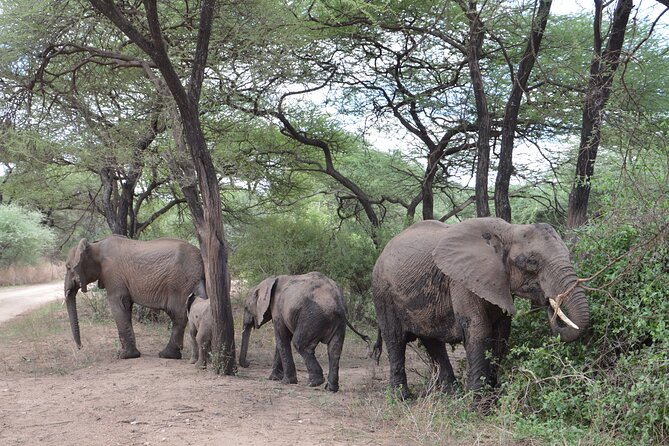
Tarangire is often the most satisfying first hit because it’s famous for elephants and you can get the feeling quickly that this park means business. You arrive for lunch, then go out for an afternoon game drive—so you’ll likely be seeing wildlife as the day cools down.
What makes Tarangire feel different is the mix of baobab trees and animal concentration. You’re in an ecosystem where the big animals tend to show up repeatedly, and the vegetation creates natural viewing points. In the dry season (June to November), the park’s reputation is even stronger: you can expect large herds of zebra, wildebeest, and cape buffalo, not just scattered sightings.
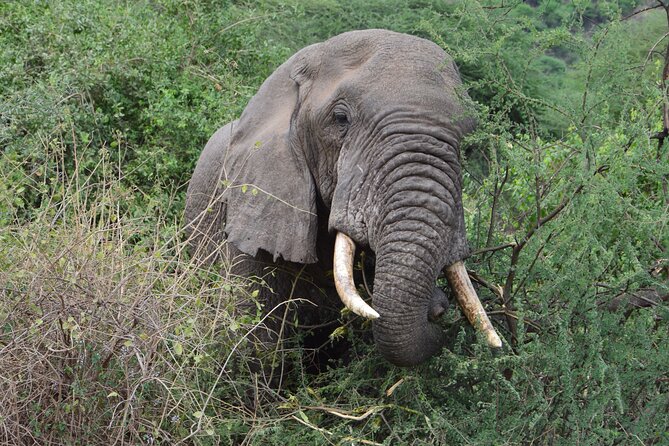
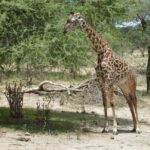
You’ll also find a whole supporting cast. Common residents listed include giraffe, dik dik, impala, eland, Grant’s gazelle, waterbuck, and plenty of smaller activity like vervet monkeys and mongoose. If you’re a predator watcher, Tarangire has that angle too, with possibilities like African lion, leopard, cheetah, African wild dog, and even caracal.
One practical note: an afternoon drive in Tarangire can be great, but it’s also shorter than a full-day marathon. If you love elephants, you’ll want to be mentally ready to focus hard early—don’t plan on “chilling” all day.
Serengeti National Park: Seronera Game Drives and a River Magnet
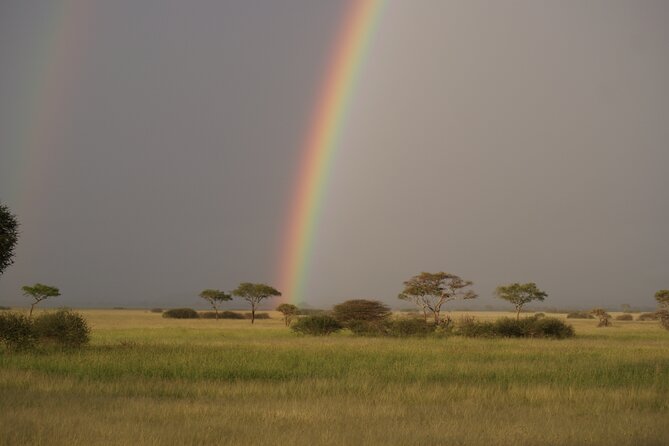
Serengeti is the part most people picture when they think of Tanzania: vast plains and wildlife that can feel constant. You head there after breakfast on Day 2, traveling via the Karatu farmland and the Ngorongoro Conservation Area before descending into the heart of the park.
You arrive in time for lunch, then get an afternoon game drive in the park. Day 3 is where Serengeti gets extra time: an early morning drive (with coffee, tea, and biscuits beforehand), plus lunch-box style feeding for the morning.
The key wildlife logic here is the Seronera area. That zone includes the Seronera River, a year-round water source that pulls animals toward it. That matters because most animals aren’t random. Water is a calendar. You’re touring with that in mind.
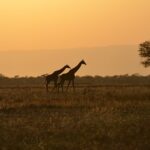
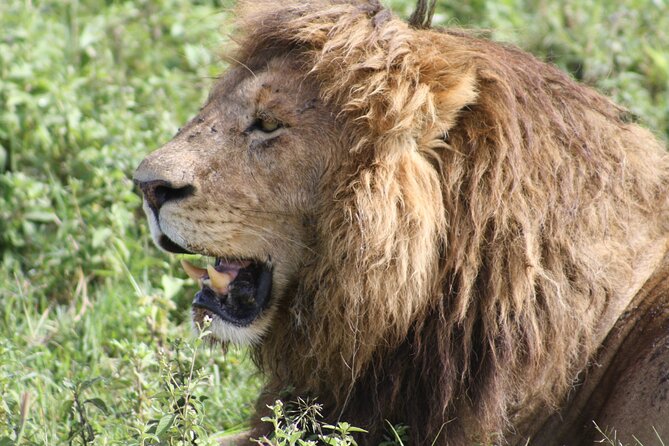
If you care about variety, Serengeti delivers on the range of species you’re hoping for: zebras, giraffes, buffalo, and predators. And because you’re driving for multiple sessions—afternoon Day 2 and morning Day 3—you’re not betting the whole trip on one single timing window.
A small “watch your expectations” point: the Serengeti is huge. You won’t cover every corner, but the schedule is designed to put your vehicle in the places where wildlife density and movement tend to be more predictable.
Early Morning Serengeti and the Road Shift Toward Ngorongoro
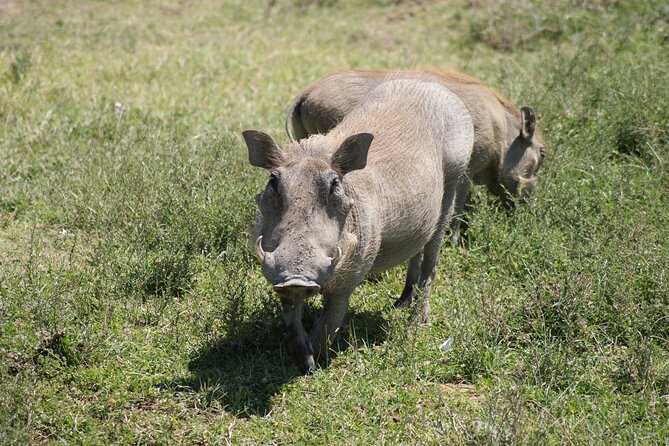
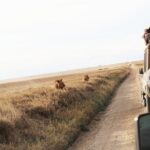
Day 3 is structured for morning action. You start with coffee, tea, and biscuits, then head out for an early game drive that runs 08:00 to 14:30 with lunch boxes. That long continuous stretch is a big part of why this safari feels like a real safari instead of a checklist.
After that, you leave Serengeti and travel toward the Ngorongoro Conservation Area. You’ll keep watching for wildlife en route as you go. Dinner and overnight happen along the way, which sets you up for the next morning’s crater descent.
This day has two different “moods”: Serengeti’s open plains in the morning, then the shift toward the crater area in the afternoon and evening. If you get restless with too much transit, remember: this route is aggressive by design. You’re paying time on the road for more wildlife blocks.
Ngorongoro Crater: Descending 600 Meters for Predator Drama
Ngorongoro Crater is the headliner for many people. On Day 4 you start early with breakfast, then descend over 600 meters into the crater for wildlife viewing. The logic is straightforward: with year-round water supply and fodder support, the crater holds a dense mix of animals.
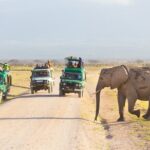
You’ll likely encounter herds of wildebeest and zebra, plus buffalo and eland. Hippos are possible too, since the crater environment supports them. There’s also a chance of giant African elephants, which is a big deal because these sightings feel both rare and believable in this setting.
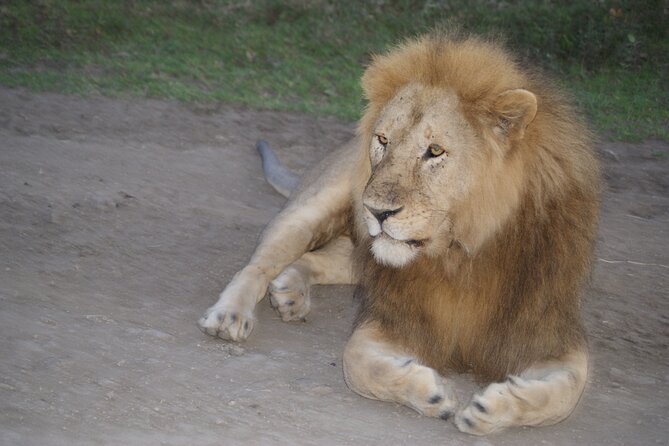
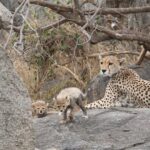
Predators are part of the design as well. The crater can provide close-up predator opportunities, with possibilities like lions, hyenas, jackals, and cheetahs, plus the ever-elusive leopard, which sometimes takes patience and a trained eye.
Your route includes a stop at Lake Magadi, a large but shallow alkaline lake in the southwestern corner. That adds another visual anchor for the day—not just grazing circles, but also a specific crater feature.
The crater drive time is listed as about 6 hours for the day’s activities, so it’s not a quick dip. It’s structured to give you real time to spot animals, not just pose at the rim.
Camping Safari Reality Check: What Basic Means on This Trip
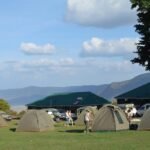
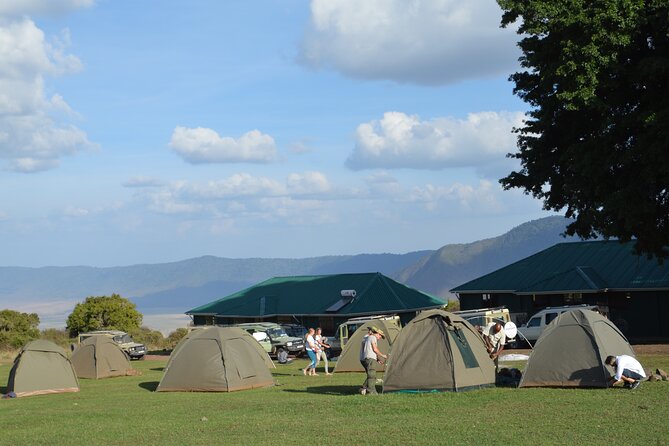
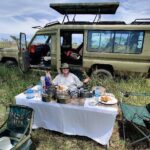
This is a camping safari, and that word can mean a lot of things depending on the operator. Here, the planning is clear: all camping equipment and meals are included. Breakfast, lunch, and dinner are provided during the four days.
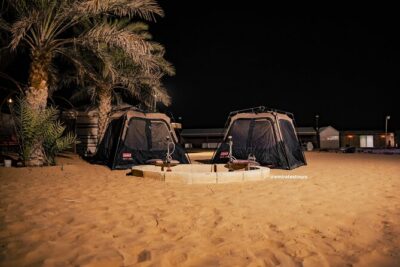
At the same time, camping conditions are described as basic and rough-and-ready. That matches the reality of many safari camps: you’ll have the essentials to sleep and eat, but you shouldn’t expect hotel-level comfort. In particular, tent space can feel tight if you’re used to larger accommodations.
So here’s how I’d handle it:
- Plan for comfort compromises and treat them as part of the adventure.
- Bring a few personal comfort items that you know help you sleep.
- Set expectations early so the trip feels exciting rather than annoying.
If you’re traveling with kids or doing this as a family-style adventure, the schedule and meals being handled can be a relief. Just keep in mind that “camping” still asks for flexibility.
Guides, Spotting Skills, and the Ecosystem Lesson You’re Paying For
A safari isn’t only about where you go—it’s about how your vehicle gets positioned. This tour leans into that with expert guidance and an ecosystem education angle.
The guide role is spelled out as learning about the local ecosystem during the drives. That helps you move from “I saw an animal” to “I understand why it’s here.” You’ll start noticing patterns: animals clustering around water sources, predators moving where prey is active, and how vegetation changes viewing opportunities.
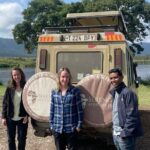
The human team matters too. The safari is run by Suricata Safaris. In the field, you might work with guides like Amir, who’s credited with skilled vehicle handling and getting people into strong Big Five sighting positions. Your driver is mentioned by name as Mandela, and the chef is noted as Tito, with food getting praise for being satisfying across days.
Why that matters for value: when your guide has good positioning skills, you spend less time scanning and more time watching actual behavior. In parks like Serengeti and Ngorongoro, that difference can be the whole game.
Value for $900: Why This Route Can Beat Longer Safaris
At $900 per person for about four days, you’re paying for three major areas and a lot of driving. It’s not the cheapest option on the market, but it’s also not trying to be a luxury lodging safari.
The value is strongest in three spots:
- Meals are included: breakfast, lunches, and dinners are handled for the whole trip.
- Camping equipment is included: you’re not planning a gear list from scratch.
- You get repeated wildlife windows: Serengeti gets both an afternoon session and a major early-morning block.
This is also a good length for people who can’t take a long vacation. A two-week safari is amazing, but not everyone can do it. A focused four-day circuit can still deliver a “real Tanzania” taste, especially if you pick it for the right reasons: wildlife time and variety.
One extra practical note: this type of safari tends to be booked ahead, and the average booking timing is listed at about 76 days in advance. If you’re traveling in a popular window, I’d treat that as a hint to plan early.
Who Should Book This 4-Day Camping Safari (and Who Should Pass)
This safari is a strong match if you want:
- a small group with a maximum of 6 travelers
- classic Tanzania wildlife stops: Tarangire, Serengeti, and Ngorongoro
- camping with meals included so you don’t manage food every day
- a route built around game drives and a crater descent morning
It’s also a good fit for people who like structure. You’ll have predictable drive blocks and clear daily pacing, including an early start on Day 3 and a crater-focused morning on Day 4.
Who should choose another style: if your #1 priority is quiet comfort and lots of downtime, you may find camping + driving days harder. The tents are basic, and you’re spending serious hours in transit between parks.
Also, the tour is listed as “most travelers can participate,” which tells me it’s broadly designed rather than specialized. If you have specific mobility or comfort needs, you’ll want to confirm what will work in practice.
Final Call: Should You Book With Suricata Safaris?
If you want a tight, wildlife-focused camping safari from Arusha that hits Serengeti and Ngorongoro, plus Tarangire elephants, this is a solid choice. The small-group limit helps the guide stay responsive, and the planning around game drives gives you more than one chance at good sightings.
I’d book it if camping still sounds fun to you, and if you’re okay trading comfort for wildlife time. I’d hesitate if you need roomy sleeping space or you’re hoping for a low-effort, slow-paced trip.
FAQ
FAQ
What parks are included on this safari?
You’ll visit Tarangire National Park, Serengeti National Park, and Ngorongoro Crater area in the Ngorongoro Conservation Area.
How long is the safari?
It’s listed as 4 days (approx.).
How much does the tour cost?
The price is $900.00 per person.
How big is the group?
The maximum group size is 6 travelers.
Is pickup offered, and do I get a ticket?
Pickup is offered, and you’ll receive a mobile ticket.
How much of the trip is camping, and are meals included?
This is a camping safari, and the tour includes all camping equipment and meals. Breakfast, lunch, and dinner are included during the four days.
Which days include the early game drive?
Day 3 is the early start day. It includes refreshments and an early morning game drive from 08:00 to 14:30.
Are there any UNESCO World Heritage sites on the route?
Yes. You’ll visit two UNESCO World Heritage sites during the safari: Serengeti National Park and the Ngorongoro Conservation Area.
What time does the tour operate?
The listed opening hours run Monday to Sunday from 12:00 AM to 11:30 PM (with the safari’s day-by-day departures still following the trip schedule).
Is free cancellation available?
Yes. You can cancel for a full refund up to 24 hours in advance of the experience start time.