REVIEW · ARUSHA
4 Days Wildlife Safari and Cultural Experience in Tanzania
Book on Viator →Operated by Golden Trips Tanzania · Bookable on Viator
Arusha doesn’t stay quiet for long. In just four days you’ll run a classic wildlife loop—Tarangire, Lake Manyara, Ngorongoro, and Lake Eyasi—paired with hands-on culture. I love that this trip is built around game drives in a private vehicle with a driver-guide, plus a chef so meals don’t become a scramble. The main consideration: you’re in a “Basic” camping style, and a sleeping bag is not included (you can rent it for $15), so plan for that.
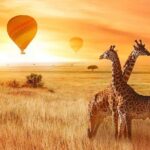
What I also like is how the route stacks habitats fast: elephants and birds at Tarangire, flamingos and possible tree-climbing lions at Manyara, and the Ngorongoro crater bowl full of large mammals. If you want an authentic culture day too, Lake Eyasi includes Hadzabe trekking and a hunt-type experience, but visits can’t be guaranteed because of the Hadzabe’s nomadic way of life.
In This Review
- Key highlights you’ll actually feel
- Why this 4-day Tanzania route makes sense from Arusha
- Day 1: Tarangire National Park and the elephant playground effect
- Day 2: Lake Manyara’s tree-climbing lions and flamingo color
- Day 3: Ngorongoro Crater, the volcanic bowl full of big mammals
- Day 4: Lake Eyasi and Hadzabe trekking, with real pace and uncertainty
- Camping style, facilities, and the comfort trade-off
- How the guide and chef shape the whole safari
- Price and value: what $1,231 covers and what you still need
- Timing, animal density, and what to plan for
- Who this safari fits best
- Should you book this 4-day Arusha wildlife safari?
- FAQ
- What parks are included in this 4-day Tanzania safari?
- Is pickup from Arusha included?
- Are park fees included?
- What meals are included?
- Do I need a sleeping bag?
- Does the tour include a guide and meals?
- Is WiFi available during the trip?
- Are alcoholic drinks included?
- Is the Hadzabe visit guaranteed on Day 4?
- How late can I cancel for a refund?
Key highlights you’ll actually feel
- A tight four-day classic circuit that hits Tarangire, Manyara, Ngorongoro, and Lake Eyasi
- Driver-guide + chef support, which means smoother drives and proper meals
- Camping at lodges/campsites for better comfort access like free WiFi and clean facilities
- Ngorongoro Crater game drive early morning, when animals are easiest to spot
- Lake Eyasi Hadzabe walk (5–8 km), with real-life pace and limits
- Value-focused inclusions like park fees, mineral water, and all meals listed
Why this 4-day Tanzania route makes sense from Arusha
This safari is designed like a good playlist: each day has a clear mood shift, so you don’t feel like you’re repeating the same scenery. Starting in Arusha also helps—you don’t burn half your trip just getting to the first park.
You get three major “wildlife engine” days (Tarangire, Manyara, Ngorongoro), then one culture-and-nature day at Lake Eyasi. That mix matters because Tanzania wildlife can feel almost too big to process—having a culture stop keeps the trip grounded in people and place, not just wildlife spotting.
One more practical note: the tour is described as private for your group, with your own vehicle, and it runs with an English-speaking professional guide. In practice, that usually means fewer distractions and more time spent looking, rather than waiting around.
You can also read our reviews of more tours and experiences in Arusha.
Day 1: Tarangire National Park and the elephant playground effect
Tarangire is famous for a reason, and your day starts early enough to make the park feel alive. You’ll be picked up from your Arusha hotel and drive south, arriving at a picnic site by around noon for lunch. Then the afternoon game drive begins, which is often a great balance: you get a solid first look without feeling rushed.
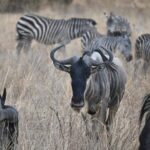
The big story here is elephants. Tarangire is often called the Elephant Playground, and the trip notes that herds can be huge—up to around 300 in some cases. That’s the kind of detail that changes how you plan your expectations: you’re not only chasing a rare sighting; you’re likely to see elephants repeatedly in different moments.
Tarangire also has a strong bird component. Lake Burungi’s marshy shores are part of what draws mammals in, and the same waters help concentrate birdlife. If you’re the type who enjoys spotting details—not just the big animals—this is a good day to slow down and scan. The trip highlights birds like giant kingfishers, hoopoes, and the white-bellied go-away bird.
What to watch for (and how to help your photos)
- Look for elephants moving toward water edges around Lake Burungi
- Be patient with light: late afternoon often gives better contrast for dust, hides, and action
- Don’t ignore smaller animals like zebra and gazelle—Tarangire pairs large herds with steady “support cast” sightings like buffalo, lion, and wildebeest
A small “real safari” truth: game drives are never a guarantee of a perfect parade. But with Tarangire’s elephant reputation and the dry-season note (animal density can be very strong), this is one of the best parks in the loop to start with confidence.
Day 2: Lake Manyara’s tree-climbing lions and flamingo color
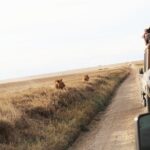
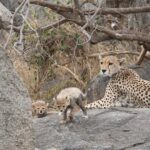
Lake Manyara is the day for variety. After breakfast at camp, you’ll move with a picnic lunch and spend the afternoon on safari. Manyara is known for tree-climbing lions, but even if that specific behavior doesn’t happen in your exact drive window, the park still delivers a packed checklist.
The trip specifically calls out the range of possible sightings: elephant, hippo, wildebeest, buffalo, and giraffe can all be part of your afternoon. It also points to flamingos—pink-hued and tied to bird diversity, with about 400 bird species recorded in the area.
That matters for your enjoyment because Manyara can feel like a bird-and-mammal park, not just a big-cat park. If you’ve got binoculars, you’ll likely use them here. If you don’t, you can still have fun by focusing on where color and water concentrate life.
Tree-climbing lions: why you should still keep hope
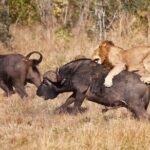
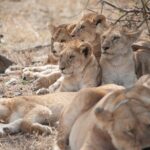
Even the trip frames the tree-climbing lions as famous. That means your guide will likely watch for the right terrain and angle—where branches and visibility line up. The best way to enjoy this day is to treat it as a chance to spot lions behaving naturally in a unique setting, not as a single-item mission.
Logistically, you’ll wrap the day back at camp for relaxation and dinner. This structure is useful on a four-day trip: it gives your body a chance to reset after a long day of scanning, bouncing, and sun exposure.
Day 3: Ngorongoro Crater, the volcanic bowl full of big mammals
Ngorongoro Conservation Area is the day that makes people rethink what they thought a safari could be. Your schedule includes an early morning game drive, and that timing is key in the crater setting.
You’re looking at the volcanic caldera—described as the world’s largest. The crater floor holds a permanent water source, and the trip notes a resident population of more than 25,000 large mammals. That sentence is doing a lot of work. It’s why the crater often feels like animals aren’t just passing through; they seem to “live” there.
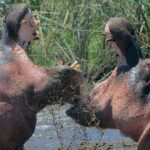
The trip lists the kinds of wildlife you may see: elephant, lion, leopard, hyena, jackal, hippo (including wallowing), waterbuck, baboons. It also mentions that the rare black rhino finds shelter there.
Why the Maasai presence matters (and what you’ll notice)
Ngorongoro isn’t just wildlife. The trip also highlights that the Maasai graze cattle in an area that’s been a separate conservation area since 1956 and has UNESCO World Heritage status since 1978. On the ground, that translates to a safari that’s not fenced off from human life. You’ll often spot cattle grazing in the broader scene, and it can make the landscape feel more real than a purely “empty” wilderness.
Practical tip for your day: manage expectations about density
A crater can produce heavy viewing, but animals still move. Your best chance is to stay alert and flexible—your guide’s job is to position you when animals show themselves, and to keep driving time efficient.
Day 4: Lake Eyasi and Hadzabe trekking, with real pace and uncertainty
Lake Eyasi is where the trip becomes something more human. You can spend time at the camp with your guide, and the plan includes a Hadzabe visit if possible. The trip is honest about the main challenge: because the Hadzabe are nomadic, visits can’t be guaranteed. Your guide will try to arrange it if at all possible.
If you do get the chance, trekking with the Hadzabe is described as one of the most fascinating experiences you can do in East Africa. The trip frames it as meeting the last hunter-gatherer tribes, with an actual hunt activity that can take you back to another era.
What to expect physically
Walks can vary between about 5–8 km and can be fairly fast. The trip also says that if the group finds any sizeable game, they may sprint off, and it becomes virtually impossible to keep up. In that case, your guide will bring you back to camp.
So this isn’t a casual stroll day. If you’re easily exhausted, or you expect “slow cultural walking,” this day may surprise you. On the flip side, if you like authentic movement and you’re ready for a pace change, it can feel unforgettable.
How to keep it respectful and practical
You don’t get a guarantee of the encounter, so go in with patience. If it happens, listen to your guide closely about when to walk, when to stop, and how to move with the group. And remember: this experience is tied to a living community and daily rhythms, not a staged show.
Camping style, facilities, and the comfort trade-off
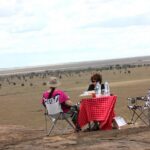
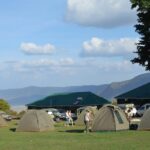
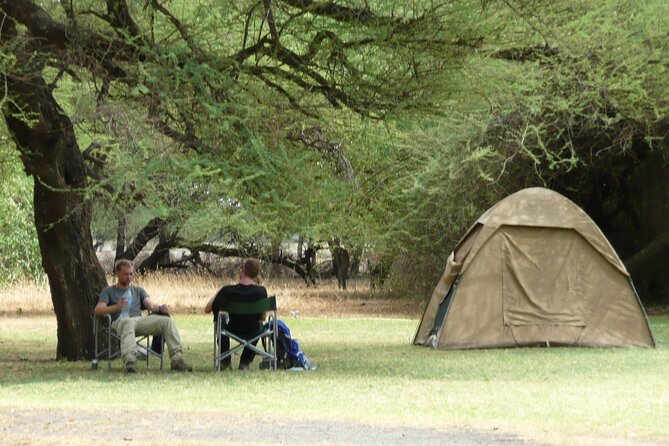
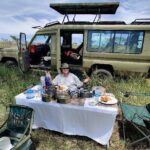
This trip is categorized as Basic, and it includes camping equipment like tents, sleeping mats, chairs, and tables. The overview also says you’ll be camping at lodges, with better access to free WiFi, a swimming pool, restaurant facilities, clean toilets, bathrooms, and dining rooms.
That combination is important. Pure “wild” camping can be rough on a short itinerary. Camping at lodge-based campsites usually means you still get the bush vibe, but with the ability to wash up comfortably and recharge without feeling like you’re in survival mode.
One item you must plan for: sleeping bag rental. It’s not included, but you can rent one for $15. If you’re a cold sleeper or you’re traveling in cooler nights, don’t skip this—your sleep quality will affect your morning drive enjoyment.
Also, the route includes mineral water and all listed meals, which reduces the need to hunt for food or refill bottles constantly.
How the guide and chef shape the whole safari
On a safari like this, the guide isn’t just there to point out animals. They’re there to manage time, safety, and the best viewing windows across different parks.
The trip includes a professional English-speaking guide and a chef who prepares all food. That matters on a four-day plan because meals become part of the schedule, not a free-for-all. It also matters for people traveling as a couple or honeymooning: you get the same rhythm every day, instead of relying on luck with restaurant stops.
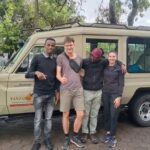
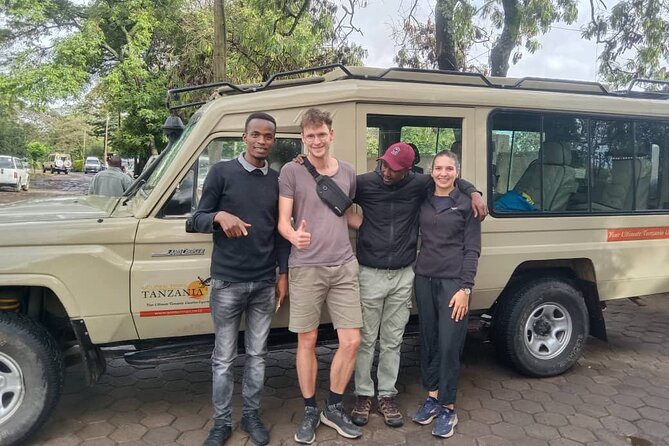
You’ll also benefit from the way this company is described in the feedback. Names like Gasper, Dan, Joseph, Ombeni, and Manaki show up again and again, with praise for caring, safe driving skills, organization, and pushing to get the best animal views. One review highlights that the cook went the extra mile even for picky teenagers. That tells me the food setup is a genuine part of the value, not an afterthought.
If you want to get the most out of your guide
- Ask a few simple questions each day: what might we see in this habitat today?
- Let them know what you care about most—big cats, elephants, birds, or culture
- Use the downtime at camp to rest and be ready for early drives
Price and value: what $1,231 covers and what you still need
At $1,231 per person for about four days, this safari isn’t a budget “on a whim” trip. But it does cover a lot that you’d otherwise pay for separately on your own.
Included value you should notice:
- Professional English-speaking guide
- Camping equipment (tents, sleeping mats, chairs, tables, etc.)
- Mineral water
- All national park fees
- All meals listed: 4 lunches, 3 dinners, 3 breakfasts
- A schedule that includes a full day’s game drive in each wildlife park
Excluded (things to budget or plan):
- Flights
- Visa fees
- Travel insurance
- Tips
- Alcoholic and soft drinks
- Sleeping bag rental (optional, at $15)
- Airport pickup/drop-off unless you book it (it’s listed as $50 per car)
One thing I like about the pricing structure is that park fees are included, and admission tickets are listed as free for the park days. That reduces the chance of surprises mid-trip.
So is it good value? For many people, yes—especially if you want a guided route, park access, meals, and equipment all handled in one package. If you’re the type who hates camping, wants guaranteed Hadzabe time, or wants a “no effort” lodge-only comfort level, then this might feel less like a deal and more like a compromise.
Timing, animal density, and what to plan for
The information mentions that in the dry season, Tarangire can have strong animal densities. That’s useful because it suggests your best odds for frequent sightings, especially of elephants and other mammals that gather around water sources.
You’ll also be doing early drives in the big-cat and crater setting (Ngorongoro is specifically early). Early starts are rarely a luxury, but they tend to improve your odds—especially in a crater bowl where animals come to water and grass.
What to pack (based on what’s explicitly on the trip)
- A sleeping bag if you don’t want to rent one ($15)
- Sun protection for repeated long game drives
- Comfortable walking shoes for Lake Eyasi trekking (it can reach 5–8 km and move quickly)
- Light layers for morning and evening camp time
Who this safari fits best
I think this trip is best for:
- You want a classic Tanzania circuit without adding too many transfer days
- You’re happy with camping that includes clean facilities and lodge amenities
- You care about big wildlife sightings but also want an on-the-ground culture day at Lake Eyasi
- You like the idea of a driver-guide and chef handling the moving parts
It may not be ideal if:
- You strongly prefer lodge-only comfort and don’t want to think about sleeping bag basics
- You want guaranteed Hadzabe engagement (the trip is clear it can’t be guaranteed)
- You don’t want a physically active day—Lake Eyasi walks can be long and fast
Should you book this 4-day Arusha wildlife safari?
If your dream is to stack Tarangire elephants, Manyara’s famous lions and birdlife, Ngorongoro crater density, and Lake Eyasi culture into four days, then this is a solid choice. The value is strongest when you’re comfortable with camping and when you treat the Hadzabe encounter as a best-effort cultural experience rather than a guaranteed box-check.
My final advice is simple: book it if you want a real safari rhythm and you’re open to early mornings plus one physically active culture day. If that sounds exhausting, consider whether you’d rather trade this speed and variety for more comfort. Either way, this route is built for people who want Tanzania wildlife to feel close, not distant.
FAQ
What parks are included in this 4-day Tanzania safari?
The route includes Tarangire National Park, Lake Manyara National Park, Ngorongoro Conservation Area (Ngorongoro Crater), and Lake Eyasi.
Is pickup from Arusha included?
Pickup is offered. The meeting point is in Arusha, and the activity ends back at the meeting point.
Are park fees included?
Yes. All national park fees are included, and admission ticket details are listed as free in the itinerary.
What meals are included?
Breakfast is included (3), lunch is included (4), and dinner is included (3). Mineral water is also included.
Do I need a sleeping bag?
A sleeping bag is not included. You can rent one for $15.
Does the tour include a guide and meals?
Yes. The trip includes a professional, English-speaking guide, and a chef who prepares all food.
Is WiFi available during the trip?
WiFi is available because you camp at the lodges, and the overview notes free WiFi.
Are alcoholic drinks included?
No. Alcoholic beverages and soft drinks are not included.
Is the Hadzabe visit guaranteed on Day 4?
No. Because the Hadzabe are nomadic, visits cannot be guaranteed, though your guide will try to arrange it.
How late can I cancel for a refund?
You can cancel up to 3 days in advance for a full refund. If you cancel less than 3 days before, the amount paid is not refunded.