REVIEW · ARUSHA
3 Days Safari Serengeti & Ngorongoro Crater
Book on Viator →Operated by pazuri porini safaris · Bookable on Viator
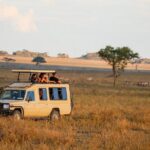
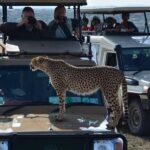
Two parks, two mornings, one big wild show. This 3-day safari pairs Serengeti National Park with the dramatic Ngorongoro Crater for a full-on wildlife hunt, with an optional Maasai village stop along the way. You’ll camp for two nights, do game drives in both areas, and keep the group small for a more personal rhythm.
I like how the tour handles the moving parts: camping equipment (including tents plus bedding), park and vehicle fees, and all meals are baked into the price. I also like the early starts—Serengeti in the morning and a crater descent set for rhino odds—so you’re not just “out there,” you’re in position to see animals.
One consideration: it’s not a “sleep in” vacation. You’ll face long drives and early wake-ups, and the black rhino portion is always tricky even when you start before sunrise.
In This Review
- Key things to know before you go
- Arusha to Serengeti: the long drive that sets the tone
- Day 1: crater viewpoint plus an optional Maasai village stop
- Day 2: the Serengeti morning that gives you your best animal odds
- Day 2 camping at Simba: what to expect from the overnight
- Day 3: Ngorongoro early descent and the black rhino challenge
- Food, drinks, and the rhythm of “camp-to-car-to-crater”
- Your driver-guide and the small-group advantage
- Price and value: is $750 a fair deal?
- Best fit: who should book this safari
- A few practical tips before you go
- Should you book this 3-day Serengeti and Ngorongoro safari?
- FAQ
- How long is the safari?
- What parks will we visit?
- Is pickup included?
- Is the Maasai village stop included?
- Are meals included?
- What camping gear is provided?
- How big is the group?
Key things to know before you go
- Small group size (max 6) means you’re more likely to get real attention from your driver-guide.
- Camping gear included (tents, sleeping bag, mattress) removes a big hassle from packing.
- Park + vehicle fees included so you’re not piecing costs together at the last minute.
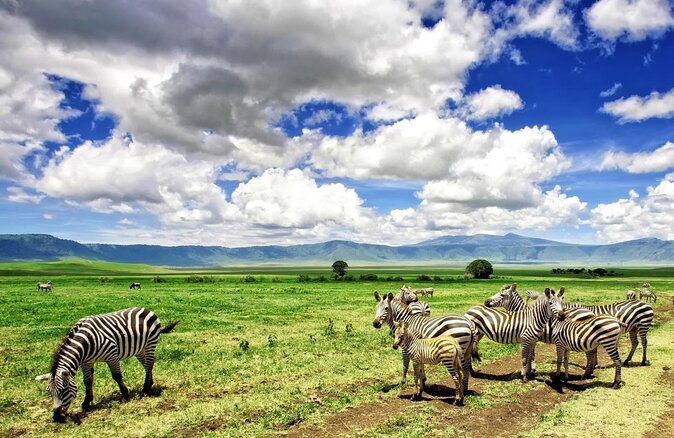
- Two very different safari styles: open plains drives in Serengeti and crater-floor viewing in Ngorongoro.
- Optional Maasai village visit lets you choose culture time or keep it strictly safari-focused.
- Black rhino search starts early with a crater descent around 6:15 am.
Arusha to Serengeti: the long drive that sets the tone
Your safari kicks off from Arusha and spends the morning in transit. Day 1 is an about 8-hour drive (including stops), and it runs through the Ngorongoro conservation area as you head toward Serengeti.
That long day can feel like “travel mode,” but it’s also part of the deal. You’ll get a quick crater gate-and-viewpoint moment—just about 20 minutes—to see the scale of Ngorongoro before you spend serious time inside later.
If you hate long stretches in a vehicle, plan for it. Bring water, protect yourself from sun, and expect that the journey is part of the safari story rather than a quick connector between parks.
You can also read our reviews of more tours and experiences in Arusha.
Day 1: crater viewpoint plus an optional Maasai village stop
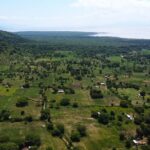
Once you’re close to Ngorongoro during the drive, you’ll pause at the gate and a viewpoint for that breath-taking look. It’s short, but it gives you context for why the crater is such a big deal—this is not a “flat” place where you hope for luck.
Next comes the option to visit a Maasai village. The visit is described as optional, and it’s framed around Maasai culture and traditions, including warrior history and practices that are noted as mostly in the past today (with raw animal blood mentioned as a tradition that still exists in limited form).
Here’s the practical way to decide: if you want culture in the mix, go for it. If you’d rather keep your time tightly focused on wildlife and minimizing extra stops, you can skip it and keep your energy for later drives.
Day 2: the Serengeti morning that gives you your best animal odds
Day 2 starts early with breakfast around 6:30 am, then you’re out on a game drive through the Serengeti. The plan is to spend the morning and early afternoon looking for wildlife before heading to camp for lunch and downtime.
After that, you drive about 2 hours to Simba campsite near the rim of Ngorongoro Crater. The timing matters. You’re shifting from Serengeti plains viewing to crater country, and the drive is your transition from one ecosystem to another.
A small detail that’s good to know: animals can be spotted on the campsite. You’re camping near the rim, so wildlife doesn’t magically disappear when the driving stops. If you wake up early, you might catch activity around camp before breakfast time.
Day 2 camping at Simba: what to expect from the overnight
This tour includes two nights of camping, and Day 2’s stay is at Simba campsite near Ngorongoro. The operator provides camping equipment—tents, sleeping bag, and mattress—so you’re not stuck renting or buying basic gear.
Camping in safari country usually means you’ll feel the weather changes more than you would in a hotel. Days can be sunny, but nights can cool off, and the rim area can feel extra exposed. Having the sleeping bag and mattress helps a lot, but it’s still smart to wear warm layers for evening.
The bigger value of this overnight is positioning. You’re not spending another full day driving to reach the crater at the right time. You’re already nearby, which makes the early crater descent on Day 3 possible.
Day 3: Ngorongoro early descent and the black rhino challenge
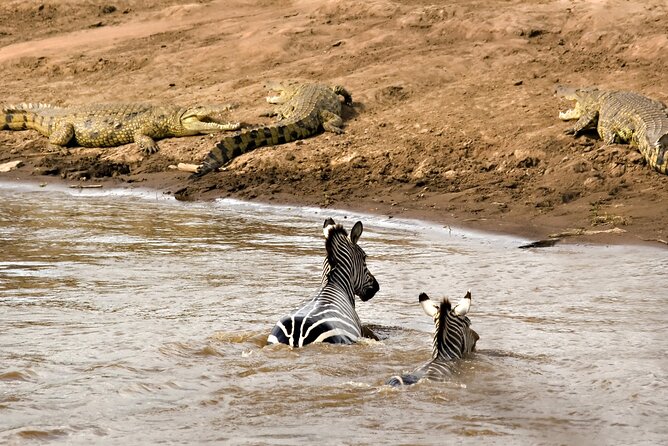
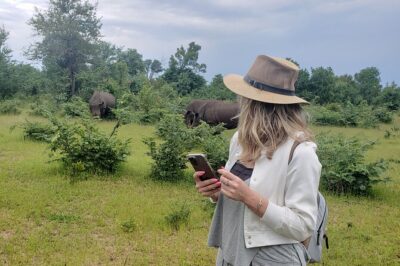
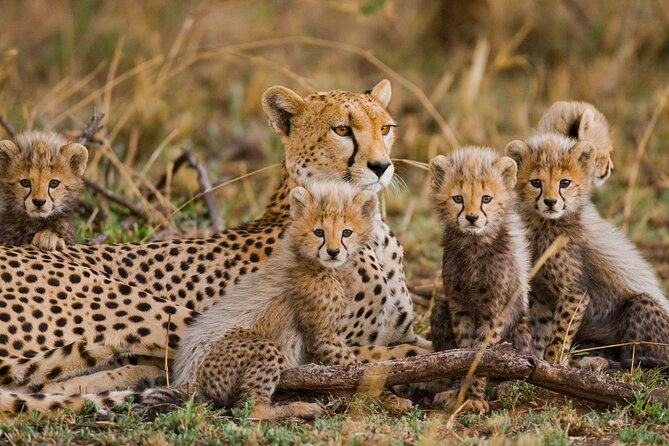
On Day 3, you’ll get an early breakfast and then descend into Ngorongoro Crater around 6:15 am. The focus at that hour is finding the black rhino, and the tour notes that rhinos are among the hardest to spot.
That challenge isn’t a reason to lower expectations. It’s a reason to respect the timing. A crater floor can make many animals easier to spot because you’re looking across a constrained space rather than searching endless distances. The rhino search is the one where luck and patience matter most.
After lunch, you continue with another game drive and then ascend from the crater to pack up. Finally, the safari transfer goes back to Arusha, and it connects to your flight timing if you have one set.
If you’re a photo person, Day 3 morning is where your camera energy should go. Early light plus a crater-floor viewing area can be a great combo, especially if you’ve got a driver who’s watching for movement and sign.
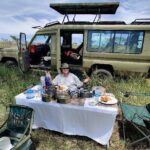
Food, drinks, and the rhythm of “camp-to-car-to-crater”
All meals are included, and the tour lists breakfasts (2), lunches (3), and dinners (2). There’s also an emphasis on value here: you’re not paying extra for food during the safari days, and the meals are timed to match the safari schedule.
The included structure matters more than the menu details. Breakfast supports the early starts. Lunch is placed to keep you moving through the afternoon drives. Dinner is what lets you recover before another wake-up.
From past experiences shared by clients, the chef work also gets praise—people note excellent breakfasts, lunch, and dinner along the way. Some also mention a good supply of drinks, including both non-alcoholic and alcoholic options, though that’s something you should confirm with the operator for your specific departure.
If you have dietary needs, treat this as a “message it early” situation. The tour lists meals as included, but it doesn’t describe specific dietary accommodations. A quick heads-up helps the team plan instead of improvising.
Your driver-guide and the small-group advantage
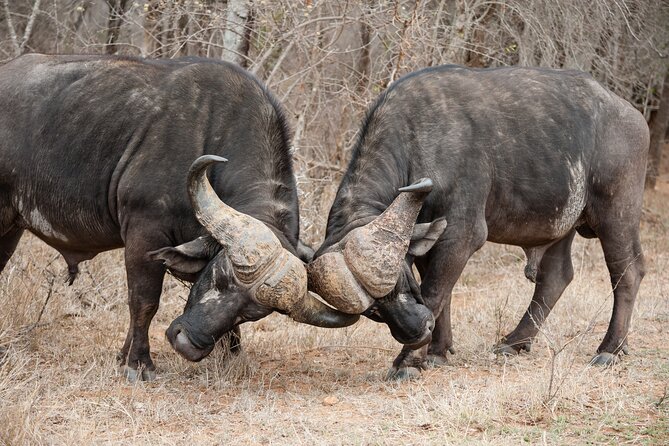
This safari caps at 6 travelers, and that small group size shows up in how the day can feel. You’re more likely to have everyone see the same action when a sighting happens, and you can ask questions without feeling like you’re competing for attention.
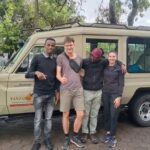
Guide quality is a recurring theme in the feedback for this operator. Names like Assad, David, and Mike show up in examples of past trips, and the common thread is effort—spotting animals, driving well, and explaining what you’re seeing.
There’s a practical angle here: animal sightings often come down to noticing early cues. If your driver is scanning carefully and choosing positions smartly, your time in the vehicle becomes more productive. It’s the difference between “we passed by something” and “we were there when it mattered.”
Price and value: is $750 a fair deal?
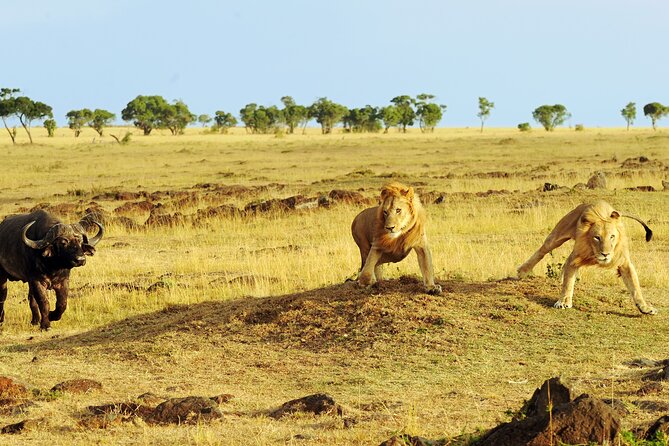
At $750 per person for 3 days, the headline cost looks simple. The value comes from what’s bundled.
You’re getting:
- Park and vehicle fees included
- Camping equipment (tents, sleeping bag, mattress)
- All meals for two nights
- A full itinerary connecting Serengeti and Ngorongoro
- Optional pickup offered, plus end-of-safari transfer tied to your flight timing
When you add up those categories, the price stops looking like just “a car and a guide.” For many travelers, it becomes a matter of budgeting certainty: fewer surprise costs, less packing stress, and a schedule that actually supports the wildlife-focused timing.
Could you do it cheaper by piecing together transport and camping separately? Maybe. But you’ll spend your time managing logistics instead of focusing on the safari. If you value a smooth plan and included fundamentals, this price can feel fair.
Best fit: who should book this safari
This tour is a strong match if you:
- Want both Serengeti and Ngorongoro in one short trip
- Like early starts and don’t mind a packed schedule
- Prefer small-group safari attention over big-crowd tours
- Are okay with camping for two nights (with gear provided)
It may be less ideal if you:
- Don’t enjoy camping nights, even with a provided tent and bedding
- Strongly dislike long drive days (Day 1 is a big transit day)
- Need guaranteed black rhino viewing, since the rhino search is described as difficult and spotting can’t be guaranteed
A few practical tips before you go
Here are the small things that can make a big difference on safari like this:
- Pack for early mornings: warm layers for dawn, plus sun protection for later.
- Keep your camera and phone power ready. You’ll be out during long daylight windows.
- Bring binoculars if you have them. Even when animals are in view, crater-floor sightings can be distance-heavy.
- For the Maasai village option, decide in advance so you’re not making the call in a rush after a long drive.
Also, consider asking your operator what drinks are included for your departure. Some past clients noted a good supply, but that can vary by arrangement.
Should you book this 3-day Serengeti and Ngorongoro safari?
If you want a classic Tanzania combo—Serengeti plains action plus Ngorongoro’s crater setting—this one checks the boxes. The included camping gear and all meals reduce planning stress, and the small-group cap helps keep the safari feel personal.
I’d book it if you’re happy with early starts and you’re excited by the idea of searching for black rhino when the day is still cool and quiet. I’d pause if camping is a dealbreaker or if long driving days would drain you more than you expect.
In short: if your top goal is maximizing wildlife time across two iconic areas, this tour’s structure is built for that. The schedule is tight, but it’s tight in the right places.
FAQ
How long is the safari?
It’s listed as 3 days (approx.). The itinerary covers two nights of camping and includes game drives in both Serengeti National Park and the Ngorongoro Crater area.
What parks will we visit?
You’ll visit Serengeti National Park for game drives and the Ngorongoro Conservation Area for your crater visit and game drives, including a targeted effort to look for black rhino.
Is pickup included?
Yes, pickup is offered. The tour starts from Arusha, Tanzania, and ends with a safari transfer back depending on your flight time.
Is the Maasai village stop included?
The Maasai village visit is described as optional, so you can choose whether to stop and explore Maasai culture.
Are meals included?
Yes. Meals are included: breakfast (2), lunch (3), and dinner (2), covering the full period of the two nights of camping.
What camping gear is provided?
Camping equipment is provided, including tents, a sleeping bag, and a mattress.
How big is the group?
This safari has a maximum of 6 travelers, which is meant to keep the experience more personal.