REVIEW · ARUSHA
From Arusha: 9 Days Private Guided Classic Game Drive in Tanzania
Book on Viator →Operated by Beach & Safari · Bookable on Viator
Three parks, one migration, zero rushing. This 9-day private safari from Arusha strings together classic North Tanzania wildlife stops, then builds in real flexibility to follow the Great Migration as it shifts with the season, plus a memorable flamingo walk at Lake Natron.
I love the pacing and the shot-making. You get three full days in the Serengeti, which matters when animals won’t hold still for your schedule, and you’re not just passing through. I also like the fact that you’re traveling with a driver-guide throughout, and the guide names you may run into like Joseph, John, Hamisi, and Ladan show up again and again for a reason: spotting, scanning, and explaining what you’re seeing.
One consideration before you fall in love with the idea: the Great Migration isn’t on a fixed timetable. Because the route shifts with the herds, some days can feel like you’re working for the moment, not checking off a guaranteed spectacle.
In This Review
- Key things I’d spotlight before you go
- A 9-day private safari route that hits the classics (and the Great Migration)
- Arusha to Tarangire: elephants and wide-open sightings
- Lake Manyara: birds, flamingos, and tree-climbing lions
- Lake Natron Flamingo Walk: volcanic terrain with a Maasai guide
- Loliondo game-controlled area: a quieter kind of safari
- Serengeti days 5–7: how to chase the Great Migration smartly
- Ngorongoro Crater day: Big Five odds from one iconic viewpoint
- Food, comfort, and why full board makes this easier
- Price and logistics: what the $4,114 covers (and what to budget for)
- The guide factor: why Joseph, John, Hamisi, and Ladan matter
- Who this safari suits best
- Should you book this 9-day private classic safari?
- FAQ
- Where does the safari start and end?
- Is this a private tour?
- What’s included in the price?
- What isn’t included?
- Does the Great Migration route follow a fixed schedule?
- Is the flamingo walk included?
- Can I cancel for a full refund?
Key things I’d spotlight before you go
- 3 full days in the Serengeti so you’re not relying on one lucky drive
- Lake Natron lesser flamingo walk with a Maasai guide in a volcanic-feeling setting
- Tarangire elephant country with open terrain that helps sightings stay easy to read
- Lake Manyara’s mix of birds, lake views, and possible tree-climbing lions
- Ngorongoro Crater Big Five odds in one full-day outing
A 9-day private safari route that hits the classics (and the Great Migration)
This tour is built around a simple idea: you cover the “best-of” parks of northern Tanzania, but you don’t treat the Serengeti like a drive-by stop. You’ll start and end in Arusha, and the route moves you from Tarangire to Lake Manyara, then toward Lake Natron, the Loliondo area, the Serengeti, and finally Ngorongoro Crater.
The best part, in my view, is the balance between variety and focus. You’ll get different ecosystems (elephant country, lake birds, volcanic terrain, grasslands), then you spend multiple days where the action is supposed to be—the Great Migration.
You can also read our reviews of more tours and experiences in Arusha.
Arusha to Tarangire: elephants and wide-open sightings
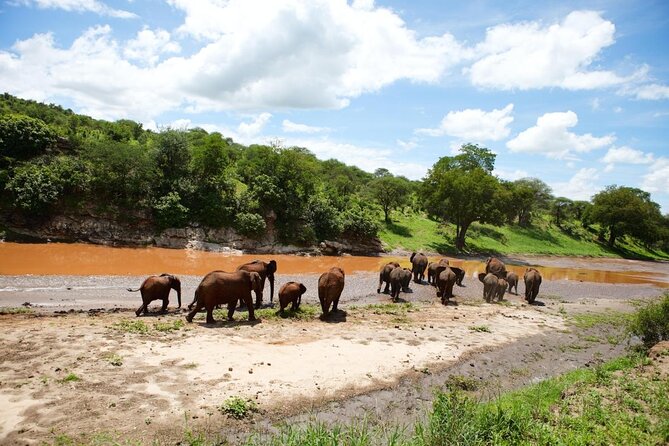
Your safari starts with pickup from your Arusha hotel or the airport, then a drive toward Tarangire National Park. Expect roughly a few hours on the road before you start your first proper wildlife time, which is a nice way to ease into the rhythm of game drives instead of jumping straight into long park days.
Tarangire is often described as a place where you can see more because the park is relatively compact and the terrain is open. That open look matters: when you’re scanning for elephants and other animals, it’s easier to pick them up at a distance and then keep watching as they move.
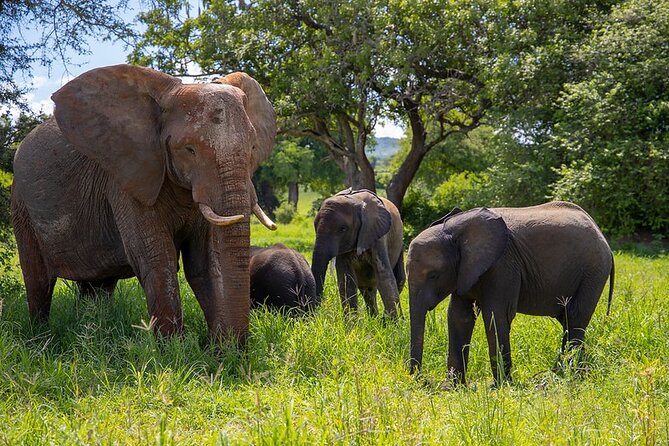
Why I’d call this stop valuable: Tarangire has a strong reputation for large herds of elephants, and outside of the Serengeti it’s one of the best places in the region for them. On top of that, you’re in an area where you might also spot wildebeest, zebra, buffalo, lions, leopards, and lots of birds—so the day doesn’t get boring if the elephant herds take a slow stroll.
A practical heads-up: wildlife can be in motion, so you’ll want to stay alert and trust your driver-guide’s scanning, especially in the early light and late afternoon when animals often make themselves seen.
Lake Manyara: birds, flamingos, and tree-climbing lions
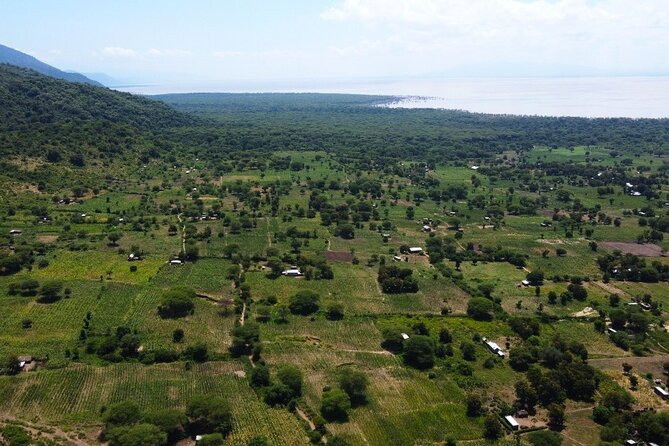
After Tarangire, you head to Lake Manyara National Park, where the game drive focus becomes more about variety in a smaller area. This park is known for its birds, and the lake’s alkaline soda creates conditions that can draw impressive numbers of them.
The highlight is the flamingos, described as numbering in the thousands when you catch the right conditions. You’ll also pass through a groundwater forest area where baboon troops can hang out close to the roadside, which is a fun change from the more open grassland style of many drives.
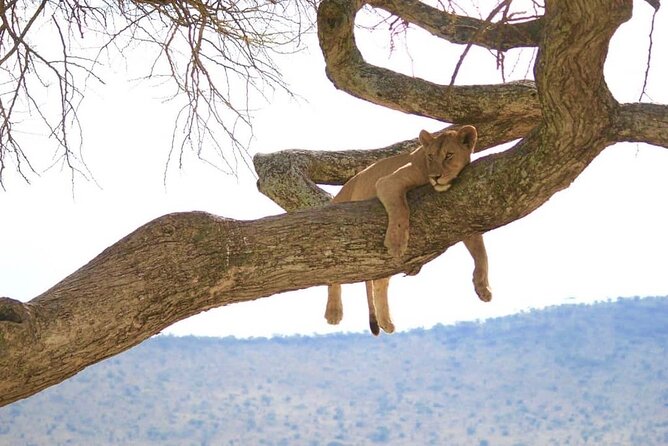
Then there’s the famous possibility of tree-climbing lions. Lake Manyara is one of the places where that behavior is associated, and if you’re lucky you’ll see them lazing in trees instead of staying strictly on the ground.
Potential drawback here is simple: Lake Manyara can feel like a “lots happening, keep your eyes open” park rather than one where animals line up in front of you. If you’re the type who loves structure and predictable sightings, you might find you’re doing more scanning than you expect.
Lake Natron Flamingo Walk: volcanic terrain with a Maasai guide
Lake Natron is a sharp left turn in scenery and mood. You’ll drive there over the course of a few hours, and once you arrive, the setting can feel otherworldly, described as volcanic and moon-like.
This is also where the tour adds a step beyond the vehicle: a flamingo walk led by a Maasai guide. This walk takes you to Lake Natron, a breeding ground for millions of lesser flamingos. It’s one of the rare moments in the itinerary where your feet hit the ground, not just the seats of the safari vehicle.
Why it’s worth building into your plan: you get a closer, slower way to experience wildlife here. Instead of trying to spot from a distance at the edge of a long lens, you’re seeing how the landscape supports the birds.
The consideration: you’ll want moderate physical fitness, and the terrain and conditions around Lake Natron may not be the most comfortable thing in the world. Wear gear that can handle a dry, dusty walk, and plan to move at a steady pace.
Loliondo game-controlled area: a quieter kind of safari
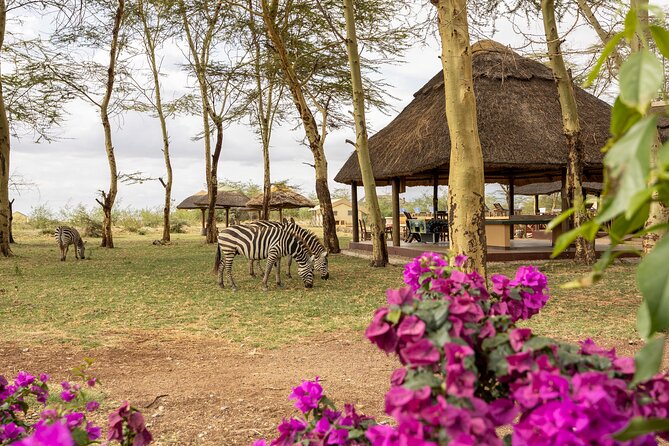
From Lake Natron, you transfer through the Game Controlled Area of Loliondo. The idea is that this area can feel like a wildlife corridor with high-quality game drives, yet it’s less “main-stage” than the biggest name parks.
This is where the tour makes a point about wildlife not respecting boundaries. Animals move across areas, and game-controlled zones like Loliondo can offer access that feels more flexible and less crowded depending on conditions.
Why I like this stop: it broadens your chances. If Serengeti timing doesn’t line up with your most dramatic expectations, days like this help keep the safari feeling alive and unpredictable in a good way.
A practical note: even in quieter areas, you’ll still be balancing visibility, distance, and animal movement. Your driver-guide’s ability to read tracks and behavior becomes a bigger deal here than you might expect.
Serengeti days 5–7: how to chase the Great Migration smartly
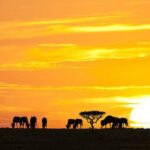
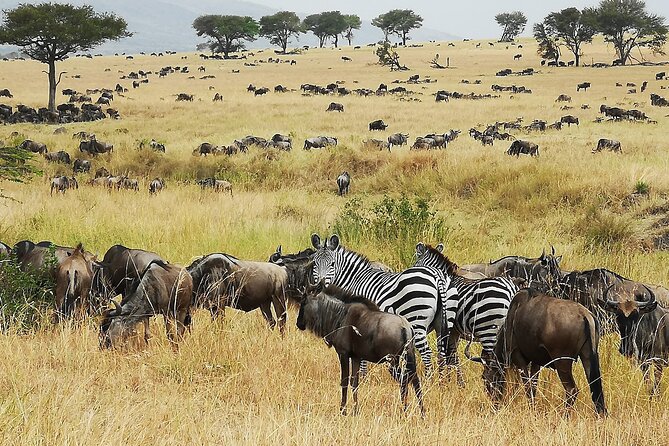
Then you reach Serengeti National Park, with full-day drives planned for three consecutive days. That’s not just “more time.” It’s more chances. The herds don’t move like a parade, and a single day can be great—or frustrating—depending on where you end up.
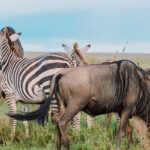
Because the Great Migration depends on the time of year, the route you’ll follow stays flexible. In practice, this means your driver-guide and the day’s vehicle plans are adjusting as the landscape and herds shift. The payoff is that you’re not locked into one fixed “crossing spot” fantasy.
Here’s what the multi-day structure buys you:
- You can catch different sections of the park.
- You can watch how animals respond to water and food.
- You can increase your odds of seeing something migration-related even if the big moment isn’t perfectly timed.
The tough bit is the nature of migration itself. Some days you’ll see groups and movement and signs of what’s coming; other days you might get the drama. You’re paying for time and flexibility here, and that’s the right trade.
Ngorongoro Crater day: Big Five odds from one iconic viewpoint
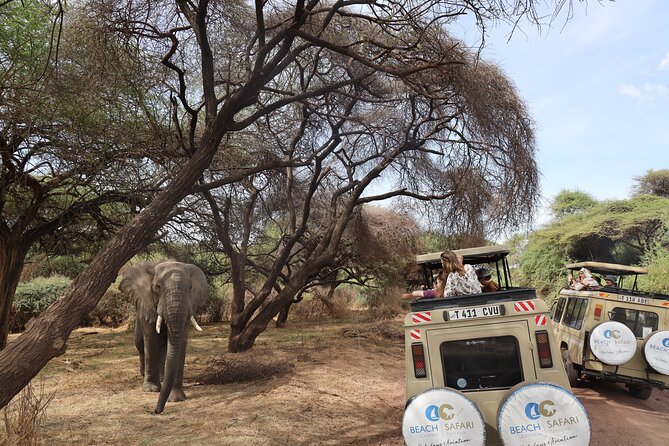
Ngorongoro Crater is the “wow” day. You’ll have a full-day game drive in the crater, described as the world’s largest intact volcanic caldera, and it’s positioned as one of the best areas to spot the Big Five.
Your experience starts with the kind of crater viewpoint that can make you stop talking. The descriptions emphasize clouds near the rim and a cool mountain breeze, and that matters because it sets the mood for a long drive where you’ll constantly want to look up and down the crater walls.
Why this stop is so strong for many people: the conservation area around the crater supports abundant wildlife. That means you’re not always waiting for a far-off animal to appear—you’re often driving through zones where animals are already present.
The Big Five mention matters, but keep your expectations flexible. Seeing lions, leopards, elephants, rhino, and buffalo is possible, but wildlife is wildlife. Still, compared to many other safari setups, Ngorongoro gives you a concentrated chance to find multiple “big” species in one day.
Food, comfort, and why full board makes this easier
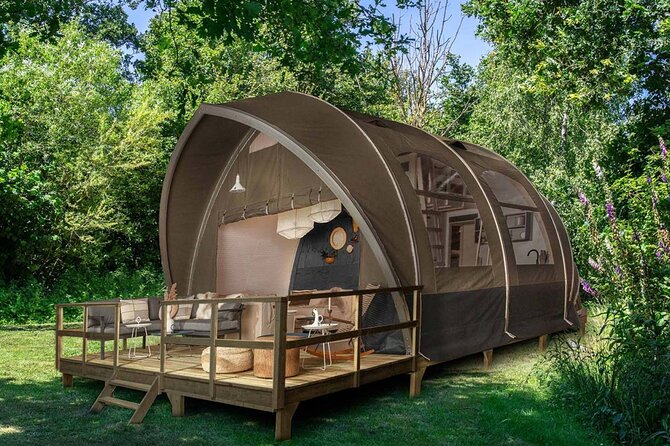
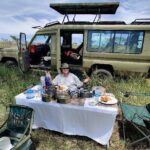
One underrated value point is the full board meal plan. The tour includes breakfast, lunch, and dinner for eight days, so you’re not spending your safari time hunting for food stops or managing a daily budget.
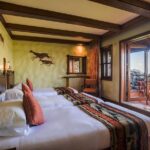
You’ll also stay in overnight accommodations described as unique and close to the national park areas, which is exactly what you want on a long 9-day itinerary. Being closer to the parks reduces “wasted time” and helps you start game drives with less stress.
Based on guide and camp feedback, the food tends to get positive notes, and the accommodations are described as comfortable with a sense of individuality. That matters because you’ll live on your lodge in the early morning and late evening, not just in between sightings.
Price and logistics: what the $4,114 covers (and what to budget for)
At $4,114 per person, this isn’t a bargain safari. But it is a classic case of “you’re paying for access.” What’s included is meaningful: park fees, transport, a driver-guide, overnight stays with full board meals, and the bulk of your time inside the parks.
The tour also includes dinner (8), lunch (8), breakfast (8), and park fees as part of the package. That’s a big deal in Tanzania, where park access is a major cost line.
What’s not included is the part you should budget for now so it doesn’t surprise you at check-in: the Tourism Development Levy ($1.50 pp/pn) and village tax ($1.00 pp/pn). You’ll also handle personal expenses, drinks, and tips.
A final practical point: the tour starts at 8:00 am, and days are built around full game-drive blocks. That means you’ll want comfortable neutral clothing, sun protection, and a water plan that works for you.
The guide factor: why Joseph, John, Hamisi, and Ladan matter
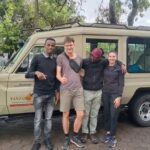
The tone in the feedback you shared is consistent: guides can make or break your safari day. Names like Joseph and John show up along with mentions of strong local knowledge and friendly, practical help on the road.
Other names you might meet include Hamisi, Alphonse, Englebert, Justine, Ladan, and Peter. That range matters because it suggests the operator’s strength isn’t just the route—it’s the human at the wheel, the person scanning constantly, and the one who can explain what you’re seeing.
If you travel with kids or teens, you’ll also like the way guides are described as working with different family needs. One highlight in the feedback emphasized how a guide like Hamisi was good with teenage kids, keeping things fun and informative instead of turning it into a long lecture.
Who this safari suits best
This tour fits best if you want a classic northern circuit without wasting days. It’s a strong pick for couples, small groups, and families who want private guiding but still want the broad sweep: Tarangire, Manyara, Natron, Serengeti, and Ngorongoro.
It also suits people who accept that migration is seasonal. If you can stay flexible and treat the herds like the main character, three Serengeti days give you a real shot.
If you hate long days, this might feel like too much. Game drives are planned as big chunks, and you’re on the road moving between areas.
Should you book this 9-day private classic safari?
I’d book it if these are your priorities: seeing major wildlife zones in North Tanzania, maximizing your odds for migration sightings by giving the Serengeti three full days, and adding that hands-on flamingo walk at Lake Natron.
I’d pause if you’re someone who needs guaranteed outcomes in advance. The Great Migration route is flexible by month, so you’re buying time and local guiding, not a promise of one perfect crossing at one perfect time.
My final practical advice: decide what you want most (migration action, Big Five odds, or bird-and-lake moments) and then pack for patience. This tour rewards people who look, wait, and trust the scan.
FAQ
Where does the safari start and end?
It starts in Arusha and ends back in Arusha. You’ll be picked up from your Arusha place of stay or the airport, and you’ll be dropped off back in Arusha at the end.
Is this a private tour?
Yes. It’s a private tour/activity, so only your group participates.
What’s included in the price?
Included are park fees, overnight stays in accommodations on a full board plan, and transport plus a driver-guide. Meals included are breakfast, lunch, and dinner for eight days.
What isn’t included?
You’ll need to pay the Tourism Development Levy ($1.50 pp/pn) and village tax ($1.00 pp/pn) at check-in. Not included are personal expenses, drinks, and tips.
Does the Great Migration route follow a fixed schedule?
No. The plan is flexible because the Great Migration depends on the time of year, so the Serengeti areas you visit can change.
Is the flamingo walk included?
Yes. Lake Natron includes a flamingo walk led by a Maasai guide at the breeding spot for lesser flamingos.
Can I cancel for a full refund?
Yes. You can cancel up to 24 hours in advance for a full refund. If you cancel less than 24 hours before the start time, the amount paid is not refunded.