REVIEW · ARUSHA
Tanzania safari with guide in Italian, the great Migration of the Serengeti
Book on Viator →Operated by Safari Crew Tanzania · Bookable on Viator
A good migration safari isn’t just luck. This one strings together big ecosystems with a tight Italian-speaking guide setup, so you’re not bouncing around blindly.
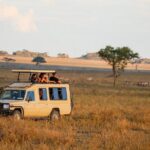
What I like most is how the route is built around the Great Migration timing and the Serengeti’s predator-rich atmosphere, with the Mara River crossing area in the middle of the action. I also like the small-group size—max 6 travelers—because it keeps the day more flexible when the animals change the plan.
One drawback to consider: it’s a long-driving safari. Some days are packed full, so if you hate being in a 4×4 for hours, you’ll want to mentally prepare for that rhythm.
In This Review
- Key highlights you’ll feel on this safari
- Why this Great Migration itinerary works so well with an Italian guide
- The real value of this $4,100 price: what’s included vs what you’ll pay anyway
- Day 1: arriving near Kilimanjaro and getting into Arusha fast
- Day 2: Lake Manyara’s Rift Valley edge and the bird-and-primate show
- Day 3: Ngorongoro Crater caldera drives—when the habitat is the spectacle
- Day 4: Serengeti Park day—where the food chain is obvious
- Day 5: Mara River and the Great Migration timing (July to October)
- Day 6: Lake Natron flamingos plus Oldoinyo Lengai (no technical trek)
- Day 7: the lunar-feeling Natron walk and Tarangire’s elephant-and-baobab vibe
- Day 8: last Tarangire game drive, then back to Arusha
- Accommodations and food: what the included full board tends to mean in real life
- Guides, safety, and the small-group advantage that shows up fast
- Who this Great Migration safari is best for
- Should you book this Tanzania safari with Safari Crew Tanzania?
- FAQ
- How long is the safari?
- What language is the guide?
- What’s the group size?
- Where does the tour start and how do you get to Arusha?
- Which parks and key areas are included?
- Is the Great Migration part of the plan?
- What’s included in the price?
- What is not included?
- Is trekking on Oldoinyo Lengai included?
Key highlights you’ll feel on this safari
- Small group (max 6) with an Italian guide for clearer spotting and calmer logistics
- Great Migration focus in the northern Serengeti season window (July–October)
- Ngorongoro Crater game drives inside a compact, ancient volcanic caldera
- Lake Natron flamingo season views plus a safe, non-technical on-foot outing
- Tarangire elephants and baobabs in a different “park-of-giants” style habitat
Why this Great Migration itinerary works so well with an Italian guide
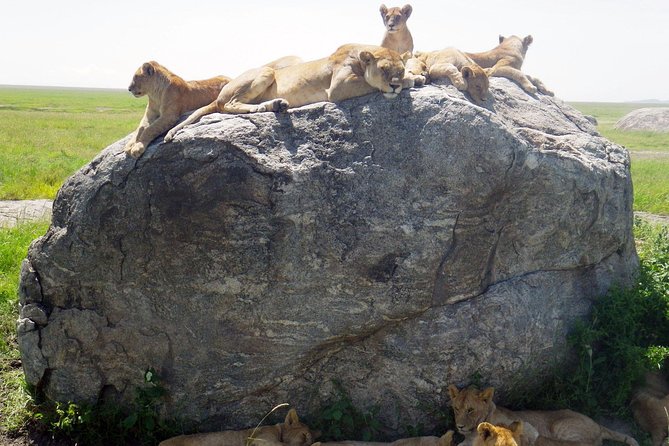
This safari is designed for people who want more than a checklist of parks. The magic here is how the itinerary moves through habitats that each “do something different” for wildlife, from Rift Valley escarpments to volcanic craters and seasonal bird drama.
The big practical win is your Italian-speaking guide. Spotting wildlife is only half the job. The other half is knowing where to look, how to read animal behavior, and how to explain what you’re seeing. In Italian-focused feedback for this operator, guides like Jo, Naftal, Kahim, Martini, Mussa, Michael, and Omari come up often for being competent, passionate, and clearly able to connect with people. That matters because you’ll spend less time guessing and more time learning while you watch.
There’s also a value angle: park fees, transfers, full board, and water on board are included. That reduces the annoying “wait, what’s extra?” feeling that can sour a safari budget.
You can also read our reviews of more tours and experiences in Arusha.
The real value of this $4,100 price: what’s included vs what you’ll pay anyway
Let’s talk money in plain terms. At $4,100 per person, you’re paying for an 8-day northern Tanzania circuit that includes a lot of the expensive moving parts.
Included items worth noticing:
- Safari circuit in 4×4 (this is the only sane way to reach most of these sites comfortably)
- Full board (breakfast, lunch, dinner are covered)
- Park fees
- Transfers (including airport handling and moving between regions)
- AMREF insurance
- Water on board
Not included, so budget ahead:
- International and local flights
- Visa
- Lodge drinks
- Personal extras
So where does the value land? You’re essentially paying for the safari machine: transport, access, and food. You’re not paying to figure out permits, park logistics, or day-by-day routing on your own. And because the group is small (up to 6), you’re not forced into a huge-vehicle schedule where your day’s timing is locked to the slowest vehicle.
Day 1: arriving near Kilimanjaro and getting into Arusha fast
Day 1 is the “arrive and reset” day. You come into Kilimanjaro International Airport or Arusha Airport, handle entry formalities, meet your guide, and transfer to Arusha. It’s short—about an hour for the transfer part—so it doesn’t feel like you’ve lost the whole first day to logistics.
What you should care about here: safari timing starts immediately. Getting settled the same day helps you show up rested for the next park day, especially because the rest of the trip is a steady pace of game drives and long days.
Day 2: Lake Manyara’s Rift Valley edge and the bird-and-primate show
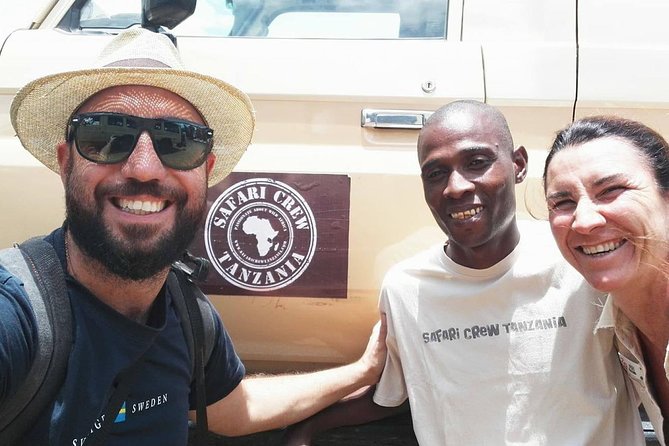
Lake Manyara is a different kind of safari day because the park is compact but diverse. You’re visiting under the Rift Valley escarpment, where conditions shift quickly from forested pockets fueled by water resurgence to savanna and marshy lake areas.
This is the kind of park where you can get “variety per hour.” The tour highlights include:
- Elephants and giraffes
- Strong monkey presence (including baboons and other cercopithecines)
- 380 bird species
- Flamingos during December to March (worth knowing if your trip falls in those months)
A drawback? Lake Manyara can feel a bit less “classic Serengeti-style” if you’re expecting endless open-plains migration views. It’s more about habitat variety and fast wildlife sightings—still exciting, just a different rhythm.
Day 3: Ngorongoro Crater caldera drives—when the habitat is the spectacle
Ngorongoro Crater is one of those places where the geology sets the scene. You’re not just driving through a park; you’re entering a former volcanic system. The crater is what remains after a volcanic cone collapsed about 2.5 million years ago, creating today’s caldera. Inside, there’s a savannah where more than 25,000 large animals live.
This day is built around a photosafari in the crater, and the layout helps. Because the area is enclosed, wildlife viewing can feel more concentrated compared to places where animals spread across huge plains.
You’ll want to know one key detail: giraffes aren’t found in the crater. Everything else can be on the table—lions, plus many other typical species for the region. So if giraffes are your must-see, plan your expectations around other days and parks.
Timing also matters here. You’ve got about 7 hours scheduled for the crater drive, so it’s a full day with enough time to see multiple view angles and wildlife pockets.
Day 4: Serengeti Park day—where the food chain is obvious
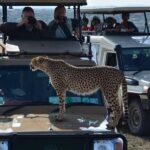
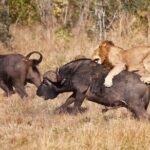
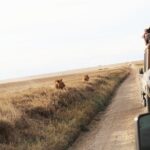
Day 4 sets you inside the Serengeti ecosystem, and it’s the most “big-game-in-motion” style day on the trip. The numbers alone help you understand why this park is famous: around 1.5 million wildebeest, about 300,000 zebras, and hundreds of thousands of other grazing species, with predators following the pattern.
The itinerary frames this as a photosafari in Serengeti Park for about 8 hours. What you should take from that: you’re not rushing past the Serengeti like it’s a photo booth. You’re spending a serious block of time where you can track animal movement and predator sightings that often require patience.
Another useful context: the Serengeti National Park (15,000 sq km) is only the largest chunk of a wider ecosystem. That matters because animal movement isn’t polite—it crosses boundaries. A good guide helps you interpret that movement without getting stressed by where you are on a map.
Day 5: Mara River and the Great Migration timing (July to October)
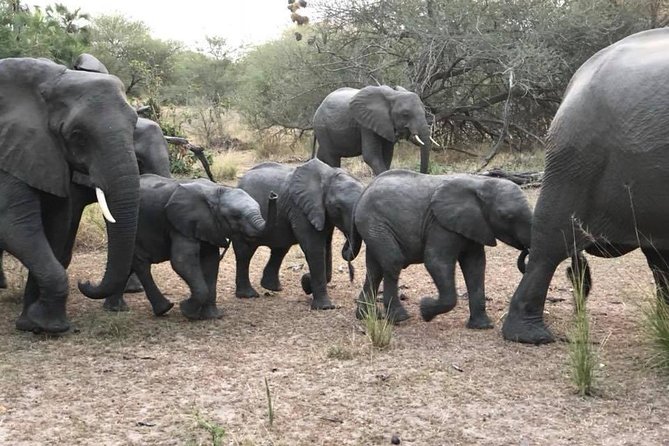
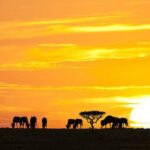
This is the day that most people picture when they say Great Migration. In the July–October window, the migration affects the northern sector of the Serengeti, and the itinerary focuses on the Mara River area.
The Mara River segment is important because it’s where dramatic “crossing energy” often concentrates. The tour description links this day directly to the migration’s movement pattern: wildebeest and zebras, always chasing pasture and water, become the stars of the show.
What you’ll love about this day is also what you can’t control: animals move. Even with the best guide, wildlife doesn’t arrive on a strict calendar. The value of the small group and an experienced Italian guide is that your day can flex when the herd’s path shifts.
A practical tip mindset: plan to feel excited even when you don’t see the most dramatic moment instantly. A lot of the best sightings come from watching the lead-up behavior—grazing clusters, tight groups moving in a direction, and predators tracking the same activity.
Day 6: Lake Natron flamingos plus Oldoinyo Lengai (no technical trek)
Lake Natron is one of the most visually unique stops on this circuit. It’s a strongly alkaline lake in a Rift Valley-created depression, surrounded by rugged lava desert. The itinerary highlights the flamingo season: June to October is when millions of pink flamingos nest here, drawn by cyanobacteria concentrated in the lake waters during the dry season.
This day also includes viewpoints and a drive approach that’s built for scenery. You’ve got time before the next activity—about 4 hours for the Natron portion.
Then comes Oldoinyo Lengai, a sacred volcano for the Maasai. It’s described as the only volcano in the world to emit natro-carbonatitic lava. Here’s the key logistics point you should know: after eruptions in December 2007 / January 2008, the easy, temporary paths were destroyed. Since then, trekking to the summit is no longer organized. The itinerary instead includes an afternoon excursion on foot along the Engare area.
So this day delivers two types of wow:
- Flamingos in a harsh setting (a science-and-scene combo)
- Volcanic geography with a cultural layer
And it avoids the risky “we’ll see if it’s passable” style trekking that you don’t need on a first visit.
Day 7: the lunar-feeling Natron walk and Tarangire’s elephant-and-baobab vibe
Day 7 is split into two environments. In the morning, you do an on-foot excursion along Lake Natron’s shores. The route is described as rugged and almost lunar, which tells you what to expect: uneven ground, heat exposure, and a landscape that looks like it belongs on another planet.
In the afternoon you move to Tarangire National Park for a photo safari. Tarangire is often called the park of giants because it features:
- Colossal baobabs
- Large herds of elephants
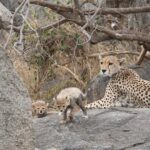
- Predators like lions and leopards (plus other wildlife such as buffalo and antelopes)
- About 500 species of birds
- The “hub” being the Tarangire River, and during the dry season also the Silale Marsh, which becomes one of the only water sources
This is where the tour shifts from “migration focus” to “classic northern safari abundance.” If you’re worried that Great Migration might be too dependent on timing, this day helps balance your trip with wildlife that’s present regardless of the herd’s exact schedule.
There’s also a practical advantage: you get a full morning commitment and then a full afternoon park drive. That’s ideal for travelers who want the day structured but not rushed.
Day 8: last Tarangire game drive, then back to Arusha
On the final day, you get an early morning last game drive in Tarangire, which is a smart move. Morning light often helps wildlife spotting, and it’s when many animals are most active.
After that, you return to Arusha for lunch and then transfer to the airport. This is one of those endings that feels efficient without being chaotic, especially when flights aren’t late and you want to keep the safari ending smooth.
Accommodations and food: what the included full board tends to mean in real life
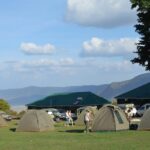
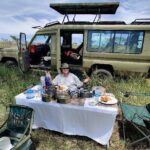
The itinerary includes breakfast, lunch, and dinner, and many safari trips are “full board” in name only. Here, feedback points to strong food and comfortable stays, including “spotless” descriptions and praise for both well-located rentals and tented camp comfort. That’s exactly what you want after a long day in a 4×4: meals you can actually enjoy and sleeping that helps you recharge.
Because drinks aren’t included, I’d plan on that upfront. If you’re the type who wants a beer or a soda with dinner, treat it like a separate small budget line rather than a surprise.
Guides, safety, and the small-group advantage that shows up fast
Small groups aren’t just a feel-good feature. They can change what the day feels like.
With max 6 participants, your guide can:
- Reposition more calmly when animals change position
- Keep the group together without constant waiting
- Handle questions in Italian without the whole vehicle becoming a classroom
The pattern in feedback is that guides are treated as a central part of the experience. Names like Rocco (planning support highlighted in comments) and drivers/guides like Jo, Naftal, Kahim, Martini, Mussa, Michael, and Omari come up with praise for competence, passion, and reliability.
Also, AMREF insurance is included. I wouldn’t call that exciting, but it’s meaningful comfort when you’re traveling far from home.
Who this Great Migration safari is best for
This tour fits best if you:
- Want Great Migration chances during July–October with a Mara River focus
- Like the idea of an Italian-speaking guide instead of going on a pure guess-and-scan safari
- Prefer a small group over big convoys
- Don’t want to micromanage park fees, transfers, or meal plans
You might think twice if you:
- Hate long travel days in a 4×4
- Want everything to be migration-only (this includes multiple parks and Lake Natron/Tarangire balance)
- Are traveling in a month where flamingo season doesn’t line up with the itinerary (Lake Natron nesting is June–October, Lake Manyara flamingos December–March)
Should you book this Tanzania safari with Safari Crew Tanzania?
If your goal is a serious northern Tanzania safari built around the Great Migration season, I’d say this is a strong match—especially because the included park fees, full board, and small-group Italian guide reduce the usual friction that can make safaris feel stressful.
I’d book if you want:
- A route that covers big wildlife zones, not just one park
- A plan that uses local geography well (Ngorongoro’s caldera, Natron’s soda-flat drama, Tarangire’s dry-season water logic)
- A tour where guide communication is clearly a priority
I’d hesitate if you’re booking only for one single moment. Migration is amazing, but it depends on timing and animal movement. This itinerary hedges that with strong wildlife days before and after the migration window—so you don’t leave with only one highlight.
If you like your safari organized, guided, and efficient (but still wildlife-first), this one is worth your attention.
FAQ
How long is the safari?
The tour is listed as 8 days (approx.), with an 8-day itinerary from arrival and transfers through Serengeti, Ngorongoro, Lake Manyara, Lake Natron, and Tarangire.
What language is the guide?
The safari includes a small group guide in Italian.
What’s the group size?
It’s described as a maximum of 6 travelers.
Where does the tour start and how do you get to Arusha?
You arrive at Kilimanjaro International Airport or Arusha Airport, complete entry formalities, meet the guide, and transfer to Arusha.
Which parks and key areas are included?
The itinerary includes Lake Manyara, Ngorongoro Crater, Serengeti (including the Mara River area), Lake Natron, Tarangire National Park, plus activities around Oldoinyo Lengai.
Is the Great Migration part of the plan?
Yes. The itinerary links the Great Migration to the northern sector of the Serengeti between July and October, with time focused around the Mara River.
What’s included in the price?
Included items are 4×4 safari circuit, full board, park fees, transfers, AMREF insurance, and water on board, along with all fees and taxes.
What is not included?
Not included are international and local flights, the entry visa, lodge drinks, and personal extras.
Is trekking on Oldoinyo Lengai included?
No summit trekking is organized. After eruptions in December 2007 / January 2008, the itinerary notes that trekking to the top is no longer run; instead there’s an afternoon excursion on foot along the Engare area.
If you want, tell me your travel month and whether you’re more into migration drama or “lots of different wildlife days,” and I’ll suggest what parts of this itinerary are most likely to fit your expectations.