REVIEW · ARUSHA
10-Day Serengeti Wildebeest Migration Safari from Arusha
Book on Viator →Operated by Gosheni Safaris (T) Limited · Bookable on Viator
The sound of millions of hooves is the closest thing to theater on earth. This 10-day Serengeti wildebeest migration safari is built around the timing when the herds hit the North and Central plains, plus adds Ngorongoro Crater and Tarangire. You’ll base yourself in luxury tented camps and lodges while staying on the move across some of Tanzania’s best wildlife zones.
What I like most is how much real game time you get—multiple days in Serengeti with a strong chance of river action in the peak window. I also love that the tour keeps the logistics smooth with airport pickup, private vehicle driving, and meals included so you can focus on scanning the grass and spotting movement.
One consideration: the big ticket flight segment from Kilimanjaro to Serengeti North is not included, and you’ll be paying for that separately. Also, while most feedback on guides and driving is strong, I’d still ask what the vehicle is like before you go—at least one person flagged less-than-perfect jeeps even though the driving was excellent.
In This Review
- Key things to know before you go
- Arusha start: your safari boots hit the ground fast
- Serengeti North (Days 2–4): built for the Great Migration drama
- Why these North days are worth the cost
- The practical part: camp base and game-drive style
- Serengeti Central (Days 5–7): Seronera classics and predator chances
- What to expect in Central
- Ngorongoro Crater (Day 8): concentrated wildlife in a dramatic bowl
- Tarangire (Day 9): elephant country and a calmer pace
- What you’ll likely enjoy here
- Arusha finish (Day 10): wrap up and fly onward
- Guides and jeeps: what the best safari service actually looks like
- Price and logistics: does $5,512.83 make sense?
- Who this safari suits best (and who should look elsewhere)
- Should you book this 10-day Serengeti migration safari from Arusha?
- FAQ
- Do I need to arrange the flight from Kilimanjaro to Serengeti North?
- How many days will I spend on safari in Serengeti?
- What wildlife viewing is this safari focused on?
- Where do I stay during the safari?
- Is the group size small?
- Are meals included?
- What time does the tour start?
Key things to know before you go
- Serengeti timing for crossings: The plan targets July–October, with river crossings around Kogatende starting in August and becoming very frequent between August and October.
- Small group size: Maximum of 7 travelers, which usually means easier tracking, quieter camp vibes, and less “herding” on safari.
- Two Serengeti zones: North days for migration viewing, then Central/Seronera for classic Serengeti action.
- Ngorongoro early start: An early crater game drive where wildlife is concentrated in a dramatic caldera setting.
- Tarangire’s quieter feel: A full day away from the main circuit, good for elephants and birds.
- Guide power matters: The guide list in feedback includes people like George, Arnold, Cleopa, Calvin, Inno, William, Ombeni, Laban, Rahim, Wilson, and Shedrack—so ask who you’re assigned for your exact dates.
Arusha start: your safari boots hit the ground fast
Your day begins in Arusha, with pickup from Kilimanjaro International Airport. On arrival day (Day 1), you’ll get transferred to your hotel and a briefing about how the safari will run.
This matters more than people think. Safari days in Tanzania are built on timing—drives to game areas, early starts, and the rhythm of morning and afternoon game drives. Getting your bearings in Arusha the day you land helps you sleep better and wake up ready.
Also note the overall structure: the tour uses a private vehicle for the ground parts and then adds the one key air hop to reach Serengeti North. Your first day is basically about setting your system so the rest feels effortless.
You can also read our reviews of more tours and experiences in Arusha.
Serengeti North (Days 2–4): built for the Great Migration drama
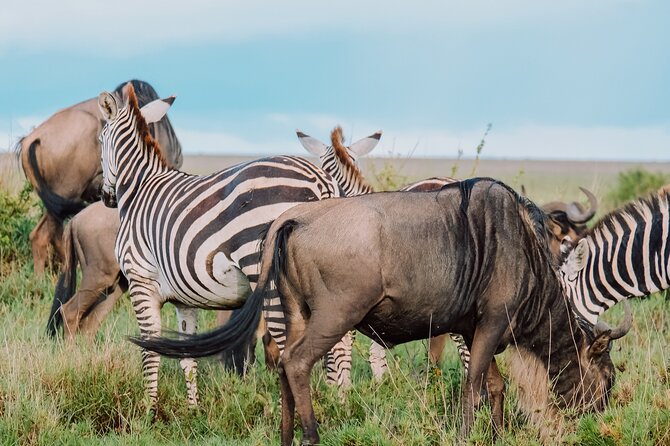
Days 2–4 are all about Serengeti National Park (North). After breakfast, you’ll transfer to Arusha airstrip for a flight to Serengeti North. That flight is listed as your expense, so budget it separately.
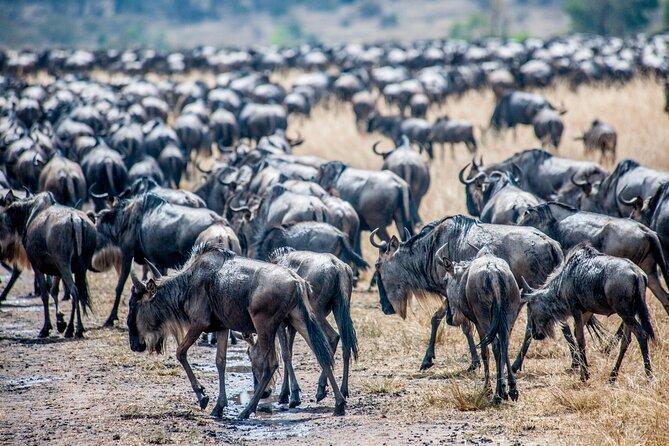
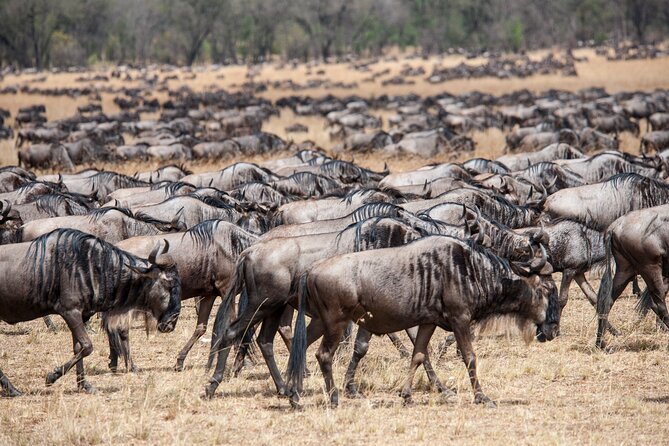
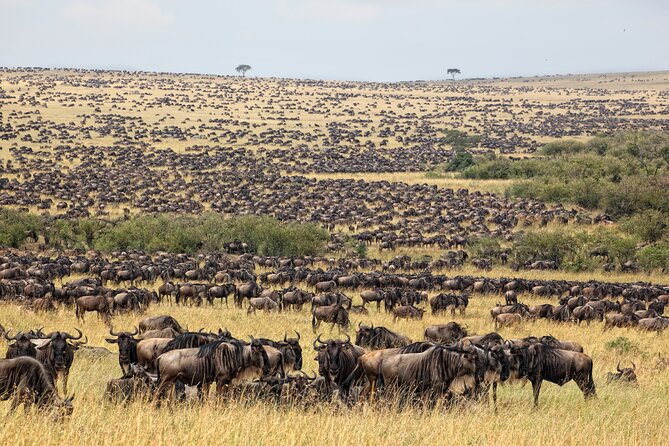
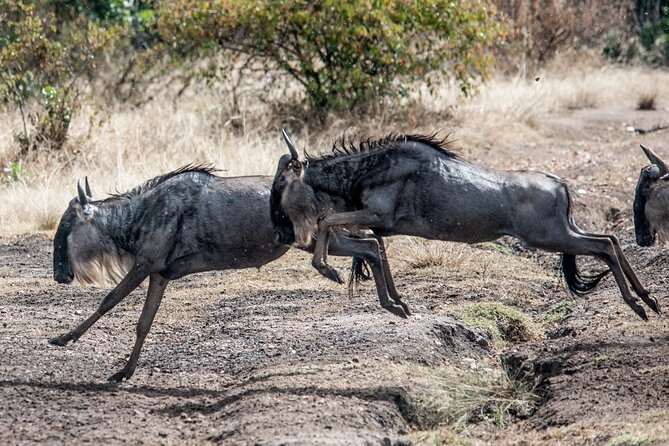
Once you’re in the North, the focus is the migration itself: about 1.5 million wildebeest plus large numbers of zebras and antelope moving through the plains. This part of the migration is the July–October window, with the itinerary specifically designed around where the mega-herd tends to settle and feed.
Why these North days are worth the cost
I like North for two reasons:
- You’re positioned where action concentrates. The plan highlights Kogatende as a key river area, with river crossings beginning in August and then becoming extremely regular through August–October.
- You’re not trying to chase miracles every hour. The description is clear that the crossing rhythm can be more back-and-forth than one clean event. That’s good news because it keeps your odds up across multiple days.
Between the herds and the predators, the “boring” minutes in Serengeti are still educational. You’ll spend time learning what to look for—grass height, movement patterns, dust clouds, and where animals funnel toward water.
The practical part: camp base and game-drive style
You’ll stay in a luxury tented camp during these days. In real terms, this is about comfort when you’re tired. Game drives can be long, and you’ll want a place to reset: warm showers, proper beds, and meals that don’t feel like an airport snack.
You’ll do 3 days of game viewing in North. That’s a nice balance: enough time to catch river movement without turning every day into a sprint.
Serengeti Central (Days 5–7): Seronera classics and predator chances
After breakfast, Days 5–7 move you to Serengeti Central (Seronera), Tanzania’s oldest and most popular national park area and a World Heritage site.
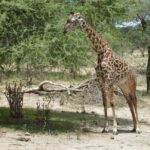
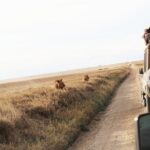
The Central plan leans into classic Serengeti territory: broad visibility, frequent sightings, and the migration continuing in the background. The description frames it as a zone where wildebeest, zebra, and Thomson’s gazelles join grazing—so even when the river drama slows, you’re still in prime wildlife country.
What to expect in Central
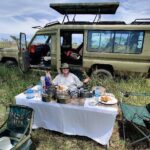
You’ll get another block of luxury tented-camp lodging and multiple meal stops (breakfast, lunch, dinner). The itinerary format suggests full safari rhythm days: morning drive, midday meal, and afternoon drive, though the exact drive times aren’t listed.
Here’s why Central can feel different from North:
- In North, you’re chasing the waterline.
- In Central, you’re chasing everything—predators, big herds, and the general “ecosystem running.”
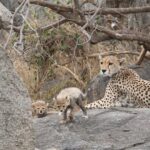
And yes, predator sightings can be hit-or-miss anywhere in Africa. The good part is that your guide time matters. Several guides named in feedback—George, Arnold, Calvin, Cleopa, and Inno among them—are described as wildlife and photo-spot specialists. That’s the kind of skill you want in Central when the animals aren’t all lining up at one river bend.
Ngorongoro Crater (Day 8): concentrated wildlife in a dramatic bowl
Day 8 is Ngorongoro Crater with an early morning game drive inside the crater. This is one of those places where timing is everything. The earlier you start, the more likely you are to find wildlife active before the day heats up and animals settle into “observing you back” mode.
The tour explains that the Ngorongoro Conservation Area (NCA) covers highlands along the Rift Valley, with the crater as its focal point. It’s managed to conserve wildlife and natural resources, while also protecting indigenous interests and promoting tourism.
That matters because Ngorongoro isn’t just a photo stop. It’s a controlled, high-focus ecosystem. You’re driving in a natural amphitheater, so you can’t always pick the perfect sighting. But you do get that wow factor of seeing dense wildlife in a single enclosed setting.
You’ll stay at a luxury lodge for the night after this crater day.
Tarangire (Day 9): elephant country and a calmer pace
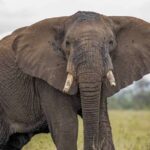
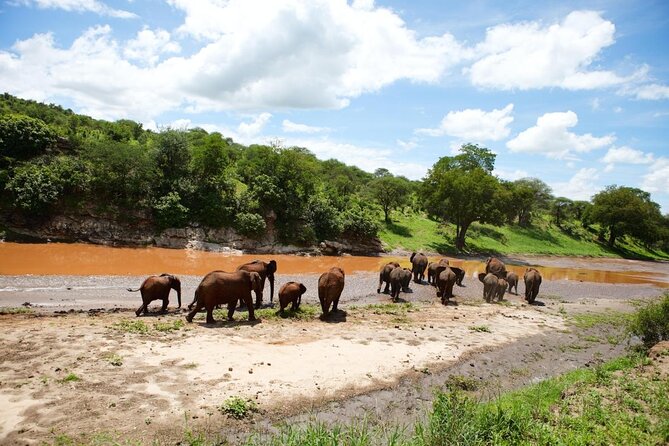
Day 9 heads to Tarangire National Park for a full day game drive. The tour notes Tarangire as quieter than the main safari route, and it’s especially known for elephants and birding.
I like adding Tarangire because it breaks the monotony of Serengeti. Even when you’re excited to be in Serengeti, your eyes start to learn the pattern. Tarangire shifts the picture: different habitats, different animal routines, and usually a more relaxed feeling.
What you’ll likely enjoy here
- Elephant sightings can be a centerpiece, and the itinerary positions this day as the park’s strength.
- Birding gets a proper slot, and that’s a nice change if you’re a bird-and-behavior person.
This night is another luxury lodge stop before you head back to Arusha.
Arusha finish (Day 10): wrap up and fly onward
On Day 10, you’ll head back to Arusha after breakfast. The itinerary also includes passing by a shopping market along the way, then being transferred to Kilimanjaro International Airport for your onward flight.
This day feels like a clean landing: you’re not stacking another wildlife challenge. It’s also a good time to pick up small crafts or snacks for the flight, as long as you don’t lose time and stress the taxi math.
Guides and jeeps: what the best safari service actually looks like
The tour’s biggest “value add” is the people doing the driving and spotting. In feedback, guides are repeatedly named and praised for finding animals and sharing what they’re looking at.
You’ll see names like Calvin, described as especially strong for positioning for photos and delivering a kind, knowledgeable experience. William is praised for taking care of details from arrival through the trip. Ombeni and Cleopa are also highlighted for professionalism and wildlife explanations. Other names that came up include George, Arnold, Inno, Laban, Rahim, Wilson, and Shedrack.
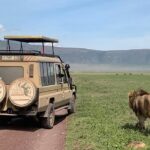
One honest caution: there was also a comment about bad jeeps paired with excellent driving. That doesn’t mean your trip will be rough, but it’s a reason to ask what vehicle class you’ll have for your dates and how the seats/comfort are handled.
Price and logistics: does $5,512.83 make sense?
At $5,512.83 per person, this is a premium safari price. The good news is the package structure is the kind that usually justifies paying extra.
What’s included (big-ticket value):
- Accommodation for the full trip except the last day’s lodging stop
- Meals as per itinerary: breakfasts, lunches, and dinners listed for the days you’re in the field
- Airport pickup and drop-off in Arusha/Kilimanjaro context
- Private vehicle transport with a driver/guide
- Bottled water
What’s not included:
- The flight from Kilimanjaro to Serengeti North
- Alcoholic drinks
So the “real” comparison isn’t just the headline price. It’s: how much of the safari cost is packaged for you versus added later. Here, meals and transport planning are handled, and that’s where expensive safaris often earn their keep. You’re paying for time management, access, and fewer decisions.
For me, the price makes sense if:
- You want the migration window (July–October logic) rather than a random date lottery.
- You care about staying comfortable in between long game-drive days.
- You want a small group (max 7), which usually means more attention per person.
If you’re trying to do this as cheaply as possible, you’ll find alternatives that cut down comfort and structure. But then you’re also accepting more uncertainty.
Who this safari suits best (and who should look elsewhere)
This itinerary is best for:
- Couples and small groups who want serious migration viewing time plus Ngorongoro and Tarangire.
- People who like guided interpretation—knowing what you’re seeing makes the hours more satisfying.
- Travelers who value comfort: luxury tented camps and luxury lodges are part of the deal here.
It may not be ideal if:
- You dislike early starts. Ngorongoro is an early day.
- You’re sensitive to vehicle comfort and you’d rather not take a chance. Ask about the jeep specifics up front.
- You’re traveling with kids without adult supervision (the tour requires children to be accompanied by an adult).
Should you book this 10-day Serengeti migration safari from Arusha?
If your dream is the Great Migration in Serengeti plus the signature add-ons (Ngorongoro Crater and Tarangire), I’d seriously consider booking this. The structure gives you multiple Serengeti blocks, and the North timing is clearly aimed at the best river-crossing odds in the August–October range.
My main “go/no-go” checklist would be:
- Confirm the exact month of travel and make sure it matches your hope for river crossings.
- Budget for the separate flight to Serengeti North.
- Ask who your guide will be (the named guide track record in feedback is strong).
- Ask about the jeep condition for your exact dates.
Do those three or four checks, and you’ll be set up for a safari that feels like more than a checklist. It becomes hours of real wildlife viewing, with the kind of comfort that lets you enjoy it instead of just surviving it.
FAQ
Do I need to arrange the flight from Kilimanjaro to Serengeti North?
Yes. The tour includes the transfer planning, but the flight from Kilimanjaro to Serengeti North is listed as not included, so you’ll need to pay for it separately.
How many days will I spend on safari in Serengeti?
You’ll have 7 safari days in Serengeti: 3 days in the North region (Days 2–4) and 3 days in Central/Seronera (Days 5–7), plus your itinerary includes the full routing that follows those areas.
What wildlife viewing is this safari focused on?
The main focus is the wildebeest migration—about 1.5 million wildebeest plus large numbers of zebras and antelope. The itinerary also targets predator sightings and includes Ngorongoro and Tarangire for additional variety.
Where do I stay during the safari?
You’ll stay in upscale luxury tented safari camps in Serengeti (North and Central) and in luxury lodges for Ngorongoro and Tarangire. The tour does not list accommodations on the last day.
Is the group size small?
Yes. The safari has a maximum of 7 travelers, so it’s designed to feel more intimate than large-group tours.
Are meals included?
Yes. Meals included follow the itinerary: breakfasts, lunches, and dinners as listed for the safari days. Alcoholic drinks are not included.
What time does the tour start?
The start time is listed as 8:00 am, with the experience meeting in Arusha and the tour ending back at the meeting point.