REVIEW · ARUSHA
3days Serengeti National park and Ngorongoro Crater Tanzania Safari
Book on Viator →Operated by Great Image Expedition Ltd · Bookable on Viator
Three days here feels like a wildlife sprint.
This safari pairs the legendary Serengeti grasslands with a full Ngorongoro crater day, so you’re not just ticking boxes. You’re moving through Tanzania’s biggest wildlife “stages,” from migration country to the unusually packed animal life of the crater.
I especially like the early morning game drives and the way your chances improve when the animals are most active. And I like that your experience is guided by pros such as Raymond or Yunus, known for spotting wildlife and getting you into the right viewing moments. Add luxury tented camp stays like Kubukubu and Ngorongoro Lions Paw, and the days feel both exciting and well-supported.
One consideration: the schedule is intense, with long drives on travel days (including about a 5-hour transfer out and a 9-hour return). If you hate being in a vehicle, this isn’t the relaxed “sit and sip tea” style of trip.
In This Review
- Key things to know before you go
- Serengeti and Ngorongoro in 3 Days: what that combo really gives you
- Getting out of Arusha: the 7AM start and the 5-hour transfer payoff
- Serengeti day: migrating herds, predator hunting, and a camp base at Kubukubu
- Day two in Serengeti, then down to Ngorongoro via Olduvai Gorge
- Ngorongoro Crater day: a full day of crater-floor tracking and Ngoitoktok Springs lunch
- Luxury tented camps: why comfort matters on a short safari
- Guide quality: how pro spotting changes the whole day
- Price and value: is $1,499 per person fair for this 3-day route?
- Who should book this safari (and who might want a slower plan)
- Should you book this 3-day Serengeti and Ngorongoro safari?
- FAQ
- How long is the Serengeti National Park and Ngorongoro Crater safari?
- What time are you picked up in Arusha?
- Is this tour private?
- Are park admission tickets included?
- What happens if the safari can’t run due to weather?
- How does free cancellation work?
Key things to know before you go
- 7AM pickup from Arusha sets you up for the best light and cooler wildlife hours
- Serengeti picnic lunches keep you in the park longer, not trapped in transfer time
- Kubukubu and Ngorongoro Lions Paw luxury tented camps add comfort between game drives
- Optional Olduvai Gorge stopover gives you a meaningful extra moment en route
- Ngoitoktok Springs crater picnic breaks up the full crater-floor day nicely
- Private tour format means it’s only your group during the safari
Serengeti and Ngorongoro in 3 Days: what that combo really gives you
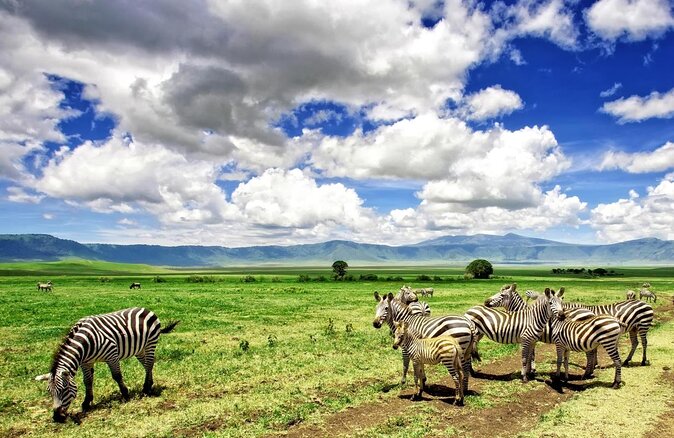
Serengeti and Ngorongoro aren’t just “two places with animals.” They feel like two different wildlife systems.
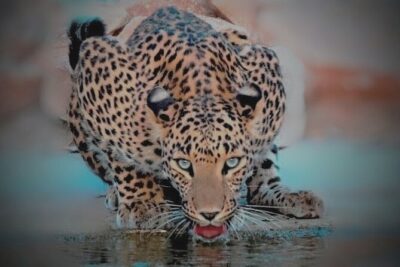
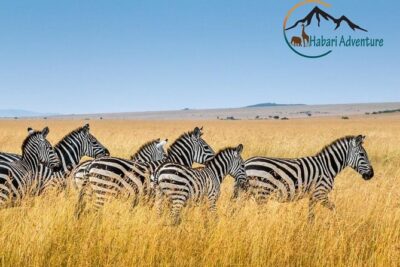
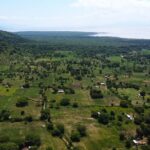
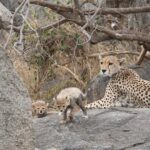
In Serengeti, you’re in wide-open plains where herds move across distance and predators follow patterns. If you go after the rains, you may see grassland views with wildflowers mixed in, which makes the park feel even more alive (and it’s a great time for photos). This is also prime country for the kinds of wildlife you’ve heard about for years: lions, cheetahs, leopards, and the big migration drama that brings immense numbers of wildebeest into the region.
Then Ngorongoro Crater flips the script. The crater floor tends to concentrate animals in a smaller area, so spotting can feel more efficient—especially on a full day of crater tracking. That’s why this short itinerary can work so well: you get both the “endless plains” feeling and the “lots of wildlife, close together” advantage in just three days.
You can also read our reviews of more tours and experiences in Arusha.
Getting out of Arusha: the 7AM start and the 5-hour transfer payoff
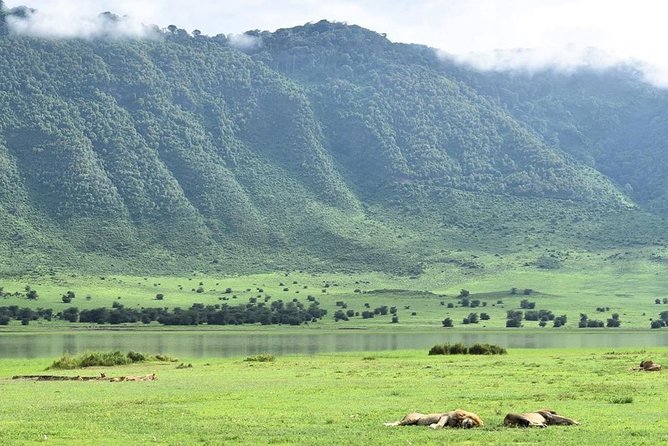
Your trip begins with pickup from your Arusha hotel at 7AM, followed by about a 5-hour drive to Serengeti. This is one of those practical choices that matters more than people expect.
Start early, and you avoid the worst of the day’s heat and get closer to when animals are easiest to spot. By the time you reach the park, you’re not trying to play catch-up. You’re ready for that first proper game drive.
You’ll also likely have a smoother day because the timing is built around park time, not just road time. When you’re leaving Arusha early, you can fit in a picnic lunch inside the park around 1PM, then continue with the rhythm of drive, rest, and dinner.
And yes, you’ll be on a road for hours. But that’s part of the trade-off with a safari that reaches both Serengeti and Ngorongoro within three days. The upside is you’re using every day for wildlife, not for relocating aimlessly.
Serengeti day: migrating herds, predator hunting, and a camp base at Kubukubu
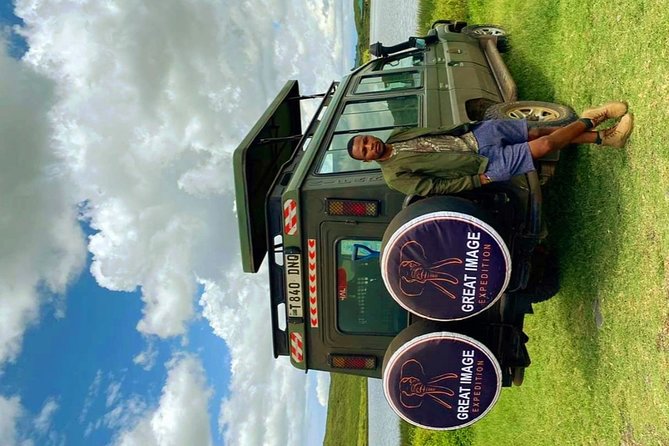
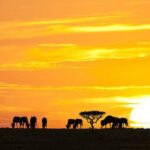
Once you’re in Serengeti, the park’s “big feel” hits you fast: vast plains, open sightlines, and wildlife that looks like it belongs in its own world. Serengeti is also famous for the migration loop between Kenya’s Maasai Mara and Tanzania’s Serengeti—so even if you’re not watching a full migration spectacle every single minute, the ecosystem is shaped by that movement.
During the day, you can expect the full cast:
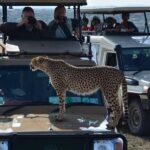
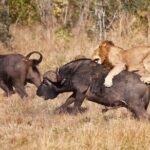
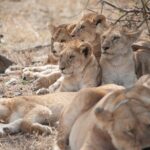
- lions, plus predators like hyenas, cheetahs, and leopards
- giraffes and antelopes
- gazelles
- and in the wider Serengeti region, crocodiles in the Grumeti River and hippos
The tour format here makes a difference. You’re not stuck with only one long drive. There’s an intentional break for picnic lunch, then the day continues toward dinner “in the heart of Serengeti.”
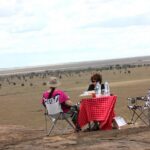
Sleep comes with the bonus of Kubukubu luxury tented camp, which is exactly the kind of camp base that helps you enjoy the park after hours. You’re not dealing with constant check-ins or commuting back and forth. Your day is built around being in the ecosystem.
One more note I like: Serengeti is one of the places where you have a chance to see black rhinos. They’re not easy sightings. But the fact that the park is associated with them adds weight to the whole Serengeti portion.
Day two in Serengeti, then down to Ngorongoro via Olduvai Gorge
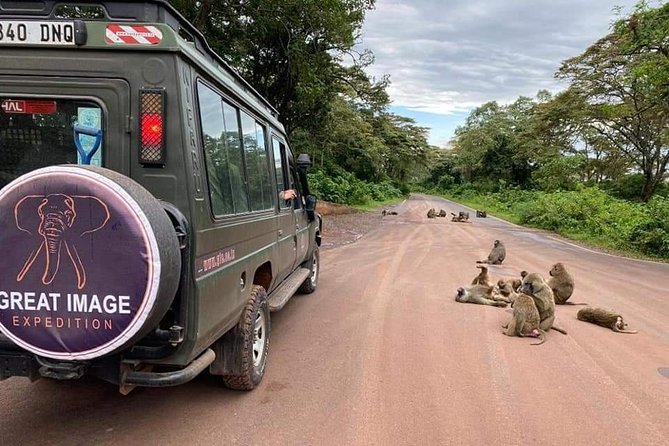
Day two starts with an early morning game drive, which keeps the schedule working in your favor. Early hours matter because animal activity changes through the day. Morning drives also tend to make spotting less stressful, because you’re not competing with heat shimmer and fatigue.
Then you stop for picnic lunch in the park, and later you leave Serengeti for Ngorongoro. There’s also an optional Olduvai Gorge stopover, which is a great add-on if you want something beyond wildlife and scenery. Even a short stop can help break up the driving day so it doesn’t feel like one long transit.
As you head toward Ngorongoro, your day shifts from open-plain vibes to crater rim territory. Dinner is served at the rim area, and you overnight at Ngorongoro Lions Paw Luxury Tented Camp.
This matters because the rim is your transition point. Your whole final day depends on how you handle the crater experience the next morning. By staying near Ngorongoro, you’re setting yourself up for an efficient start rather than spending more time on the road.
One more practical detail: you’ll be on a private safari format, so your guide can adjust pacing to what you’re seeing. That’s a big deal when you’re on a three-day timeline and can’t afford missed opportunities.
Ngorongoro Crater day: a full day of crater-floor tracking and Ngoitoktok Springs lunch
The third day is the one many people remember most. The schedule is built around an early game drive, then breakfast and more driving/tracking, and then a full crater-floor search for wildlife.
You may start with an early morning game drive, with breakfast either before or after depending on your day’s flow. Either way, you get into the crater when the conditions are usually best for spotting.
Inside the crater, the tour focuses on tracking game on the crater floor for a full day. This is also where the “big five” idea becomes more realistic. The plan calls out a very high possibility of spotting the big five in one day, and that’s exactly what makes Ngorongoro worth the long drive.
A crater day also has a different viewing feel. You’re not guessing where animals might wander across kilometers of plain. The terrain supports more concentrated sightings, and the guide’s job becomes reading behavior and positioning the vehicle for the best angles.
Lunch is handled at Ngoitoktok Springs, also on the crater floor. That’s a smart break point because it keeps the day from turning into a constant drive-to-lunch-to-drive loop.
In late afternoon, you head back toward Arusha for a long 9-hour drive. It’s a lot of time on the road, but it’s also the practical way to complete the loop and still have a full crater experience.
Luxury tented camps: why comfort matters on a short safari
On a three-day safari, comfort isn’t just about comfort. It’s about energy.
You’re doing early starts, long drives, and extended time searching for animals. Good camp beds and good meals help you reset so you can stay alert during morning drives and not feel wrecked by day three.
Here, the tour calls out Kubukubu and Ngorongoro Lions Paw. The idea is consistent across the safari experience: you’re paying for a higher level of downtime between game drives, not just for nicer furniture.
Food is also a big part of why people rate these safaris so highly. When your meals are dependable, it’s easier to keep a steady routine. That means fewer grumpy moments and more focus when your guide says it’s time to look left, look up, or slow down.
And there’s a small but real benefit to tented camp settings in wildlife areas: the ambiance makes you feel like you’re still inside the safari world, not just commuting through it.
Guide quality: how pro spotting changes the whole day
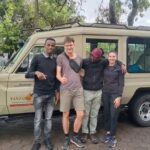
The biggest difference between an okay safari and a great safari is your guide’s ability to read the land and find animals efficiently. Based on the names and roles that show up with this safari provider, you can reasonably expect a team that takes guiding seriously—whether it’s Raymond, Yunus, John, Bruno, Humphree, Modi, Daniel, or Jordan.
I’d also pay attention to the safety and driving style. Reviews often highlight steady, professional driving. On roads that can be rough, that kind of smooth control helps you stay calm and comfortable enough to stay engaged.
Here are a few practical ways to get more from your guide day:
- Be ready early and don’t be shy about waking up fast for the drive
- Ask your guide what they’re watching for that morning
- Keep your patience when sightings take time. Sometimes the best animal is the one you don’t miss because you stayed in the right spot
Also, if you’re traveling with a honeymoon plan or celebrating something special, this private format can help the experience feel tailored. A guide who knows how to handle pacing and attention can turn a standard safari into a personal story.
Price and value: is $1,499 per person fair for this 3-day route?
At $1,499 per person for about 3 days, you’re paying for three main value drivers:
- Two major parks in a short time window
- Private safari style (only your group)
- Luxury tented camp stays (Kubukubu and Ngorongoro Lions Paw are included in the plan)
You’re also getting help with on-the-ground logistics: pickup from Arusha, meals timed into the park day (including picnic lunches), and a structured crater day that aims for strong big-five odds.
On admissions, the schedule notes admission ticket Free for the Serengeti days and admission ticket Included on the crater day. That detail matters because safari pricing can get confusing fast when you compare offers. With this plan, the paperwork is handled in a way that keeps your day-to-day flow straightforward.
Is it a cheap safari? No. But it’s not trying to be. It’s priced like a short, high-impact wildlife trip with better comfort and guidance quality baked in.
Who should book this safari (and who might want a slower plan)
This 3-day Serengeti and Ngorongoro safari is a strong fit if:
- you’re first-timers who want the two biggest “must-do” areas without dragging it into a week
- you want luxury tented camp comfort while still keeping the safari focus
- you prefer early drives and don’t mind long vehicle days
- you’d like a private guide experience rather than a crowded group tour
It might be less ideal if you:
- dislike long driving days (especially the final 9-hour return)
- want a very relaxed pace with fewer early starts
Still, even in a short itinerary, the structure here aims to maximize wildlife time. You’re spending more of your day looking for animals than worrying about timing.
Should you book this 3-day Serengeti and Ngorongoro safari?
If you want a compact safari that hits Serengeti and Ngorongoro with luxury camps, early drives, picnic lunches in the parks, and a full crater-floor day, then this is a very sensible choice. The big-five odds and the practical schedule are what make it work.
I’d book it if you’re ready to handle early mornings and long drives as the price of admission for seeing a lot in a short time. And I’d especially book it if you care about guide-driven spotting, since that’s the piece that turns hours of driving into real sightings.
If you want a slower rhythm, you might look at longer itineraries. But for many people, three days is exactly enough time to fall in love with Tanzania’s wildlife and still get back feeling energized, not drained.
FAQ
How long is the Serengeti National Park and Ngorongoro Crater safari?
The duration is approximately 3 days.
What time are you picked up in Arusha?
You are picked up from your hotel in Arusha at exactly 7AM on the first day.
Is this tour private?
Yes, it’s a private tour/activity, and only your group participates.
Are park admission tickets included?
The schedule lists admission ticket Free for day 1 and day 2, and admission ticket Included on day 3.
What happens if the safari can’t run due to weather?
This experience requires good weather. If it’s canceled due to poor weather, you will be offered a different date or a full refund.
How does free cancellation work?
Free cancellation is available. You can cancel up to 24 hours in advance for a full refund. If you cancel less than 24 hours before the start time, the amount paid will not be refunded.