REVIEW · ARUSHA
4 Days 3 Nights Tarangire Serengeti & Ngorongoro Lodge Safari
Book on Viator →Operated by Migration Venture Africa Ltd · Bookable on Viator
A four-day safari in Tanzania can fly by fast. This one stays focused on wildlife time, but it also drops you into the Olduvai Gorge story before you get serious about game drives. I like that the route is designed as a private safari circuit, so you’re not stuck watching other people’s schedules all day.
Two things I especially like: the day structure—Tarangire with a riverfront picnic, then Serengeti, then Ngorongoro—and the fact that meals are handled for you, including vegetarian options if you tell them up front. One consideration: you’ll spend a lot of hours in the vehicle, and the Serengeti portion is tight, so the trip may feel more “drive-and-watch” than “camp-and-linger.”
In This Review
- Quick safari takeaways for your shortlist
- The private 4-day circuit that hits Tarangire, Serengeti, and Ngorongoro
- Day 1 in Tarangire: elephants, baobabs, and a riverfront picnic break
- Day 2: the Olduvai Gorge stop plus a first Serengeti game drive
- Day 3: Serengeti morning sightings, then Ngorongoro via Olduvai again
- Day 4 in Ngorongoro Crater: black rhino odds and flamingo skies
- Lodges, food, and what “full board” really means for your comfort
- Your guide and vehicle time: where the safari gets real (or not)
- Price and logistics: is $2,080 per person good value
- Wheelchair access and dietary needs: what to confirm before you go
- Who this safari is best for (and who should think twice)
- Should you book this safari?
- FAQ
- Is this safari a private tour?
- Do you offer pickup in Arusha?
- What time does the tour start?
- What meals are included, and can I request vegetarian food?
- Is the tour wheelchair accessible?
- What’s included in the price versus what isn’t?
- What’s the cancellation policy?
Quick safari takeaways for your shortlist
- Private vehicle and your own timing: only your group participates, so stops and pacing stay in your hands
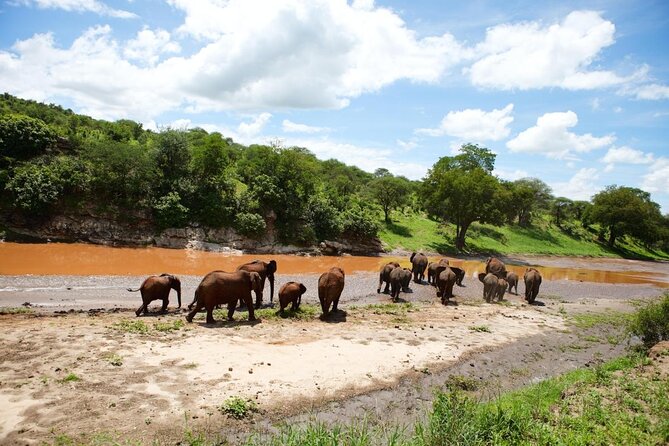
- Tarangire’s elephant and baobab day: water-dependent wildlife plus picnic lunch by the river
- Olduvai Gorge between parks: tectonics and early-human fossils as a change of pace
- Serengeti game drives both late and morning: you start seeing wildlife as you arrive, then go again after breakfast
- Ngorongoro half-day crater safari: best odds for black rhino plus lions, flamingos, and more
- Meals included with dietary options: vegetarian option available when you book
The private 4-day circuit that hits Tarangire, Serengeti, and Ngorongoro
This safari is built around a classic Tanzania loop: Arusha → Tarangire National Park → Serengeti National Park → Ngorongoro Crater (via Olduvai Gorge) → back to Arusha. The big idea is simple: you get a concentrated dose of wildlife country without juggling buses, transfers, or waiting around.
Because it’s private, your driver-guide can adjust in real time. That matters when animals pop up suddenly—especially in parks where sightings can be quick and fleeting. It also helps if your group has different comfort levels for long drives, early starts, and sitting in one spot for a while while the action happens.
The trip starts at 8:00 am in Arusha. From there, the schedule is mostly about getting you into position for the best wildlife windows: Tarangire during the day, Serengeti with a late arrival drive plus morning viewing, and then Ngorongoro for the crater experience.
You can also read our reviews of more tours and experiences in Arusha.
Day 1 in Tarangire: elephants, baobabs, and a riverfront picnic break
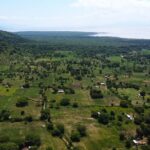
On the first day, you leave Arusha for Tarangire. The drive is about 3 hours, and once you’re inside the park you’re looking at a place famous for elephants and baobabs. In dry seasons, the Tarangire River is the main water source for wildlife in the park, which is why animals cluster and why your guide tends to keep scanning for movement around the water.
Tarangire also has a reputation for unusual sights: baobab trees, birds, and even tree-climbing pythons (yes, really). The point isn’t just “see animals.” The point is that the whole park draws wildlife to similar zones, so you can often spot more variety with less searching.
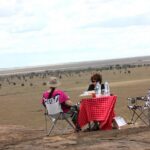
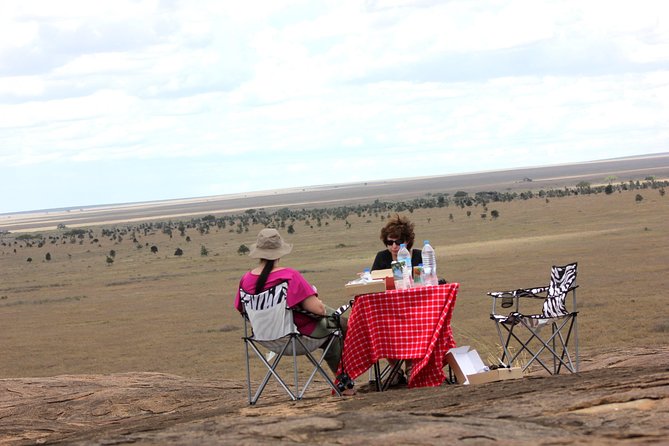
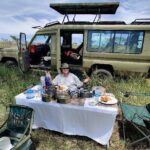
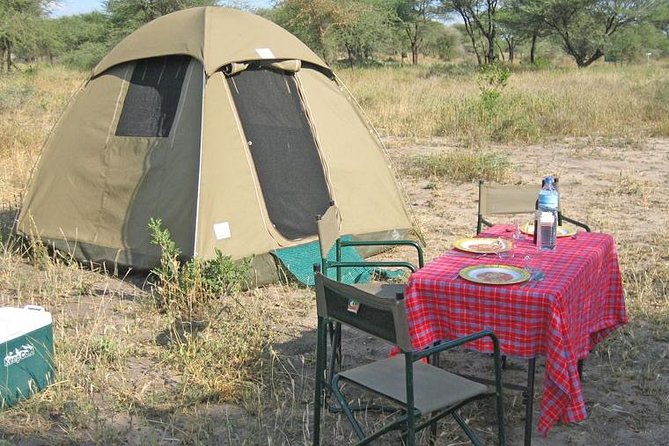
You’ll get a picnic lunch looking out over the river, which is a welcome reset from hours in a vehicle. Then you continue game viewing before heading to your lodge or campsite for dinner and overnight.
Practical note: Tarangire is a long day, and you’re switching from road travel to off-road driving once you’re in the park. If you’re sensitive to bumpy rides, pack motion-sickness meds just in case.
Day 2: the Olduvai Gorge stop plus a first Serengeti game drive
Day 2 shifts gears. You head toward Serengeti, and along the way you stop at Olduvai Gorge. The drive is roughly 3 to 4 hours, with Olduvai as more than a quick photo stop.
Olduvai Gorge is tied to early human fossils, first discovered there. You also get context for why the region looks the way it does—the tectonic forces connected to the Great Rift Valley. That mix is a smart change of pace. Wildlife days can start to blur together, so this gives your brain something different to latch onto while the landscape changes through the route.
Later, you do evening game drives in Serengeti and stay at Serengeti Wild Camp on a full-board basis. This is a real “get there and start spotting” rhythm. It’s not a slow scenic day. It’s a wildlife day that uses the late light well.
One thing to consider: because Serengeti only starts in the late day, the first day of sightings is partial. If you love long mornings and want maximum time in Serengeti, you’ll want to be comfortable with the idea that this itinerary is efficient rather than leisurely.
Day 3: Serengeti morning sightings, then Ngorongoro via Olduvai again
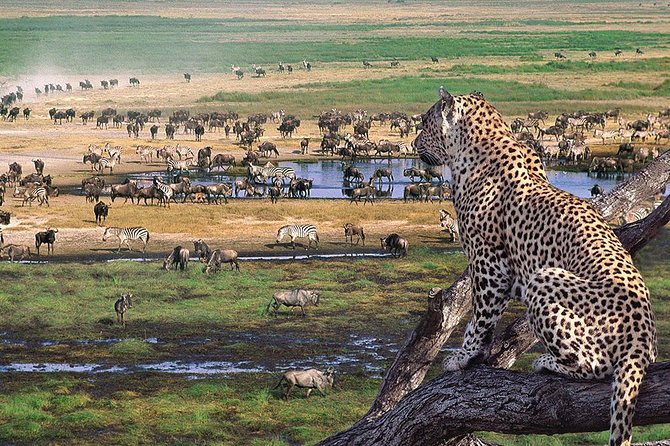
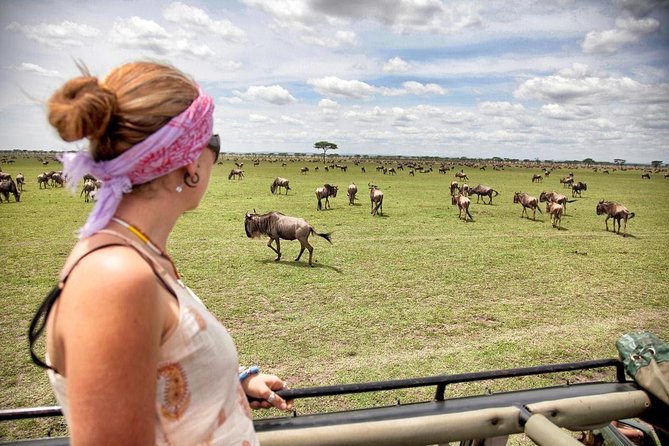
After breakfast, you go back out for morning game drives in Serengeti. Morning is often when activity feels strongest and animals are easier to find when the light is lower. Then the afternoon goes back into transfer mode: you drive toward Ngorongoro, again via Olduvai Gorge.
This repeat stop can feel redundant if you’ve already done Olduvai the day before. But if you’re the type who actually reads the exhibits and wants time to absorb what you’re seeing, the second pass through the area can help the fossil-and-Rift Valley story land more clearly.
You’ll reach your campsite or hotel for the overnight on Day 3. From a strategy point of view, that matters: Ngorongoro requires early positioning for crater viewing, and the schedule sets you up for the big crater morning.
Day 4 in Ngorongoro Crater: black rhino odds and flamingo skies
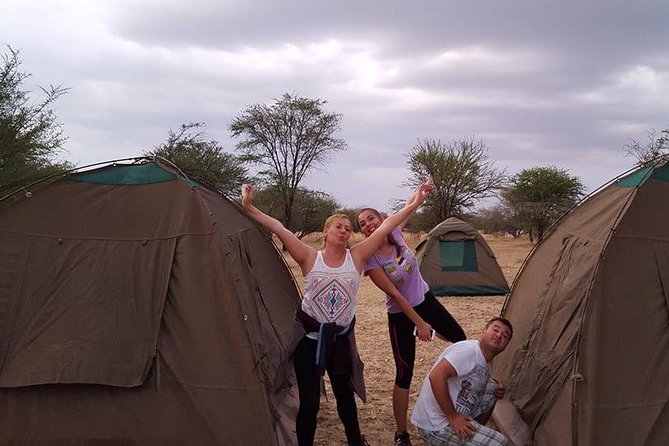
Day 4 is the star turn. You drive to Ngorongoro Crater and then enjoy half-day game drives inside the crater. This is often described as one of the best places in Tanzania to see black rhino, and that’s not a random claim. The crater concentrates animals and creates predictable viewing opportunities compared with wide-open parks.
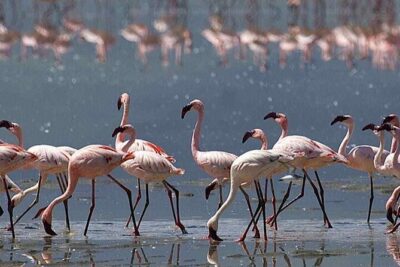
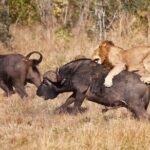
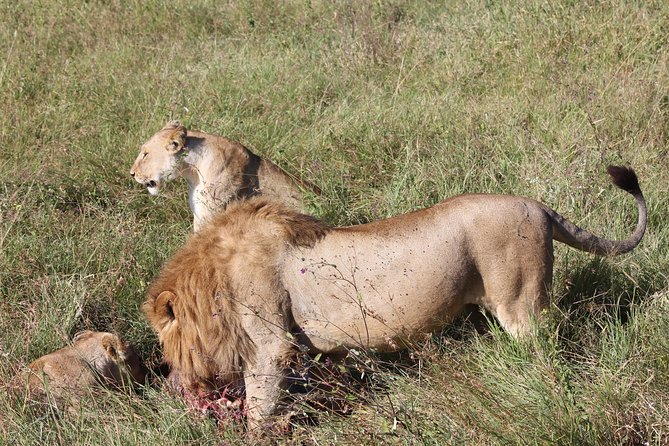
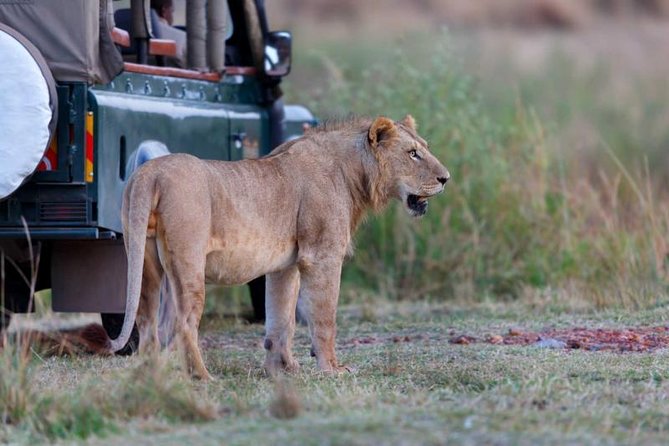
Ngorongoro isn’t only about rhinos. Lions can be seen here too, including prides with black-maned males. You also get birds: the crater is known for colorful flamingos and water birds, so even if big mammals are quiet at a given moment, the birdlife gives you something moving to watch.
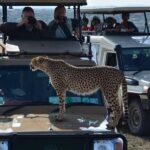
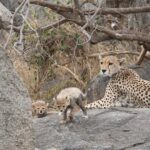
There are other potential sightings as well—leopard, cheetah, hyena, and plenty of antelope family members plus smaller mammals. The half-day format means you don’t get stuck waiting forever. You move through the crater with a plan, and you keep your eyes up even when the action feels distant.
Late afternoon, you drive back to Arusha for bed and breakfast. It’s a long loop, but it closes the safari cleanly with one last wildlife chunk before you swap safari tracks for city roads.
Lodges, food, and what “full board” really means for your comfort
This safari includes meals, which is a major value point because it saves you from finding food options between parks. The package lists lunch three times, dinner three times, and breakfast twice. There’s also a vegetarian option if you request it at booking.
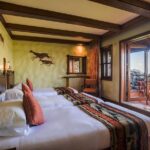
Food and comfort aren’t just nice extras on safari—they affect your energy. When you’re doing long drives and sitting for game viewing, you want predictable meals and a place to rest. The itinerary includes Serengeti Wild Camp full board, and you’ll also have dinner plus overnight stays on other nights at your lodge or campsite.
WiFi is also included on board. That’s not usually a reason to book a safari, but it helps with simple things like sharing photos, checking messages, or planning the next day when reception is otherwise spotty.
Your guide and vehicle time: where the safari gets real (or not)
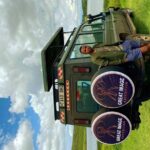
On safari, your guide is not just a driver. They’re the one who reads animal movement, decides where to stop, and keeps you safe through park roads. In the feedback behind this tour, certain guide names come up with strong praise—people like Joseph, Tom, Fredi, Lameck, Amos (in planning and coordination), Noel/Noely, Henry, and Tomas.
What’s worth paying attention to is how the guide approach can change your day:
- If the guide is focused on spotting quickly and scanning thoroughly, you’ll likely feel like you’re seeing more variety in fewer hours.
- If you get a rough ride, that doesn’t have to ruin the trip, but it can wear you down. One note that matters: the car may not feel brand-new, and park driving can be bumpy.
There’s also a human factor. A small number of experiences can sour if the guide attitude doesn’t match your expectations. That’s rare, but it’s real enough that I’d encourage you to communicate clearly at the start—what you want to see, your tolerance for long drives, and any comfort needs.
Price and logistics: is $2,080 per person good value
At $2,080 per person, this isn’t a budget safari. But it’s also not priced like a luxury-only private experience. Here’s what you’re getting for the money, based on the inclusions:
- Private transportation
- All fees and taxes
- WiFi on board
- Meals provided (lunches and dinners, plus breakfast twice)
- A route that covers three major areas plus Olduvai Gorge
What’s not included is just as important for budgeting:
- Visa
- International flight
- Alcohol and soft drinks
- Insurance
- Domestic flight
- Tips
Value tip: when you compare tour prices, look for “what’s really included.” This one covers private transport and the park/operational costs. That’s a big deal in Tanzania, where fees stack quickly. The extra costs you’ll plan for are mostly travel logistics (visa, flights), plus discretionary spending (alcohol) and tipping.
Also note the tour requires a minimum of 2 people per booking. If you’re traveling solo, you may need to check whether the operator can accommodate your situation or if you’d have to share with others.
Wheelchair access and dietary needs: what to confirm before you go
The tour states it’s wheelchair accessible. Still, safari logistics are a mix of vehicle steps, lodge pathways, and crater-road movement. I’d treat the wheelchair label as a good sign and ask for specifics when you book: vehicle access points, bathroom access, and how the guide plans crater viewing positions.
Dietary needs are supported. Vegetarian options are available if you tell the operator during booking. If you have allergies or more detailed restrictions, don’t wait—send it early so the kitchen can plan meals that match your needs.
Who this safari is best for (and who should think twice)
This tour fits best if you want:
- A private safari with only your group
- A tight 4-day route that hits Tarangire + Serengeti + Ngorongoro
- Included meals so you can focus on wildlife time
- A mix of wildlife and a meaningful stop at Olduvai Gorge
It might feel too “time-efficient” if you:
- Hate long drives and want more time in each park
- Want deeper time inside Serengeti (this itinerary gives you a start late on Day 2 and then morning on Day 3)
It also helps to like flexibility. Wildlife isn’t on a timetable, so the best days are the ones where you’re okay waiting a bit and trusting your guide to position you.
Should you book this safari?
Yes, you should book if you want a solid, efficient private circuit through Tanzania’s big wildlife zones, with meals handled and Olduvai Gorge added in for context. It’s also a good pick for couples and small groups who care more about getting wildlife sightings than about long hotel downtime.
Before you pay, do two quick checks: confirm your dietary details in writing, and ask about vehicle comfort if you’re sensitive to bumpy roads. If those boxes are handled, this is the kind of safari that can feel like a movie montage—elephants and baobabs one day, fossils and Rift Valley context the next, and Ngorongoro’s crater drama on the final run.
FAQ
Is this safari a private tour?
Yes. It’s a private tour/activity, and only your group will participate.
Do you offer pickup in Arusha?
Pickup is offered, and you can arrange hotel pickup to make the journey easier.
What time does the tour start?
The start time is 8:00 am.
What meals are included, and can I request vegetarian food?
Meals are provided, and there are vegetarian and other dietary options available. The package includes breakfast (2), lunch (3), and dinner (3). You should advise dietary requirements at booking.
Is the tour wheelchair accessible?
The tour/activity is listed as wheelchair accessible.
What’s included in the price versus what isn’t?
Included: private transportation, all fees and taxes, WiFi on board, and the listed meals. Not included: visa, international flight, alcohol and soft drinks, insurance, domestic flight, and tips.
What’s the cancellation policy?
You can cancel for a full refund up to 24 hours in advance of the experience’s start time. If you cancel less than 24 hours before, the amount paid is not refunded.