REVIEW · ARUSHA
7 Days Tanzania Mid-range lodge safari
Book on Viator →Operated by Inno Africa safaris · Bookable on Viator
Wildlife comes fast here. This private Tanzania safari packs major parks into a tight run from Lake Manyara through Ngorongoro Crater and into Serengeti, with a professional driver-guide in a custom 4×4. I like how the plan keeps moving (so you see a lot without doing the logistics treadmill) and how the route is designed to boost your sightings with off-road access and real-time spotting help.
The main drawback is the pace and the lodge standard can depend on what’s operating when you travel. One past traveler reported lodging changes during construction, so I’d ask for the exact lodge names in writing before you pay.
In This Review
- Key Takeaways Before You Go
- A Mid-Range Safari Route That Hits the Tanzania Checklist
- Private 4×4 Drives That Actually Change Your Odds
- Lake Manyara: Rift Valley Views and Optional Walks
- Ngorongoro Conservation Area: Rim Lodges and Afternoon Crater Drives
- Serengeti: Big Park Energy and Nights That Feel Like the Wild
- Olduvai Gorge: A Quick Stop With Big Meaning
- Arusha Return and the Airport-Easy Wrap-Up
- Price and Value: What $3,300 Covers (and What It Doesn’t)
- Lodges, Food, and the People Who Make It Work
- When to Go: Timing Helps, Even on a Short Trip
- Who This Safari Fits (and Who Might Rethink It)
- Should You Book This Tanzania Mid-Range Safari?
- FAQ
- What parks and areas does this safari cover?
- Is this tour private or shared?
- What transportation is used on safari?
- Does the tour include meals?
- Is park admission included?
- Are drinks included?
- Is there an option for vegetarian meals?
- Where is the meeting point?
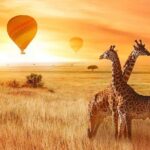
- Is there a balloon flight option?
- What’s the cancellation policy?
Key Takeaways Before You Go
- Private 4×4 drives with a professional English-speaking driver-guide to help you spot wildlife more often
- Game drives in key parks: Lake Manyara, Serengeti, and Ngorongoro Conservation Area, plus Olduvai Gorge en-route
- Free park admission tickets listed for the safari days, which is a nice value boost on a mid-range price
- Flexible add-ons in Lake Manyara, like ethno-botanical walks (small extra charge), if you want more than game drives
- Serengeti nights in an adventure camp in/near the park, where the sounds of the savanna don’t wait for you to be ready
A Mid-Range Safari Route That Hits the Tanzania Checklist
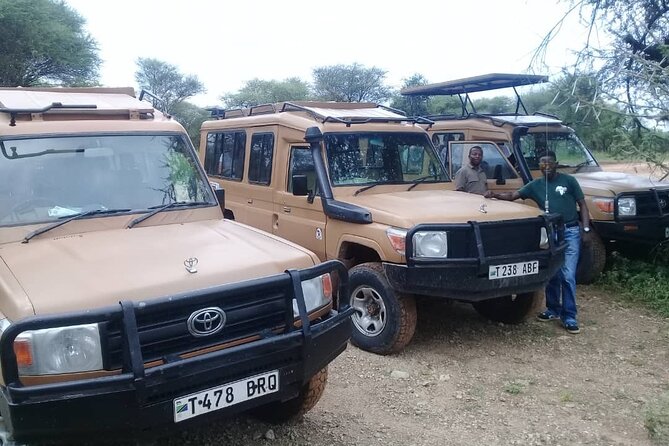
This is the kind of safari you book when you want big results in a short window. You get a private setup, full-board lodge stays on safari, and a guide who isn’t juggling multiple vehicles at once. That matters in wildlife country, where timing is everything and a quick detour can be the difference between a rushed look and a proper sighting.
For the price category, I also like that the itinerary is built around the big “signature” stops most people come for: Lake Manyara’s Rift Valley area, the Ngorongoro rim and crater, and then the big name—Serengeti—with Olduvai Gorge included on the way. It’s not just one park with a bunch of driving. It’s a connected route.
One more practical note: the package name says 7 days, but the provided duration is about 5 days. That’s not a deal-breaker, but it is something to confirm so your expectations match your exact dates and nights.
You can also read our reviews of more tours and experiences in Arusha.
Private 4×4 Drives That Actually Change Your Odds
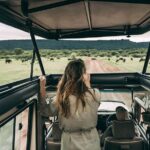
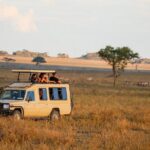
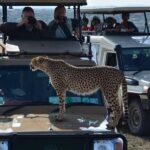
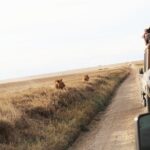
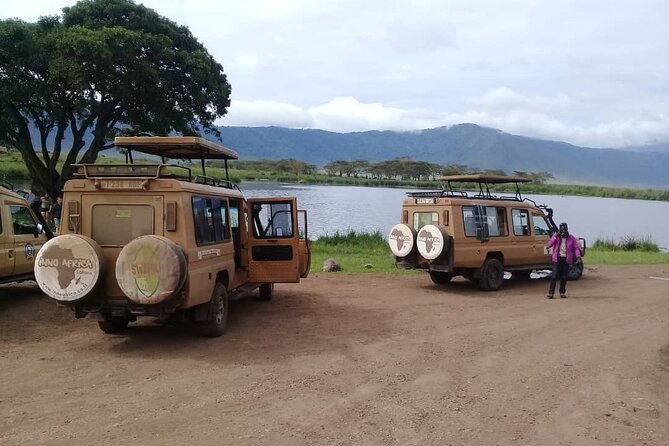
The safari vehicle is a custom-built 4×4 Land Cruiser, driven by a professional English-speaking guide. That’s the backbone of the experience. In Tanzania, wildlife viewing isn’t only about where the animals are—it’s about how you get there, what roads are passable, and how quickly you can reposition when the action starts.
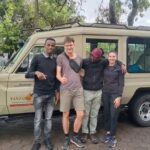
A private guide also means your day isn’t shaped around someone else’s schedule. The driver-guide can spend more time scanning, explaining, and adjusting the plan when you hit a good sighting window. In the feedback tied to this operator, people repeatedly name their guides for planning hard and “working the route” for animals, like how Inno was credited with building a safari that exceeded expectations, or how Samson apparently kept moving until the right moments landed.
If you’re the type who gets restless sitting still too long, you’ll probably enjoy this style. You’re in motion, watching, and learning throughout the day.
Lake Manyara: Rift Valley Views and Optional Walks
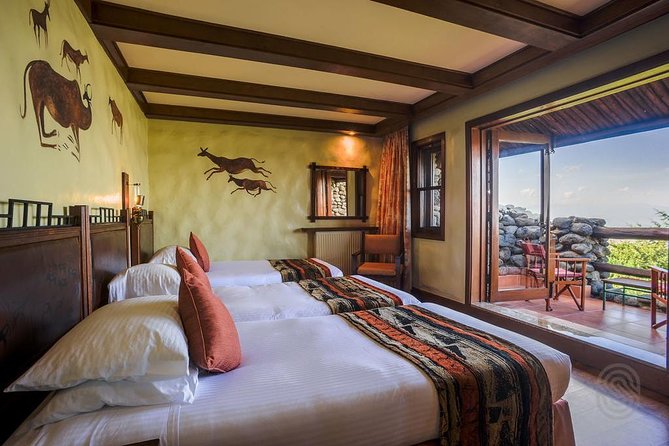
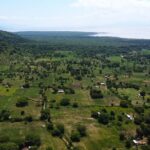
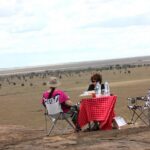
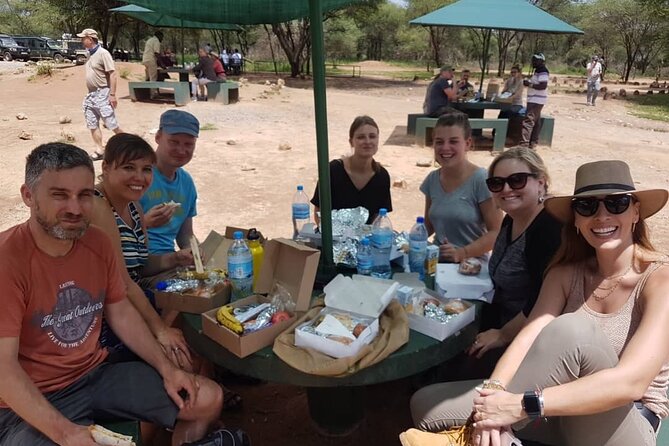
Lake Manyara National Park is a smart opener because it brings you into the Rift Valley world right away. On the first day, you leave Arusha and enjoy a picnic lunch inside the park, then game-drive before heading up the Rift Valley escarpment to Isoitok Manyara Camp. The camp is described as being on a hill with panoramic views over the Great Rift Valley and Lake Manyara.
Day 2 keeps you in the same region, which is a good move for wildlife. Many people think “one day in a park is enough.” In reality, animals can move, weather can shift, and sighting windows can change. You get a second crack at it, plus flexibility.
You also have options on Day 2: a guided ethno-botanical walk, or you can return for another game drive. There are other activity types listed too—mountain biking, hiking, cultural village walks, guided nature and forest walks—some for an additional charge. If you like learning how people connect with the land around the park, that walk option can add a lot without replacing the safari day.
Possible consideration: if you’re hoping for maximum variety of parks every single day, the two-day focus on Manyara could feel slower than a strict “one park per day” plan. But it’s often better for sightings than forcing yourself through travel every morning.
Ngorongoro Conservation Area: Rim Lodges and Afternoon Crater Drives
Then you swing into the Ngorongoro Conservation Area. The route goes through farming areas of Karatu, and you arrive on the rainforest rim of Ngorongoro Crater for lunch and downtime at the lodge. After that, you do an afternoon game drive on the crater floor.
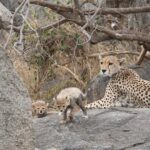
Why this works: Ngorongoro is a viewing machine. When you go down into the crater floor, the scale and density of wildlife can feel unreal. Even without promising specific sightings, this is one of the places where good timing matters and guides can often steer you toward where animals are active.
Staying on the rim is also a big part of the experience. The provided details emphasize fantastic views, and rim lodges usually make mornings and late afternoons feel like a different vacation than the actual driving days.
One thing to keep in mind: crater conditions can affect visibility and comfort. You’ll be in open-air or safari-style viewing for parts of the day, so bring layers and expect weather swings even if the sunny hours look friendly.
Serengeti: Big Park Energy and Nights That Feel Like the Wild
Serengeti is the big ticket. You’ll drive into the park in the morning, and you stop on the way at Olduvai Gorge (more on that next). Once inside, you’re set up for about three days staying at an adventure camp actually in the park.
That “in the park” detail matters more than people think. Lodging outside the park can be convenient, but it changes the mood. Staying in the park means you’re closer to the actual rhythm of the savanna—darkness arrives faster, night sounds feel near, and the whole place feels like it’s still happening even when your day-drive ends.
In the provided feedback tied to this operator’s safaris, people call out the nightly sounds of Africa as memorable. It’s one of those things that doesn’t show up in photos, but it sticks with you.
Possible drawback: the Serengeti portion is where you’ll want to be mentally ready for early starts and long days. Wildlife viewing is not a sit-back-and-watch-TV activity. Even in a comfortable safari vehicle, you’re constantly scanning. If you’re the type who gets tired quickly, plan to treat the whole trip like an active sport, not passive sightseeing.
Olduvai Gorge: A Quick Stop With Big Meaning
Olduvai Gorge is described as the cradle of mankind, and it’s built into the route as a stop between driving days. This kind of stop is short compared to the parks, but it adds a layer that makes the wildlife feel more grounded in deep time.
You’re not doing a museum-day marathon here. It’s a practical break during the transit into the Serengeti area—just enough to reset your brain and get context before you see the animals in their real environment.
If you like “why this place matters” stops, you’ll probably enjoy it. If you want pure wildlife time only, you may find this part feels like a detour. Still, it’s one of the best-known stops Tanzania offers, and it’s a logical inclusion.
Arusha Return and the Airport-Easy Wrap-Up
After the safari driving days, you get a quick morning flight back to Arusha. You’re met and shown around town, then there’s time for shopping before lunch at a popular local restaurant. In the afternoon, you’re taken to a hotel adjacent to Kilimanjaro Airport, with private rooms ahead of your evening departures.
This is the practical side of the experience: you don’t end your trip by cramming in one last “let’s see everything” scramble. You get a smoother off-ramp, which helps if you’re tired and packing.
Just note the schedule you’re given: your start is listed at Arusha Airport with a start time shown as 12:00 am. That doesn’t mean you’ll actually meet at midnight, but it does mean you should confirm your real pickup window after booking so you’re not doing the math in the dark.
Price and Value: What $3,300 Covers (and What It Doesn’t)
This safari is listed at $3,300 per person. At that price, the question isn’t only “is it expensive?” It’s “what makes it worth it?”
Here’s what you do get, which supports the value angle:
- Full-board accommodation on safari days
- Transfers from and to the airport
- A safari briefing at the start
- All game drives in the custom 4×4
- Bottled water
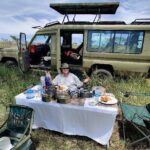
- Meals: breakfast, lunch, and dinner are included on safari days
You also get a big “hidden savings” element: admission ticket free is shown for the park days in the plan. That reduces the surprise cost factor that often hits travelers later.
What costs extra:
- International airfare and entry visas
- Alcohol and drinks of any kind
- Gratuities for guide and staff
- A balloon flight in the Serengeti listed as USD 560 per person
A smart way to budget: plan your tipping amount and your drink spending early, and decide whether you want the balloon flight. If you hate surprises, you’ll feel safer going in with those numbers sorted.
And based on the service feedback tied to this operator, the biggest value lever tends to be the guide and the planning. People often name guides who manage the day well, like Lazaro, Joseph, Peter, or Samson, and they connect that planning with better sightings and smoother days.
Lodges, Food, and the People Who Make It Work
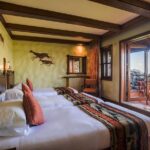
This is a mid-range lodge safari, and mid-range is a sweet spot for a lot of people: you get proper beds and solid meals without paying ultra-luxury rates.
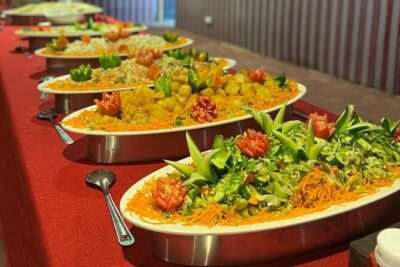
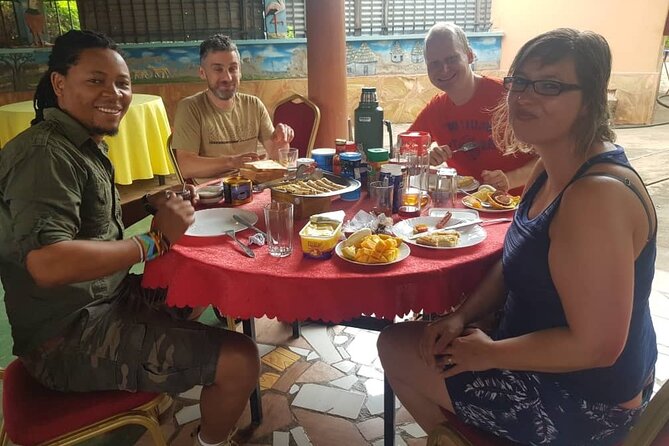
Food is included, and several people specifically mention the cook. Names that show up include Godbless (excellent food), Erick (in connection with Serengeti and Ngorongoro), and Bryan (called very friendly). That’s a good sign, because food quality is one of the easiest things to judge on safari—one bad meal can make you feel cranky all day.
Service also shows up in the details. Some feedback mentions an early pickup and even a coffee stop at a roadside café before reaching the park area. That’s not a major line item, but it’s the kind of thing that makes a long day start more comfortably.
Possible drawback to watch: one negative note in the feedback mentions lodging downgrades without warning because of construction, and a request that didn’t match the final hotel standard. That doesn’t mean it happens to everyone, but it’s a reminder: ask for lodge names and what’s guaranteed for the dates you pick.
When to Go: Timing Helps, Even on a Short Trip
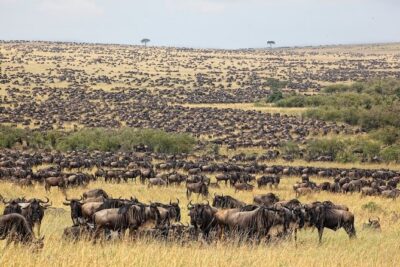
You’ve got a flexible route, and timing matters most for wildlife behavior. The feedback provided includes a clear seasonal suggestion: May–June is a strong time if you’re hoping to witness migration of thousands of animals.
If your travel window is outside those months, don’t assume “nothing will happen.” Safari viewing can still be excellent year-round. The key is how well your guide can read conditions and adjust your drives.
For planning, I’d treat your travel dates as part of the safari experience—not just calendar math. If you’re going in a month that aligns with major migration, you may get a higher payoff for all the driving you’ll do.
Who This Safari Fits (and Who Might Rethink It)
This tour fits you if:
- You want multiple Tanzania icons in one private trip
- You like the idea of having a guide and driver who focus on your sightings
- You’re okay with a fast pace and early starts
- You want lodge comfort with game-drive emphasis
It may be a mismatch if:
- You expect a perfectly identical lodge/hotel setup with no changes possible
- You hate long drives and constant scanning from sun-up to sundown
- You want a super-slow, low-activity vacation (this is built around wildlife time)
Families can be fine here too, since the route is described as something that most travelers can participate in. Just be ready for the reality that safari days aren’t short.
Should You Book This Tanzania Mid-Range Safari?
If you want a private, mid-range safari that hits Lake Manyara, Ngorongoro, and Serengeti with expert driving and a strong focus on sightings, I think this route makes sense. The value improves because so much is included—game drives, full-board meals, bottled water, transfers, and park admission ticketing listed as free.
I would book it if you do two things first:
1) Confirm the exact dates, nights, and lodge names for your travel window, especially since lodging changes have happened in at least one reported case.
2) Clarify your real pickup time and first meeting point details (the start time shown is unclear as listed).
Do that, and you’re set up for a classic Tanzania experience with real structure and a good shot at memorable wildlife moments—plus the kind of lodge-camp nights that make you feel like the day never really ended.
FAQ
What parks and areas does this safari cover?
The route includes Lake Manyara National Park, Ngorongoro Conservation Area (including the crater floor), Serengeti National Park, and Olduvai Gorge, plus Arusha for start/end town time.
Is this tour private or shared?
It’s a private tour/activity. Only your group participates.
What transportation is used on safari?
You travel in a custom built 4×4 Safari Land Cruiser for the game drives, driven by a professional English-speaking driver guide.
Does the tour include meals?
Yes. The tour includes breakfast, lunch, and dinner during the safari days, with full-board accommodation while on safari.
Is park admission included?
Park admission tickets are listed as free for the days included in the plan.
Are drinks included?
No. All alcoholic and non-alcoholic drinks are not included. Bottled water is included.
Is there an option for vegetarian meals?
Yes. A vegetarian option is available—advise at booking.
Where is the meeting point?
The start location is listed as Arusha Airport, Arusha Tanzania.
Is there a balloon flight option?
Yes, a balloon flight in the Serengeti is available for an additional charge of USD 560 per person.
What’s the cancellation policy?
Free cancellation is offered. You can cancel up to 24 hours in advance for a full refund, based on local time.